Constantia Plaster Repairs & Painting Preparation
Wall Preparation & Crack Repairs Constantia
Inspection and suitable preparation of cracked plaster, damaged wall finishes, recurring repairs and unsound previous coatings before repainting Constantia homes and estate properties.
Our documented Silverhurst and Mellow Wood Estate projects from 2026 show why hidden plaster defects, movement joints and moisture-related coating failure must be assessed before selecting repairs.
27 years of painting experience • Full-time employed painters • Written diagnostic quotations • Preparation-first workmanship
Wall Defects We Assess Before Painting
- Hairline and map cracking in exterior plaster.
- Recurring cracks around windows and openings.
- Damaged, loose or unsuitable previous plaster.
- Cracked parapets, copings and windowsills.
- Open expansion and movement joints.
- Moisture-related plaster and coating deterioration.
- Chalking, peeling and failed previous paint.
- Unsound filler and older patch repairs.
- Compatible primers, repairs and finishing coatings.
- Identification of defects needing specialist assessment.
Why Correct Wall Preparation Matters More Than Covering Cracks
A filled crack can reappear when movement continues, a hidden substrate remains unsound or moisture affects the repair. The first step is deciding whether the wall is suitable for painting-related repairs.
27 Years' Experience
Established practical experience with plaster preparation, cracked walls and existing paint systems.
Silverhurst Estate, 2026
Real experience of concealed moisture-sensitive Cretestone discovered during removal of failed exterior coatings.
Mellow Wood Estate, 2026
Documented preparation involving different plaster cracks, flexible joints, exposed masonry and moisture considerations.
Crack Diagnosis
We consider crack patterns, previous repairs, substrate condition and signs of continuing movement.
Moisture Observations
Relevant Protimeter readings and visible water-entry symptoms are considered together rather than treated as a standalone diagnosis.
Written Repair Scope
Our quotations identify appropriate preparation, specified repairs, compatible materials and relevant limitations.
Suitable Flexible Treatments
Hairline cracks and moving joints are not automatically treated with the same filler or coating system.
Full-Time Employed Painters
Our painting preparation and agreed repairs are undertaken by directly employed teams with working-foreman supervision.
Honest Repair Limitations
Decorative filling and paint cannot correct structural movement, defective foundations or uncontrolled water entry.
Our goal is not to conceal every crack with filler. It is to establish which defects are suitable for painting-related repair and which require more investigation.
Professional Wall Preparation and Crack Repairs in Constantia
Wall preparation and crack repairs in Constantia should begin with an assessment of the existing plaster, previous paint, condition of the cracks and any evidence of movement or moisture.
Applying new paint over an unstable substrate does not correct the defect beneath it. Even an expensive exterior coating can fail if the previous plaster, filler or old paint is no longer sound.
Painters Cape Town has 27 years of painting experience. Our directly employed painters undertake suitable preparation and remedial work before repainting, supported by written diagnostic quotations and working-foreman supervision.
Our actual Constantia work includes the May 2026 Silverhurst Estate exterior project, where removing failed paint revealed a concealed unsuitable plaster skim, and the March 2026 Mellow Wood Estate project, which involved several types of cracking, failed joints and associated exterior preparation.
These projects illustrate why cracks should be assessed according to their cause, location and surrounding substrate rather than filled using one standard repair method.
WHY Do Plastered Walls Crack?
Cracking may result from plaster shrinkage, weathering, building movement, temperature changes, moisture exposure, previous repair methods or a combination of conditions.
The visible crack pattern can provide clues, but appearance alone does not always establish the cause.
Hairline Plaster Cracks
Fine cracks may develop within plaster or previous finishes as surfaces age or respond to minor shrinkage and movement.
Suitable stable cracks may be addressed during painting preparation using materials compatible with the substrate and expected conditions.
Map Cracking and Fine Crack Networks
Map cracking describes a network of small cracks across a plastered or coated surface.
Possible causes include substrate shrinkage, plaster composition, weathering and previous coating conditions.
A flexible finishing system may be suitable for certain stable surfaces, but the condition of the plaster beneath the crack pattern must first be assessed.
Wider or Recurring Cracks
Wider cracks may require opening, cleaning and more substantial compatible repairs where the surrounding masonry is stable and suitable.
However, a crack that repeatedly reopens may indicate continuing movement that cannot be permanently corrected through ordinary filling.
Cracks Around Windows and Doors
Cracking near openings can relate to plaster junctions, differences between materials, movement or associated construction defects.
Failed window and door seals may also permit water into surrounding plaster and affect the durability of nearby repairs.
Cornice and Ceiling Junction Cracks
Cornices, ceilings and adjoining walls may move differently. A rigid filler applied to a joint that continues moving can crack again.
Where appropriate, a compatible flexible treatment may be considered instead of repeatedly applying ordinary rigid filler.
Structural Cracking
Widening cracks, displacement, significant diagonal cracking or visible building movement may require assessment by a suitably qualified building or structural specialist.
Painting contractors cannot establish structural stability or repair defective foundations using paint and decorative fillers.
WHY Can Two Similar Constantia Houses Develop Different Cracks?
Two houses built to identical plans can develop different plaster defects over time.
Different soil conditions, foundation design, workmanship, drainage, moisture exposure and the quality of the original plaster can affect the building’s performance.
For example, clay-rich and sandy soils can respond differently to changes in moisture. However, neither soil type automatically establishes the cause of a particular crack.
One builder may have prepared and protected exposed masonry carefully, while another may have left vulnerable parapets, windowsills or joints insufficiently protected.
After years of weather exposure, the second property may require substantially more remedial preparation before repainting.
This is why a quotation must reflect the actual inspected wall rather than simply the property’s floor area.
For more information on the relationship between preparation and labour costs, see our House Painting Costs Constantia guide.
WHEN Should Cracks Be Assessed Before Repainting?
Suitable plaster defects should be assessed before primer and finishing coats are applied.
Particular warning signs include:
- Cracks reopening after previous repairs.
- Widening cracks around door or window openings.
- Cracks accompanied by displaced masonry.
- Hollow, loose or crumbling surrounding plaster.
- Paint peeling beside the crack.
- Water staining, dampness or salt deposits.
- Open cracks through parapets or wall tops.
- Recurring cracks at ceiling or cornice junctions.
- Several generations of failed filler repairs.
- Changes in door or window operation accompanied by cracking.
Some defects will be suitable for normal painting-related preparation. Others may require a qualified specialist before decorative repairs can proceed.
HOW Do We Inspect Cracked Plaster Before Painting?
Our inspection considers the damaged area and its surrounding construction rather than focusing only on the visible line.
- Examine the crack: consider its pattern, location, width, recurrence and surrounding finish.
- Assess substrate stability: check for loose coatings, damaged filler, hollow or deteriorated plaster and unsound previous repairs.
- Review moisture symptoms: consider nearby windowsills, joints, parapets, garden walls and possible water-entry routes.
- Consider movement: identify warning signs that may require assessment beyond a painting contractor’s scope.
- Define preparation: determine the appropriate cleaning, removal, repair and priming requirements.
- Specify suitable materials: choose compatible repairs and coatings according to the substrate and manufacturer instructions.
- Record the work: describe the proposed preparation and relevant limitations in a written quotation.
Where the underlying problem cannot be identified with sufficient confidence, further investigation may be required before a suitable repair can be specified.
Real Constantia Project — Hidden Plaster Failure at Silverhurst Estate
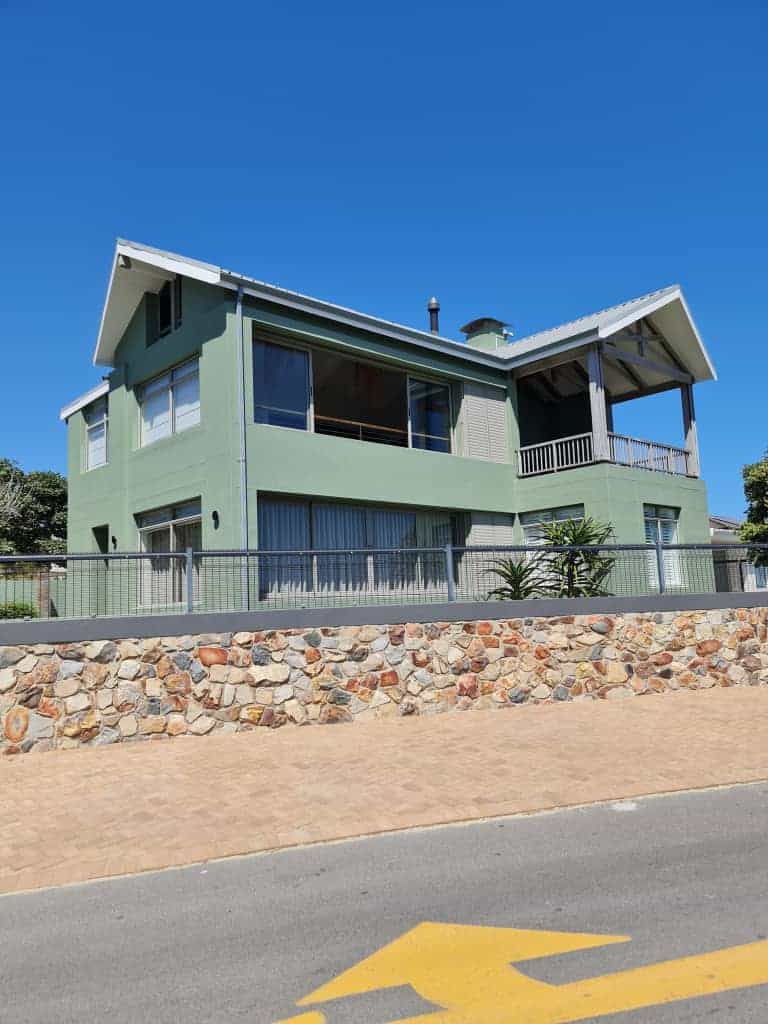
Real Constantia Project — Different Crack Types at Mellow Wood Estate

WHICH Crack Repair Materials May Be Appropriate?
Repair material selection depends on the condition and function of the affected surface.
Stable Hairline Plaster Cracks
Suitable fine cracks may be treated using compatible flexible preparation materials where permitted by the chosen system.
The existing plaster must be sound enough to support the repair and subsequent coating.
Wider Plaster Defects
Where appropriate, defects may need opening, cleaning and repair using compatible cementitious or other suitable masonry materials.
The repair must be selected according to the substrate, expected movement, exposure and manufacturer’s guidance.
Expansion and Movement Joints
Designed movement joints should not be filled as if they are ordinary stationary plaster cracks.
Where appropriate, a suitable flexible joint system is required to accommodate the movement expected at that location.
Loose or Deteriorated Plaster
Filler and primer cannot automatically restore the strength of detached or unsound plaster.
Damaged material may require suitable removal and reinstatement before the surface is considered ready for painting.
Cracked Horizontal Masonry
Parapets, copings and windowsills may require compatible crack repairs and suitable waterproofing where exposed to rainwater entry.
The horizontal waterproofing specification is different from the decorative finish used on surrounding vertical walls.
WHY Do Previously Repaired Cracks Reappear?
A crack that returns after filling does not automatically mean the newest paint is defective.
Possible causes include:
- Continued movement of the substrate.
- Inappropriate rigid filler at a moving junction.
- Insufficient removal of loose plaster.
- Poor bonding of previous repair material.
- Moisture affecting the repaired area.
- Surface contamination or unsuitable preparation.
- Failure of previous coating layers beneath the repair.
- Structural conditions not addressed by cosmetic filling.
A fresh finish can temporarily conceal a recurring defect without correcting its cause.
Where movement continues, the correct solution may require a different repair detail or a specialist building assessment.
WHAT IF the Crack Is Associated with Damp or Water Entry?
Cracks can provide a route for rainwater to enter masonry, while continuing moisture can weaken plaster and cause existing coatings to fail.
Inspection should consider the crack and nearby building details.
Relevant areas include:
- Exposed parapet and coping tops.
- Windowsills and window-frame junctions.
- Failed flexible sealing around openings.
- Roof-to-wall connections.
- Garden and boundary walls exposed to soil moisture.
- Previously waterproofed horizontal surfaces.
Where appropriate, repairs to the water-entry route should precede the decorative finish.
For water entering through exterior masonry, see Waterproofing Constantia.
For moisture-affected plaster and coating limitations, see Damp Proofing Constantia.
HOW Does Soil Movement Influence Cracking?
Soil type and foundation conditions can influence building movement. Clay-rich soil can change volume as its moisture content changes, while sandy ground has different drainage and load-bearing characteristics.
However, the presence of clay or sand does not, by itself, establish the cause of cracking in a particular property.
Crack assessment should consider the construction, foundation design, soil conditions, moisture changes and actual pattern of movement.
Where cracking suggests structural distress, an appropriately qualified specialist should assess the building before painting repairs are undertaken.
WHEN Can Repaired Cracks Be Repainted?
The appropriate drying or curing period depends on the repair material, depth, substrate condition, weather and manufacturer specification.
Some fillers require short drying periods, while other cementitious repairs require different curing conditions before primer and finish coats may be applied.
Painting too soon can cause problems with adhesion, appearance or moisture retention.
There is therefore no one drying interval appropriate to every crack repair.
HOW Do We Prepare the Rest of the Wall After Repairs?
Crack repairs form only one part of the full preparation process.
Depending on the condition of the wall, suitable work may include:
- Cleaning and removing surface contamination.
- Removing peeling or unstable previous paint.
- Sanding and feathering sound coating edges.
- Assessing chalky or powdery surfaces.
- Preparing suitable repaired plaster areas.
- Priming bare or repaired material where specified.
- Renewing failed flexible seals.
- Addressing relevant horizontal waterproofing defects.
- Applying compatible decorative finishing systems.
A wall that looks uniform after painting should also have received suitable preparation beneath the visible finish.
WHAT IF the Wall Has Already Been Repainted Several Times?
Multiple previous paint layers can conceal repairs, weak adhesion, damaged plaster or incompatible coatings.
Where an existing layer is unstable, adding another finishing coat leaves the new paint dependent on the condition of that weak layer.
It may be necessary to remove some or all of the unsuitable coatings from affected areas before repair and repainting can proceed.
The extent of removal depends on inspection findings and the agreed scope.
How Much Do Wall Preparation and Crack Repairs Cost in Constantia?
Repair costs depend on the actual condition and extent of the damage, rather than a standard price per crack.
Relevant factors include:
- Number, type and location of cracks.
- Whether the cracks are stable or recurring.
- Loose or deteriorated surrounding plaster.
- Existing paint adhesion and required removal.
- Moisture-related preparation.
- Extent of suitable waterproofing repairs.
- Repair materials and curing requirements.
- Building height and safe access.
- Areas requiring priming and repainting.
- Additional specialist work outside the painting scope.
A few stable hairline cracks do not require the same labour as extensive damaged plaster with concealed substrate problems.
This is one reason we do not use a generic square-metre painting rate to determine the full cost of repairing and repainting a property.
Read our House Painting Costs Constantia article for a fuller explanation.
WHAT Should a Written Crack Repair Quotation Include?
A clear quotation should describe the actual wall areas and preparation required.
- Which walls and cracks are included.
- Visible conditions recorded during inspection.
- Areas of unsound paint or plaster.
- Proposed removal and repair work.
- Relevant moisture or water-entry observations.
- Compatible repair and priming materials.
- Waterproofing and flexible sealing where included.
- Finishing products and preparation requirements.
- Structural, drainage or plumbing work excluded.
- How concealed defects will be handled.
- Applicable workmanship and material guarantee conditions.
Our Detailed Painting Quotations & Specifications guide explains how to compare the work described by different contractors.
Wall Preparation for Constantia Homes and Estates
Our local experience includes substantial residential and private-estate painting, with documented 2026 projects at Silverhurst and Mellow Wood.
For wider exterior work, visit Exterior Painters Constantia.
For interior walls, ceilings and cornice preparation, visit Interior Painters Constantia.
Our main Painters Constantia page provides the broader contractor overview and established local painting history.
Request a Constantia Wall Preparation and Painting Quotation
If your plaster is cracked, previous repairs keep reopening or your paint is failing around damaged wall areas, contact Painters Cape Town for a physical inspection.
We provide written quotations identifying suitable preparation, proposed repair materials, the painting scope and relevant limitations.
Helpful Constantia Wall Preparation Guides & Projects
Explore our original Constantia painting projects and practical information on cracks, damp-related defects, waterproofing and preparation before repainting.
Silverhurst Estate Plaster Investigation
A real Constantia project where removing failed coatings exposed a concealed unsuitable plaster skim requiring technical assessment.
Mellow Wood Crack Preparation
Original Constantia evidence of map cracking, hairline and wider plaster repairs, joint sealing and waterproofing preparation.
Plaster Repairs & Crack Treatment
Our broader Southern Suburbs guide explains hairline cracks, movement, unsuitable fillers and when structural assessment may be needed.
Waterproofing Constantia
Why cracks in parapets, windowsills, wall tops and failed joints may require waterproofing before repainting.
Damp Proofing Constantia
Understand moisture-related plaster failure, substrate assessment and realistic coating limitations.
House Painting Costs Constantia
Understand why cracking, plaster condition, repair time and painting materials influence the final quotation.
Wall Preparation & Crack Repairs Constantia FAQs
Do you repair plaster cracks before painting Constantia homes?
Yes. Suitable plaster and coating defects can be included in our painting preparation. The repair method depends on the crack, surrounding substrate and whether further building assessment is required.
What is the difference between hairline and structural cracks?
Hairline cracks may affect plaster or finishes, while significant structural cracks can relate to movement or distress in the building. Appearance alone does not always establish the cause.
Why do previously filled cracks keep returning?
Possible causes include ongoing movement, unsuitable filler, damaged plaster, moisture, poor adhesion and an underlying defect that was not addressed before painting.
Can flexible paint permanently repair structural cracks?
No. A suitable flexible coating may accommodate certain limited surface movement within its specification, but it cannot correct foundation movement or structural building defects.
What was discovered during the Silverhurst Estate project?
Removing failed exterior coatings exposed a concealed moisture-sensitive Cretestone skim. Dulux technical specialists inspected the exposed condition before revised preparation proceeded.
What crack preparation was involved at Mellow Wood Estate?
The completed exterior project included preparation associated with map cracking, hairline cracks, wider plaster defects, flexible joints and suitable horizontal waterproofing.
Should loose or hollow plaster be repaired before repainting?
Yes. Unsound plaster may not provide a reliable base for a new coating. The affected material should be assessed and suitably repaired or reinstated where required.
Should cracks around windows and parapets be waterproofed?
Cracks or failed joints that allow rainwater entry may require suitable repairs or waterproofing. The correct treatment depends on the construction, substrate and actual entry route.
Can you guarantee that repaired cracks will never return?
No. Cosmetic repairs cannot guarantee that movement, moisture or other underlying building defects will not recur. The written quotation explains the agreed repair and relevant limitations.
How much do crack repairs cost in Constantia?
The cost depends on the number and type of cracks, plaster condition, moisture-related repairs, preparation materials, access and areas requiring repainting. We inspect before providing a written quotation.

Copyright 2026 , all rights reserved.