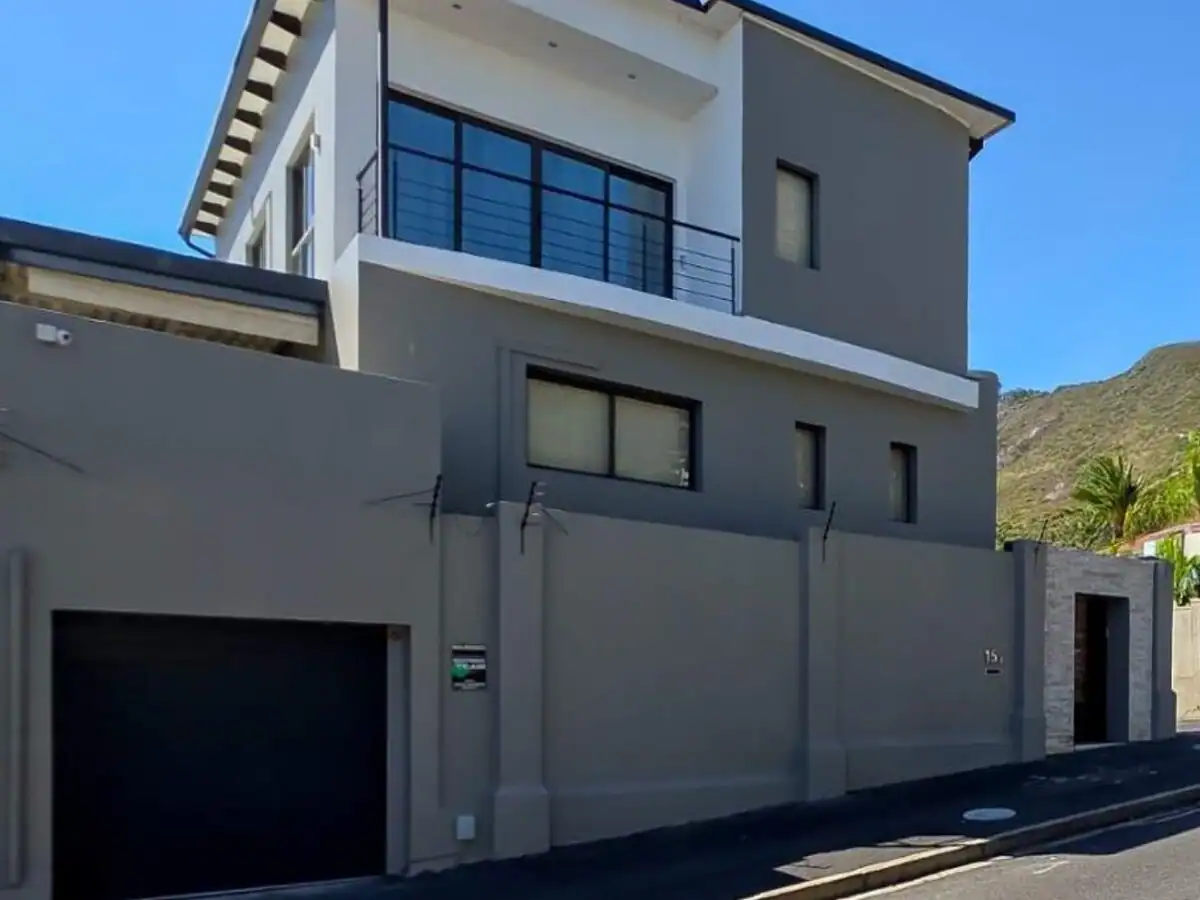
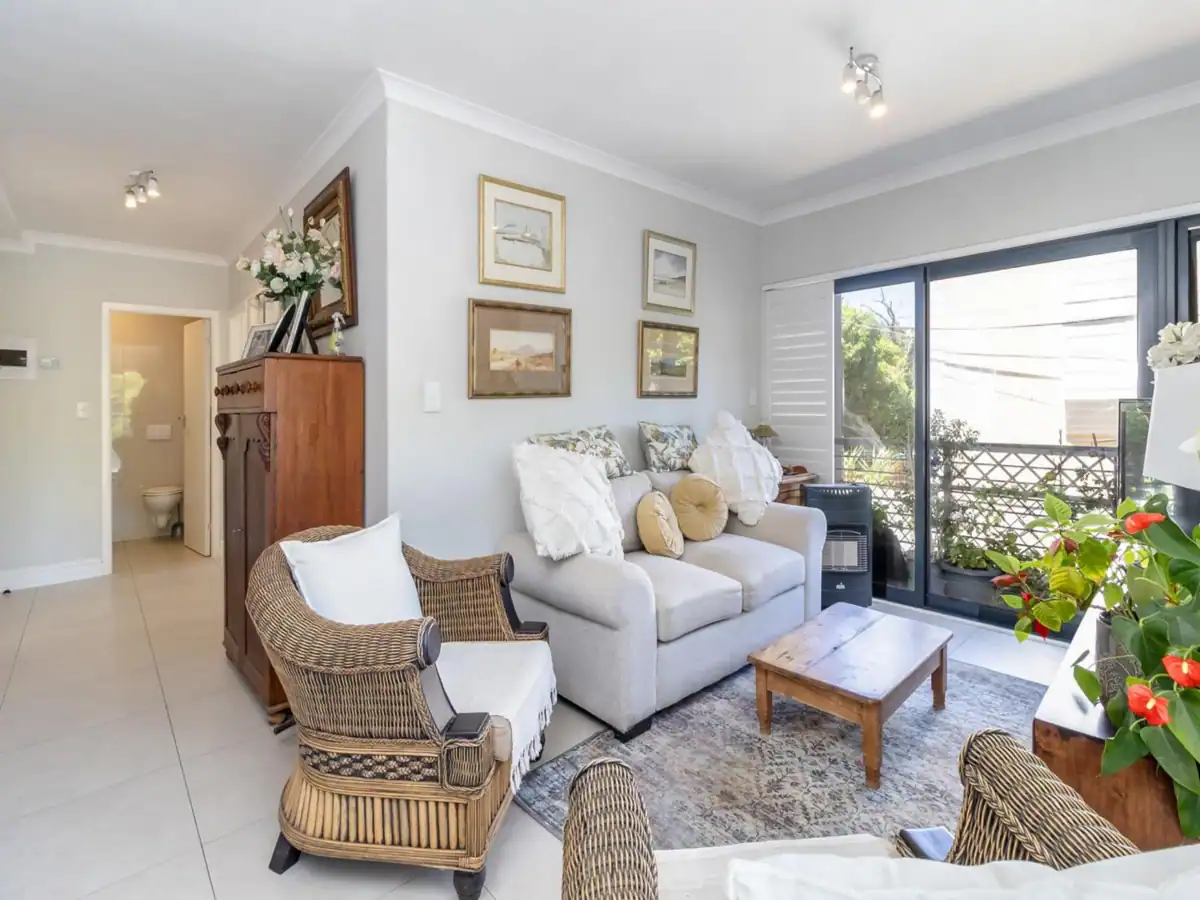
Professional painters for Simon’s Town older homes, hillside houses, harbour-facing buildings, apartments, guesthouses, rentals, small commercial premises, coastal roofs, timber, metalwork and damp-prone walls.
Simon’s Town painting needs harbour, hillside and coastal-rust experience because salt air, harbour grime, rusting railings, older plaster, steep access, sea mist, winter damp, parapets, balconies, retaining walls and roofline defects all affect how long paintwork lasts.
Roofs, gutters, parapets, balconies, retaining walls and boundary walls.
Written diagnostic reports, written scopes and full-time employed painters.
Simon’s Town Painting Built for Harbour Exposure, Hillside Access, Older Plaster, Timber, Rust, Damp, Parapets and Coastal Roofs
Simon’s Town is one of False Bay’s most rust-prone and access-sensitive painting areas. A successful repaint must inspect salt, harbour grime, metal corrosion, older plaster, timber, damp, roofs, gutters, balconies, parapets, retaining walls and steep access before paint is applied.
Written Diagnostic Report
Every quotation identifies visible salt, harbour grime, rust, damp, chalking, mould, algae, old plaster failure, timber weathering, roofline staining and access risks.
Not Lead Generation
You deal directly with Painters Cape Town, the painting contractor responsible for the quotation, written scope, employed painters, preparation and completed work.
Rust and Harbour Prep
Railings, gates, balustrades, brackets, balcony steelwork, roof trims and exposed metalwork are assessed and prepared before coating.
No Subcontractors
All work is completed by full-time employed painters with a working foreman present on site daily.
Steep Access Planning
Hillside homes, narrow roads, high walls, terraced sites, retaining walls, roofs and balconies are planned before the project starts.
Insured and Accountable
Painters Cape Town is covered by Public Liability Insurance through OUTsurance and provides direct accountability from quotation to handover.
Properly prepared Simon’s Town paintwork can maintain its integrity for approximately 8 to 10 years where salt, harbour grime, rust, damp, roof defects, failed waterproofing, old plaster failure, chalking, mould, algae, cracks and poor adhesion are resolved first.
Professional Painters in Simon’s Town, Cape Town
Painters Cape Town provides professional painting services in Simon’s Town for older homes, hillside houses, harbour-facing buildings, apartments, flats, guesthouses, rental properties, small commercial premises, coastal roofs, timber windows, rust-prone metalwork, retaining walls, boundary walls and damp-prone coastal properties.
Simon’s Town is a historic naval and harbour town on False Bay. Its buildings climb from the harbour and main road up the mountain slopes, with older homes, hillside properties, guesthouses, apartments, tourism-related premises, small shops, restaurants, cafés, harbour-facing façades and coastal homes all exposed to salt, harbour air, sea mist, wind, UV and winter damp.
Painting in Simon’s Town is different from painting in Fish Hoek or Muizenberg. Fish Hoek is more practical family-home, roof and boundary-wall maintenance. Muizenberg is more beach-flat, rental and surf-zone focused. Simon’s Town is more harbour, hillside, rust, older-plaster, timber, heritage-style and access-sensitive.
It also differs from Kalk Bay and St James. Kalk Bay and St James have strong harbour, railway-side and cottage character, but Simon’s Town adds a stronger naval-town identity, more hillside access challenges and heavier rust exposure on gates, railings, balustrades, brackets and balcony steelwork.
Every Simon’s Town quotation includes a written diagnostic report and a clear written scope of work. We assess salt and harbour contamination, rust, old plaster, previous paint layers, damp, mould, algae, chalking, timber trims, timber windows, metal railings, balustrades, gates, parapets, balconies, retaining walls, roofline staining, gutters, flashings, roof-to-wall junctions, window reveals, access challenges and active leaks before specifying the coating system.
Why Simon’s Town Pages Must Be Stronger Than Generic Lead-Gen Painter Pages
Generic lead-generation pages often say “painters in Simon’s Town” without explaining why this suburb is technically different. That is not enough for a harbour and hillside suburb where paint failure can be caused by salt and harbour grime, rusting metalwork, old plaster, failed parapets, balcony waterproofing, retaining wall moisture, timber weathering, roofline damp, blocked gutters and steep-access maintenance delays.
A strong Simon’s Town painting page must explain the real risks: rust, damp, old coatings, heritage-style details, guesthouse scheduling, small commercial façades, hillside access, harbour-facing walls, roof defects, parapets, retaining walls, timber, railings, balconies and property protection.
Painters Cape Town is not a lead-generation painting company. When you contact us, you deal directly with the painting contractor responsible for the inspection, diagnostic report, written scope, preparation, employed painting team, daily supervision and final handover.
Why Painting in Simon’s Town Requires Harbour, Hillside and Coastal-Rust Experience
Simon’s Town painting is shaped by harbour air, salt, rust, older buildings and hillside access. A simple repaint can fail quickly if metalwork is not treated correctly, old plaster is not checked, damp is painted over or access planning is left until the job has already started.
Harbour Air and Salt Make Rust a Major Painting Problem
Simon’s Town is one of the more rust-prone painting environments around False Bay. Gates, railings, balustrades, brackets, balcony steelwork, burglar bars, roof trims and exposed metal details can corrode quickly in salt and harbour air.
Rust treatment is not an optional extra in Simon’s Town. Loose rust must be removed, active corrosion must be treated where required, metal must be correctly primed and the finishing system must be suited to coastal exposure.
Paint applied over active rust will lift as corrosion continues underneath. This is why metalwork is assessed separately from plaster, timber and roof surfaces before the painting system is specified.
Harbour-Facing and Sea-Facing Walls Must Be Washed Before Painting
Harbour-facing and sea-facing walls collect salt, harbour grime, traffic grime and chalking. This contamination can sit on older plaster, concrete, timber and existing coatings. If the wall is painted before cleaning, the new coating bonds to contamination instead of the substrate.
Before repainting, Simon’s Town exterior walls must be washed thoroughly. Chalking must be removed or stabilised, cracks repaired, mould and algae cleaned, adhesion checked and primers selected for the surface and exposure.
Salt washing and harbour-grime removal are not cosmetic steps. They are part of the coating system because the new paint must bond to a stable surface, not to salt, dust, chalk or grime.
Hillside Homes and Steep Access Need Planning
Many Simon’s Town homes sit on steep roads, terraced sites or elevated stands. These properties often have retaining walls, narrow driveways, higher façades, awkward rooflines and difficult access for ladders, scaffolding, materials and protection.
Access must be planned before the job starts. Steep-site painting requires safe equipment positioning, clear access routes, protection of paving and gardens, and a realistic sequence for walls, roofs, railings, balconies and retaining walls.
When access is not planned properly, maintenance often gets delayed on hard-to-reach walls, roofs and metalwork. That delay allows rust, damp and peeling to spread before the next repaint.
Older Plaster, Timber and Heritage-Style Details Need Careful Preparation
Simon’s Town has many older and heritage-style coastal buildings. Older plaster, timber windows, timber trims, period details and previous paint layers need careful preparation rather than heavy-handed coating.
Older plaster may need adhesion checks, scraping, sanding, crack repairs, stabilising and correct primers. Timber may need cleaning, sanding, repairs and a suitable coastal system. Metalwork must be treated properly before painting.
A careful approach matters because many Simon’s Town properties have character details that should be protected and prepared correctly, not buried under thick coatings or rushed surface work.
Damp, Parapets and Rooflines Often Cause Repeat Failures
Winter rain, sea mist, shaded walls, parapets, balconies, retaining walls, roof terraces and roof-to-wall junctions can all cause damp-related paint failure in Simon’s Town. The symptom may appear as bubbling, peeling, staining or mould, but the source may be above or behind the wall.
Paint does not fix active damp, and roof painting does not fix active leaks. The source must be found and corrected before repainting.
Repeated failure on the same wall, balcony, parapet, retaining wall or roofline usually means the underlying defect was never resolved.
Simon’s Town Property Types and Painting Conditions
Simon’s Town includes a wide range of harbour, hillside, older-building and coastal property types. Each needs a clear preparation plan.
Older homes and heritage-style properties with older plaster, timber windows, previous coatings, period details and rust-prone metalwork.
Hillside homes with steep access, retaining walls, sea views, harbour-facing elevations, exposed walls, complex rooflines and difficult access.
Harbour-facing buildings exposed to salt, harbour grime, wind, UV and accelerated metal corrosion.
Guesthouses and tourism properties needing presentable finishes, guest-aware scheduling and careful protection.
Apartments, flats and small complexes needing written scopes, common-area protection and managing-agent communication where applicable.
Small commercial premises such as shops, cafés, restaurants, offices and tourism-related properties needing public-facing finishes.
Roofs and roof terrace areas where gutters, flashings, parapets, ridge caps and roof-to-wall junctions must be checked before coating.
Retaining walls, boundary walls and garden walls where soil moisture, drainage and coastal exposure can limit coating life.
Painting Services in Simon’s Town
Interior Painting for Older Homes, Hillside Houses, Apartments, Guesthouses and Rentals
Our Interior Painters Cape Town service covers Simon’s Town older homes, hillside houses, coastal homes, apartments, guesthouses, rentals, bathrooms, kitchens, high-use passages, bedrooms, living areas, ceilings, doors, frames, skirtings, stairwells and guest-facing interiors.
Interior painting in Simon’s Town often needs more than a cosmetic repaint. Older homes may have hairline cracks, previous paint build-up, damp bathrooms, mould in poorly ventilated areas and moisture staining near window reveals. Guesthouses and rentals need neat, durable finishes that can handle occupancy.
Where suitable, we use durable washable finishes and low-odour systems to reduce disruption. Floors, furniture, cabinetry, fittings, appliances, guest belongings, glass and decorative finishes are protected before painting starts.
Exterior Painting for Harbour-Facing Walls, Older Plaster, Timber, Metalwork and Retaining Walls
Our Exterior Painters Cape Town service covers Simon’s Town harbour-facing façades, sea-facing walls, older plaster, hillside homes, balconies, parapets, timber trims, timber windows, metal gates, railings, balustrades, retaining walls, boundary walls, garden walls and exterior trims.
Exterior preparation may include washing salt and harbour grime from surfaces, treating rust, removing or stabilising chalking, repairing cracks, checking adhesion, preparing timber, treating mould or algae and applying suitable primers and coastal-grade coatings where appropriate.
Paving, gardens, windows, glass, roofs, timber, metalwork, balconies, railings, gates, retaining walls, guesthouse entrances and surrounding finishes are protected where applicable.
Roof Painting for Tiled, Cement Tile, Concrete, IBR and Chromadek Roofs
Our Roof Painters Cape Town service covers suitable tiled roofs, cement tile roofs, concrete roofs, IBR and Chromadek roofs in Simon’s Town, as well as roof terrace-related areas where coating is suitable.
Before any roof coating is applied, we check gutters, downpipes, flashings, ridge caps, laps on metal roofs, roof-to-wall junctions, parapets, roof terrace drainage, roofline staining, rust and active leaks.
Roof painting is a protective coating applied once the roof is sound. It does not fix active leaks, blocked gutters, failed flashings, broken tiles, cracked ridge caps, failed waterproofing, defective roof-to-wall junctions or unresolved parapet defects.
Damp Proofing and Waterproofing Before Repainting
Damp Proofing Cape Town is often needed in Simon’s Town before repainting because winter rain, harbour air, sea mist, shaded walls, bathrooms, kitchens, window reveals, exterior cracks, retaining walls, boundary walls, parapets, roof terraces, balconies and roofline damp can all create moisture-related paint failure.
Paint does not fix active damp. If moisture is moving through from behind a retaining wall, parapet, balcony, roof junction, window reveal or damp wall, that cause must be dealt with first.
Retaining walls, boundary walls, garden walls, rising damp, active leaks, failed waterproofing and unresolved moisture can carry limitations. Those limitations should be explained in the written scope before repainting starts.
Residential Painting for Older Houses, Hillside Homes, Coastal Homes and Apartments
Our Residential Painters Cape Town service assists Simon’s Town homeowners, landlords, apartment owners, guesthouse owners and property managers with older houses, hillside homes, coastal homes, apartments, rentals, pre-sale properties and investment properties.
Residential painting in Simon’s Town must balance presentation with technical maintenance. The property must look good, but salt, harbour grime, rust, damp, older plaster, timber, roofs and access limitations must be dealt with first if the finish is expected to last.
Commercial Painting for Guesthouses, Shops, Restaurants, Cafés and Tourism Premises
Our Commercial Painters Cape Town service assists Simon’s Town guesthouses, small shops, restaurants, cafés, offices, tourism-related premises and public-facing harbour-area façades.
Commercial painting in Simon’s Town often happens in visitor-facing areas. These projects need neat finishes, signage protection, clean site management, practical scheduling around guests or trading hours where possible and careful preparation for harbour exposure.
Body Corporate Painting for Apartments, Flats and Small Managed Buildings
These projects benefit from written diagnostic reports, written scopes of work, managing-agent communication, trustee communication, common-area protection, resident communication and phased work where practical.
A body corporate repaint should clearly explain salt washing, harbour grime removal, old plaster preparation, rust treatment, waterproofing limitations, access planning, common-area protection, resident communication and exclusions before work begins.
Common Paint Problems in Simon’s Town
Salt and Harbour Contamination
Harbour-facing and sea-facing walls collect salt, harbour grime and surface contamination. These must be washed away before repainting so the coating can bond properly.
Rust on Gates, Railings and Metalwork
Rust is one of Simon’s Town’s biggest painting problems. Gates, railings, balustrades, brackets, balcony steelwork and exposed metal trims corrode quickly in salt and harbour air. Rust must be removed or treated and the metal correctly primed before topcoats are applied.
Chalking and UV Fading
Strong sun breaks down older coatings and leaves a powdery chalked surface. Chalking must be removed or stabilised before repainting.
Mould and Algae from Winter Damp and Shade
Shaded, slow-drying walls, bathrooms, kitchens, garden-facing walls and south-facing elevations can develop mould and algae. These must be killed and cleaned before repainting.
Old Plaster and Poor Adhesion
Older and heritage-style plaster with multiple previous paint layers can hide weak adhesion. Loose coatings must be removed or stabilised before repainting.
Roofline Staining and Gutter-Related Damp
Blocked gutters, leaking gutters, poor flashings and roof-to-wall junction defects can cause staining and damp along rooflines. These defects must be corrected before repainting affected areas.
Parapet and Balcony Waterproofing Failure
Failed parapet or balcony waterproofing can allow water into slabs, soffits and adjoining walls. This causes bubbling, peeling, staining and repeated paint failure until the waterproofing source is repaired.
Retaining Wall Damp
Hillside retaining walls hold back soil and moisture. If drainage or waterproofing behind the wall is poor, paint on the exposed side can blister, flake or discolour repeatedly.
Boundary Wall and Garden Wall Damp
Boundary walls and garden walls can hold moisture from soil, irrigation, poor drainage, shade or rising damp. These surfaces may have coating limitations even when prepared correctly.
Cracking and Peeling Old Paint
Movement cracks, old coatings, weak plaster and poor previous preparation can leave surfaces unstable. Cracks must be repaired and loose paint removed before recoating.
Window Reveal Damp
Window reveals and sills can allow moisture into walls where sealants, cracks or detailing have failed. Damp around window openings must be addressed before repainting.
Access-Related Maintenance Delays
Steep sites, high walls, awkward rooflines and narrow access can cause certain areas to be left too long between repaints. Planned access helps prevent rust, damp and peeling from advancing.
Repeated Failure from Unresolved Damp or Roof Defects
When the same wall, balcony, parapet or roofline fails repeatedly, the cause is often unresolved damp, roof defects, active rust, failed waterproofing or weak old coatings. The source must be diagnosed before repainting.
Property Protection, Access Planning and Coastal Site Management
Simon’s Town painting projects can involve older buildings, steep driveways, terraced hillside sites, narrow coastal roads, guesthouses, apartments, gardens, paving, roofs, metalwork, balconies and harbour-facing façades. The work must be carefully planned before painting starts.
Floors, furniture, paving, gardens, roofs, windows, harbour-facing façades, timber, metalwork, balconies, railings, glass and existing finishes are protected where applicable.
Interior floors, cabinetry, furniture, fittings, appliances, glass and decorative finishes are masked and protected before painting starts.
Steep access, scaffolding, ladders, working platforms, material movement, parking, driveways and equipment placement are assessed during the quotation stage.
Guesthouses and accommodation properties can be planned around guest movement where practical.
Shops, cafés, restaurants and small commercial premises can be planned around trading hours where practical.
Apartment blocks and small complexes can be coordinated with managing agents, trustees, residents and tenants where relevant.
Common areas, entrances, railings, stairwells and shared spaces are protected and kept tidy during the project.
Daily clean-up is completed at the end of every working day.
All painters are full-time employed by Painters Cape Town, not subcontracted.
A working foreman is on site daily to supervise preparation, protection, access, communication and quality.
Nearby False Bay Areas We Also Serve
Simon’s Town forms part of our wider False Bay Painters service area. We also work in nearby and related coastal areas:
Painters False Bay — local False Bay coastal painting for nearby seaside homes, apartments and damp-prone buildings.
Nearby Regional Painting Hubs
Simon’s Town also connects naturally with nearby regional pages for clients comparing properties across Cape Town or managing more than one residential, rental, body corporate, guesthouse or commercial property.
False Bay Painters — Muizenberg, Fish Hoek, Simon’s Town, Kalk Bay, St James, Glencairn and nearby coastal areas.
City Bowl Painters — Cape Town CBD, Gardens, Tamboerskloof, Oranjezicht, Vredehoek, Higgovale, De Waterkant, Woodstock and Salt River.
Atlantic Seaboard Painters — Clifton, Camps Bay, Fresnaye, Bantry Bay, Sea Point, Green Point, Mouille Point, Llandudno and the V&A Waterfront.
Our Preparation-First Painting Process in Simon’s Town
Every Simon’s Town painting project starts with diagnosis because durable paintwork on harbour-facing, hillside and older coastal properties is built before the first coat is applied.
Site visit and diagnostic assessment: We assess harbour exposure, salt, rust, damp, mould, algae, old plaster, timber, roofs, gutters, retaining walls, balconies, parapets and access needs.
Written diagnostic report: Salt and harbour contamination, rust, damp, chalking, mould, algae, timber weathering, poor adhesion, roofline staining, gutter defects and access concerns are documented.
Written scope of work: Surfaces, preparation, primers, coating systems, access planning, property protection and exclusions are explained clearly.
Rust, damp, adhesion, roof and access checks: The factors that decide whether a Simon’s Town repaint lasts are assessed before coating.
Access and protection planning: Floors, furniture, gardens, paving, roofs, windows, façades, metalwork, balconies, residents, guests and trading areas are planned where relevant.
Surface preparation: Washing, harbour grime removal, rust treatment, timber cleaning and sanding, chalking stabilisation, mould and algae treatment, crack repair, scraping, sanding and priming are completed.
Waterproofing and defect resolution: Cracks, gutters, flashings, rooflines, parapets, balconies, retaining walls, boundary walls and damp sources are addressed before repainting where applicable.
Correct primers and coastal-grade coatings: Products are selected for plaster, concrete, timber, metal, roofs, interiors and Simon’s Town’s harbour-facing conditions.
Daily foreman supervision: Preparation, application, access, protection, communication and clean-up are managed daily.
Daily clean-up: Work areas are left neat, protected and safer at the end of every working day.
Final inspection: The completed work is checked before handover.
Why Choose Painters Cape Town in Simon’s Town?
Painters Cape Town is a real painting contractor, not a lead-generation company. When you contact us, you deal directly with the company responsible for the quotation, diagnostic report, scope, preparation, protection, painting team and finished result.
Full-time employed painters, never subcontractors.
Working foreman on site daily.
Written diagnostic report with every quotation.
Clear written scope of work before painting starts.
Preparation-first approach for salt air, harbour exposure, rust, damp, cracks, chalking, mould, algae, failed coatings and poor adhesion.
Experience with older homes, hillside houses, harbour-facing buildings, guesthouses, apartments, small commercial premises and coastal roofs.
Protection for floors, furniture, paving, gardens, roofs, windows, harbour-facing façades, timber, metalwork, balconies, railings, glass and finishes.
Rust, damp, access, roof, gutter, parapet, balcony, retaining wall, old plaster, timber and metalwork issues assessed before repainting.
Steep-access planning for hillside homes, narrow driveways, high walls, rooflines, retaining walls and scaffolding where required.
Guesthouse and small commercial planning around guests or trading hours where practical.
Apartment and body corporate experience with written scopes, managing-agent communication, resident coordination and common-area protection.
Supplier and manufacturer-backed coating specifications where applicable.
Public Liability Insurance through OUTsurance.
Direct contact, direct accountability and daily site clean-up.
20+ years of painting and surface-preparation experience.
Provided salt, harbour grime, rust, damp, failed waterproofing, cracking, chalking, mould, algae and poor adhesion are resolved first, properly prepared Simon’s Town paintwork can maintain its integrity for approximately 8 to 10 years. Roof coating can maintain integrity for approximately 7 to 8 years where qualifying specifications are followed and roof defects are resolved first.
The honest limitation is simple: paint cannot fix active damp, roof painting cannot fix active leaks, and retaining walls, boundary walls, garden walls, rising damp, active leaks, failed waterproofing and unresolved moisture can carry limitations that must be assessed case by case.
Recent Painting Projects Completed in Simon’s Town
These two genuine Simon’s Town projects document the preparation required for two very different coastal properties in 2026. The first was a comprehensive exterior restoration at a double-storey home in Rocklands Ridge Estate, completed from 15 to 29 January after relative masonry moisture readings of 15% to 18%. The second was a full interior repaint in a private top-floor apartment, completed from 6 to 10 July after cracks, opened cornice junctions, localised damp symptoms, bathroom-ceiling mould and worn painted woodwork were identified.
Together, the case studies show why Simon’s Town painting must account for more than colour and finish. At the estate home, rain-entry defects, coastal exposure and different substrates required separate repair and coating sequences for plaster, timber, metal roof sheets, expansion joints, a skylight and a built-in planter. Inside the apartment, occupied-home protection, mould treatment, local moisture assessment, flexible cornice repairs and compatible systems for walls and painted joinery were central to the work.
The original photographs below form part of Painters Cape Town’s first-hand project record. They show the actual defects found before work, preparation in progress and completed surfaces after the written scopes were carried out by our full-time employed painting team.
Exterior Restoration at Rocklands Ridge Estate, Simon’s Town
Project location: Rocklands Ridge Estate, Simon’s Town, Cape Town Property type: Double-storey private estate home Project dates: 15–29 January 2026 Measured wall condition: Relative masonry moisture readings of 15%–18% on the inspection meter Work completed: Preparation and painting of plastered exterior walls, timber fascia boards, wooden wall cladding and IBR metal roof sheets; treatment of designated damp-affected areas; crack, windowsill, perimeter-seal and expansion-joint repairs; sealing around a leaking skylight; and waterproofing of a built-in planter box
The owner requested a complete exterior repaint after dark charcoal wall coatings had become visibly discoloured and paint was peeling on plaster, fascia boards and wooden cladding. The physical quotation inspection also identified numerous wall cracks, cracked or unprotected horizontal windowsill surfaces, failed seals around windows and doors, open expansion joints and two specific moisture-entry concerns: leakage around the roof skylight and a built-in planter box on the deck.
Moisture-meter readings on suspect masonry areas ranged from 15% to 18% on the instrument’s relative scale. Those readings supported the visible evidence of moisture stress, but they were not treated as proof that every discoloured wall had one identical damp source. Defect location mattered. Streaking below openings and joints was consistent with water entering through vulnerable details, while the leaking skylight and planter required their own repairs rather than an extra coat of wall paint.
Extensive coating failure on a timber fascia before preparation and repainting at a Rocklands Ridge Estate home in Simon’s Town.
What the Weathered Fascia Photograph Shows
The close-up shows extensive peeling and weakly bonded coating on an exposed timber fascia. Once paint has released in sheets and bare wood is visible, a cosmetic overcoat will not restore adhesion. Loose coating has to be removed, firm edges feathered, the remaining surface sanded to a sound key and exposed timber sealed with a compatible wood primer before undercoat and finish coats are applied.
The timber failure was assessed separately from damp symptoms in the plaster. Missing primer or weak preparation can contribute to premature paint failure, but it does not create moisture inside a masonry wall. Rain reaches plaster through cracks, failed seals, open joints, leaking details and other defects; inadequate preparation then leaves the coating less able to remain bonded when the substrate is stressed.
Cleaning and Removal of Defective Coatings
Exterior preparation began with high-pressure washing to remove dust, grime, biological contamination and loose paint. Remaining poorly bonded coating was scraped manually, and hard edges were feathered so repaired areas would not remain sharply visible beneath the new finish. Designated powdery or unstable areas received the specified bonding treatment after cleaning.
Discolouration on cementitious plaster can be associated with persistent moisture and alkaline salts moving through the substrate. The correct response was not to label every mark as rising damp or hide it under topcoat. Accessible water-entry defects were repaired, unstable coatings were removed, and only the identified damp-affected areas received the agreed moisture-management coating treatment.
Cracks, Windowsills, Perimeter Seals and Expansion Joints
Cracks were treated according to their width and condition. Hairline and spider-web cracking received the specified alkali-resistant and flexible preparation. Wider plaster cracks were opened to a sound V-shaped joint where required, brushed clean, repaired with a compatible masonry patching system, sanded and protected with the specified flexible coating build. This avoided bridging loose material or relying on one rigid filler for every type of movement.
Failed sealant around included windows and doors was raked out and replaced with a compatible single-component polyurethane joint sealant. Open expansion joints were sealed flexibly within the project scope. Cracked windowsills and other upward-facing masonry were treated with the specified flexible waterproof coating because these horizontal surfaces receive direct winter rain and can feed moisture into the wall below.
Timber Fascia Boards and Wall Cladding
Loose paint was removed from the wooden fascia boards and cladding, remaining coatings were sanded, and hard edges were feathered. Bare timber received Dulux Wood Primer, followed by a full Dulux Universal Undercoat and two coats of Dulux Pearlglo Waterbased. The sequence mattered as much as the product names: the new enamel system needed to bond to sound, correctly primed wood rather than to peeling old coating.
The wall cladding and fascia boards are exposed to Simon’s Town sun, wind and coastal moisture. Regular inspection remains important because future joint movement, exposed end grain or renewed seal failure can allow water behind an otherwise sound paint film.
Built-In Planter Waterproofing
The approximately 300 mm-deep planter box was emptied of soil and stone and cleaned so the internal surfaces could be prepared. The specified a.b.e. Duraflex system was applied over reinforcing membrane in four coats, and the expansion joint below the planter was sealed with polyurethane. This was a separate waterproofing intervention: repainting the stained wall below without addressing the planter would have left the water source active.
Product names identify what was used on the documented project. They do not imply that a.b.e. Construction Chemicals endorses Painters Cape Town or this webpage.
IBR Roof Sheets and Leaking Skylight
After the IBR metal roof sheets were cleaned, a full coat of Dulux Rust Primer was applied to the prepared sheets, followed by two coats of Dulux Roofguard. The primer was used on the metal roof—not on the timber—and formed the corrosion-control and adhesion layer within the specified roof coating system.
Failed sealing around the leaking skylight was replaced with compatible polyurethane sealant. The owner subsequently confirmed in early July 2026, after winter rain, that no further water leakage had been experienced at that detail. This is a useful post-project observation, but it is not a blanket guarantee against unrelated future roof or seal failures.
Exterior Wall Coating and Manufacturer-Aligned System
After washing, repairs, local damp-area preparation and priming, the main building’s plastered exterior walls received two coats of Dulux Wallclad. The dark existing colour, coastal exposure and mixed wall condition made consistent coverage and a complete coating build more appropriate than isolated cosmetic touch-ups.
The preparation and product sequence followed manufacturer-aligned Dulux principles, but the written scope was contractor-prepared and no formal manufacturer warranty specification is claimed for this project. References to Dulux South Africa identify products used and do not imply endorsement of Painters Cape Town or this page.
The completed Rocklands Ridge Estate exterior after damp-related defects, cracks, failed seals, timber elements and the IBR roof were prepared and restored.
Completed Rocklands Ridge Estate Exterior
The completed property had a consistent finish across the plastered walls, restored timber fascia boards and wall cladding, and recoated IBR roof after the identified cracks, seals, expansion joints, skylight and planter defects within the agreed scope had been addressed. The project demonstrates why estate-home exterior painting can require coordinated masonry repair, timber preparation, roof coating and waterproofing rather than a single generic paint specification.
Preparation-first work can support a longer maintenance cycle, but no coating can guarantee against renewed structural movement, future seal deterioration, blocked drainage, planter failure or new water entry. Ongoing inspection of windowsills, joints, skylight seals, roof sheets, planter drainage, fascia boards and cladding remains important in Simon’s Town’s coastal conditions.
Top-Floor Apartment Interior Painting in Simon’s Town
Project location: Simon’s Town, Cape Town Property type: Private third-floor/top-floor apartment Project dates: 6–10 July 2026 Work completed: Protection of floors and furnishings; repairs to plaster cracks and opened cornice junctions; preparation of localised damp-affected areas; treatment of bathroom-ceiling mould; painting of ceilings, cornices and walls; and preparation and repainting of previously painted doors, frames, skirting and kitchen cupboards
The apartment owner requested a full interior repaint. Most ceilings were in sound overall condition, but dirty marks and normal wear were visible on walls. Fine and wider plaster cracks required attention, cornice junctions had opened in places, a bathroom ceiling showed mould, and localised wall areas showed damp-related symptoms. Kitchen cupboards, doors and painted skirting also had chipped or peeling coatings.
Because the apartment is on the third and top floor, the ceiling and cornice zone sits directly below the roof space. Movement or airflow in that zone can contribute to stress at cornice junctions, but the precise cause of each opening cannot be confirmed from appearance alone. The repair therefore focused on removing loose material, preparing the junction and using a compatible flexible seal rather than presenting one unverified explanation as fact.
Interior preparation and repainting underway in a top-floor Simon’s Town apartment following repairs to cracks, cornice junctions and surface defects.
Occupied-Apartment Protection and Surface Preparation
Furniture and floors were protected with soft drop sheets and cloths before preparation began. Loose coating and surface defects were removed, dirty areas were cleaned, cracks were opened where necessary, and dust was cleared before primers or topcoats were applied. This protection-and-preparation sequence was especially important in an occupied apartment where overspray, sanding dust and paint spills had to be controlled.
The preparation photograph records work in progress on a high wall and ceiling area. It provides first-hand evidence of the project but does not, by itself, establish the cause of every crack or damp symptom. Those conditions were assessed within the physical quotation and written scope.
Localised Damp Symptoms and Crack Repairs
Only the identified damp-affected wall areas received the agreed local Dulux Dampshield treatment after accessible moisture causes had been addressed and the substrates had been prepared. The product was not treated as a substitute for fixing an active roof, plumbing or exterior water-entry defect, and the project record does not label every interior mark as rising or penetrating damp without supporting evidence.
Fine plaster cracks received the specified sealing and flexible preparation. Wider cracks were opened and cleaned where required, filled with a compatible masonry repair system, sanded and protected with the agreed flexible coating build. Opened cornice junctions were cleaned and sealed with compatible polyurethane before spot priming, ceiling painting and cornice painting.
Bathroom-Ceiling Mould Treatment
Visible mould on the bathroom ceiling was washed with the specified fungicidal treatment, rinsed and allowed to dry with ventilation before coating. The prepared mould-prone surface then received the specified Dulux Trade Mouldshield Fungicidal Matt system. Applying ordinary paint over live contamination would have hidden the symptom temporarily without creating a sound base for the new finish.
Mould-resistant coating can make a correctly prepared surface less vulnerable, but it cannot guarantee that mould will never return. Bathroom extraction, ventilation, moisture control and prompt investigation of any future roof or plumbing leak remain necessary.
Ceilings, Cornices and Interior Walls
After repairs, the ceilings and cornices received two coats of Dulux Wall & Ceiling paint where specified. Selected wall areas without mould received two coats of Dulux EasyCare in a matt finish compatible with the appearance of the fungicidal matt used on the mould-prone areas. This allowed the project to address different service conditions while maintaining a visually coherent finish.
Wet-area junctions included in the scope—such as selected interfaces at splashback tiles, sinks, baths or basins—were resealed where necessary to reduce avoidable water entry. Sealant remained a joint treatment rather than a replacement for plumbing repairs or general ventilation.
Doors, Frames, Skirting and Kitchen Cupboards
Previously painted doors, frames, skirting and kitchen cupboards were prepared separately from the plastered walls. Loose coating was removed, chipped areas were smoothed, surfaces were sanded to create a key and hard edges were feathered. Bare timber was spot-primed with Dulux Wood Primer, followed by a full Dulux Universal Undercoat and two coats of Dulux Pearlglo Waterbased.
This substrate-specific system avoided using wall paint as a shortcut on hard-wearing joinery. It also dealt with the existing adhesion failures before the new enamel coats were applied.
The completed Simon’s Town apartment interior after surface preparation, crack and cornice repairs, mould treatment and repainting.
Completed Simon’s Town Apartment Interior
The completed living area had a clean and consistent finish after surface protection, crack and cornice repairs, local damp-area preparation, bathroom mould treatment and repainting of the included ceilings, cornices, walls and painted joinery. The result depended on the corrective work beneath the finish coats, not only on the final colour.
Continued ventilation and maintenance remain important. If mould, staining, opened joints or peeling returns, the cause should be inspected rather than repeatedly overpainted.
What These Simon’s Town Projects Demonstrate
The January estate project and July apartment project demonstrate one preparation-first principle across two different settings. Outside, the work required moisture assessment, repair of water-entry defects, crack and joint treatment, timber restoration, planter waterproofing, skylight sealing and an IBR roof coating system. Inside, the priorities were occupied-home protection, local damp-area preparation, mould treatment, flexible cornice repairs and compatible coatings for plastered surfaces and painted joinery.
Both projects were completed by Painters Cape Town’s full-time employed team. We are not a lead-generation company and do not pass work to subcontractors. Clients deal directly with the contractor responsible for the physical inspection, written diagnostic report, quotation, preparation specification, employed team and completed project.
For a physical inspection and written painting quotation in Simon’s Town, call 082 374 6862 or use our contact page.
Request a Simon’s Town Painting Quote
Whether you own or manage a Simon’s Town older home, hillside house, harbour-facing building, guesthouse, apartment, rental, small commercial premises, roof, balcony, retaining wall, rust-prone metalwork or damp-prone coastal property, Painters Cape Town can inspect the surfaces, identify the preparation requirements and provide a written quotation.
See how older homes, guesthouses, interiors, gardens, paving, windows, timber, metalwork and detailed finishes should be protected before painting starts.
Why do Simon’s Town homes need harbour and coastal painting preparation?
Simon’s Town properties are exposed to salt air, harbour grime, sea mist, wind, UV and winter damp. These conditions affect adhesion, accelerate rust, weather timber and shorten coating life if surfaces are not washed, repaired, treated and primed correctly.
Why must Simon’s Town exterior walls be washed before repainting?
Exterior walls collect salt, harbour grime, traffic grime and chalking. Paint applied over that film bonds to contamination instead of the wall, which can cause peeling, blistering and premature coating failure.
Do you paint older homes, hillside houses and coastal properties in Simon’s Town?
Yes. We paint older homes, hillside houses, harbour-facing buildings, coastal homes, apartments, guesthouses and small commercial premises in Simon’s Town, with preparation suited to rust, old plaster, timber, damp and access challenges.
Is rust treatment important before painting in Simon’s Town?
Yes. Rust treatment is essential in Simon’s Town because salt and harbour air accelerate corrosion on gates, railings, balustrades, brackets, balcony steelwork and exposed metal trims. Rust must be removed or treated and correctly primed before topcoats are applied.
Do you paint roofs in Simon’s Town?
Yes. We paint suitable tiled, cement tile, concrete, IBR and Chromadek roofs, as well as suitable roof terrace-related areas, but active leaks, failed flashings, blocked gutters and roof-to-wall defects must be resolved first.
Can roof leaks, parapets or blocked gutters cause paint failure?
Yes. Roof leaks, failed parapets, blocked gutters and poor roof-to-wall junctions can drive water into walls and along rooflines, causing staining, damp, mould and peeling paint below.
Can damp proofing be needed before repainting in Simon’s Town?
Often, yes. Winter rain, harbour air, sea mist, shaded walls, retaining walls, parapets, balconies, roof terraces and window reveals can all create damp problems that should be diagnosed before repainting.
Why do walls in Simon’s Town often develop mould or algae?
Shaded, slow-drying walls can stay damp through winter and after sea mist or rain. That creates ideal conditions for mould and algae. They must be killed and cleaned before repainting, and the underlying moisture source must be checked.
Why do retaining walls, boundary walls and garden walls fail near the coast?
Retaining walls, boundary walls and garden walls often hold moisture from soil, irrigation, poor drainage or rising damp. Salt exposure adds more stress, so these walls may blister, flake or discolour repeatedly if the moisture source is not addressed.
Can salt and harbour air damage gates, railings and metalwork?
Yes. Salt and harbour air can severely damage exposed metalwork. Paint over active rust simply lifts as the corrosion continues underneath, so correct rust treatment and priming are essential.
What preparation is needed before painting older plaster?
Older plaster usually needs washing, adhesion checks, removal or stabilisation of loose and chalky coatings, crack repairs, mould treatment where needed, damp diagnosis and correct priming before topcoats are applied.
How do you manage steep access and hillside properties?
We plan access before work starts. Steep driveways, terraced sites, narrow roads, retaining walls, high façades and awkward rooflines require safe access routes, equipment planning, scaffolding or ladder planning and property protection.
Do you paint guesthouses, shops and restaurants in Simon’s Town?
Yes. We paint guesthouses, shops, restaurants, cafés, offices and tourism-related premises with presentable finishes, signage protection, clean site management and scheduling around guests or trading hours where practical.
Do you paint apartments, flats and small complexes in Simon’s Town?
Yes. We paint apartments, flats, sectional title buildings and small complexes with written scopes, common-area protection, managing-agent communication, resident coordination and phased work where practical.
How do you protect floors, paving, gardens, roofs, glass and finishes?
We use project-specific masking, coverings, access planning and daily clean-up. Floors, furniture, paving, gardens, roofs, windows, harbour-facing façades, timber, metalwork, balconies, railings, glass and surrounding finishes are protected where applicable.
How long should properly prepared coastal paintwork last in Simon’s Town?
Where damp, rust, contamination, poor adhesion, cracking, mould and algae are resolved first and suitable systems are used, properly prepared paintwork can maintain integrity for approximately 8 to 10 years in suitable conditions.
Does roof painting fix active leaks?
No. Roof painting is a protective coating applied once the roof is sound. It does not fix active leaks, broken tiles, failed flashings, cracked parapets, blocked gutters, failed waterproofing or defective roof-to-wall junctions.
Do you use subcontractors?
No. All work is completed by our full-time employed painters, never subcontractors. A working foreman is present on site daily.
Are you a lead-generation company?
No. Painters Cape Town is not a lead-generation company. Clients deal directly with the painting contractor responsible for the quotation, preparation, painting team, supervision and completed work.
Are you insured?
Yes. Painters Cape Town is covered by Public Liability Insurance through OUTsurance.
Do you provide written diagnostic reports?
Yes. Every quotation includes a written diagnostic report explaining visible salt and harbour contamination, rust, damp, cracking, chalking, mould, algae, roofline issues, gutter defects, old plaster failure, timber weathering and access concerns before painting starts.
Do you provide a written scope of work?
Yes. We provide a clear written scope of work so homeowners, landlords, guesthouse owners, trustees, managing agents and business owners know what is included before approving the project.