Constantia Exterior Waterproofing & Preparation
Waterproofing Constantia for Parapets, Walls & Exterior Masonry
Inspection-based waterproofing and remedial preparation for suitable parapets, windowsills, wall tops, cracked exterior masonry and failed building joints.
Our completed 2026 Silverhurst and Mellow Wood Estate projects provide genuine Constantia evidence of horizontal waterproofing, crack repairs and flexible sealing before exterior painting.
27 years of painting experience • Employed painting teams • Written diagnostic quotations • Manufacturer-aligned specifications
Waterproofing & Water-Entry Problems
- Rain-exposed parapets and wall tops.
- Cracked or porous windowsills and copings.
- Failed window and door perimeter seals.
- Open expansion and movement joints.
- Hairline, map and wider plaster cracks.
- Moisture-related exterior paint failure.
- Inspection of affected exterior masonry.
- Dulux Rainshield systems where suitable.
- Real 2026 Silverhurst and Mellow Wood project evidence.
- Clear limitations for ground, backfill and structural moisture.
Why Correct Diagnosis Comes Before Waterproofing
Rainwater, failed joints, ground moisture and concealed building defects can produce similar paint symptoms. The appropriate repair depends on the actual source and substrate—not simply on the location of the stain.
Real Constantia Evidence
The 2026 Silverhurst and Mellow Wood projects include documented waterproofing and joint preparation.
27 Years' Experience
Established experience with exterior painting, moisture-sensitive masonry and preparation of building surfaces.
Written Diagnostic Quotations
We record visible defects, proposed repairs, coating systems and relevant water-entry limitations.
Rain-Exposed Surfaces
Parapets, copings and windowsills are assessed separately from ordinary vertical exterior walls.
Flexible Joint Repairs
Failed perimeter and movement joints are considered according to the type of movement and exposure.
Suitable Product Systems
Dulux Rainshield and other preparation products are specified only where compatible with the surface and application.
Full-Time Employed Painters
Our painting and specified surface-preparation work is performed by our employed teams, not subcontracted painting crews.
Working-Foreman Supervision
Preparation, property protection, site organisation and workmanship are supervised during the project.
Honest Moisture Limitations
Decorative coatings cannot replace missing damp-proof courses, structural repairs or inaccessible waterproofing behind retained soil.
Project references describe genuine completed work, not estate endorsements or unrestricted supplier warranties. Every proposed remedy remains subject to inspection and the written quotation.
Professional Exterior Waterproofing in Constantia
Waterproofing in Constantia should begin with understanding where water enters the building and whether the proposed work can control that route.
Rainwater can enter through cracked parapets, porous windowsills, unprotected wall tops, failed window seals and open movement joints. These defects may contribute to moisture-related discolouration, blistering and peeling paint on nearby exterior walls.
Paint failure does not always indicate a waterproofing defect. Ground moisture, plumbing problems, roof leakage and poor adhesion can produce similar visible symptoms.
Painters Cape Town provides suitable waterproofing preparation as part of exterior painting and building-maintenance work, supported by 27 years of painting experience, full-time employed painters and written diagnostic quotations.
Our completed 2026 projects at Silverhurst Estate and Mellow Wood Estate provide first-party examples of waterproofing exposed horizontal masonry, repairing cracks and renewing failed joints before exterior repainting.
WHAT Exterior Surfaces May Need Waterproofing?
Suitable waterproofing work depends on the actual surface and the source of water entry.
- Parapet tops: exposed horizontal masonry may allow rainwater through cracks or porous areas.
- Windowsills: weathered or cracked sills can provide water-entry routes beneath window openings.
- Copings and wall tops: unprotected surfaces can admit moisture into garden walls and perimeter masonry.
- Exterior plaster cracks: some stable cracks require repair and flexible protection before finishing coats.
- Window and door joints: failed perimeter sealants can allow rain behind surrounding plaster or frames.
- Expansion joints: designed movement joints require suitable flexible materials rather than ordinary rigid fillers.
- Roof-to-wall junctions: defects may require appropriate roofing, flashing or waterproofing repairs outside ordinary wall painting.
Not every affected surface can be successfully treated from the accessible side. The repair method and any exclusions must be established during inspection.
WHY Do Parapets, Windowsills and Wall Tops Leak?
Horizontal masonry receives rainfall differently from a vertical wall. Water can remain against small cracks, joints, porous plaster or deteriorated previous coatings.
Over time, water may enter beneath the surface finish and migrate through the surrounding masonry. Visible damp symptoms can appear lower down the wall rather than directly at the point of entry.
Common contributing conditions include:
- Hairline cracking in horizontal masonry.
- Inadequately protected or weathered copings.
- Failed previous waterproofing.
- Open joints between building materials.
- Cracks around windowsills and parapet junctions.
- Water collecting where drainage or surface falls are inadequate.
- Unsound plaster or old coatings beneath the waterproofing system.
Repainting the vertical wall without considering the exposed horizontal surfaces may leave the water-entry route unchanged.
WHEN Should Exterior Waterproofing Be Inspected?
Inspection is useful when any of the following conditions develop:
- Paint bubbling or peeling beneath windowsills.
- Recurring damp staining below parapets.
- Cracks appearing in wall tops or coping surfaces.
- Failed flexible sealing around doors or windows.
- Water stains returning after previous repainting.
- Loose or hollow plaster near exposed masonry.
- Visible deterioration of older waterproofing coatings.
- Persistent damp symptoms after winter rainfall.
The location and timing of the symptoms can provide useful clues. However, an inspection should distinguish suspected causes from those supported by actual evidence.
HOW Do We Investigate Moisture-Related Paint Failure?
Our inspection considers the visible condition of the affected surfaces, possible water-entry routes and the suitability of the existing materials.
The assessment may include:
- Locate the symptoms: record staining, bubbles, loose coatings and damaged plaster.
- Inspect likely entry points: examine accessible parapets, sills, cracks, penetrations and perimeter joints.
- Consider other moisture routes: assess whether roof, plumbing, irrigation, drainage or backfill conditions may be relevant.
- Review the substrate: consider whether previous coatings or plaster remain suitable for repair.
- Record findings: include visible defects and recommended preparation in a written diagnostic quotation.
- Define limitations: identify situations where the source cannot be verified or controlled through the proposed painting-related waterproofing scope.
Where appropriate, a Protimeter moisture meter can assist the comparative assessment of tested areas. These instrument readings do not independently diagnose a leak or establish laboratory-measured water content.
HOW Are Cracks and Failed Joints Treated?
Cracks and joints do not all behave the same way.
Hairline and Surface Cracks
Suitable stable cracks may be repaired and protected with compatible flexible preparation materials according to the substrate and coating specification.
Wider Plaster Cracks
Wider defects may require more extensive removal of unsound material and suitable masonry repairs before waterproof protection and exterior finishing.
Map Cracking
Networks of fine surface cracks should be assessed for adhesion, plaster stability, moisture and the suitability of flexible protection. A coating cannot permanently stop underlying structural movement.
Expansion and Movement Joints
Joints intended to move require an appropriate flexible joint-sealing system. Rigid plaster fillers or ordinary paint should not be expected to perform the work of a properly designed movement joint.
Window and Door Perimeter Seals
Deteriorated external sealing may need removal and replacement with suitable compatible flexible material. The surrounding substrate must also be inspected.
Our Southern Suburbs plaster and crack treatment guide explains the distinctions in more detail.
WHICH Products Are Suitable for Horizontal Waterproofing?
Product selection depends on the surface, its preparation, previous coatings, likely exposure and the manufacturer’s current technical specification.
Dulux Rainshield
Our documented Constantia exterior projects included Dulux Rainshield waterproof protection on applicable prepared horizontal masonry, including parapets, windowsills and wall tops.
Rainshield is a fibre-reinforced flexible waterproofing coating with different requirements for horizontal waterproofing and vertical weatherproofing applications.
Its suitability depends on sound preparation, compatible priming where required, appropriate application conditions and the approved system. We do not assume that every surface or previous coating is suitable for direct application.
Dulux Dampshield and Damp-Related Preparation
Dulux Dampshield is considered for suitable moisture-related preparation on applicable wall surfaces under the relevant specification. It is not automatically interchangeable with Rainshield as a horizontal waterproofing product.
Nor can a damp-preparation coating install a missing damp-proof course or stop an active water source behind the masonry.
Flexible Sealants
Joints around windows, doors, openings and certain movement areas may require an appropriate flexible sealant rather than a rigid filler or decorative topcoat.
Where the product combination or substrate is unusual, the manufacturer’s current guidance or project-specific technical approval should be followed.
Real Constantia Waterproofing Project — Silverhurst Estate, May 2026
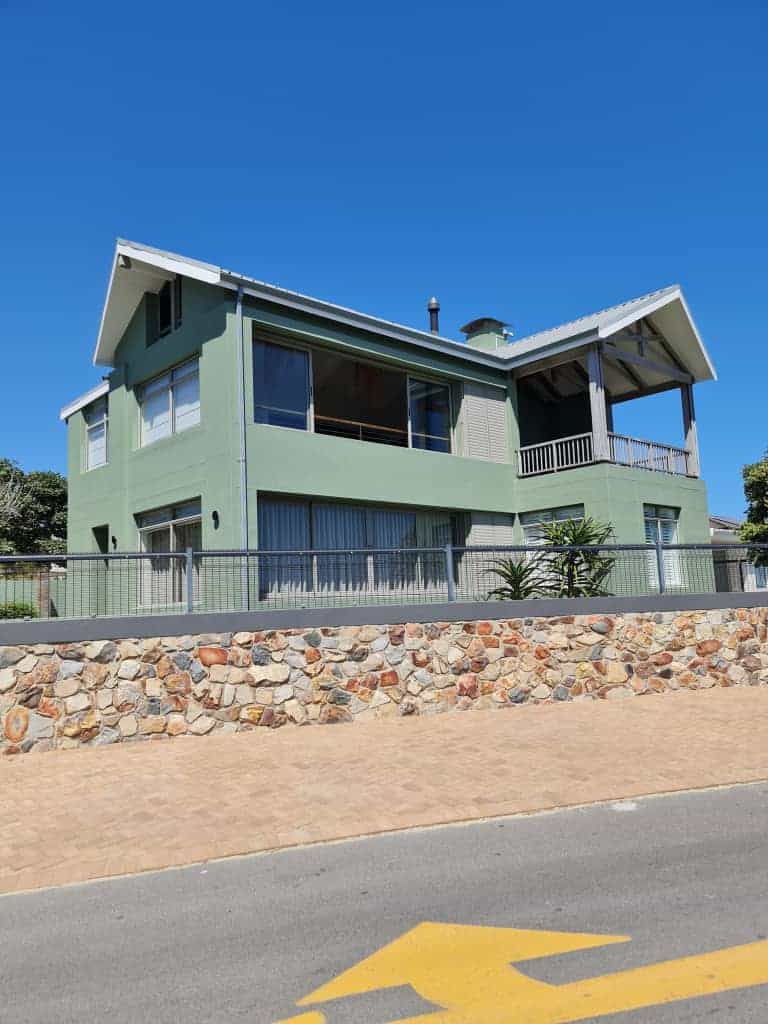
Real Constantia Waterproofing Project — Mellow Wood Estate, March 2026

WHY Can Moisture Damage Appear Below the Actual Entry Point?
Water may enter a building through a vulnerable horizontal surface or failed joint and then move through adjoining masonry before producing visible symptoms.
A stain or peeling area beneath a window does not automatically mean the decorative wall coating itself was defective.
Potential entry routes may include:
- A cracked windowsill above the visible staining.
- An unprotected parapet top.
- Open joints around exterior frames.
- Failed waterproofing at a wall junction.
- Water entering from a defective roof or flashing.
Inspection must consider the surrounding construction. In difficult cases, further specialist investigation may be necessary to confirm the source.
WHAT IF a Boundary Wall Keeps Peeling After Waterproofing?
Boundary walls and retaining walls can experience moisture from multiple directions.
Water may enter through the top, but it can also move from garden soil, irrigation, groundwater or the soil-facing side of a retaining structure.
Waterproofing the accessible top surface can help address appropriate rain-entry defects. It cannot permanently stop water travelling from below or from inaccessible backfill.
Some boundary walls lack an effective damp-proof course. Painting cannot create a missing barrier inside the wall.
Suitable vapour-permeable decorative systems may be considered where appropriate, but their performance remains subject to continuing moisture exposure.
For a fuller explanation, read our Southern Suburbs boundary wall painting guide.
WHAT IF Waterproofing Fails Again After a Previous Repair?
Recurring failure may indicate that the original repair did not address every relevant condition.
Possible reasons include:
- Continuing structural or joint movement.
- Unsound plaster beneath the waterproof coating.
- Moisture entering from another unprotected location.
- Incompatible materials or unsuitable preparation.
- Damage to previous waterproofing from weathering or maintenance.
- Water pressure behind a retaining wall.
- Ongoing plumbing, roof or drainage defects.
The correct response is to reassess the problem rather than automatically applying another coat over the same failed material.
WHEN Is the Best Time for Exterior Waterproofing in Constantia?
Waterproofing work depends on a suitable weather window, surface condition, substrate moisture, temperature and the specified product’s application requirements.
Cape Town’s winter rainfall can expose existing leaks and defects, but repeated rain may delay preparation and coating until surfaces are suitable.
Shaded Constantia walls can remain damp longer than sunny elevations of the same property.
Direct summer sunlight may create excessive surface temperatures for some coating systems. The manufacturer’s instructions must take precedence over a fixed calendar recommendation.
See our Southern Suburbs seasonal painting guide for more information.
WHAT Does a Waterproofing Quotation Need to Include?
A detailed quotation should identify the actual surfaces and repairs rather than use the word “waterproofing” as a substitute for a specification.
- Which parapets, windowsills, wall tops and joints are included.
- The observed cracks, defective seals and damaged coatings.
- What previous material must be removed or prepared.
- Whether plaster repairs are included.
- The specified waterproofing product and intended application.
- Compatible primers and decorative finishing systems where required.
- Access, height and property-protection requirements.
- Any roofing, plumbing, drainage or structural work excluded.
- Conditions that may require further investigation.
- Warranty duration and exclusions relating to continuing water entry.
Two quotations can differ significantly because one includes repairs and appropriate preparation that another excludes.
Our detailed painting quotations guide explains how to compare scope and materials.
What Guarantees Apply to Waterproofing and Exterior Painting?
Workmanship and materials guarantees depend on the actual contracted scope and written conditions.
For suitable main-building painting work, our standard guarantee is generally three years. Boundary and perimeter wall painting generally carries a separate 12-month guarantee, subject to the written quotation and relevant exclusions.
A waterproofing treatment does not automatically create a blanket guarantee against every possible future leak in a building.
Manufacturer or supplier warranties apply only where the specific products, preparation and documented project conditions qualify. Technical involvement from a supplier does not by itself establish an unlimited warranty.
Uncontrolled ground moisture, defective structural movement, ongoing backfill water or new failures elsewhere may remain outside the painting-related waterproofing scope.
Waterproofing and Exterior Painting Across Constantia
We assess suitable exterior waterproofing requirements for homes and estate properties in Alphen, Nova Constantia, Bel Ombre, Constantia Heights, Deurdrif and the wider Constantia area.
For exterior repainting with related preparation, visit Exterior Painters Constantia.
For broader services and our established local painting history, visit the Painters Constantia flagship page.
Our Damp Proofing Cape Town service provides additional context for moisture-related preparation and damp symptoms. The distinction between controlling an external water-entry route and treating moisture-affected finishes remains important.
Request a Constantia Waterproofing Assessment
If your exterior walls show recurring moisture-related paint failure, cracked parapets, deteriorated windowsills or failed exterior seals, contact Painters Cape Town for an inspection.
We provide written quotations describing the proposed preparation, suitable waterproofing repairs, coating system and important limitations.
Helpful Constantia Waterproofing Guides & Projects
See our original Constantia projects and learn why preparation, cracks, failed joints and moisture sources must be considered before exterior repainting.
Silverhurst Estate Waterproofing & Painting
Original 2026 evidence of horizontal waterproofing, failed sealing, concealed substrate problems and Dulux technical involvement.
Mellow Wood Waterproofing Renewal
A completed Constantia project involving renewal of older horizontal waterproofing, flexible joints, cracks and exterior coating preparation.
Exterior Painters Constantia
Preparation-first painting of exterior masonry, timber and other building surfaces, supported by genuine local work.
Plaster Repairs & Crack Treatment
Learn why hairline, map and movement-related cracks need different preparation before waterproofing or painting.
Boundary Wall Painting & Moisture
Understand irrigation, ground moisture, missing damp-proof barriers and why coating the accessible face cannot cure every problem.
Damp Proofing Cape Town
Further information about moisture symptoms, appropriate assessment and the limitations of decorative coating treatments.
Detailed Painting Quotations
What preparation, repairs, products, limitations and exclusions should a written painting or waterproofing quotation explain?
Waterproofing Constantia FAQs
What waterproofing work does Painters Cape Town undertake in Constantia?
We assess and undertake suitable painting-related waterproofing and surface repairs, including applicable parapets, windowsills, wall tops, exterior cracks and failed joints, subject to inspection and the written scope.
Do you have completed waterproofing projects in Constantia?
Yes. Our completed 2026 Silverhurst and Mellow Wood Estate exterior projects included documented horizontal waterproofing, crack preparation and joint repairs.
Which waterproofing product was used on Constantia project surfaces?
Applicable prepared horizontal masonry at Silverhurst and Mellow Wood received specified Dulux Rainshield treatment. Product selection for a new project depends on the substrate and manufacturer requirements.
Why does paint peel below windowsills and parapets?
Rain may enter through cracked or poorly protected horizontal masonry, defective joints or failed sealants. Visible coating failure can develop below the original water-entry point.
Can waterproofing paint permanently stop rising damp?
No. Surface waterproofing cannot create a missing damp-proof course or permanently stop uncontrolled moisture entering from the ground or behind a wall.
Should expansion joints and window seals be repaired before painting?
Failed flexible joints and perimeter seals should be assessed and repaired where included in the scope. Movement joints require suitable flexible materials rather than ordinary rigid fillers.
Do moisture-meter readings prove where a leak originates?
No. Moisture readings are interpreted together with the substrate, position of the defect and surrounding physical evidence. They do not independently identify the exact source.
Can you waterproof a retaining wall from the painted side?
Painting or coating the accessible face cannot reliably replace missing rear-face waterproofing, drainage or structural repairs. Continuing soil or backfill moisture may require specialist investigation.
When is the best time for exterior waterproofing in Constantia?
Work requires suitable weather, substrate moisture and temperature conditions for the specified system. Winter rain and prolonged shade may delay coating application and drying.
What should a Constantia waterproofing quotation include?
The quotation should identify the affected surfaces, visible defects, preparation, proposed products, included repairs, access, exclusions and limitations relating to unresolved water entry.

Copyright 2026 , all rights reserved.