Newlands Village Exterior Project
Original evidence of peeling coating, map cracking, mould, alkali-related deterioration and moisture-sensitive masonry.
PEELING & BUBBLING PAINT NEWLANDS
Find out why paint peels, bubbles, powders or loses adhesion before spending money on another repaint.
Our original Newlands Village and Fernwood Estate 2026 exterior projects document failed coatings, moisture symptoms, cracked plaster and actual preparation decisions on different properties.
27 years' painting-contractor experience - Original local evidence - Employed painters - Written diagnostic quotations
The February 2026 exterior project documented peeling paint, map cracking, mould, alkali-related deterioration and moisture-sensitive masonry.
The May 2026 project recorded weathered and peeling coatings, chalkiness or efflorescence, failed seals and damaged plaster.
Original Protimeter readings were 12%-19% at Newlands Village and 8%-22% at Fernwood Estate, interpreted alongside visible defects.
Weak previous coatings, powdery plaster, biological growth, cracks and failed water-entry details are considered before finishing.
A failed previous coating, moisture-affected wall and moving plaster joint do not automatically require the same repair system.
Full-time employed painters, working-foreman supervision, 27 years' experience and written diagnostic quotations.
Painters Cape Town assesses peeling, blistering, chalking and other failed paint coatings on suitable Newlands properties before recommending surface preparation and repainting.
A patch of bubbling paint is evidence that something has affected the paint film or its adhesion. It does not, by itself, establish that the wall has rising damp or that simply applying a waterproof paint will correct the problem.
Possible causes include moisture entry, weak previous coatings, poor preparation, contamination, plaster cracking, incompatible products or continued movement.
Our approach starts with the condition of the actual building. The cause and appropriate repair must be considered before a new finishing coat is specified.
Bubbles can form when the paint film separates from the underlying surface. Moisture may contribute, but poor adhesion and other conditions can produce similar symptoms.
Peeling occurs where a coating loses adhesion to plaster, timber, a primer or an older coating layer. Repainting over unstable material can cause the new paint to detach with it.
Some coatings become powdery as they weather. Weak chalky residue can interfere with a new paint system unless properly cleaned or stabilised using a compatible preparation method.
Moisture moving through cementitious masonry may transport soluble salts or contribute to alkaline conditions. These can affect the appearance and performance of susceptible coatings.
Cracked plaster, deteriorated opening seals and moving joints may permit water entry or contribute to coating failure. The affected building detail requires attention, not merely the visible paint film.
Our documented 9-20 February 2026 Newlands Village exterior project involved an older home with peeling coatings, mould, map cracking, hairline and wider plaster cracks, failed seals, open expansion joints and alkali-related deterioration.
Original Protimeter readings ranged from 12% to 19% in relevant inspected areas.
The problem was not limited to the visible paint. Cracked horizontal masonry, vulnerable wall tops and continuing moisture limitations on some boundary and lower walls were recorded in the inspection.
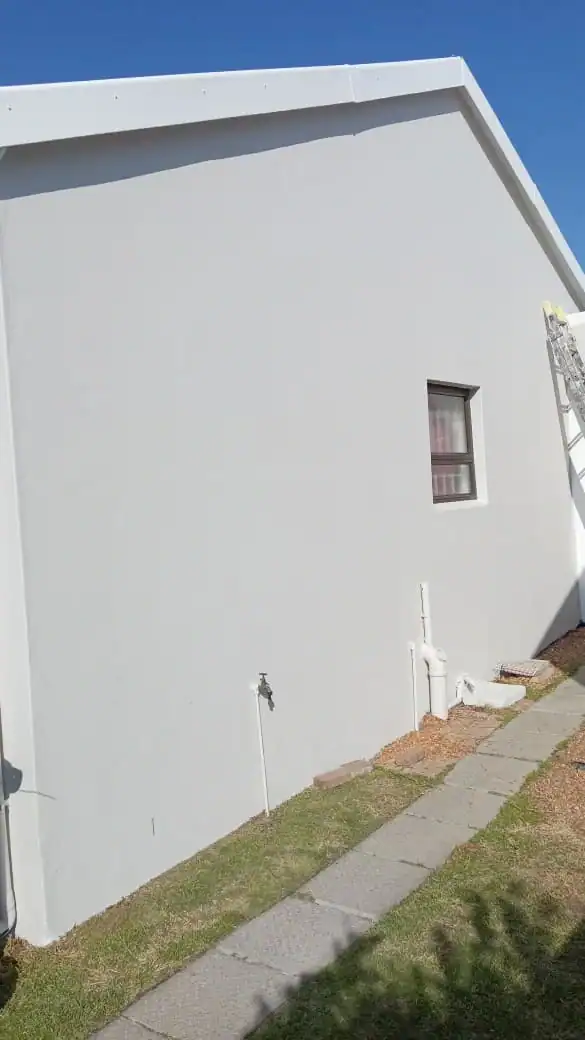
The written scope included removal of unstable paint, appropriate fungal treatment, plaster repairs, flexible sealing, moisture-related preparation and waterproofing of suitable horizontal masonry.
The original project illustrates why repainting a wall without considering the surrounding building details may allow defects to recur.
Read the Complete Newlands Village Exterior Project
Our second original project, completed from 4-11 May 2026, demonstrated a different maintenance problem at Fernwood Estate.
The inspection documented peeling and weathered paint, high chalkiness or efflorescence, vertical and horizontal cracking, deteriorated window and door seals, exposed plaster-band junctions, and vulnerable windowsills and parapet areas.
Protimeter readings ranged from 8% to 22% in the relevant areas.
This project showed why a comparatively modern property may still require extensive surface preparation before a decorative repaint.
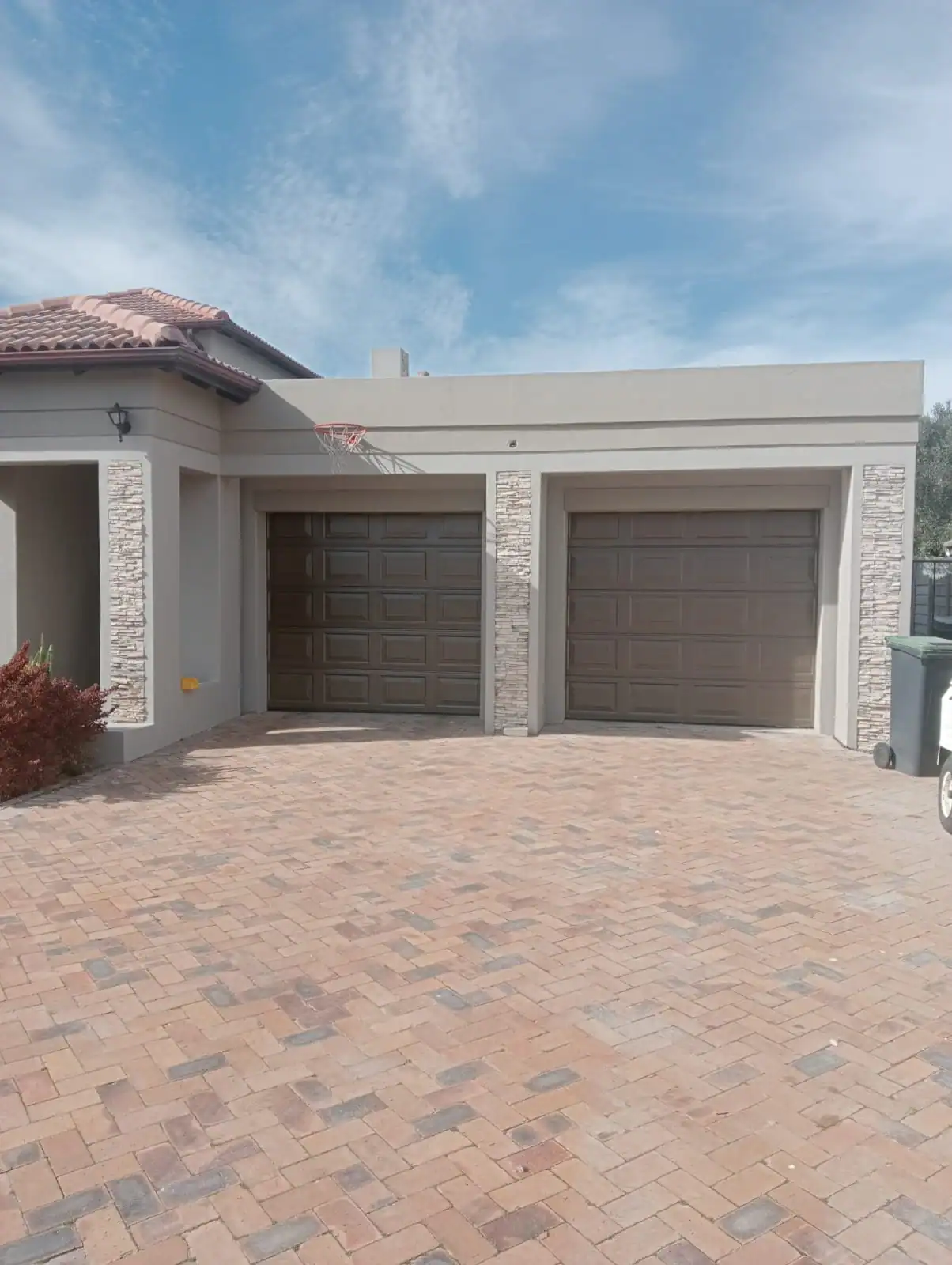
Where affected plaster was chalky or powdery, the written specification required suitable cleaning, stabilising preparation and compatible priming before new finishing coats.
Read the Fernwood Estate Exterior Painting Case Study
No. Moisture is one possible contributor, but a visible bubble does not identify the specific moisture mechanism.
Water may enter through cracked windowsills, failed sealants, damaged parapets, plumbing defects or other routes. Alternatively, the problem may mainly involve weak adhesion or unstable earlier paint layers.
Ground-related moisture can be important on boundary or lower walls, but it should not be diagnosed from the location of a paint bubble alone.
Our Damp Proofing Newlands service explains the separate assessment and preparation of moisture-affected masonry.
A moisture instrument can help compare inspected areas and identify surfaces that may need more investigation.
However, a displayed Protimeter percentage is not automatically a laboratory measurement of the plaster’s water content. It also does not establish the source of moisture by itself.
Our Newlands inspections combined readings with physical evidence, including coating damage, cracking, failed perimeter seals and construction details.
Repeated peeling or bubbling may occur when unsuitable previous coating remains beneath the new paint, plaster is unstable, cracks continue moving or an underlying moisture source remains active.
A neatly finished surface can still fail if preparation has only concealed the visible symptoms.
For that reason, painting specifications should distinguish the condition of the substrate from the finishing product and any external defect that requires separate repair.
Hairline cracks, wider defects and map cracking can affect coating performance in different ways. The presence of cracking may also indicate movement, previous repair failure or unstable plaster.
Both original Newlands projects included different crack preparation systems, rather than relying on one filler for all conditions.
Visit Wall Preparation and Crack Repairs Newlands for those separate repair decisions.
Rainwater can enter through deteriorated window or door seals, cracked parapets, exposed wall tops and movement joints.
In both original Newlands exterior projects, applicable horizontal masonry and flexible joints received separate specified preparation and repairs before the final painting.
This is different from applying a finishing coat across every surface. For appropriate accessible water-entry details, see Waterproofing Newlands.
Newlands’ rainfall, mature trees and shaded elevations can influence how quickly walls dry after wet weather. Leaf debris may also contribute to blocked gutters or repeated overflow onto adjoining masonry.
Those conditions do not make every wall defective. The problem arises when contamination, prolonged wetting, weak previous coating or accessible building defects affect preparation and adhesion.
Mould and algae should be suitably treated before repainting. Exterior coating should proceed only when substrate and weather conditions meet the selected manufacturer’s requirements.
We inspect peeling, bubbles, powdering, discolouration, the condition of surrounding coating and any relevant water-sensitive details.
Previous adhesion, contamination, plaster stability, cracks, moisture exposure and building joints are considered before selecting a repair.
Loose coating, unsuitable previous repairs and other weak material are prepared to a suitable stable substrate where required.
Applicable cracks, seals, water-entry details or substrate problems are repaired within the agreed scope. Structural or concealed problems may require separate assessment.
Prepared surfaces receive compatible primers and finishing coats under the specified drying and curing conditions.
Our employed painting team works under working-foreman supervision, with the completed painting checked against the agreed scope.
Paint failure on a garden or boundary wall may be affected by soil moisture, irrigation, backfill or water entering from an inaccessible opposite face.
The original Newlands Village project documented continuing moisture limitations on certain boundary and lower foundation walls.
Decorative painting cannot create a missing damp-proof course inside masonry. The appropriate coating and maintenance expectations should therefore be explained honestly.
Read Boundary Wall Painting Newlands for the separate wall-construction and moisture considerations.
The cost depends on how much paint has lost adhesion, how far the damage extends, whether plaster repairs are required, the presence of cracks and water-entry details, height, access and preparation labour.
A small visible blister may be a limited defect or may form part of a larger area of weak coating. An accurate price requires inspection of the actual substrate and proposed repair scope.
Our written diagnostic quotations identify relevant preparation, materials and exclusions. For further advice, read the Detailed Painting Quotations and Specifications Guide.
For suitable exterior repainting once defects have been addressed, see Exterior Painters Newlands.
For affected plaster, visit Damp Proofing Newlands or Wall Preparation and Crack Repairs Newlands.
Return to the main Painters Newlands page for all local painting services and established completed-work history.
Contact Painters Cape Town for a direct inspection and written diagnostic quotation for suitable failed-paint preparation and repainting.
Original painting evidence and relevant steps for investigating failed coatings.
Original evidence of peeling coating, map cracking, mould, alkali-related deterioration and moisture-sensitive masonry.
See documented chalky plaster, peeling paint, failed seals, cracking and different preparation systems.
Learn how moisture-affected plaster and paint should be assessed before specifying a new coating.
Why crack types, movement and unstable previous plaster can affect paint performance.
Understand continuing moisture from soil, irrigation and backfill, and the limitations of decorative coatings.
Preparation and painting of damaged exterior plaster, weathered coatings and other suitable substrates.
Moisture, weak adhesion, unstable previous coatings and other substrate conditions can contribute. The actual wall must be assessed before repairs are specified.
No. A bubble or moisture-meter reading does not independently identify rising damp or any one water-entry source.
Yes. Our Newlands Village and Fernwood Estate 2026 projects document different coating failures, plaster conditions and preparation decisions.
Applying new paint over unsound coating can lead to further failure. Unstable areas require appropriate preparation to a suitable substrate.
Yes, particularly where continuing water entry, movement, ground moisture or unstable underlying coatings remain unresolved.

Copyright 2026 , all rights reserved.