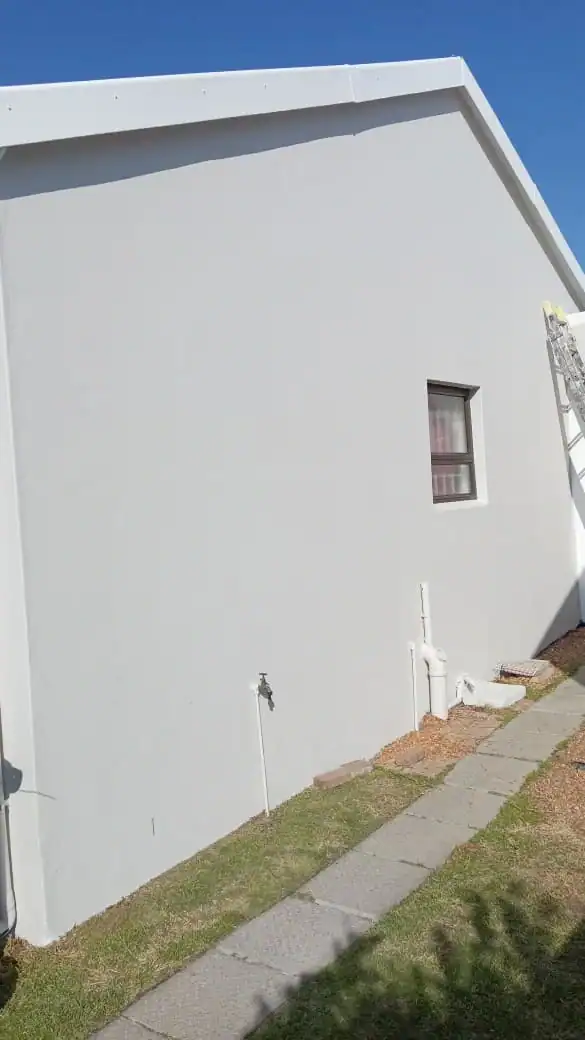
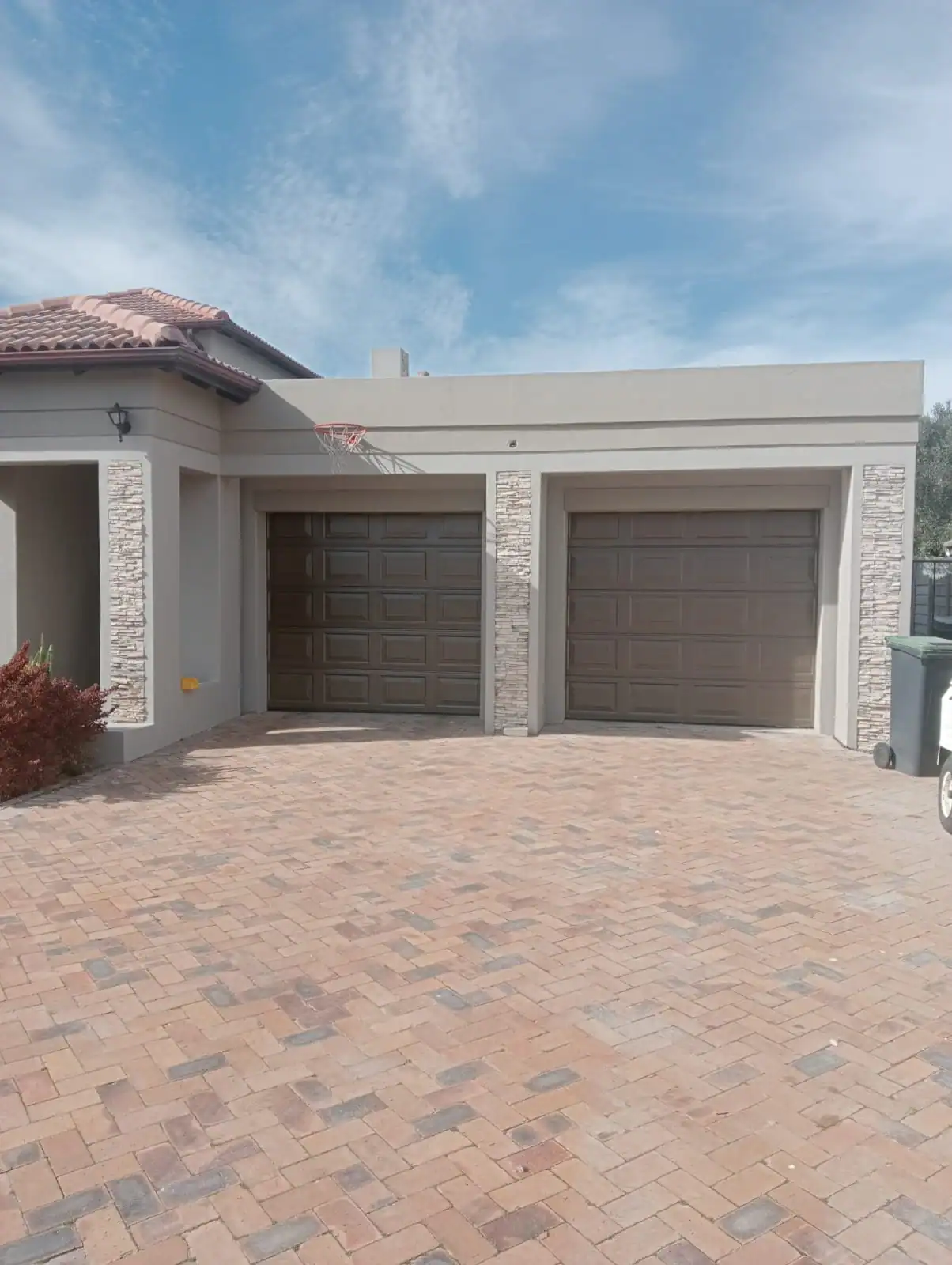
Fernwood Avenue, Lower Fernwood
9 July 2008: Roof and exterior painting.
19 November 2015: Exterior painting.
Historical experience with painting established residential properties in the Fernwood area.
EXTERIOR PAINTERS NEWLANDS
Exterior painting for Newlands Village cottages, Fernwood homes, established residential properties, estate houses and suitable managed buildings.
Our completed-work records date back to 2008, while two original 2026 Newlands projects demonstrate actual plaster, moisture, crack, waterproofing and coating preparation.
27 years' contractor experience - Full-time employed painters - Written diagnostic quotations - Working-foreman supervision
Choose a service or see the actual painting work.
Our historical register records exterior painting at Fernwood Avenue, Upper Paradise Road, Cannon Street, Montebello Road, Newlands Avenue and local estates.
Newlands Village and Fernwood Estate provide genuine photographs, dated work, recorded moisture readings and detailed exterior preparation evidence.
Our Newlands Village project recorded 12%-19% meter readings; Fernwood Estate recorded 8%-22%, alongside different visible defects.
Winter rain, mature trees, shaded plaster and vulnerable roofline details are assessed when relevant before exterior preparation and coating.
Our full-time employed painters complete preparation and painting under working-foreman supervision, rather than subcontracted painting crews.
27 years' contractor experience, written diagnostic quotations, major paint-supplier approval and Public Liability Insurance through OUTsurance.
Painters Cape Town provides preparation-first exterior painting for private homes, cottages, estate properties and suitable managed buildings in Newlands.
Our exterior painting work can include plaster walls, exposed masonry, suitable timber, fascia boards, painted steel, fibre cement, exterior ceilings, parapets, windowsills and boundary walls, depending on the agreed scope.
Newlands contains an unusually varied mix of older properties, established family homes and more modern buildings. Its rainfall, tree cover, shade and building condition can influence how exterior surfaces weather and dry.
We inspect the actual building before preparing a written diagnostic quotation. The proposed coating system follows the substrate and its condition, not simply the exterior colour selected.
Our owner-confirmed completed-work register documents residential and estate exterior painting from 2008 through 2025, well before the two original 2026 case studies.
9 July 2008: Roof and exterior painting.
19 November 2015: Exterior painting.
Historical experience with painting established residential properties in the Fernwood area.
29 January 2009: Roof and exterior painting.
16 March 2013: Exterior painting.
28 August 2019: Interior and exterior painting.
17 February 2025: Roof and exterior painting.
9 December 2008: Exterior painting.
26 November 2010: Interior and exterior painting.
25 February 2015: Exterior painting.
11 May 2024: Roof and exterior painting.
16 September 2011: Exterior painting.
21 November 2018: Interior and exterior painting.
19 March 2024: Exterior painting.
Dates come from our historical completed-work register and may be recorded assignment dates rather than exact completion dates. Repeated street or estate entries may concern different properties. These records do not imply endorsements, estate-wide contracts or separately photographed case studies.
Our two original 2026 project pages demonstrate different exterior maintenance problems: an older Newlands Village property and a comparatively modern Fernwood Estate home.
These are genuine original project photographs. Meter display readings were interpreted alongside physical defects and are not laboratory water-content measurements or standalone proof of rising damp.
Newlands lies on the wetter eastern slopes of Table Mountain. On individual properties, mature trees, shaded elevations and winter rainfall may keep certain surfaces damp after nearby exposed walls have dried.
The risk is not that every Newlands wall is permanently wet. It is that painting an inadequately dry or contaminated surface can undermine adhesion, curing and future performance.
We consider recent rainfall, forecast weather, actual wall condition, substrate dryness, temperature and the coating manufacturer’s application requirements before proceeding.
Read the Southern Suburbs Best Time to Paint Guide for practical seasonal considerations.
Older homes may contain successive coats of paint, historical plaster repairs, timber details, earlier waterproofing and different generations of construction materials.
One section of old paint may remain sound while another has become chalky, powdery or weakly adhered. Proper inspection helps determine whether local repairs or more extensive coating removal are appropriate.
The Newlands Village project documented fine and wider plaster cracks, map cracking and alkali-related deterioration. The repairs were selected according to those different defects before the final finishing coats.
For further technical information, read the Plaster Repairs and Crack Treatment Guide.
Newer construction is not automatically free of coating failure. Fine cracking at decorative plaster bands, defective window sealing, cracked windowsills and failed parapet protection can create routes for water behind a coating.
Our Fernwood Estate project demonstrated these conditions on a comparatively modern private home, with separate treatment of damaged plaster, weathered coating, water-sensitive details and exterior woodwork.
We examine exterior plaster, coating adhesion, visible cracks, windowsills, parapets, seals, timber, Nutec, metalwork and any accessible moisture-entry details affecting the proposed work.
Suitable washing and fungal treatment are specified where required. Loose paint, algae, mould, dirt and chalky material should not simply be sealed beneath decorative paint.
Failed paint is scraped, sanded or otherwise prepared back to a suitable stable substrate. The extent depends on adhesion and the condition of previous repairs.
Hairline, wider and map cracking require appropriate separate methods. Damaged windowsills, parapets, flexible seals and movement joints are assessed before final coating.
Compatible primers, suitable waterproofing and finishing systems are selected for the substrate. The specified products, number of coats and application conditions are explained in the written quotation.
Our employed painting team works under working-foreman supervision, with completed surfaces reviewed against the agreed scope.
Exposed horizontal masonry receives rain directly. Cracks on windowsills, wall tops or parapets can allow moisture into adjoining plaster and cause damage lower down the wall.
Both original Newlands exterior projects included suitable horizontal waterproofing. Their recorded specifications used two coats of Dulux Rainshield on applicable prepared horizontal surfaces, with the second coat applied perpendicular to the first.
These are documented project methods, not universal recommendations for every building. Structural or concealed water-entry problems may require separate repairs.
Flexible sealants around openings can shrink, split or lose adhesion. Rainwater may then enter behind plaster even where the visible external paint appears relatively sound.
The Newlands Village and Fernwood Estate projects included treatment of applicable failed opening seals and movement joints using specified flexible polyurethane systems.
Established trees can also contribute to leaf accumulation in gutters and downpipes. Where overflow repeatedly wets plaster or fascia boards, the drainage problem should be considered rather than only repainting the damaged wall.
For roofs that are suitable for coating, see Roof Painting Newlands. Roof painting is not a substitute for repairing blocked drainage or an active leak.
Exterior timber, fibre cement and masonry require different preparation. Weathered timber may need sanding, feathering old coating edges, priming exposed wood, undercoating and applying a compatible finish.
At Fernwood Estate, the documented exterior woodwork included fascia boards, sprockets, a staircase and handrailing. The Newlands Village project included Nutec fascia and soffit elements requiring their own preparation and coating system.
See the Southern Suburbs Woodwork Preparation Guide for separate timber preparation considerations.
Garden and boundary walls may receive continuing moisture from soil, backfill, irrigation or their inaccessible opposite face. The original Newlands Village quotation identified these limitations directly.
Decorative paint cannot create a missing damp-proof course within masonry or guarantee the elimination of moisture from behind a wall.
These limitations must be considered when choosing a coating and discussing maintenance expectations. The Southern Suburbs Boundary Wall Painting Guide explains the difference between suitable surface protection and underlying moisture control.
An accurate exterior painting quotation depends on actual painted area, building height, safe access, preparation labour, existing coating condition, cracking, moisture-related repairs, waterproofing, timber, primers, materials and working days.
Two similar houses may require different work when one has sound coating and the other has substantial peeling, powdering, failed seals and water-sensitive plaster.
We do not use a generic suburb-wide square-metre or three-bedroom price to conceal these differences. Read the Detailed Painting Quotations and Specifications Guide.
For suitable roof preparation and coating, visit Roof Painting Newlands. If the same property needs internal walls, ceilings or joinery painted, see Interior Painters Newlands.
Return to Painters Newlands for our broader local painting services and original projects.
Contact Painters Cape Town for a direct property inspection and written preparation-first exterior quotation. We explain the scope, coating systems and limitations rather than promise that every defect can be corrected with paint.
Original local projects and useful next steps for preparing exterior surfaces.
Original 2026 evidence of older plaster, map cracking, failed seals, moisture-sensitive walls and extensive preparation.
Original 2026 evidence of chalking, deteriorated seals, cracking, parapet waterproofing and weathered woodwork.
Historical roof work, coating suitability, biological growth, access and the difference between painting and leak repairs.
Why fine cracks, wider plaster defects and movement joints require different repair methods.
Why soil contact, backfill and inaccessible moisture affect coating selection and maintenance expectations.
Preparation of timber doors, windows, fascia boards, exposed wood and weathered previous coatings.
Yes. Our historical register includes exterior painting assignments dating back to 2008, and our Newlands Village and Fernwood Estate 2026 exterior projects have original photographic case studies.
Shade can slow drying after rain. Moisture, contamination, unstable older paint, cracks and failed seals may contribute to failure. The actual wall condition must be assessed.
No. Bubbling may result from moisture, weak adhesion or other coating defects. Meter readings must be interpreted alongside building construction and visible defects.
Yes, where appropriate and included in the specification. Both original Newlands exterior projects included suitable prepared horizontal masonry waterproofing.
No. Decorative paint cannot create a missing damp-proof course or permanently correct continuing moisture entering from inaccessible soil or backfill.

Copyright 2026 , all rights reserved.