
What Does a Durbanville Painting Quotation Actually Cover?
A single-storey home in Eversdal, Durbanville, had an accepted exterior painting quotation of R89,880 for a project we completed on 29 May 2026. The amount included preparation, labour, materials and finishing coats for the specified work. We are not VAT registered, so no VAT was added to that amount.
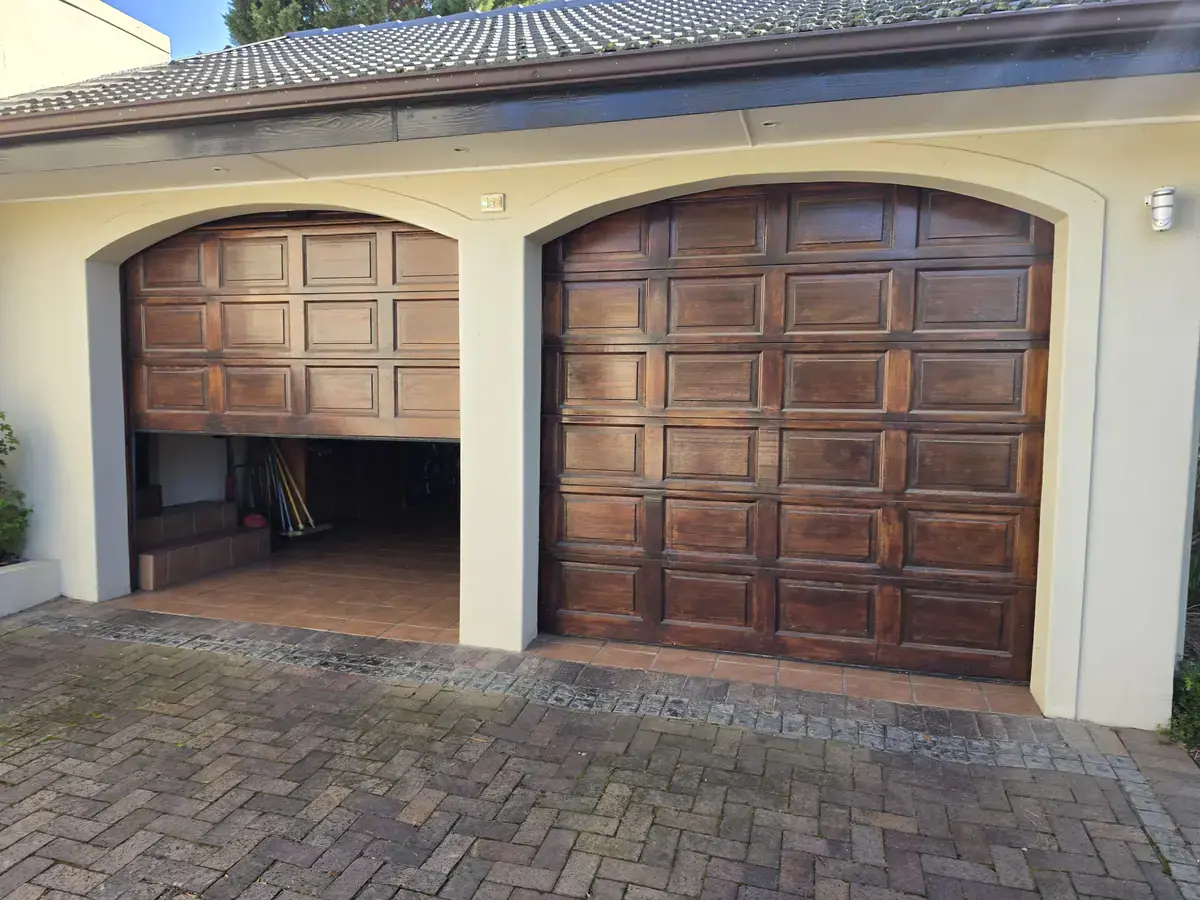
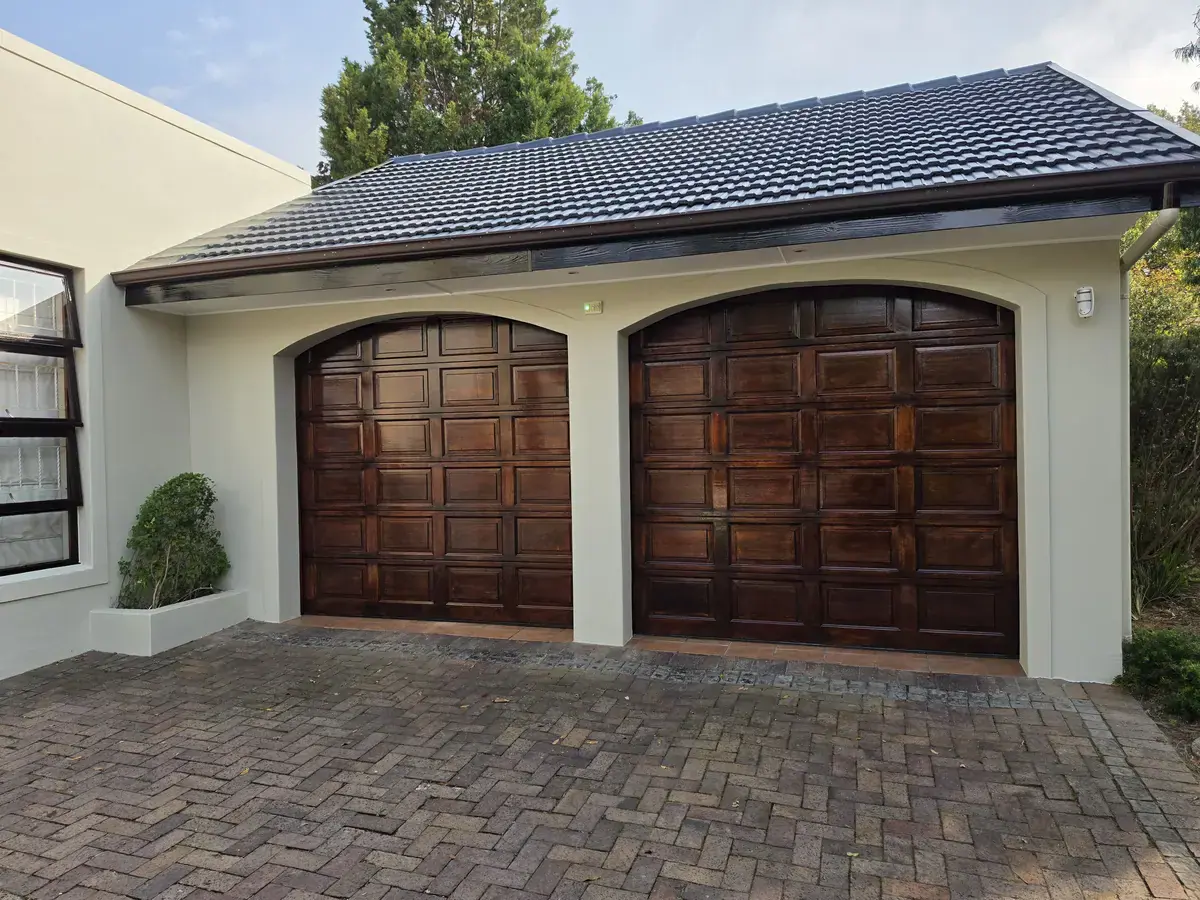
The scope extended beyond exterior walls. It included roof tiles, varnished woodwork, steelwork, Nutec soffits, entrance and garden walls, and the specified waterproofing, damp-related preparation and sealing work. The before-and-after photographs show the garage frontage, which formed part of this wider project.
This is one documented project price, not an average Durbanville painting cost or a fixed-price package. A reliable quotation for your property requires a physical assessment of the surfaces, their condition and the work to be included.
Why We Assess the Property Before Pricing
Measuring the area is only part of assessing a painting project. We also need to inspect the existing coatings, plaster, cracks, sealants, timber, metalwork and any signs of moisture-related deterioration. Those findings determine the preparation and repairs required, the appropriate coating system and the time needed to carry out the work.
Preparation time directly affects the number of working days, labour requirements, transport and project overheads. Materials also vary with the substrate and its condition. A surface with chalking, unstable paint or damp-related damage may require a different preparation and coating specification from a sound surface with minor weathering.
Two houses with identical dimensions can therefore require very different quotations. A home last painted thirteen years ago may need more extensive preparation than one painted eight years ago, but elapsed time alone does not determine the condition. Previous preparation, coating quality, maintenance and exposure also matter. The inspection establishes what each property actually needs.
An upfront square-metre rate cannot establish all of those requirements. To judge whether a price is useful, you need to know which surfaces, preparation, repairs, materials and exclusions it covers. Even a physical inspection has limits: hidden defects discovered during the work must be discussed separately, as explained in the quotation.
This guide uses our Eversdal project to explain how inspection findings shaped the quoted scope. For our local painting services and other completed projects, visit Painters Durbanville.
Eversdal Exterior Painting: What the R89,880 Included
This project involved the exterior of one single-storey private home in Eversdal, Durbanville. The accepted quotation covered several different surfaces, each with its own preparation and finishing requirements.
- Accepted quotation: R89,880.
- Completed: 29 May 2026.
- Property: one single-storey home.
- Work: exterior painting and specified remedial preparation.
- Included: preparation, labour, materials and finishing coats for the agreed scope.
- VAT: no VAT added; we are not VAT registered.
Surfaces Included in the Quotation
- Roof tiles: cleaning, preparation and two coats of Prominent Paints Charcoal roof paint.
- Exterior masonry: main building walls, entrance walls and garden walls, with specified preparation and two coats of Dulux Wallguard.
- Varnished woodwork: fascia boards, pergola and carport rafters, garage doors, and the exterior faces of timber windows and doors up to the rebates. The specified finish was Dulux Woodgard varnish.
- Nutec soffits: preparation and two coats of Dulux Roofguard.
- Steel balustrades and railing: removal of unstable coatings, sanding, spot priming of bare steel and finishing with Dulux Pearlglo water-based paint.
Preparation and Supporting Work Included
The quotation also allowed for protection of working areas, cleaning, treatment of fungal growth, plaster and crack repairs, waterproofing of specified horizontal surfaces, and damp-related preparation. Deteriorated sealants and expansion joints were to be attended to, together with sealing around relevant fittings, protrusions, windows and doors.
Toilet rental was included. The quotation specified working-foreman supervision and contractor site visits. These arrangements formed part of delivering the agreed work, alongside the paint and application labour.
The products listed here record the specification for this particular project. A different property may need a different system following assessment of its surfaces and existing coatings.
Before and After: The Garage Frontage
These photographs show the garage frontage before and after the work, including the timber doors, surrounding walls and tiled roof. This is one part of the wider exterior project covered by the R89,880 quotation.
Why This Total Cannot Be Converted Into a General House-Painting Rate
The accepted quotation was a combined price for the specified exterior work. It was not a walls-only quotation, and it did not provide separate prices for the roof, woodwork, repairs or other components. We therefore do not divide the total into invented item prices or use it to calculate an unsupported square-metre rate.
Its value as a budgeting example comes from understanding the included work and the conditions found during inspection. Another single-storey home could require a substantially different scope, even if its overall size appeared similar.
What the Eversdal Inspection Found
The physical assessment identified more than faded paint. The quotation recorded cracking, deteriorated sealants, moisture-related discolouration, horizontal surfaces requiring renewed waterproofing, and mould stains on the soffits. These findings shaped the preparation included in the price.
Moisture Readings and Discoloured Coatings
The inspection recorded Protimeter readings ranging from 8.8 to 19. These are recorded meter readings, not a claim that the masonry contained those percentages of water by mass. They supported the assessment alongside visible symptoms and the position of the affected surfaces.
The quotation identified moisture-related discolouration and specified Dulux Dampshield preparation for relevant wall areas. This introduced preparation and coating stages beyond a straightforward repaint of sound, dry surfaces.
Additional treatment affects both material requirements and the programme. Preparation, application and specified drying intervals must be allowed for before finishing coats are applied. A moisture reading alone cannot determine the complete repair method or establish that the source of moisture has been resolved.
Cracks in Walls and Horizontal Surfaces
The inspection noted map cracking and cracks affecting walls, windowsills and other surfaces. The written scope distinguished between fine cracks, plaster repairs and movement joints, rather than treating every defect as a simple filling task.
The specified work included opening and cleaning suitable plaster cracks, repairing damaged areas, sanding, priming and applying the relevant protective treatment. Each additional repair area requires labour and materials before the final wall coating can begin.
Deteriorated Sealants and Expansion Joints
Some sealants around windows and doors were beginning to fail. The quotation included inspection and replacement where necessary, together with resealing deteriorated expansion joints and sealing around relevant wall fittings.
Removing failed sealant and preparing a joint for resealing takes time. These tasks are separate from rolling paint onto a wall, even though both may be necessary within the same exterior project.
Horizontal Surfaces Requiring Renewed Waterproofing
The inspection identified existing waterproofing that required renewal on specified horizontal surfaces. The scope included wall tops, parapets and windowsills, using the preparation and Dulux Rainshield treatment set out in the quotation.
These surfaces required their own treatment within the programme. Their length, condition and repair requirements could not be established from the house’s floor area alone.
Cleaning, Fungal Treatment and Different Substrates
Cleaning and removal of unstable material were specified before coating, with fungal treatment for affected areas. Mould staining on the soffits was one of the observations recorded during the assessment.
The roof tiles, masonry, timber, steel and Nutec soffits also required different preparation and finishes. Timber needed cleaning and keying for varnish; steel required attention to loose coatings and bare areas. A single wall-painting rate would not describe this mixed scope adequately.
How Inspection Findings Become Project Costs
The quotation process connects the condition of the property to the work needed. For this project, the practical sequence was:
- Identify the surfaces and defects: establish what is included and what condition it is in.
- Define preparation and repairs: specify cleaning, removal of unstable coatings, crack repairs, sealing and relevant moisture-related treatment.
- Select the coating systems: allow for suitable primers, specialist materials and finishes for each substrate.
- Plan labour and working time: account for the preparation, application stages, drying intervals, access and supervision required.
- Price the complete scope: include materials, labour, transport, site arrangements and project overheads.
This is why we physically assess a property before providing a firm quotation. Surface area helps establish quantities, but the condition and agreed scope determine what must actually be done.
The Quotation Also Recorded What Painting Could Not Resolve
At this property, the quotation recorded boundary and garden walls without an effective barrier against moisture entering from below or behind. It also identified affected foundation wall areas exposed to moisture from the backfilled side.
Preparation and the specified coating system were included, but moisture-related discolouration, bubbling or peeling caused by continuing moisture migration were excluded from the coating warranty. Repainting these surfaces did not amount to a promise that ongoing damp had been permanently eliminated.
Unseen defects and additional work outside the agreed scope were also excluded. If further remedial work became necessary, the quotation required discussion with the client and a separate quotation.
These limitations help explain the price accurately: a defined painting scope should identify both the work included and the conditions that remain outside its control.
For further local examples of inspection findings and repairs, see our guide to peeling and bubbling paint in Durbanville. Roof-specific assessment and quotation factors are covered in our roof painting Durbanville guide.
How to Plan Your Painting Budget
Start by identifying what you want painted. An exterior repaint might include only the main building walls, or it might also cover the roof, boundary walls, timber windows, garage doors, soffits and steelwork. Establishing those priorities helps the contractor assess and quote for the work you actually need.
Our Eversdal example shows why this matters. Its R89,880 accepted quotation covered several substrates and specified remedial work. It should not be used as a starting price, a minimum charge or an estimate for another home.
Have These Details Ready for the Site Visit
- Your intended scope: which walls, roof areas, woodwork, ceilings or other surfaces you want included.
- Known problems: where you have noticed peeling, discolouration, leaks, cracking or recurring damp symptoms.
- Previous work: approximately when the property was last painted and any known repairs or coating products.
- Colour changes: whether you intend to retain the existing scheme or choose different colours.
- Access and timing: occupancy, restricted areas, estate requirements and your preferred working period.
You do not need to diagnose the defects yourself or calculate the paintable area before contacting us. The physical assessment is where we examine the property and develop the proposed scope.
If the Quotation Exceeds Your Budget
Discuss whether the work can be divided into clearly defined stages. For example, optional decorative work may be scheduled separately from necessary repairs. The sequence must still account for defects that could affect newly painted surfaces.
Any revised scope should be recorded in writing, including what is deferred and how that affects the remaining work. Ask whether completing the work in stages would introduce additional setup or access costs.
Reducing the scope is different from omitting preparation required for the agreed surfaces. The quotation should make that distinction clear so you can make an informed decision.
Compare Prices Against the Same Work
When comparing quotations, check that they include the same surfaces, repairs, preparation, coating systems and site arrangements. Confirm whether labour and materials are included, and whether any VAT is added to the stated amount.
An advertised square-metre rate can only be interpreted alongside its assumptions and exclusions. Ask what area is being measured and which tasks the rate covers. A rate for applying paint to prepared walls cannot be compared directly with a complete exterior quotation that includes repairs, roof work, timber and steel.
For broader guidance on assessing a contractor’s proposed work, supervision and accountability, read how to choose a painting contractor in Durbanville.
Arrange a Physical Assessment in Durbanville
We inspect the property before preparing a written quotation for the agreed work. The assessment informs the recorded findings, preparation, materials, finishes and relevant exclusions.
With 27 years of painting experience, full-time employed painters and working-foreman supervision, we provide direct contractor accountability from the assessment through to completion.
Visit Painters Durbanville for our local services and documented projects, or request a free consultation and physical assessment. You can also call 082 374 6862 to discuss your property.
Helpful Durbanville Painting Guides
- Peeling and bubbling paint in Durbanville — three local repair examples explaining inspection findings and the work carried out before repainting.
- Roof painting in Durbanville — assessment, preparation, roof types and quotation factors.
- Painting homes in Durbanville estates — planning for colours, contractor registration, access and working hours.
- How to choose a painting contractor in Durbanville — questions about preparation, quotations, supervision and accountability.
House Painting Costs in Durbanville: Frequently Asked Questions
How much does it cost to paint a house in Durbanville?
A reliable project price requires a physical assessment and a defined scope. Our single-storey Eversdal exterior project, completed on 29 May 2026, had an accepted quotation of R89,880. That included the specified roof, wall, woodwork, steelwork, soffit and remedial work. It is one documented example, not an average price or a quotation for another home.
What did the R89,880 Eversdal quotation include?
It included preparation, labour, materials and finishing coats for the specified exterior scope: roof tiles, main building walls, entrance and garden walls, varnished woodwork, steel balustrades and railing, and Nutec soffits. Specified waterproofing, damp-related preparation, repairs, sealing and toilet rental were also included.
Was VAT added to the quoted amount?
No. We are not VAT registered, so no VAT was added to the R89,880 accepted quotation. That was the total quoted amount for the agreed scope.
Did that price include interior painting?
No. This quotation covered exterior work at one single-storey Eversdal home. It should not be presented as a price for painting the house inside and outside.
Why do you need a physical assessment before quoting?
We need to inspect the surfaces, existing coatings, cracks, sealants and signs of deterioration before defining the work. Those findings affect preparation, materials, coating selection, labour and the anticipated programme. Photographs and dimensions can help an initial discussion, but they do not replace our physical assessment for a firm quotation.
Can the cost be calculated from the house’s floor area?
Floor area alone does not establish the paintable wall or roof area, the amount of woodwork and steelwork, or the condition of those surfaces. It also does not identify repairs, access requirements or exclusions. These details need to be established before the complete scope can be priced.
Are square-metre painting rates useful?
A square-metre rate can help describe pricing for a clearly measured and defined task. An upfront rate without the surface condition, preparation, materials and exclusions cannot establish the full cost of a particular property. Ask what is measured and exactly which work the rate includes.
Why can two similar houses have different painting costs?
Similar dimensions do not mean similar conditions. Previous preparation, coating quality, maintenance, exposure and moisture-related defects can differ. One house may require extensive removal, repairs, sealing and priming while another needs much less preparation. Those differences affect materials and working time.
Does repainting resolve every damp problem?
No. The Eversdal quotation recorded limitations for walls exposed to continuing moisture from below or behind. Moisture-related discolouration, bubbling or peeling caused by that continuing moisture was excluded from the coating warranty. Specified preparation and paint do not amount to a guarantee that every source of damp has been eliminated.
What happens if hidden defects are discovered?
The Eversdal quotation excluded unseen defects and additional work outside the agreed scope. Further remedial work would be discussed with the client and covered by a separate quotation before proceeding with that additional work.
Can painting work be divided into stages to suit a budget?
Discuss this during the assessment. Some work may be scheduled separately, but the sequence must account for defects that could affect newly painted surfaces. Any revised scope should identify deferred work, remaining limitations and possible additional setup or access costs. Necessary preparation for the agreed surfaces should remain part of the scope.
How do I arrange a Durbanville painting quotation?
Contact Painters Cape Town on 082 374 6862 or use our contact page to arrange a physical assessment. Tell us which surfaces you want painted and any known problems, colour changes or access requirements. We can then assess the property and prepare a written quotation for the agreed work.
View our Durbanville painting services and completed projects, or request a physical assessment.