Kenilworth Upper Exterior Cracks
See the original project recording hairline, wider and map cracking, along with moisture-related preparation.
WALL PREPARATION & CRACK REPAIRS KENILWORTH
Preparation of cracked plaster, map cracking, damaged paint, movement joints and unstable wall surfaces before suitable interior or exterior repainting.
Our original 2026 projects at Kenilworth Upper and The Stellenberg document different crack conditions, substrate preparation and flexible repairs.
27 years' experience • Real local repair evidence • Written diagnostic quotations • Employed painters
The April 2026 project documented hairline, 1–5 mm and map cracking, with different treatments specified for each condition.
The May 2026 case records hairline and 1–3 mm wall cracks, a photographed branching crack and moving cornice junctions.
Fine cracks, wider plaster defects and designed movement joints are assessed separately rather than treated with one rigid filler.
Unstable plaster, ongoing movement, moisture and failed previous coatings are considered before surface repairs.
Our diagnostic quotations explain visible defects, applicable repairs, preparation systems, coating materials and exclusions.
Our own painters complete suitable preparation and repainting under working-foreman supervision, without subcontracted painting crews.
Painters Cape Town prepares suitable interior and exterior plaster, cracked masonry, damaged paint and relevant building joints before repainting Kenilworth properties.
Painting over an unstable plaster surface or active crack rarely provides a lasting solution. The new paint depends on the condition and stability of the material beneath it.
Good preparation starts by identifying whether the defect is a fine surface crack, wider plaster damage, continuing movement, weakened previous coating or moisture-related deterioration.
Our service covers appropriate non-structural surface repairs and painting preparation. Significant structural movement or defects outside the painting scope may require separate assessment by a qualified building professional.
Cracks can develop for different reasons, including plaster shrinkage, ageing coating layers, movement between adjoining materials, temperature changes, moisture exposure, previous patching and building movement.
Not every crack indicates a structural problem. However, cracks that widen, repeatedly reopen, accompany displacement or indicate continuing foundation movement should not be assumed to be ordinary cosmetic defects.
It is important to understand the likely cause before choosing a repair method.
Fine cracks may be suitable for a compatible flexible repair system after the surrounding coating and substrate have been assessed. A decorative finishing coat alone may not reliably bridge continuing movement.
Wider defects can need opening, cleaning, compatible patching material, smoothing, priming and suitable crack protection before repainting.
Networks of interconnected fine cracks may extend across a much larger section of plaster than one isolated defect. These areas can need broader preparation rather than simply filling individual visible lines.
Designed movement joints accommodate building movement. They require appropriate flexible treatment where movement continues, not ordinary rigid plaster filler.
Where ceilings, cornices and walls move differently, joint gaps can reappear after rigid filling. Flexible preparation may be appropriate to specified junctions.
Our documented 6–14 April 2026 Kenilworth Upper exterior painting project recorded three distinct crack situations:
The original written specification did not treat these defects as interchangeable.
Fine cracks received the recorded alkali-resistant preparation followed by flexible Dulux Rainshield treatment where applicable.
Wider cracks were prepared as suitable V-joints, cleaned and repaired with the documented compatible patching system before sanding and additional flexible protection.
Where map cracking affected larger sections, the specified treatment addressed the wider affected area rather than only a few visible lines.
These products and methods describe that actual project. The correct solution for another property must be selected from its own crack pattern and substrate condition.
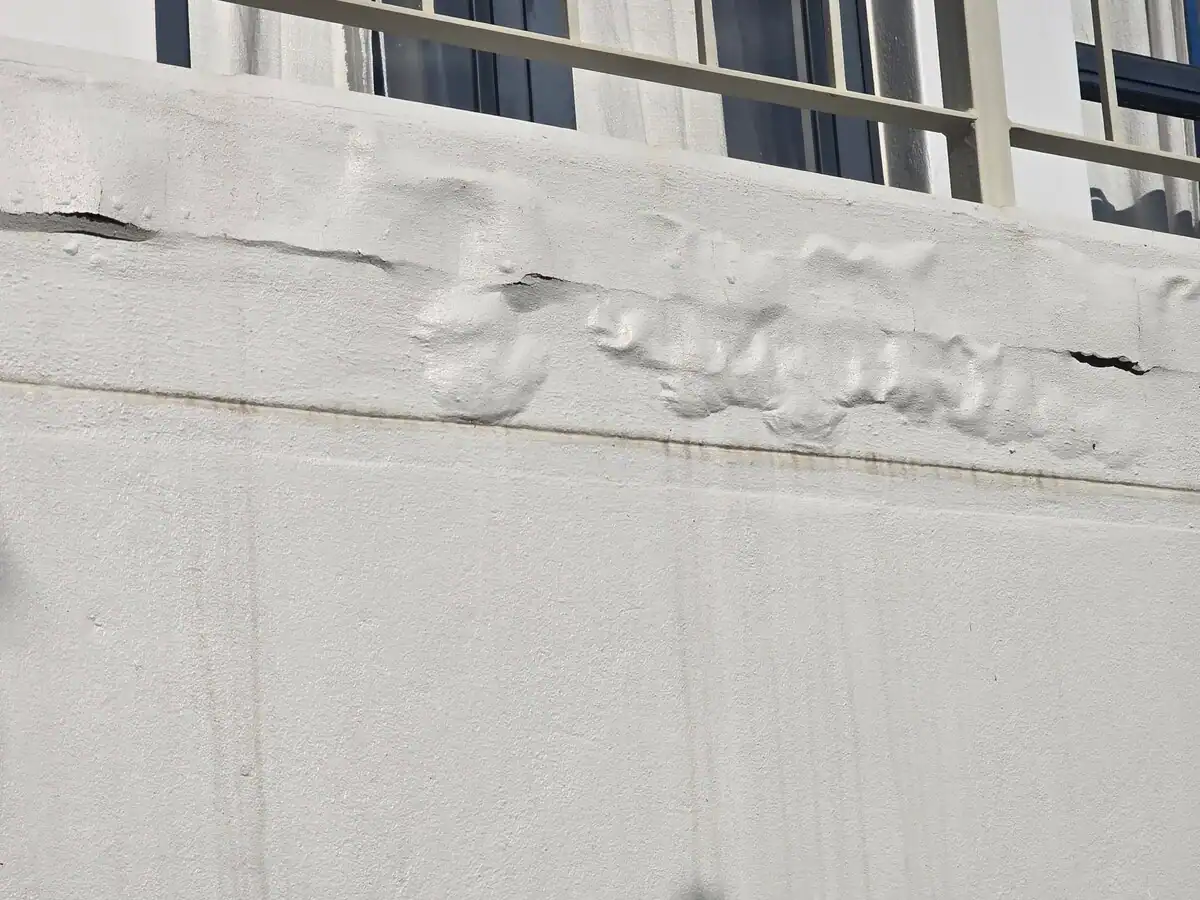
Read the Kenilworth Upper Exterior Painting Case Study for the original preparation and coating specification.
Our second documented case was the complete interior repaint at The Stellenberg, Kenilworth, from 8–28 May 2026.
The inspection recorded hairline wall cracks, wider 1–3 mm cracks and gaps between cornices and adjoining ceilings or walls.
The original project photographs also show branching cracking on one affected wall.
The work specification recognised that the ceiling moved during windy conditions. That movement was relevant to the opening of cornice junctions and the selection of flexible repairs.
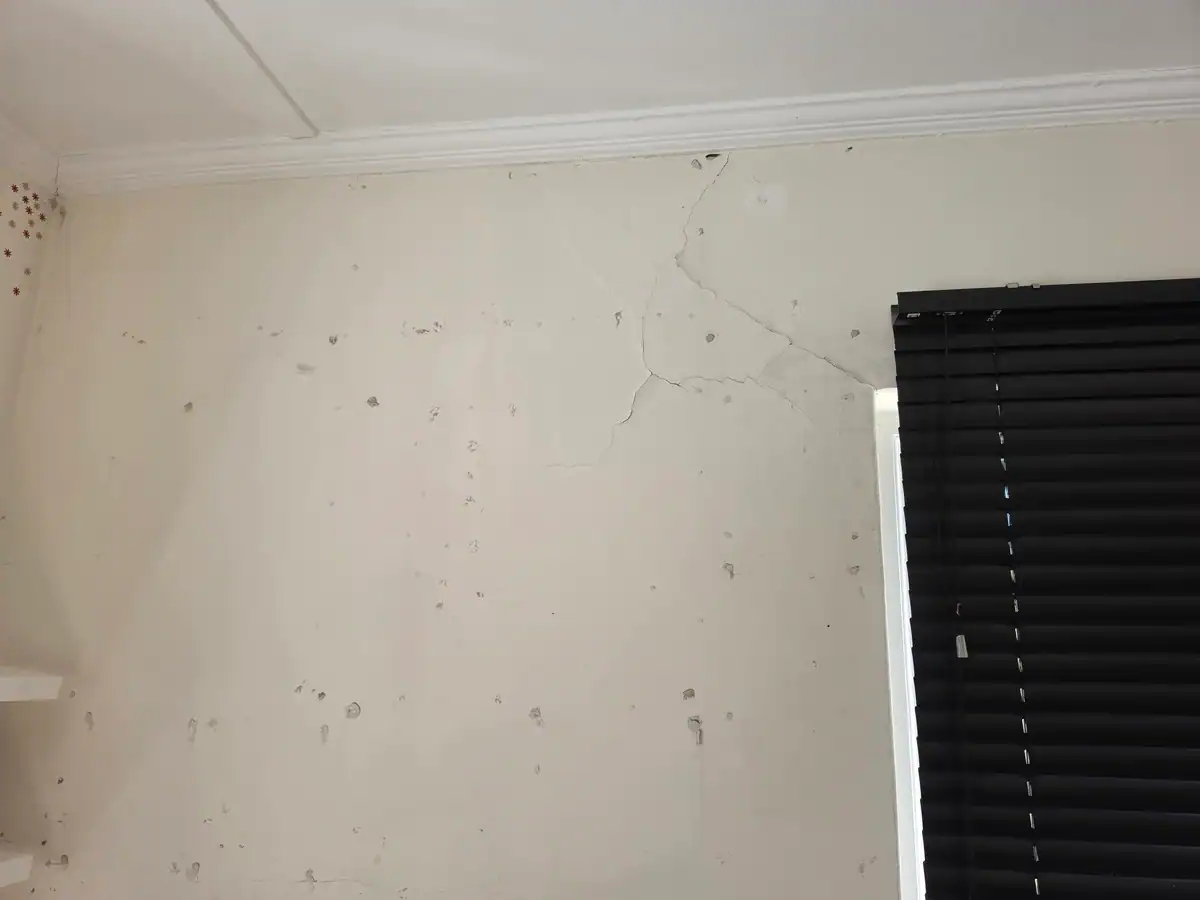
The appropriate preparation included repair of suitable plaster defects and flexible single-pack polyurethane treatment of the specified moving cornice gaps before repainting.
These are real observed conditions rather than a generic claim that all Kenilworth houses suffer the same ceiling movement.
Read The Stellenberg Interior Painting Case Study
Cracks can recur when the plaster or adjoining materials continue moving, the surface beneath the repair remains unstable or the repair material is unsuitable for the defect.
Moisture can further undermine old coatings, plaster and previous repairs. Where a joint was designed to move, a rigid repair may fail even if it was initially finished neatly.
For this reason, a quotation should distinguish normal non-structural surface preparation from a building defect requiring separate investigation.
Open exterior cracks, defective windowsills, failed perimeter seals and damaged parapets can contribute to rainwater entry. Continuing moisture can then affect plaster and paint adhesion.
At Kenilworth Upper, the cracking occurred alongside water-sensitive horizontal masonry and several vulnerable building joints.
For suitable repairs to those exterior details, visit Waterproofing Kenilworth.
Where moisture has already damaged plaster or old paint, Damp Proofing Kenilworth explains the separate assessment and coating-preparation considerations.
Established homes in Kenilworth Upper, Rosmead Avenue and other parts of the suburb can have several generations of coating and earlier plaster repairs.
Old paint can remain sound in one area but become chalky, peeling or poorly adhered in another. A repair that looks satisfactory on the surface may still fail if the surrounding material is unstable.
Preparation therefore begins with the actual condition of the substrate, not simply the location or age of the property.
We examine crack patterns, width, previous fillers, plaster stability, old paint adhesion, moisture symptoms and any movement evidence relevant to the proposed work.
Fine cracks, wider plaster defects and moving building joints are evaluated separately. Significant structural concerns may require an appropriate specialist assessment.
Loose paint is removed to sound edges where required. Unsound plaster and damaged previous repairs are prepared according to the agreed scope.
Compatible patching, suitable flexible materials or other manufacturer-aligned treatments are selected for the relevant defects.
Repaired surfaces require suitable drying and priming according to the substrate and specified finishing system.
Final interior or exterior painting proceeds once the appropriate surface conditions have been achieved. Work is supervised by our working foreman.
Cracks accompanied by material displacement, significant or increasing width, continuing structural movement or other concerning building symptoms may need investigation by a qualified building professional.
Decorative preparation and painting cannot be relied on to correct structural defects. The boundary between surface repair and specialist building work should be made clear before a quotation is accepted.
Winter rainfall, established garden shade and irrigation can influence moisture conditions on exposed plaster. Seasonal expansion, drying and movement may also affect existing joints and repairs.
Application conditions should follow the actual substrate and product instructions rather than assuming that every wall or crack will behave identically.
Cost depends on the number, extent and type of cracks, substrate stability, removal of failed paint, plaster repairs, access, moisture-related work, specialist materials, drying requirements and labour time.
A few isolated stable hairline cracks are not comparable with a façade affected by widespread map cracking, damaged paint and failed movement joints.
Interior ceilings and cornices can also increase preparation time when access, movement and protection requirements are complex.
Our written quotation identifies relevant work and limitations rather than advertising one fixed price per crack or square metre.
For more information, read the Detailed Painting Quotations and Specifications Guide.
After suitable repairs, see Exterior Painters Kenilworth or Interior Painters Kenilworth for the relevant repainting scope.
For water-sensitive cracks and related repairs, visit Waterproofing Kenilworth and Damp Proofing Kenilworth.
Return to Painters Kenilworth for the complete local service and historical painting experience.
Painters Cape Town provides direct contractor inspections and written preparation-first quotations for suitable non-structural plaster, crack and painting repairs. The proposed scope will distinguish surface preparation from structural or inaccessible building defects.
Original crack evidence, related local services and practical repair guidance.
See the original project recording hairline, wider and map cracking, along with moisture-related preparation.
Original evidence of 1–3 mm plaster cracks, branching wall cracks and movement-related cornice gaps.
Understand why cracked sills, parapets and failed movement-joint seals can contribute to water entry.
Learn how moisture conditions affect existing paint, plaster repairs and preparation choices.
Understand why different crack types need different repairs and why some previous repairs reappear.
Preparation and coating of repaired plaster, exterior masonry, windowsills and associated building surfaces.
They can reopen because of continued movement, unsuitable previous repairs, unstable plaster or moisture-related conditions that have not been addressed.
No. Where movement continues, a suitable flexible joint treatment is generally required rather than rigid plaster filling.
Yes. Our Kenilworth Upper and Stellenberg 2026 project reports document different plaster cracks, movement joints and original photographic evidence.
No. Significant or continuing structural movement may require separate professional assessment before cosmetic repair and painting proceed.

Copyright 2026 , all rights reserved.