Documented Kenilworth Interior Painting Project
The Stellenberg Kenilworth Interior Painting Case Study
A documented May 2026 interior repaint involving measurable moisture, visible mould, weathered paint, wall cracking, wind-related cornice movement, failed bathroom sealants and damaged previously painted joinery.
Protimeter readings ranged from 11.2% to 18.7%. The project included Rhinoboard ceilings, cornices, walls, doors, frames, skirting and bathroom joints, with damp-related preparation, fungal treatment and flexible repairs before finishing coats.
Project Evidence
- Private residential interior at The Stellenberg.
- Documented 8–28 May 2026 project.
- Protimeter readings: 11.2%–18.7%.
- Rhinoboard ceilings.
- Cornice-to-wall and cornice-to-ceiling gaps.
- Movement associated with windy conditions.
- Hairline and 1–3 mm wall cracks.
- Visible mould on ceilings and upper walls.
- Damp-related symptoms.
- Peeling and discoloured wall paint.
- Weathered interior coatings.
- Failed bath and basin sealants.
- Chip damage to doors, frames and skirting.
- Dampshield preparation.
- Fungal treatment and stain blocking.
- Working foreman: Riaan.
Real Stellenberg Interior Project Evidence
11.2%–18.7% Readings
Moisture was measured at relevant interior areas and interpreted together with visible damp symptoms, mould and coating condition.
Visible Mould
Several ceilings and upper-wall areas showed visible mould requiring fungicidal treatment before decorative coating.
Movement-Aware Repairs
Cornice gaps associated with ceiling movement during windy conditions received flexible treatment instead of ordinary rigid filler.
Bathroom Sealants
Failed bath and basin joints were included in the scope and resealed with flexible polyurethane after removal of deteriorated material.
Detailed Joinery Preparation
Chip damage and failing paint on doors, frames and skirting were filled, sanded, primed and undercoated before finishing.
Experienced Employed Team
The quotation records Paint Academy-trained painters with at least ten years' experience with the company under working foreman Riaan.
Full Interior Repaint at The Stellenberg, Kenilworth
This documented interior project was completed at The Stellenberg, Kenilworth between 8 and 28 May 2026.
The scope included Rhinoboard ceilings, cornices, walls, doors, frames, skirting and failed bath and basin joints.
Protimeter readings ranged from 11.2% to 18.7%.
What the Original Interior Inspection Found
- Protimeter readings from 11.2% to 18.7%;
- Rhinoboard ceilings;
- gaps between cornices and walls;
- gaps between cornices and ceilings;
- ceiling movement during windy conditions;
- hairline wall cracks;
- 1–3 mm plaster cracks;
- weathered interior paint;
- failing sealant around baths and basins;
- peeling and discoloured paint on some walls;
- chip damage to doors, frames and skirting;
- visible mould on several ceilings and upper walls; and
- other damp-related symptoms and general wear.
Why This Was More Than a Colour Change
The project combined ordinary interior wear with moisture-related preparation, biological contamination, building movement, plaster cracking and damaged joinery.
Each condition needed to be addressed before the final decorative finish could perform properly.
Before Interior Repairs
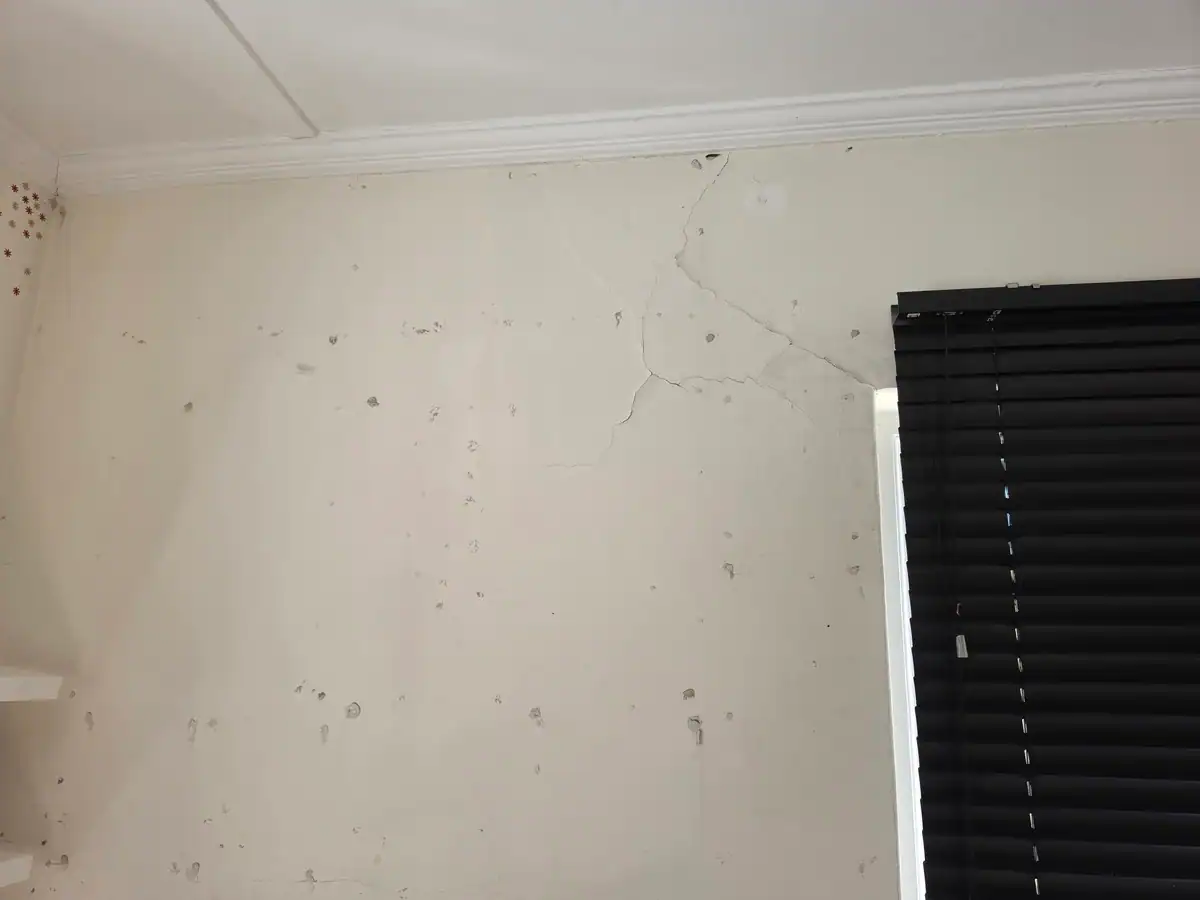
Protimeter Readings of 11.2%–18.7%
The readings showed that moisture conditions varied across the inspected interior areas.
They were interpreted together with visible mould, peeling and discolouration rather than being used as a diagnosis by themselves.
Where active water entry is present, the source still needs to be resolved. A damp-resistant coating is not a replacement for repairing an active leak or plumbing defect.
Protecting the Interior Before Preparation
Flooring and furniture were protected before preparation and painting began.
Electrical covers were removed where practical, and masking was used to create neat junctions around ceilings, walls, doors, window frames and skirting.
Hairline Wall Cracks
Hairline cracks received the documented alkali-resistant sealer followed by flexible Rainshield worked into the crack.
A thin smoothing layer was then applied where required before sanding and wall priming.
1–3 mm and Photographed Branching Cracks
The original quotation records both hairline and 1–3 mm wall cracks, while the project photograph shows a broader branching crack pattern on one of the affected walls.
The aim of preparation was therefore to create a stable repaired substrate rather than simply wipe filler across the visible lines.
Dampshield Preparation
Prepared moisture-affected interior walls received the specified Dulux Pre-Paint Dampshield system.
Higher-reading affected areas received the additional treatment required by the written specification.
Bare affected areas received the documented two-coat Dampshield system with curing time between coats.
Visible Mould on Ceilings and Upper Walls
The quotation specifically records visible mould on several ceilings and upper-wall areas.
A fungicidal wash was specified to clean and kill existing mould before the surface was scrubbed and rinsed.
Stained areas then received the specified universal undercoat where required to reduce staining bleeding through the decorative finish.
Painting over untreated mould would not have been appropriate preparation.
Rhinoboard Ceilings and Water Stains
Ceilings were prepared before coating.
Where water staining was present, the specified universal undercoat was used as a stain-blocking preparation before finishing coats.
Prepared Rhinoboard ceilings received two coats of Dulux Wall & Ceiling.
Wind-Related Cornice Movement
The quotation records gaps between cornices and walls and between cornices and ceilings associated with movement in the ceiling during windy conditions.
These junctions were not treated as ordinary static plaster cracks.
Applicable gaps were filled using the specified flexible single-pack polyurethane before painting.
Interior Wall Finish
After the specified repairs, damp preparation and priming, the walls received two coats of Dulux Luxurious Silk.
Doors, Frames and Skirting
Painted joinery showed chip marks and areas of deterioration.
The preparation included filling damaged areas, sanding smooth, removing loose coating and feathering hard edges.
Bare timber exposed during preparation received Dulux Wood Primer, followed by a full Dulux Universal Undercoat and two coats of Dulux Pearlglo Waterbased.
Bath and Basin Joints
The quotation also recorded failing sealant around baths and basins.
Old deteriorated material was removed where required and the joints resealed using flexible single-pack polyurethane.
This is a small detail, but wet-area joints should not be ignored during a complete interior repaint.
Completed Stellenberg Interior
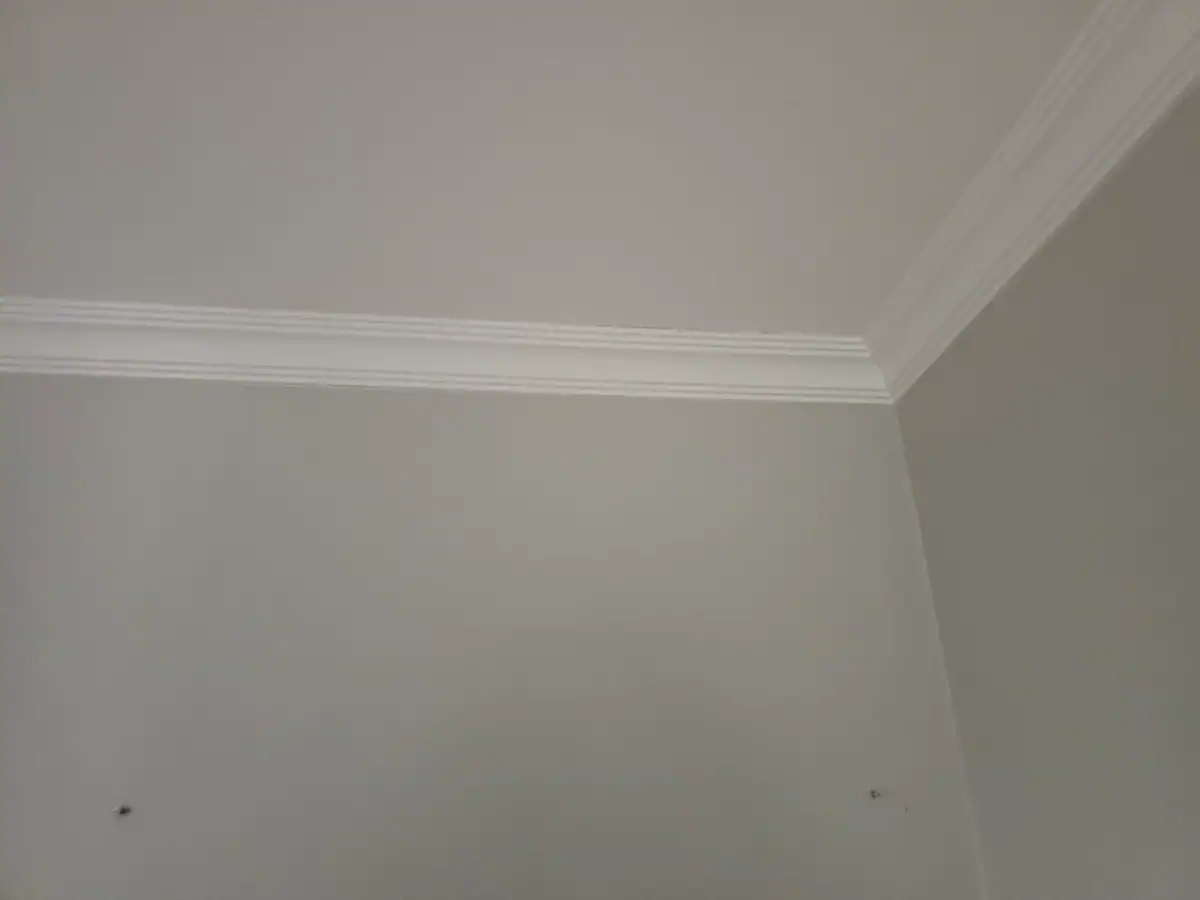
What The Stellenberg Project Demonstrates
This project demonstrates why a full interior repaint should be inspected before it is reduced to litres of paint and square metres.
Moisture, mould, movement joints, wall cracks, bathroom seals, old coating condition and damaged joinery all influenced the preparation specification.
The final appearance depended on those less-visible preparation stages being dealt with first.
Related Kenilworth Painting Services
Return to Painters Kenilworth.
Related services include Interior Painters Cape Town, Damp Proofing Cape Town and Residential Painters Cape Town.
Call 082 374 6862 or visit the Painters Cape Town contact page.
Original Painters Cape Town project photography. Image licensing information.
Helpful Painting Guides
Damp Walls and Repainting
Learn why moisture, active water sources, mould and substrate condition should be assessed before repainting.
Why Paint Peels, Fades and Cracks
Understand how moisture, cracking, weak adhesion and inadequate preparation contribute to paint failure.
Planning a Detailed Home Repaint
See how furniture, floors, joinery and other finishes should be protected and planned before interior preparation begins.
The Stellenberg Kenilworth Painting FAQs
When was the Stellenberg project completed?
The documented interior repaint was carried out from 8 to 28 May 2026.
What moisture readings were recorded?
Protimeter readings ranged from 11.2% to 18.7% in the relevant tested areas.
Was mould present?
Yes. The original quotation records visible mould on several ceilings and upper-wall areas.
How was the mould treated?
The specification included fungicidal washing, rinsing and stain-blocking preparation where required before the decorative finish.
What type of wall cracks were found?
The inspection recorded hairline cracks and 1–3 mm wall cracks, while project photography also shows a broader branching crack pattern on an affected wall.
Why were the cornice joints treated flexibly?
The quotation records ceiling movement during windy conditions. Flexible material was therefore appropriate at specified moving cornice junctions rather than rigid filler alone.
Was Dampshield used?
Yes. Prepared moisture-affected wall areas received the documented Dulux Pre-Paint Dampshield system, with additional treatment to applicable affected and bare areas.
Were ceilings included?
Yes. The project included Rhinoboard ceilings, preparation of stains where required and two coats of Dulux Wall & Ceiling.
What paint was used on the walls?
The documented wall finish was Dulux Luxurious Silk.
Were doors, frames and skirting included?
Yes. Chip damage and failing coating were repaired and prepared before priming, undercoating and the Pearlglo Waterbased finishing system.
Were bathroom sealants included?
Yes. Deteriorated joints around baths and basins were included in the documented scope and resealed where required.
Does Dampshield repair an active leak?
No. A damp-resistant coating forms part of surface preparation. Active plumbing leaks, roof defects or continuing water entry still need to be repaired.
Where can I see your complete Kenilworth service?
Visit the Painters Kenilworth page.

Copyright 2026 , all rights reserved.