The Stellenberg Interior Project
Original May 2026 evidence of ceiling mould, cornice movement, wall cracks and painted joinery preparation.
INTERIOR PAINTERS KENILWORTH
Interior painting for Kenilworth homes, established residential properties, estate houses, apartments, townhouses and suitable occupied interiors.
Genuine interior painting work recorded since 2011, with original technical evidence from our complete May 2026 interior repaint at The Stellenberg.
27 years' painting experience • Employed painters • Property protection • Written diagnostic quotations
Historical interior assignments include Bell Road, Rosmead Avenue, Herschel Road, Salisbury Mews, Robyndale and The Kenilworth estate.
Our May 2026 interior project documents moisture readings, mould treatment, plaster cracks, cornice movement, bathroom seals and painted woodwork.
Weak coatings, damaged plaster, stains, cornice gaps, door chips and damp symptoms are considered before final painting.
Occupied rooms, flooring, furniture, glazing, cabinetry and adjoining finishes are considered in the preparation and work sequence.
Full-time employed painters carry out the agreed work under working-foreman supervision rather than subcontracted painting crews.
27 years' painting-contractor experience, written diagnostic quotations, major supplier approval and Public Liability Insurance through OUTsurance.
Painters Cape Town provides preparation-first interior painting for Kenilworth homes, apartments, estate properties and suitable managed interiors.
Our interior painting scopes can include walls, Rhinoboard ceilings, cornices, doors, frames, skirting and other painted surfaces.
We assess previous coating condition, plaster cracks, moisture symptoms, ceiling movement, mould, damaged joinery and the protection required for occupied rooms before preparing the quotation.
The goal is to deliver a well-prepared, compatible finish rather than merely change the wall colour.
Our owner-confirmed historical completed-work register records interior painting assignments from 2011 onwards. Selected examples include:
18 October 2011 — interior painting.
22 October 2019 — interior and exterior painting.
15 July 2025 — another recorded interior assignment.
6 December 2011 — interior painting in Michael Oak Pocket.
8 August 2014 — interior and exterior painting in the Upper Avenues area.
12 December 2024 — interior and exterior painting in Michael Oak Pocket.
17 March 2013 — interior and exterior painting.
16 July 2022 — interior painting.
8 September 2025 — interior and exterior painting.
17 February 2013 — Salisbury Mews interior painting.
9 December 2013 — Robyndale interior painting.
19 May 2025 — The Kenilworth estate interior painting.
Historical dates are from our completed-work register and may represent recorded assignment dates rather than exact handover. Repeat roads and estate names may involve different properties. Estate names are locations, not endorsements or evidence of an estate-wide painting contract.
Our documented complete interior repaint at The Stellenberg, Kenilworth, took place from 8–28 May 2026.
The scope included Rhinoboard ceilings, cornices, walls, doors, frames, skirting and selected bath and basin joints.
Protimeter readings ranged from 11.2%–18.7% across the relevant inspected areas. The original record also identified visible mould on several ceilings and upper walls, damaged coatings, hairline and 1–3 mm cracks, movement-related cornice gaps, failed wet-area sealants and chipped painted joinery.
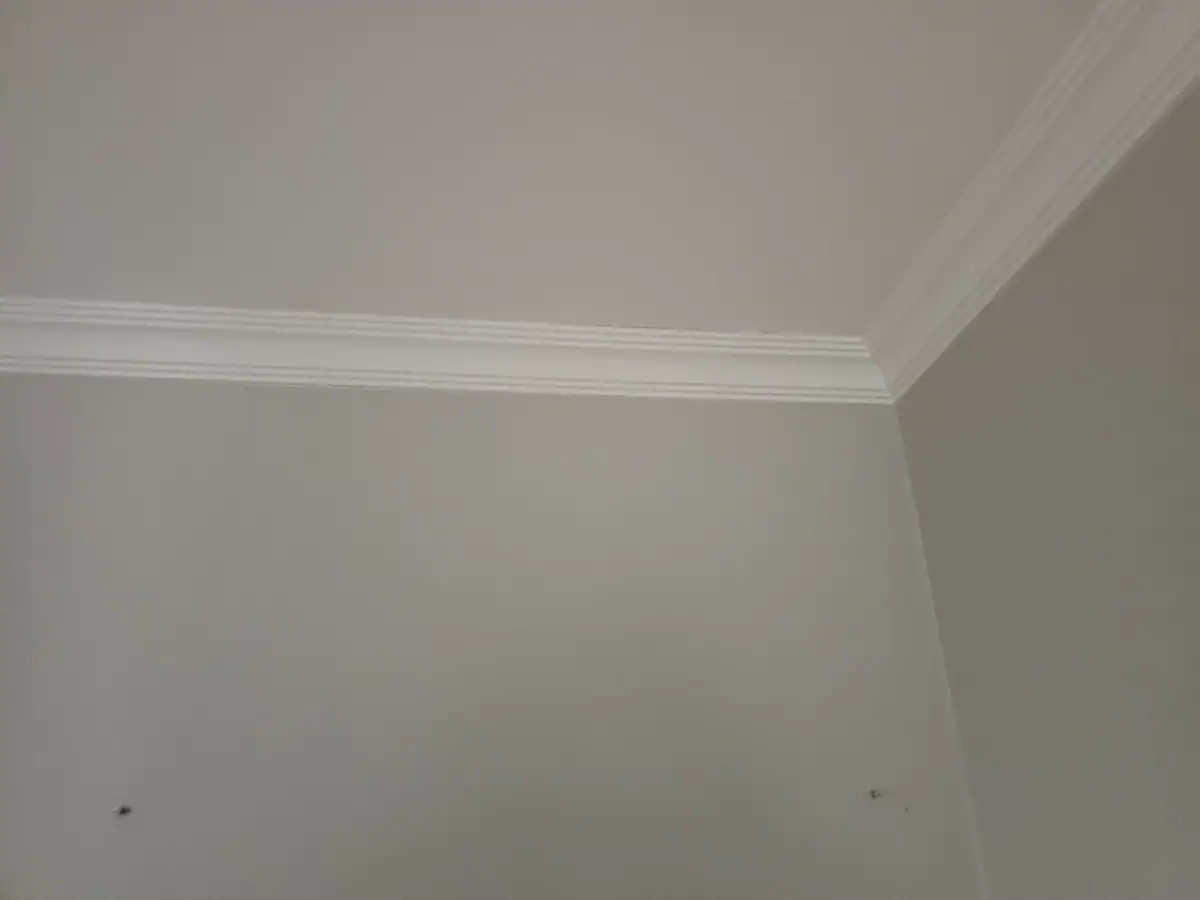
The Stellenberg case demonstrates the importance of assessing moisture, biological contamination, movement and coating condition before the final decorative finish.
Read The Stellenberg Interior Painting Case Study
We review plaster condition, old paint adhesion, cracks, damp symptoms, mould, ceiling movement, timber and the protective arrangements required for the property.
Flooring, furniture, joinery, electrical fittings, glazing and surrounding finishes are considered before cleaning, repairs or painting begin.
Loose coatings are removed to stable material where required. Cracks, damaged plaster and previous repairs receive suitable preparation according to their condition.
Visible mould is treated before coating, while potential damp sources are considered separately. Moisture-related preparation products cannot replace repairs to active plumbing leaks or water-entry defects.
Movement-sensitive cornice gaps, painted doors, frames and skirting are prepared using suitable systems rather than assuming one filler or primer is appropriate everywhere.
Compatible primers and finishing paints are specified according to the substrate, desired sheen and practical room use. Our employed team works under working-foreman supervision.
The Stellenberg project documented visible mould on selected ceilings and upper walls, together with moisture-related symptoms.
Mould should not be concealed beneath new paint. Treatment requires cleaning and preparation while relevant moisture, ventilation or condensation conditions are assessed.
The project used a specified fungicidal preparation and stain-blocking treatment where needed before the ceiling and wall finishes.
A moisture meter can help identify variation between inspected areas, but its reading alone does not determine whether a wall has rising damp, penetrating damp or another moisture problem.
At The Stellenberg, gaps were recorded between cornices and adjoining ceilings or walls, associated with movement during windy conditions.
Where movement continues, rigid plaster filler can reopen. The written specification therefore called for suitable flexible polyurethane treatment at applicable junctions.
This is one reason why correct interior preparation depends on the construction and defect, not just the appearance of the crack.
Our Southern Suburbs Plaster Repairs and Crack Treatment Guide explains the important differences.
For The Stellenberg project, the documented system included:
These product references describe that original project. They should not be treated as a universal product recommendation for every Kenilworth home.
The Stellenberg inspection identified deteriorated sealant around selected baths and basins. Repair of these joints was included in the written scope before the interior was completed.
Where appropriate, failed material should be removed and a suitable compatible flexible sealant used. Wet-area sealing, ventilation and mould treatment need to be considered separately from the decorative wall finish.
Read our Southern Suburbs Bathroom Painting Guide for further details.
Kenilworth’s mix of family homes, apartments, townhouses and rental properties can create different painting requirements.
An occupied home may need careful sequencing and protection of furniture, cabinetry and flooring. A rental repaint may involve damaged corners, wall repairs, doors, skirting, ceilings, stains or washable finishes.
A fast turnaround should not mean covering active mould, damp plaster or weak previous coating.
The cost of an interior repaint depends on actual painted surfaces, labour days, ceiling heights, plaster condition, cracks, old coatings, joinery, masking, furniture protection, materials and the agreed finish.
Two similarly sized properties can differ greatly in preparation. An interior with numerous doors, damaged cornices, ceiling stains and extensive wall repairs may require substantially more work than a maintained property of similar size.
We inspect the actual premises and prepare a written quotation rather than publishing a generic price for a three-bedroom house.
See our Detailed Painting Quotations and Specifications Guide.
Interior symptoms sometimes originate from exterior building defects, so our Exterior Painters Kenilworth service may be relevant when walls or openings also need attention.
For suitable roof coating work, see Roof Painting Kenilworth. The Painters Kenilworth flagship contains our wider local service history.
Contact Painters Cape Town for a direct inspection and written specification covering suitable interior preparation, repairs, coatings, protection and relevant exclusions.
Call 082 374 6862 or request a Kenilworth painting quotation.
Local project evidence and practical information on plaster, mould, timber and interior finishes.
Original May 2026 evidence of ceiling mould, cornice movement, wall cracks and painted joinery preparation.
Understand when exterior seals, walls and water-entry defects may affect interior coatings.
Learn why hairline cracking, wider plaster defects and moving cornice joints require different repairs.
Moisture, ventilation, mould preparation, suitable finishes and wet-area sealing considerations.
How to prepare painted doors, frames, skirting and exposed timber before undercoating and finishing.
Compare preparation, ceilings, timber work, property protection, coating systems and exclusions.
Yes. Our historical records include interior work dating back to 2011, and The Stellenberg has a fully documented May 2026 interior project report.
Yes. Work can be planned around suitable property protection, furniture, occupied rooms, access and preparation requirements.
No. Visible mould must be treated appropriately, and relevant moisture and ventilation conditions should also be considered before applying the new coating.
Ceilings, cornices and adjoining masonry can move differently. Where movement continues, a suitable flexible joint system may be required rather than ordinary rigid filler.

Copyright 2026 , all rights reserved.