Constantia House Painting Quotations & Cost Guidance
House Painting Costs in Constantia – Why Every Quote Is Different
Two houses built to identical plans can require very different painting budgets. Preparation, weathering, construction, materials, access and finishing choices determine the real scope.
After 27 years in the painting business, we don't believe a generic square-metre rate or three-bedroom house estimate can replace a proper inspection and written specification.
Established Constantia work since 2012 • Full-time employed painters • Written diagnostic quotations • Genuine 2026 projects
Why Painting Quotations Differ
- Eight-year-old versus twelve-year-old paintwork.
- Different construction and soil conditions.
- Plaster cracks and deteriorated previous repairs.
- Failed window seals and moisture damage.
- Protected versus neglected parapets.
- Timber, Nutec, fascias, sprockets and soffits.
- Paint quality, coverage and coating suitability.
- Special colours and interior feature walls.
- Working heights, access and property protection.
- Preparation labour and specialist materials.
A Reliable Painting Quotation Begins with the Actual Property
A price only becomes meaningful when the contractor understands the surfaces, defects, preparation, materials and work involved. Identical floor plans do not mean identical painting conditions.
27 Years' Experience
Practical contractor experience evaluating labour, surface preparation, coating systems and individual property requirements.
Local Work Since 2012
Documented Constantia residential, estate, roof and commercial painting assignments over many years.
Physical Inspections
Actual paint condition, substrate defects, access and preparation requirements inform our quotations.
Written Diagnostic Reports
Our quotations record relevant cracks, moisture symptoms, failed coatings, repair needs and limitations.
Substrate-Specific Products
Plaster, timber, fibre-cement, steel and roofs may need different preparation and coating systems.
Preparation Labour
Extensive cracks, peeling paint, damaged sealants and unsound plaster increase the work before finishing coats can begin.
Full-Time Employed Painters
Our painting is performed by directly employed teams, with working-foreman supervision.
Genuine Constantia Projects
Silverhurst and Mellow Wood demonstrate why hidden defects and multiple substrates affect painting scope.
Clear Exclusions
Structural repairs, uncontrolled moisture and defects outside the painting scope are distinguished from ordinary preparation.
We do not publish an invented Constantia painting price list. Our objective is to provide a written quotation that accurately reflects the building and the agreed work.
How Much Does It Cost to Paint a House in Constantia?
House painting costs in Constantia cannot be accurately determined from the number of bedrooms, floor area or a general price per square metre alone.
With 27 years of painting-contractor experience, Painters Cape Town has inspected properties where the buildings were similar in size but required completely different amounts of preparation, repair materials and painting labour.
The cost of a professional repaint is influenced by the condition of the property, previous maintenance, construction methods, substrate types, access, colour choices and the coatings required.
That is why we physically inspect each property and provide a written quotation with diagnostic observations and a proposed painting specification.
Our completed Constantia painting records date back to 2012, while our photographed Silverhurst Estate and Mellow Wood Estate projects from 2026 demonstrate how unexpected substrate conditions and different building materials influence the work.
WHY Can Two Identical Houses Have Very Different Painting Costs?
Consider two houses constructed from the same architectural plans. Their room dimensions, exterior wall areas and general appearance may be almost identical.
Yet the painting quotations can differ substantially because the houses may have experienced completely different conditions since construction.
The following is an illustrative comparison based on the practical factors encountered in painting work, not a claim about two specific completed Constantia houses.
House A — Better Maintained
- Last painted approximately eight years ago.
- Most existing coatings remain sound.
- Only limited plaster cracks require attention.
- Window and door sealants remain in reasonable condition.
- Parapets and exposed horizontal surfaces were properly protected.
- Timber or fibre-cement trims are generally well maintained.
- Preparation is relatively limited.
- The proposed coating is compatible with the sound existing surfaces.
Likely consequence: less remedial preparation, fewer specialised repair materials and less labour before the finishing coats are applied.
House B — More Weathered
- Last painted approximately twelve years ago.
- Paint is peeling on fascia boards and exposed trim.
- More plaster cracks have developed.
- Failed window seals have allowed moisture into surrounding walls.
- Parapets or windowsills were poorly waterproofed or neglected.
- Existing coatings show chalking, discolouration or bubbling.
- Loose paint and damaged plaster require substantial preparation.
- Different primers, repairs or protective coatings may be needed.
Likely consequence: more cleaning, scraping, sanding, crack repairs, sealant replacement, waterproofing preparation, materials and labour.
The important point: both houses may have the same floor plan, yet their painting costs can differ because the work required to prepare them is not the same.
Eight or twelve years since the previous repaint does not by itself determine the cost. The actual condition of the existing surfaces determines the work needed.
WHY Can Soil and Construction Affect Painting Costs?
The conditions on which a house was constructed can influence how the building performs over time.
For example, clay-rich and sandy soils may behave differently with changes in moisture, drainage and ground conditions. Foundation design, soil movement, construction quality and building maintenance all influence whether cracking develops.
A house on clay is not automatically more cracked than a house on sand. However, different ground and construction conditions can contribute to different patterns of building movement and plaster damage.
Consider two houses built to identical plans by different builders:
- One may have carefully prepared and protected parapets, windowsills and other exposed horizontal surfaces.
- The other may have insufficient waterproofing or poorly sealed construction joints.
- One may have stable plaster and only localised hairline cracks.
- The other may have recurring cracks, damaged plaster or moisture-related deterioration.
- One may have suitable original primers and well-adhered coatings.
- The other may have incompatible or poorly prepared previous paint layers.
These differences affect the painting quotation because they determine how much remedial preparation is necessary.
Important limitation: painting contractors can assess visible cracks and related surface defects, but significant movement, structural cracking or foundation problems require appropriate specialist assessment. Painting cannot correct defective foundations.
WHY Is Preparation Often the Biggest Difference Between Quotations?
Preparation can require considerably more labour than applying the decorative finishing coats.
A sound previously painted wall may require limited cleaning and preparation before repainting.
A deteriorated wall may need:
- Removal of loose and peeling paint.
- Additional washing and contamination treatment.
- Preparation of chalky or poorly adhering surfaces.
- Repairs to hairline, map and wider plaster cracks.
- Removal and replacement of failed window or door sealants.
- Repairs to water-damaged or unsound plaster.
- Waterproofing of suitable exposed horizontal masonry.
- Application of compatible bonding or primer products.
- Additional drying time before finishing.
- More careful inspection of previously concealed defects.
Each additional task requires materials and working time.
For a contractor employing a full-time painting team, additional preparation days affect labour costs, supervision, transport and overall project scheduling.
That is why two quotations based on the same paintable wall area can differ considerably when their preparation allowances are not identical.
WHEN Does a Twelve-Year-Old Repaint Cost More Than an Eight-Year-Old One?
Older paintwork may have experienced more weather exposure, but age alone is not proof that it requires extensive repair.
Where deterioration has developed, however, the preparation can become more demanding.
Examples include:
- Fascia boards with peeling or flaking paint.
- Timber exposed where protective coatings have failed.
- Discoloured exterior plaster below leaking windowsills.
- Failed flexible sealants around doors and windows.
- Cracked or porous parapets.
- Water-related blistering of old coatings.
- Chalky exterior paint requiring additional preparation.
- Areas where previous repairs have reopened.
These problems are not solved merely by purchasing a more expensive finishing paint. The surface defects must first be assessed and addressed appropriately.
HOW Can Neglected Waterproofing Increase Painting Costs?
Water entry is an important cause of additional exterior preparation.
If a parapet or windowsill was properly waterproofed during construction and remains in good condition, the surrounding wall may require comparatively little remedial work.
Where horizontal surfaces were inadequately protected, cracks or porous masonry may allow water into the building.
Failed sealants around windows and doors can create similar problems.
The resulting damage may include:
- Discolouration and staining.
- Bubbling or detachment of existing paint.
- Deteriorated plaster.
- Salt-related surface contamination.
- Additional crack and joint repairs.
- Necessary waterproofing preparation before repainting.
These repairs can materially increase the time and cost of the project.
For the distinction between waterproofing and ordinary painting, see Waterproofing Constantia.
WHICH Exterior Paint Is Suitable — and Why Does the Choice Affect Cost?
Not every exterior wall needs the same finishing system.
Coatings differ in price, spreading rate, film build, appearance, flexibility, water-vapour permeability and suitability for the actual substrate.
Smooth Exterior Wall Coatings
Some sound previously painted walls are suitable for smooth protective exterior coatings after appropriate preparation.
The actual spreading rate depends on the product, surface porosity and application conditions.
Textured and Specialist Exterior Coatings
Fine-textured or other specialist systems can require more material per square metre than some smooth finishes because their coating build and spreading rates differ.
As an example, Dulux publishes different coverage figures for Weatherguard Fine Textured and Weatherguard UltraSmooth.
This means a wall of identical size may require more litres when a particular lower-spreading-rate system is specified.
However, the texture itself does not prove that a paint is breathable. Water-vapour permeability must be considered from the selected manufacturer’s technical data.
Moisture-Sensitive and Boundary Walls
Walls exposed to ongoing moisture may require a different preparation and coating approach from a sound dry main-building wall.
Where appropriate, a more vapour-permeable decorative coating may be considered, subject to the actual substrate and manufacturer specification.
Such a coating cannot permanently stop uncontrolled rising or rear-face moisture.
Cost consequence: specialist preparation, product choice, coverage and the quantity of paint required all influence material and labour costs.
WHY Do Paint Spreading Rates Matter When Comparing Quotations?
A paint’s spreading rate indicates the approximate area that a given quantity can cover under specified conditions.
Some finishes have higher coverage rates, while textured or specialist coatings may require more litres for the same area.
The actual consumption can also change with:
- Surface porosity and roughness.
- Previously painted versus raw plaster.
- Existing texture and coating build.
- Colour changes and required opacity.
- Application method.
- The manufacturer’s recommended film thickness.
- The number of coats specified.
Two quotations may therefore include different quantities and costs of paint even when the measured wall area is identical.
A proper comparison should consider the actual named product and its expected consumption—not simply the number of tins or the claim that two coats will be applied.
WHAT About Timber, Nutec Fascias, Sprockets and Soffits?
Two houses built from similar plans can contain different types and quantities of exterior joinery and roofline finishing.
One house may have fibre-cement Nutec fascia boards. Another may have varnished timber fascias, wooden sprockets and exposed timber details.
One property may include extensive soffits, while another has very little soffit area or uses different materials.
These distinctions matter because:
- Previously painted timber may need scraping, sanding, priming and undercoating.
- Varnished timber may require maintenance of the existing transparent finish or more extensive preparation.
- Fibre-cement fascia boards need preparation and coatings suitable for their actual substrate.
- Wooden sprockets and detailed roofline timber can require time-consuming hand preparation.
- Rhinoboard, timber and Nutec soffits are not identical materials.
- High-level access can affect labour and equipment requirements.
- Damaged timber may require carpentry work before painting.
The labour involved in preparing numerous wooden sprockets cannot be accurately predicted from the building’s floor area.
For more detail, see our Woodwork Preparation & Painting guide.
WHY Do Interior Feature Walls Increase Painting Costs?
Interior painting is also influenced by much more than the number of bedrooms.
Consider two identical living rooms.
In the first room, the client chooses one colour for all the walls.
In the second room, the client requests a contrasting feature wall, different trim colour and a particular finishing sheen.
The second project may require:
- Separate paint colours and product containers.
- Small tinted tins rather than bulk quantities of one colour.
- Additional masking and careful cutting-in.
- Separate preparation or primers for strong colour changes.
- Additional handling and cleaning between colours.
- Appropriate drying before adjoining finishes or masking can proceed.
- More detailed inspection of coverage, sheen and edge quality.
Smaller paint containers can cost more per litre than larger containers of the same product.
Feature walls may also affect labour scheduling because one area may need to dry sufficiently before adjacent colours or masking work can be completed without damaging the new finish.
This does not mean every feature wall requires the same additional time. The selected colours, products, layout and application sequence determine the work.
Our Feature Wall Painting guide explains these considerations further.
WHICH Interior Details Can Change the Quotation?
A three-bedroom house may have a comparatively simple interior or extensive decorative and architectural details.
Differences can include:
- Ceiling heights and double-volume spaces.
- Number and type of doors and frames.
- Skirting boards and decorative architraves.
- Timber ceilings or exposed beams.
- Ornate cornices and ceiling details.
- Cracks at cornice and wall junctions.
- Bathrooms with staining or mould.
- Existing wallpaper or specialist finishes.
- Accent walls and multiple paint colours.
- Occupied rooms requiring furniture protection.
- Access restrictions and room-by-room sequencing.
Two three-bedroom homes can therefore require very different amounts of preparation, cutting-in, protection and finishing work.
HOW Do Access, Gardens and Property Protection Affect Costs?
Constantia properties may have large façades, steep driveways, mature gardens, swimming pools, extensive glazing and high rooflines.
These conditions can influence safe access and the time required to protect surrounding surfaces.
Some projects may require suitable ladders, working platforms, towers or scaffolding.
Others may need substantial protection of:
- Natural stone and decorative paving.
- Swimming pools and surrounding finishes.
- Established plants and lawns.
- Window glazing and aluminium frames.
- Timber decking and outdoor furniture.
- Security installations and access routes.
- Interior flooring, cabinetry and furniture.
Access and protection should be included where relevant instead of being discovered as an unplanned extra after commencement.
WHY Does Labour Often Cost More Than Expected?
Painting is a labour-intensive service, particularly when preparation is extensive.
Work such as scraping old coatings, repairing cracks, preparing timber, applying primers, sealing joints and protecting surrounding finishes can require many working hours before the final colour appears.
Labour costs depend on the size and experience of the team, supervision, access, site organisation and the actual preparation required.
Painters Cape Town uses full-time employed painters with working-foreman supervision rather than subcontracted painting crews.
Our quotations take account of the work necessary to complete the agreed specification, not merely the number of coats visible at the end.
Original Constantia Projects That Demonstrate Cost Differences
Our completed 2026 projects demonstrate why inspection findings can materially affect preparation and material requirements.
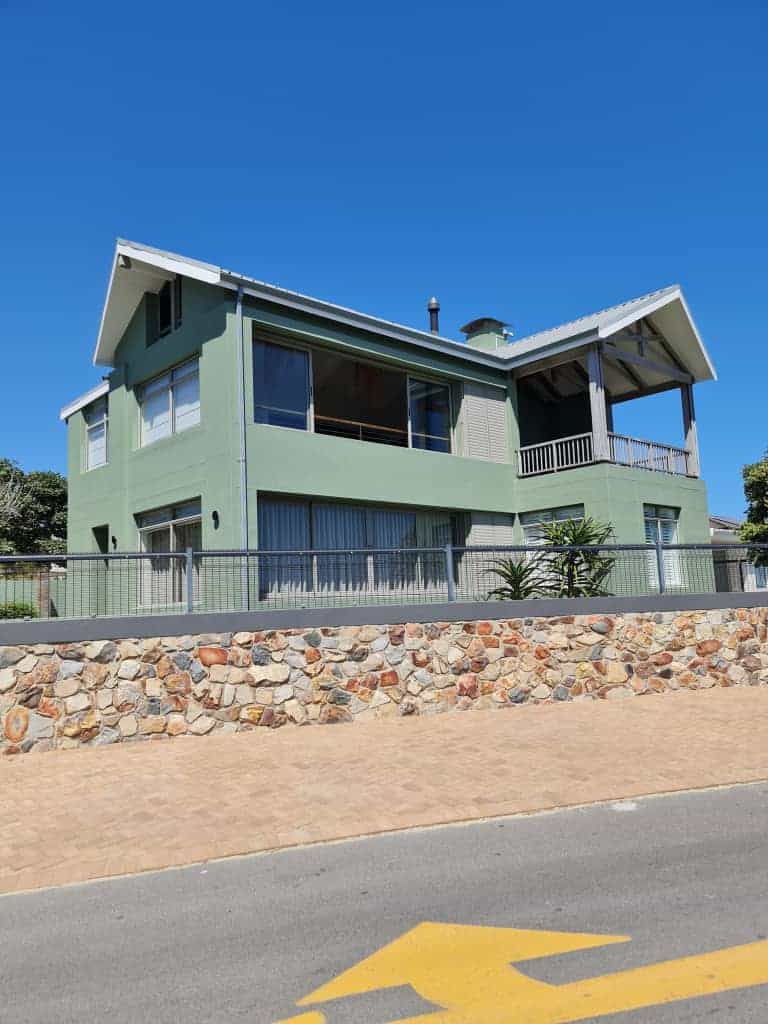

These original project records demonstrate technical scope and inspection findings. They do not establish a universal painting rate or disclose private quotation amounts.
WHEN Can a Painting Quotation Change After Work Starts?
A proper inspection should identify as many visible defects as reasonably possible before quotation.
Nevertheless, certain defects may remain concealed beneath old coatings, plaster or other building materials.
For example, removing peeling paint may expose an unsuitable previous skim coat or additional damaged plaster.
Where unexpected conditions affect the agreed work, the proposed additional repairs should be explained and any variation agreed before proceeding.
A quotation should make clear which repairs are included and how unforeseen conditions will be handled.
WHAT Should You Compare Between Two Painting Quotations?
Instead of comparing only the final amount, ask whether the two contractors have allowed for the same work.
- Were both quotations based on a physical inspection?
- Are the same surfaces, ceilings and exterior details included?
- What scraping, sanding, washing and preparation are allowed for?
- How will plaster cracks and failed seals be repaired?
- Are parapets and exposed horizontal surfaces included where necessary?
- Which products are specified by manufacturer and name?
- Are primer and undercoat requirements included?
- What is the expected spreading rate of the actual selected products?
- Are timber, Nutec, steelwork and roof painting separate items?
- Are access and property-protection requirements included?
- Who is responsible for site supervision?
- What conditions and exclusions apply to the guarantee?
- How will additional work be approved?
Our Detailed Painting Quotations & Specifications article provides further guidance on comparing written scopes.
WHAT IF a Contractor Offers a Very Low Square-Metre Rate?
A price per square metre can be useful as a limited estimating component when the scope, surface condition and coating system are already defined.
However, a generic rate does not explain the cost of concealed plaster defects, weathered fascia boards, defective waterproofing, feature walls, extensive skirting or difficult access.
If a quotation is substantially lower, ask what preparation, repairs, products, supervision and exclusions it includes.
A cheaper quotation may involve a different scope rather than the same work at a lower price.
Likewise, a higher quotation is not automatically better. The written specification must justify the proposed work and materials.
What About Painting Guarantees?
Guarantee terms depend on the written quotation, work scope and actual conditions.
Our standard main-building workmanship and materials guarantee is generally three years, subject to relevant conditions and exclusions.
Boundary and perimeter-wall painting generally carries a separate 12-month guarantee because continuing ground and rear-face moisture can affect those walls differently.
Manufacturer or supplier-backed warranties apply only to qualifying projects under their approved specifications.
Expected coating service life is not the same as the written guarantee period.
Repairing a decorative coating does not permanently resolve underlying structural movement, defective drainage or uncontrolled water entry.
House Painting Quotations Across Constantia
Our completed-work history includes residential, estate, roof and commercial painting assignments in Constantia since 2012.
For work-specific information, explore Interior Painters Constantia, Exterior Painters Constantia and Roof Painting Constantia.
For our full local contractor history and service overview, visit the main Painters Constantia page.
Request an Accurate Constantia Painting Quotation
Painters Cape Town prepares written quotations based on the property condition, visible defects, preparation requirements and agreed coating specifications.
We do not provide a universal painting price for all three-bedroom houses or assume that two homes with identical floor plans require identical preparation.
Contact us to arrange a physical inspection and discuss the actual work required.
Helpful Constantia Painting Cost & Preparation Guides
Understand the work behind a painting quotation, from surface preparation and specialist coatings to real completed Constantia projects.
Detailed Painting Quotations
What preparation, materials, access, repairs, exclusions and supervision should a professional quotation include?
Exterior Painters Constantia
Understand why plaster, weathering, timber, waterproofing and different exterior substrates influence repainting costs.
Interior Painters Constantia
Learn about preparation, ceilings, doors, skirting, feature finishes and the complexity of occupied-home interiors.
Silverhurst Estate Painting Project
A real example of hidden substrate problems discovered during preparation, requiring additional technical assessment.
Mellow Wood Estate Painting Project
A completed exterior and roof project demonstrating different substrates, preparation and coating requirements.
Feature Wall Painting
Why contrasting colours, smaller paint containers, cutting-in and drying arrangements can change interior painting costs.
Roof Painting Constantia
Understand how roof materials, access, cleaning, previous coatings and preparation influence the scope.
House Painting Costs Constantia FAQs
What is the standard painting price per square metre in Constantia?
There is no reliable standard rate for every property. Preparation, substrate condition, repairs, paint products, access and labour requirements differ, even when the paintable area is similar.
How much does it cost to paint a three-bedroom house?
The number of bedrooms does not establish the painting scope. Ceiling heights, wall condition, joinery, colours, exterior details, preparation and access must be assessed before quoting.
Why can two houses built from identical plans cost different amounts to paint?
Soil and construction conditions, previous waterproofing, maintenance history, cracks, coating deterioration and different building materials can result in different preparation and painting requirements.
Does a house last painted twelve years ago automatically cost more than one painted eight years ago?
Not automatically. However, greater weathering, peeling fascia paint, failed sealants, damaged plaster and neglected waterproofing can increase preparation time, labour and materials.
Why does neglected waterproofing increase painting costs?
Failed parapet protection, cracked windowsills and defective window or door seals may allow moisture ingress, requiring additional repairs and preparation before repainting.
Does textured exterior paint cost more to apply?
It can. Some textured coatings have lower spreading rates and require more material per square metre than smooth finishes. Actual consumption depends on the product, substrate and application.
Is textured paint automatically more breathable for damp walls?
No. Breathability depends on the actual coating's water-vapour permeability, not simply its texture. The product must suit the wall condition and manufacturer specification.
Why can feature walls increase interior painting costs?
Feature walls may require smaller colour-specific containers, extra cutting-in, masking, different primers or additional drying and scheduling between adjoining finishes.
Do timber fascias and Nutec fascia boards cost the same to paint?
Not necessarily. Painted timber, varnished timber, wooden sprockets, fibre-cement fascia boards and soffits can require different preparation, products and labour.
What happens if hidden defects are discovered after painting begins?
Concealed damage should be assessed and any necessary change to the agreed scope explained and approved before additional work proceeds.

Copyright 2026 , all rights reserved.