Constantia Damp Assessment & Surface Preparation
Damp Proofing Constantia – Damp Walls & Paint Failure
Inspection and suitable remedial preparation for moisture-affected walls, peeling paint, deteriorating plaster and recurring boundary-wall coating problems.
Our completed Silverhurst and Mellow Wood Estate projects provide genuine 2026 Constantia evidence of moisture observations, substrate problems and the need for condition-specific painting repairs.
27 years of painting experience • Full-time employed painters • Written diagnostic quotations • Honest moisture limitations
Damp-Related Problems We Assess
- Peeling, bubbling and blistering wall paint.
- Moisture-related plaster deterioration.
- Efflorescence and discolouration.
- Ground and rear-face boundary-wall moisture.
- Garden irrigation and shaded masonry.
- Suspected penetrating or rising damp.
- Failed previous damp treatments.
- Moisture-meter observations where appropriate.
- Suitable Dulux damp-preparation systems.
- Limitations requiring drainage, plumbing or structural repairs.
Why Damp Problems Must Be Assessed Before Repainting
Peeling paint and damp stains can result from different moisture pathways. The correct response depends on the wall condition, likely source, previous coatings and what the proposed repairs can realistically achieve.
Real Constantia Evidence
Silverhurst and Mellow Wood provide original 2026 evidence of moisture-related paint and plaster concerns.
27 Years' Experience
Established painting-contractor experience with damaged masonry, previous coating failure and surface preparation.
Recorded Moisture Observations
We use instrument readings where appropriate and interpret them alongside site conditions rather than claiming they identify a leak by themselves.
Hidden Substrate Experience
At Silverhurst, removing failed exterior paint exposed a concealed moisture-sensitive Cretestone skim requiring further technical assessment.
Boundary-Wall Awareness
Mellow Wood demonstrates why moisture-affected boundary masonry requires different expectations from main-building walls.
Suitable Damp Coatings
Dulux Dampshield and other products are considered according to their intended substrate, preparation and approved application conditions.
Written Diagnostic Quotations
Visible defects, proposed preparation, coating specifications and important exclusions are explained before work begins.
Full-Time Employed Painters
Our painting work is completed by employed painters rather than subcontracted painting crews.
Working-Foreman Supervision
Preparation, property protection, workmanship and daily site arrangements receive direct supervision.
Honest Treatment Limitations
Surface coatings cannot replace a missing damp-proof course, defective drainage or structural repairs where those are necessary.
Our documented projects show assessment and preparation experience, not a guarantee that all moisture sources can be permanently cured by coating the visible wall.
Professional Damp Wall Assessment and Preparation in Constantia
Damp proofing in Constantia requires an understanding of the wall condition, the possible moisture source and whether the proposed treatment is suitable for the affected substrate.
Peeling paint, discolouration, loose plaster, bubbling and salt deposits may indicate moisture-related deterioration. However, these symptoms do not all have the same cause.
Established Constantia properties may contain older plaster, several generations of paint, garden-facing walls, extensive irrigation and boundary masonry in contact with soil. Shaded elevations can also remain damp after winter rainfall.
Painters Cape Town provides inspection-based damp-related surface preparation and suitable coating treatments within our painting scope. We have 27 years of painting experience, directly employed painters, working-foreman supervision and written diagnostic quotations.
Our completed Silverhurst Estate and Mellow Wood Estate projects from 2026 demonstrate why moisture observations, substrate condition and realistic limitations must be considered together.
WHAT Is the Difference Between Damp Proofing and Waterproofing?
Although the terms are sometimes used interchangeably, they do not necessarily describe the same work.
Damp-Related Wall Preparation
This involves assessing moisture symptoms, affected plaster, deteriorated coatings, possible salt contamination and the suitability of remedial preparation before repainting.
Where appropriate, specified damp-barrier products may protect suitable prepared wall surfaces within the manufacturer’s stated application conditions.
Exterior Waterproofing
Waterproofing work may involve protecting exposed parapets, windowsills, wall tops and other accessible surfaces against rainwater penetration, or renewing defective flexible sealing.
For these applications, see our Waterproofing Constantia specialist page.
Building Damp-Proof Courses and Drainage
A physical damp-proof course, properly designed drainage or inaccessible rear-face waterproofing forms part of the building’s moisture-control arrangements.
A surface-applied coating does not physically install a missing damp-proof course, repair defective drainage or correct structural water pressure behind a retaining wall.
WHY Do Constantia Walls Develop Damp and Peeling Paint?
Different moisture pathways can produce similar visible symptoms.
1. Water Penetrating from Outside
Rainwater may enter through cracked plaster, deteriorated perimeter seals, exposed masonry, damaged roof details or failed waterproofing.
The resulting staining or bubbling may appear some distance from the original water-entry point.
2. Moisture Rising from Ground Contact
Ground moisture can affect lower masonry where adequate damp-proof separation is absent or compromised.
However, dampness near floor level does not prove rising damp. Plumbing, irrigation, rain splashback and other conditions should also be considered.
3. Water Entering from Behind Boundary Walls
Garden beds, wet soil, retained earth and irrigation can contribute to moisture moving through masonry from the side opposite the visible painted face.
A surface coating may have limited performance where the moisture source continues uncontrolled.
4. Condensation and Limited Ventilation
Some interior walls and ceilings become damp because humid air condenses on cooler surfaces. This can contribute to mould growth or coating deterioration.
Condensation requires a different response from an external leak or ground moisture.
5. Defective Plumbing or Wet-Area Waterproofing
Leaking pipes, failed shower seals or defective wet-area waterproofing may allow moisture to affect adjacent walls.
These defects may need plumbing or specialist waterproofing repairs before decorative painting proceeds.
WHEN Should Damp Walls Be Investigated Before Repainting?
Homeowners should consider an inspection when they notice:
- Paint peeling or bubbling repeatedly in the same place.
- Discolouration that returns after repainting.
- White powdery deposits on plaster or masonry.
- Soft, loose or hollow plaster.
- Persistent dampness at the base of walls.
- Staining around windows, parapets or roof junctions.
- Dark mould patches on shaded or poorly ventilated surfaces.
- Recurring paint failure beside irrigated gardens.
- Previous damp treatment that has deteriorated prematurely.
Not every blemish indicates active moisture. Existing staining, historic repairs, coating incompatibility and surface contamination may also affect appearance.
The inspection should establish the relevant observations before a remedial specification is proposed.
HOW Do We Assess Damp-Related Coating Failure?
Our written diagnostic process considers the visible defect and the surrounding building conditions.
- Record the symptoms: identify staining, bubbling, loose coatings, damaged plaster and salt deposits.
- Inspect accessible surfaces: consider nearby joints, parapets, roof details, garden beds, irrigation and other possible moisture routes.
- Assess previous coatings: determine whether the existing paint and substrate remain sufficiently sound for preparation.
- Use moisture readings where appropriate: record instrument observations from relevant tested areas.
- Differentiate possible causes: identify whether observations suggest penetrating moisture, condensation, ground moisture or another condition.
- Define repairs and exclusions: explain which preparation is included and what may require another trade.
- Recommend suitable materials: select a compatible preparation and coating system where the substrate and conditions permit.
Where the exact cause cannot be confirmed from the painting inspection, further investigation may be necessary before a permanent remedy can be specified.
HOW Are Protimeter Moisture Readings Used?
Painters Cape Town uses a Protimeter DigitalMini during relevant painting inspections to help assess and compare moisture-related conditions.
The recorded percentages are instrument-reported observations. They should not automatically be interpreted as laboratory measurements of absolute moisture content or as proof of rising damp.
Readings must be considered alongside the material, location, visible deterioration and surrounding building conditions.
Our two documented Constantia projects illustrate this approach.
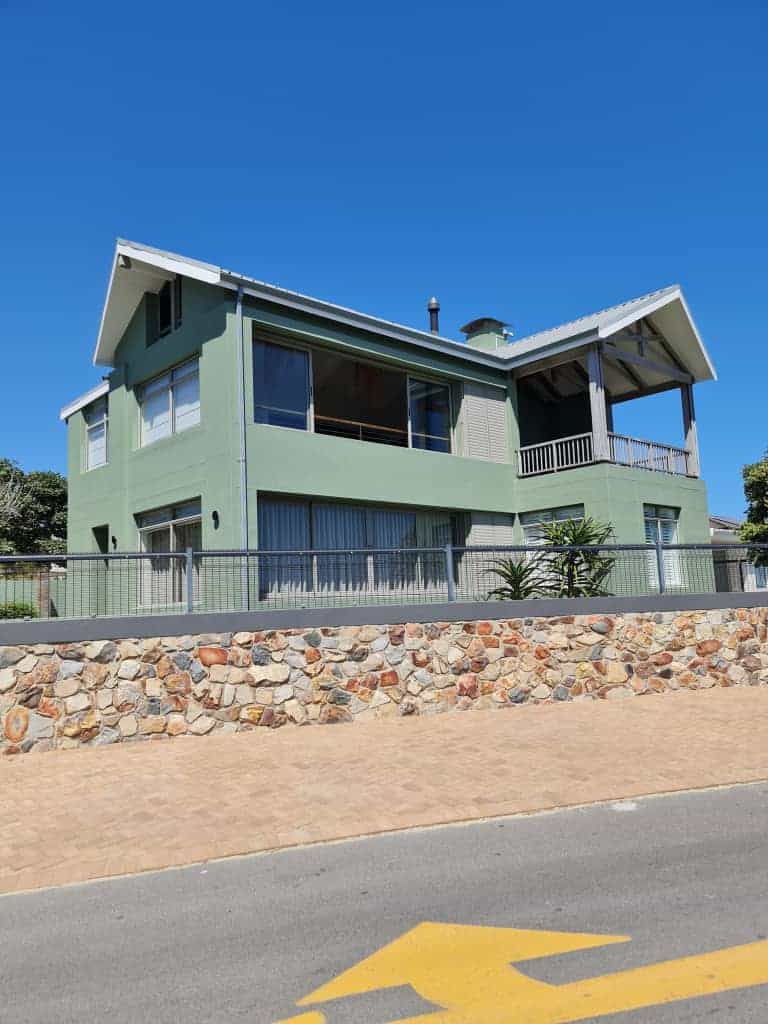
Real Constantia Damp-Related Project — Silverhurst Estate, May 2026
Real Constantia Damp-Related Project — Mellow Wood Estate, March 2026

WHICH Damp-Related Paint and Preparation Products May Be Suitable?
Different substrates and moisture conditions require different systems. Product selection must follow the actual inspection and the manufacturer’s current technical specification.
Dulux Pre-Paint Dampshield
Dulux Pre-Paint Dampshield is a specialist damp-barrier product intended for suitable cement plaster and concrete vertical wall surfaces.
It may be considered where the condition of the wall and the approved specification support its use.
However, using this product on the visible face does not physically repair a missing damp-proof course, defective drain, leaking pipe or structural water pressure behind a retaining wall.
Product suitability, substrate preparation and any written warranty conditions should be confirmed for the actual application.
The Silverhurst and Mellow Wood project examples above do not independently establish that Dampshield was applied to every affected wall. Their documented evidence concerns moisture assessment, preparation and the actual systems recorded for those projects.
Breathable Boundary-Wall Coatings
Where a boundary wall remains exposed to moisture from below or behind, an appropriate vapour-permeable decorative coating may be considered on suitable prepared masonry.
This can provide a practical finishing approach without claiming that uncontrolled moisture has been permanently eliminated.
Exterior Waterproofing Products
Rainwater entry through exposed horizontal masonry may require a separate waterproofing system, such as an appropriately specified Dulux Rainshield treatment.
This is different from applying a specialist damp-barrier coating to suitable vertical walls.
Ordinary Interior and Exterior Finishing Paint
Decorative finishing paint must be compatible with the prepared substrate and primer system. It should not be regarded as a substitute for assessing active moisture or repairing defective building elements.
WHY Does Efflorescence Reappear on Painted Walls?
Efflorescence is the appearance of soluble salt deposits associated with moisture moving through masonry and evaporating at or near the surface.
White powdery deposits can recur while the conditions transporting those salts remain active.
Removing visible salt and repainting may not provide a lasting solution if moisture continues moving through the same area.
Salt contamination, plaster stability and substrate condition need to be considered before selecting preparation or coating systems.
WHAT IF the Wall Has No Effective Damp-Proof Course?
Some boundary, garden and foundation walls do not have an effective damp-proof barrier separating the masonry from moisture sources.
Where groundwater, wet backfill or irrigation continues affecting the wall, a surface coating cannot create that missing internal barrier.
In these circumstances, the realistic scope may be maintenance and protection of the accessible wall face, combined with moisture-management measures where feasible.
Changes to garden irrigation, drainage or wall construction may be required, subject to assessment by the appropriate trade.
Our Southern Suburbs boundary wall painting guide explains why continuing moisture can shorten coating service life.
WHAT IF Damp Paint Failure Returns After Previous Treatment?
Recurring deterioration may suggest that the original moisture source, damaged substrate or coating incompatibility was not fully addressed.
Possible explanations include:
- Continued water entry through another location.
- Moisture behind a retaining or boundary wall.
- Unresolved drainage or irrigation exposure.
- Defective plumbing or wet-area waterproofing.
- Unsound plaster or an unsuitable previous skim coat.
- Persistent salt contamination.
- Incompatible previous paint layers.
- New structural or joint movement.
The correct response is to reassess the cause rather than automatically applying more paint over the same failed material.
HOW Do Constantia’s Gardens and Weather Affect Damp?
Established Constantia properties can combine mature vegetation, shaded elevations, irrigated garden beds and extensive boundary walls.
Winter rainfall can increase moisture exposure, while limited sunlight and airflow may extend drying times on some elevations.
Other walls receive more direct sun and may dry more quickly.
These conditions matter when assessing maintenance, preparing plaster and scheduling suitable painting work.
However, a shaded wall does not automatically have rising damp, and a lower-wall stain should not be attributed to irrigation without supporting evidence.
WHEN Should Specialist Building Repairs Take Priority?
Some damp-related problems require work outside ordinary painter’s preparation.
Examples include:
- Active plumbing or shower leaks.
- Defective roof flashing or major roof leakage.
- Failed retaining-wall drainage or inaccessible rear-face waterproofing.
- Significant structural cracking or movement.
- Extensive loose or deteriorated building materials.
- Widespread or concealed mould contamination requiring specialist remediation.
- Defective construction where a physical damp-proof solution is required.
Where these conditions are suspected, the appropriate specialist should assess or repair the problem before decorative painting proceeds.
WHAT Should a Damp-Proofing and Painting Quotation Include?
A written quotation should explain the observed problem and proposed work clearly.
- Exact walls and areas included.
- Visible moisture symptoms and recorded observations.
- Moisture readings where appropriate.
- Possible moisture pathways requiring further attention.
- Removal of unsuitable coatings or plaster where included.
- Specified preparation and remedial coating products.
- Plaster and crack repairs included in the scope.
- Waterproofing or flexible sealing included, if applicable.
- Required substrate and weather conditions.
- Excluded plumbing, drainage or structural work.
- Continuing moisture limitations and guarantee exclusions.
Two quotations may differ because one allows for extensive repairs while another covers only surface preparation and decorative finishing.
Our detailed painting quotations guide explains how to compare the actual scope and materials.
What Guarantees Apply to Damp-Related Painting?
The guarantee depends on the actual contracted work and the written conditions.
Our standard main-building painting workmanship and materials guarantee is generally three years, subject to the quotation and applicable exclusions.
Boundary and perimeter wall painting generally carries a separate 12-month guarantee because continuing ground or rear-face moisture can affect those walls differently.
Manufacturer-backed warranties apply only to qualifying projects and approved written specifications. A product’s published performance claims are not automatically a guarantee that the underlying building defect has been permanently cured.
Where moisture remains uncontrolled, future coating deterioration may still occur despite appropriate surface preparation.
Damp-Related Painting Services Across Constantia
We provide suitable painting-related damp assessment and preparation in established homes and estates across Constantia, including Alphen, Nova Constantia, Bel Ombre, Constantia Heights and Deurdrif.
For a broader overview of our company, historic local assignments and completed projects, visit Painters Constantia.
For associated exterior painting services, visit Exterior Painters Constantia.
These pages have distinct purposes: the flagship helps clients select a painting contractor, the exterior page covers house repainting, and this article concentrates on damp-related diagnosis and preparation.
Request a Constantia Damp Wall Inspection
If your plaster is deteriorating, paint repeatedly bubbles or damp staining returns after repainting, contact Painters Cape Town for an inspection.
We’ll assess the accessible surfaces and provide a written quotation explaining suitable painting-related preparation, proposed coating products and important limitations.
Helpful Constantia Damp & Wall Preparation Guides
Explore original moisture-related painting projects and practical guidance on waterproofing, plaster repairs, damp boundary walls and written specifications.
Silverhurst Estate Substrate Investigation
A genuine 2026 Constantia project where preparation exposed concealed moisture-sensitive Cretestone beneath failed exterior coatings.
Mellow Wood Boundary-Wall Moisture
Original Constantia evidence of moisture-affected boundary walls, different coating specifications and realistic limitations.
Waterproofing Constantia
Understand rainwater entry through parapets, windowsills, wall tops and failed external joints.
Boundary Wall Painting & Moisture
Why irrigation, ground moisture, backfill and missing damp-proof barriers can cause recurring paint failure.
Plaster Repairs & Crack Treatment
Learn why deteriorated plaster and different crack types require assessment before repainting.
Detailed Painting Quotations
What diagnostic observations, preparation, exclusions and coating specifications should a quotation include?
Damp Proofing Constantia FAQs
What damp-related painting work does Painters Cape Town undertake?
We inspect moisture-affected painted surfaces and undertake suitable preparation, repairs and coating treatments within the agreed scope. Building defects requiring other trades must be addressed separately.
How can I tell whether my Constantia wall has rising or penetrating damp?
The location of staining, surrounding construction, exposure and other evidence must be considered. Peeling near floor level does not automatically prove rising damp, and moisture readings alone do not identify the source.
Do you have documented damp-related projects in Constantia?
Yes. Our completed 2026 Silverhurst and Mellow Wood Estate projects include documented moisture observations, affected masonry and relevant painting preparation. They are not presented as installation of new physical damp-proof courses.
What moisture readings were recorded at Silverhurst and Mellow Wood?
Silverhurst recorded Protimeter readings: Min 12.7%, Max 18.1%. Mellow Wood recorded Protimeter readings: Min 11.3%, Max 25.4%, with the highest readings on boundary-wall areas.
Can Dulux Dampshield be used on damp walls?
Dulux Pre-Paint Dampshield is intended for suitable cement plaster and concrete vertical wall surfaces. Its use must follow the current manufacturer specification and the condition of the substrate.
Can damp-proofing paint replace a missing damp-proof course?
No. A surface coating does not physically install a missing damp-proof course or repair defective drainage, plumbing or uncontrolled water entry behind masonry.
Why does paint keep peeling on Constantia boundary walls?
Boundary walls may receive water from soil, irrigation, ground contact, cracked wall tops or the opposite face. Continuing moisture can cause recurring coating deterioration.
What is the difference between damp proofing and waterproofing?
Damp-related preparation focuses on moisture-affected substrates and suitable wall treatments. Waterproofing addresses particular water-entry routes such as exposed parapets, windowsills and failed exterior joints.
When should a damp problem be assessed by another specialist?
Active plumbing leaks, major structural movement, defective retaining-wall drainage, significant hidden mould and construction defects may require qualified specialists before painting proceeds.
What guarantees apply to damp-related painting?
Guarantees depend on the contracted scope and written exclusions. Our standard main-building painting guarantee is generally three years and boundary-wall painting generally 12 months, while uncontrolled moisture may remain excluded.

Copyright 2026 , all rights reserved.