Body Corporate & Complex Painting Durbanville
Body Corporate & Complex Painting in Durbanville
Painting a townhouse complex requires more than repeating the same house-painting process several times. Trustees, owners and managing agents need consistent colours, coordinated preparation, phased scheduling, common workmanship standards and clear responsibility for moisture-related limitations.
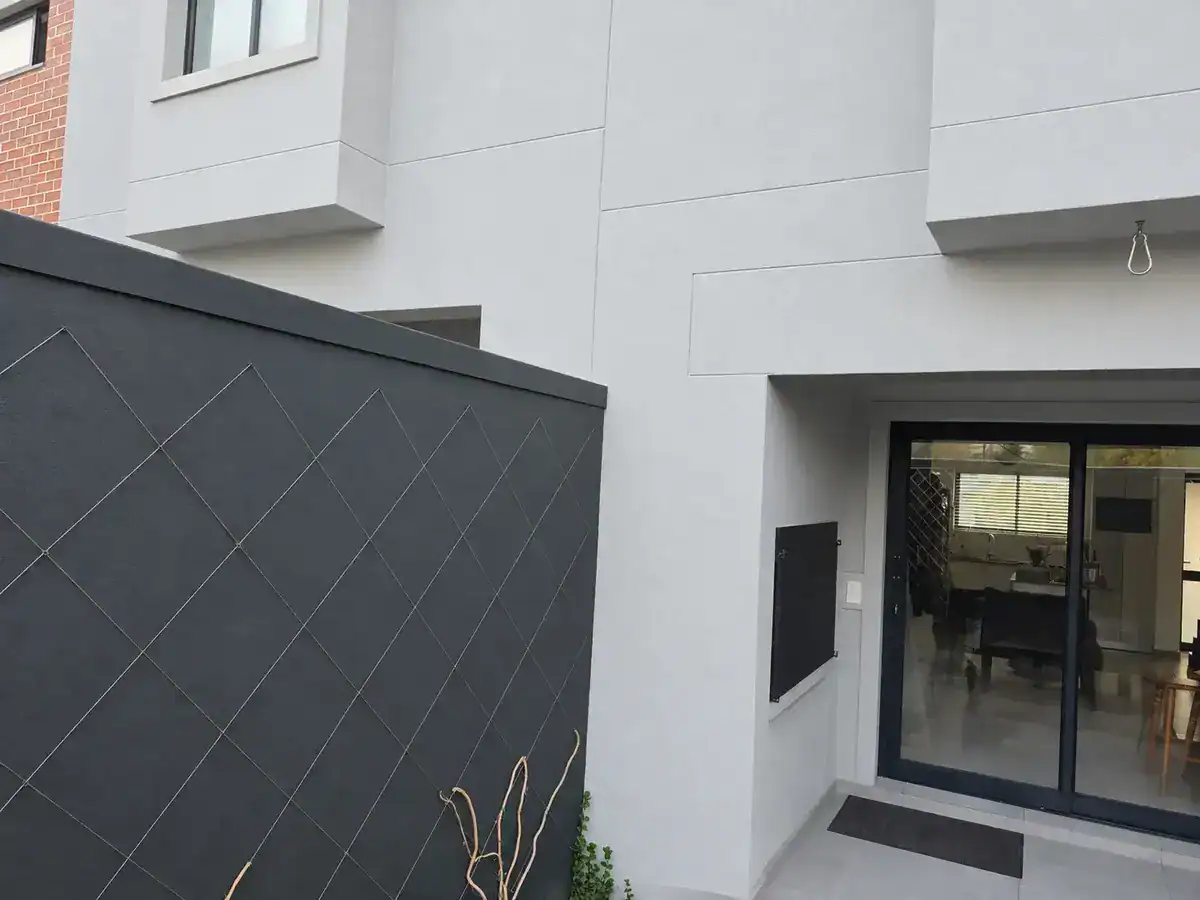
At D’Landen Estate in Durbanville we completed 14 townhouse exterior projects, working on two townhouses simultaneously as part of a coordinated repainting programme.
D’Landen Estate Project Evidence
- 14 townhouses completed
- 2 units painted simultaneously
- Exterior walls, boundary/garden walls and Nutec
- Crack repairs and open expansion joints
- Horizontal waterproofing
- Damp-related preparation
- Body-corporate colour approval
- Three Dulux colour-match samples prepared before commencement
Multi-Unit Painting Needs Consistency and Control
A body-corporate or complex repaint affects multiple owners and shared visual standards. Preparation, colour matching, scheduling, waterproofing and warranty limitations should therefore be defined before the painting programme begins.
14 Completed Townhouses
D’Landen provides genuine first-party evidence of a completed multi-townhouse Durbanville painting programme.
Two Units at a Time
The project was organised so two townhouses could be painted simultaneously while maintaining consistent preparation and finishing standards.
Working Foremen
The quotation specified working-foreman supervision together with site visits and a preparation-first approach.
Colour Approval Before Painting
Three Dulux colour-match samples were prepared to reproduce the previous Prominent Paints colour scheme and submitted for body-corporate approval before painting started.
Scheme-Wide Diagnosis
The inspection found recurring cracks, moisture symptoms, failed seals, open expansion joints and unwaterproofed horizontal surfaces across the scheme.
Clear Warranty Boundaries
Workmanship responsibility is separated from moisture exclusions and from the supplier’s 12-year warranty on qualifying topcoats.
Full-Time Employed Painters
Painting is completed by our own employed painters rather than subcontracted painting crews.
27 Years of Experience
Our recommendations are supported by 27 years of painting and surface-preparation experience.
Body Corporate, Complex and Townhouse Painting in Durbanville
Painting a residential complex is different from repainting one private home.
A body corporate, trustee group or managing agent needs to consider the condition of multiple buildings, consistent colour standards, shared architectural details, access to occupied homes, common waterproofing defects, project sequencing and a practical warranty structure that distinguishes coating workmanship from moisture conditions outside the painter’s control.
Our D’Landen Estate project in Durbanville provides genuine experience of this type of work. We completed exterior repainting on 14 townhouses, with two townhouses being painted simultaneously.
For our broader Durbanville residential and commercial painting service, visit Painters Durbanville.
D’Landen Estate – 14 Completed Townhouses in Durbanville
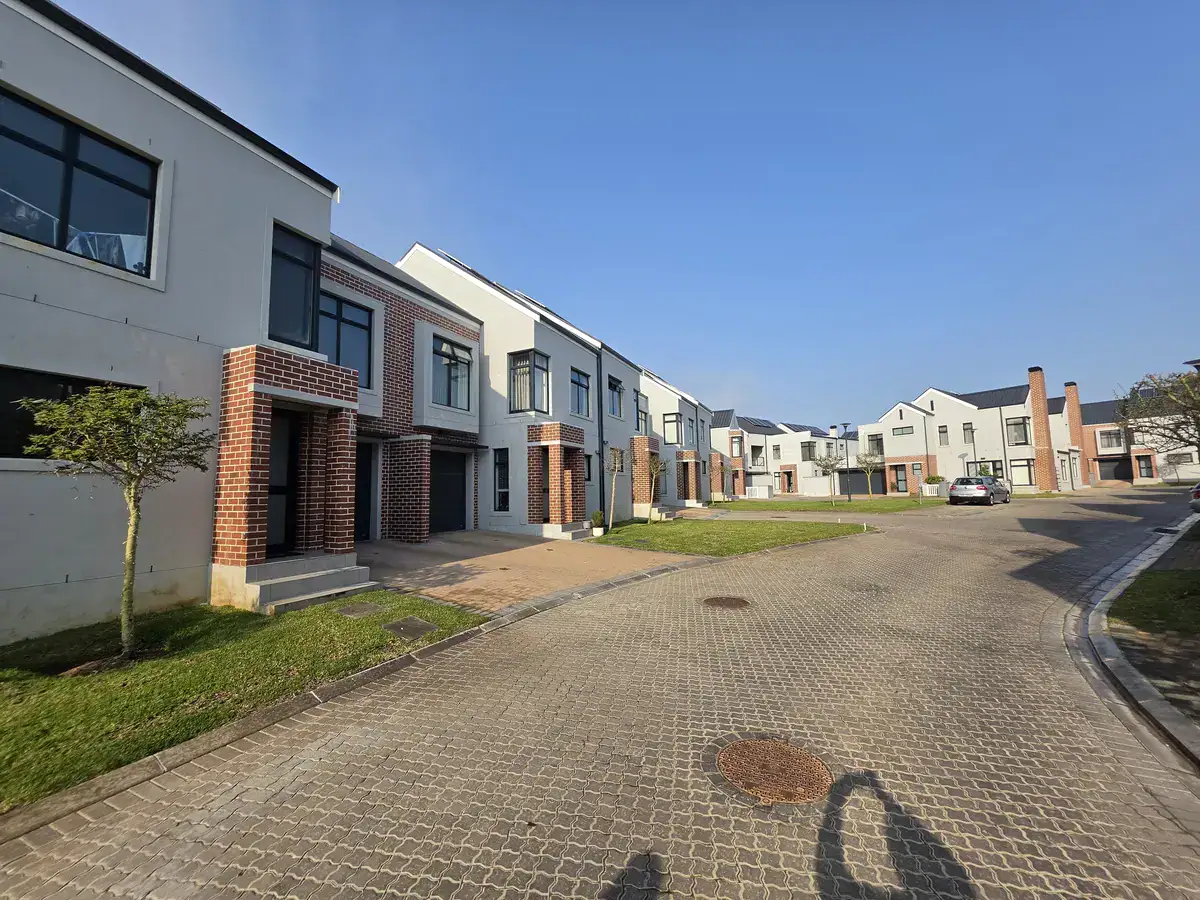
The owners at D’Landen had been instructed by the body corporate to repaint their units before the end of March 2027.
Owners also communicated through a WhatsApp group, where our company was recommended by one of the owners. This led to additional owners requesting quotations and ultimately to us completing 14 townhouse exterior projects within the same scheme.
This is important because the work was not simply one isolated private-house repaint. The programme required repeated application of the same preparation standards, colour scheme and coating specification across multiple neighbouring units.
The D’Landen Exterior Painting Scope
The original written scope included:
- Nutec fascia boards and soffits;
- main-building exterior walls;
- boundary and garden walls;
- gable walls where applicable;
- high-pressure washing;
- waterproofing of horizontal surfaces;
- damp-related preparation; and
- sealing around protrusions, fittings, windows and doors.
These items are recorded in the D’Landen exterior quotation.
One Scheme, Repeated Defects
A major advantage of inspecting a multi-unit development is that repeating defects become easier to identify.
At D’Landen, similar symptoms occurred across different parts of the scheme.
The documented inspection recorded:
- Protimeter readings from 19.7% to 35.9%;
- map or spiderweb cracking;
- cracks on vertical and horizontal surfaces;
- cracked windowsills;
- open expansion joints;
- failed sealant around windows and doors;
- moisture-related discolouration and alkali attack;
- powdery surfaces;
- unwaterproofed horizontal surfaces; and
- iron-induced brown staining associated with irrigation overspray.
These findings were recorded across the scheme rather than assumed from one isolated wall.
D’Landen Before and After – Cracks and Discolouration
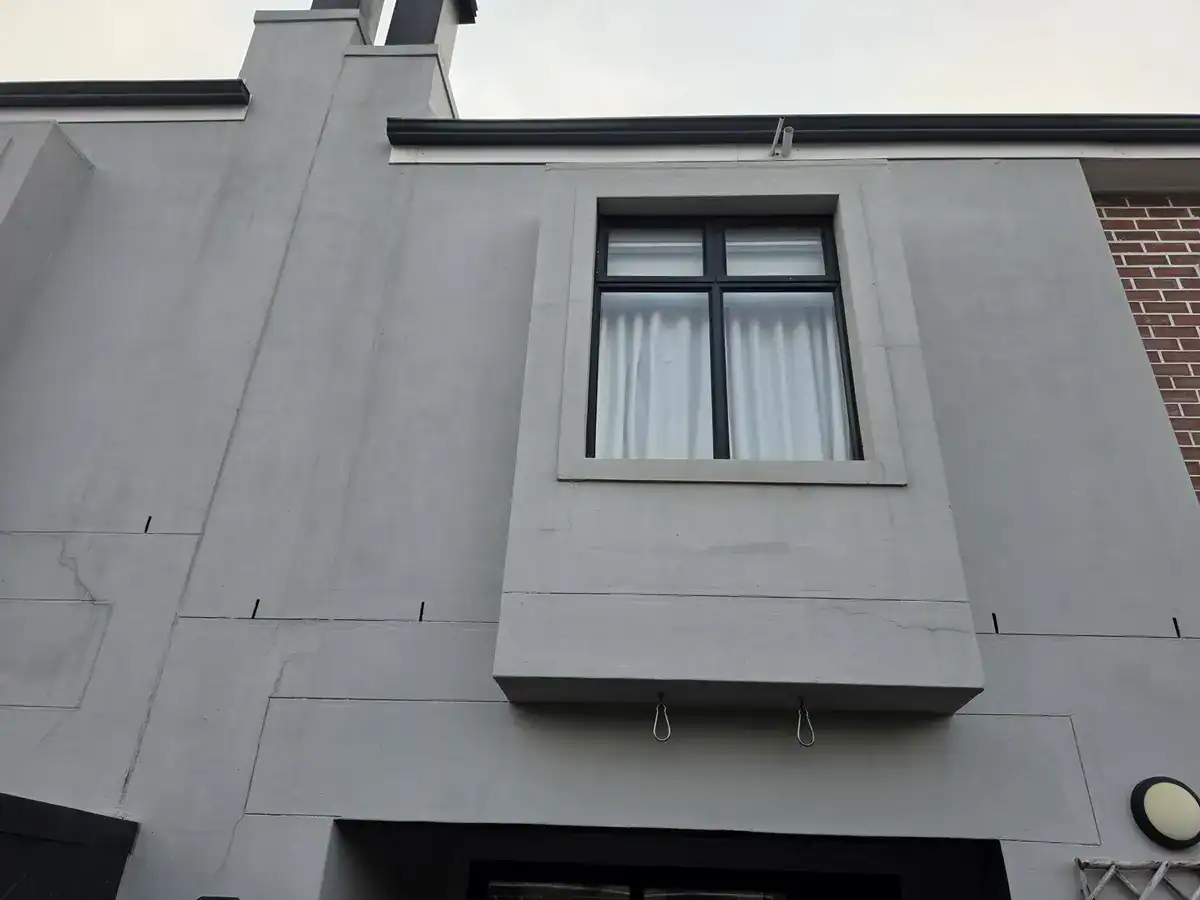
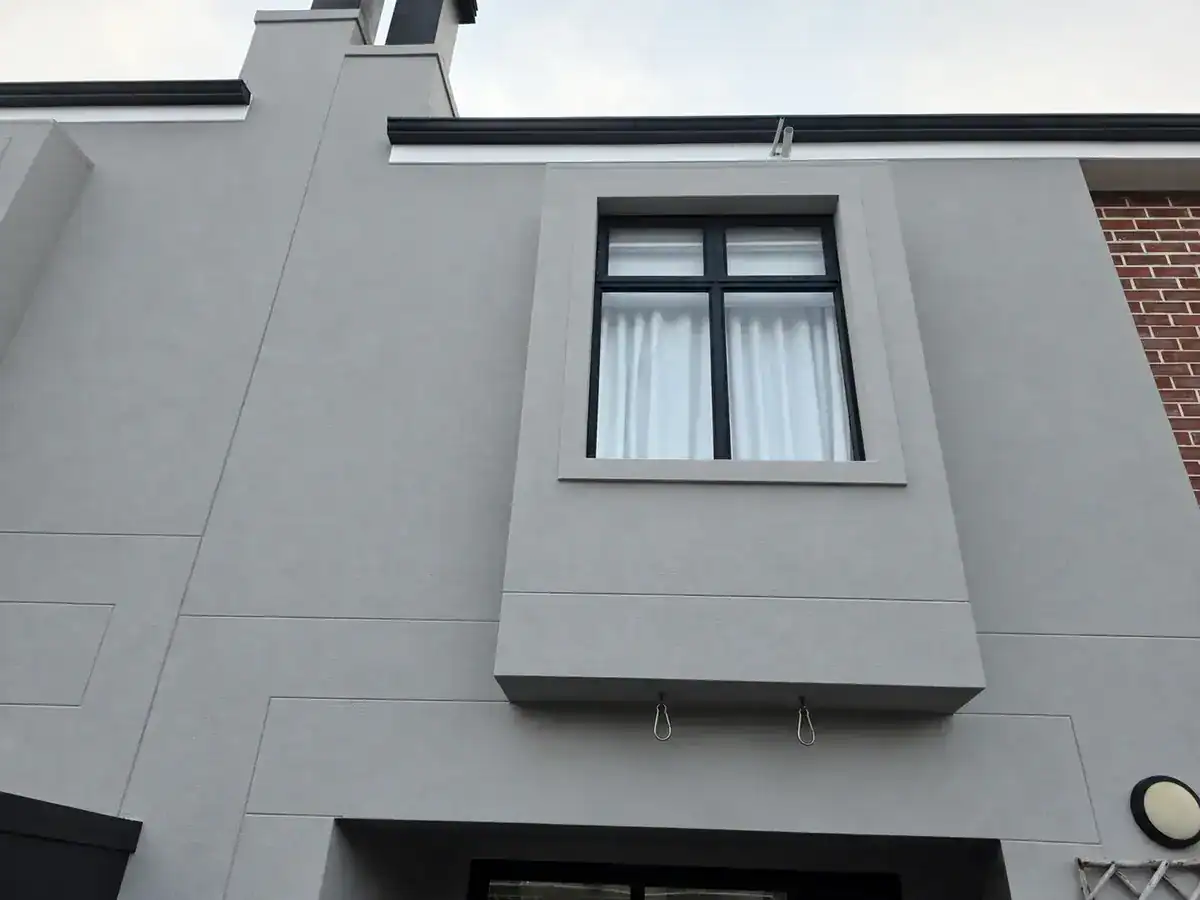
The before image shows visible cracking and coating deterioration around the townhouse exterior.
The finished image demonstrates why the quality of a scheme repaint depends heavily on the preparation stage rather than simply applying the approved colour over existing defects.
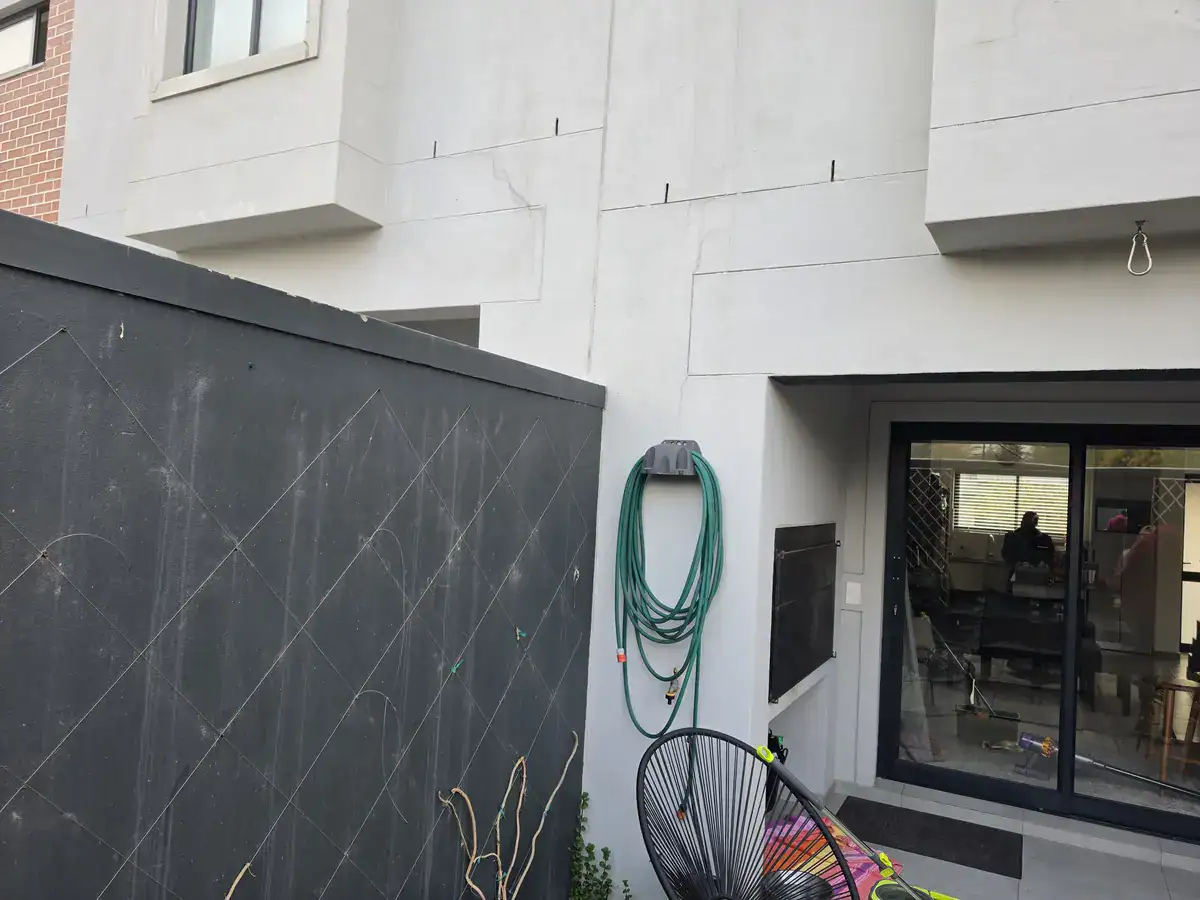
Open Expansion Joints Across Townhouse Buildings
Expansion joints are particularly important in multi-unit developments because long building elevations contain repeated movement points.
At D’Landen, expansion joints were among the defects identified during inspection.
Why Expansion Joints Need Flexible Sealant
An expansion joint should not simply be filled with rigid plaster and painted over.
The D’Landen specification required deteriorated sealant around windows, doors and expansion joints to be removed and resealed with single-pack polyurethane sealant. New and existing expansion joints on the main buildings were also included in the flexible sealing system.
This is particularly important across a townhouse scheme because the same detailing may recur on many units.
Colour Consistency Across 14 Townhouses
Colour control becomes much more important when several neighbouring townhouses are being repainted.
The body corporate wanted the existing Prominent Paints colour scheme retained.
Rather than relying on a visual approximation, Dulux was asked to tint three matching colour samples.
These were applied as physical samples before commencement so that the body corporate could approve the colour match.
Only after approval could the same scheme be carried consistently through the townhouse programme.
Why Physical Colour Samples Matter
A colour viewed on a screen, printed card or small fan-deck chip can appear different when applied to a large exterior wall.
Light, surrounding brickwork, roof colours, shadow and existing architectural finishes can all change how the colour appears.
For a body corporate or development, approving actual painted samples before a large order is placed reduces the risk of disagreement once multiple units have been completed.
Phased Painting – Two Townhouses Simultaneously
We completed the D’Landen programme with two townhouse projects running simultaneously.
The original quotation estimated approximately four working days per project and specified working-foreman supervision.
This type of phased approach has several advantages for a complex:
- the entire development does not become one large uncontrolled work site;
- quality can be checked from one phase to the next;
- paint colours and finishes remain consistent;
- owner access can be managed more easily;
- materials and labour can be scheduled predictably; and
- completed units can provide a visual benchmark for subsequent units.
Working Around Occupied Townhouses
Most townhouse repainting takes place while owners or tenants continue using their properties.
Project planning therefore needs to take account of entrances, windows, doors, parking, paved areas, landscaping and daily movement around the property.
A phased programme also allows communication to focus on the owners whose units are currently being prepared and painted rather than disrupting the entire scheme simultaneously.
Consistent Preparation Matters More Than Consistent Colour
Two townhouses can look identical from the road while having different defects beneath the paint.
One may have:
- more extensive cracking;
- higher moisture readings;
- failed window seals;
- open expansion joints;
- damaged plaster;
- powdery existing paint; or
- more exposed horizontal surfaces.
The approved colour should remain consistent, but the preparation must still respond to the condition of each individual townhouse.
Waterproofing Horizontal Surfaces Across a Complex
The D’Landen specification included waterproofing of exposed horizontal masonry such as parapets, windowsills and boundary/garden-wall tops.
Where Dulux Rainshield was specified, two coats were applied with the second coat perpendicular to the first.
This type of repeated detail becomes especially important in a complex because the same architectural vulnerability can occur across multiple townhouses.
For the full waterproofing system, see Waterproofing Durbanville.
Hairline and Wider Crack Repairs
The D’Landen specification did not treat every crack identically.
Hairline cracks up to approximately 1 mm received alkali-resistant sealing and Rainshield worked into the crack.
Suitable wider plaster cracks of approximately 1-5 mm were opened to a V-joint, cleaned, repaired with compatible masonry patching material where applicable, sanded and then protected with the specified Rainshield system.
This distinction becomes valuable on scheme-wide work because broad instructions such as “repair cracks” are too vague when defects vary from unit to unit.
Moisture Readings Across the Scheme
The D’Landen inspection recorded Protimeter readings ranging from 19.7% to 35.9%.
These readings were considered together with visible conditions such as cracks, failed seals, open expansion joints and unwaterproofed horizontal masonry.
A moisture reading does not by itself prove rising damp or identify the water source. It is one diagnostic observation that needs to be considered together with the building detail.
Dampshield and Moisture-Affected Areas
The written D’Landen specification included Dulux Pre-Paint Dampshield on prepared exterior masonry, with additional treatment prescribed according to substrate moisture readings and bare areas.
This specialist preparation should not be confused with permanently stopping moisture that continues entering through backfill, ground contact or another untreated source.
Boundary Walls Need Separate Warranty Expectations
This is particularly important for trustees and body corporates.
The D’Landen quotation records that boundary walls do not have an effective damp-proof barrier separating the masonry from ground moisture. Moisture can therefore continue entering from below or behind, and resulting discolouration, bubbling or peeling is excluded from the coating warranty.
A scheme-wide specification should make this clear before work starts rather than creating an unrealistic expectation that decorative paint can permanently stop moisture inside the wall.
Our Boundary Wall Painting Durbanville page explains this issue in greater detail.
Foundation Walls Below Weep Holes and Expansion Joints
The D’Landen inspection also identified moisture-related discolouration below weep-hole and expansion-joint level.
The quotation records that these walls were exposed to moisture from the backfilled side without an effective damp-proof barrier. The affected surfaces would be prepared and primed with Dampshield, while future failure caused by continuing moisture migration was excluded from the coating warranty.
This is a valuable example of why a body-corporate specification needs clearly written technical limitations.
Workmanship Warranty vs Supplier Coating Warranty
A multi-unit repaint should clearly separate two different forms of responsibility.
Workmanship responsibility relates to whether the agreed preparation and coating system has been applied correctly.
Supplier warranty relates to qualifying coating products and the conditions attached to the manufacturer or supplier specification.
For the D’Landen programme, the supplier offered a 12-year warranty on qualifying topcoats.
That supplier warranty does not override exclusions for conditions such as continuing moisture behind boundary walls, backfilled foundation walls or structural movement.
Why Written Exclusions Protect the Body Corporate Too
Clear exclusions are not only there to protect the painting contractor.
They help trustees and owners understand which future failures may be related to:
- application workmanship;
- coating materials;
- continuing building defects;
- ground or backfill moisture;
- structural movement;
- future cracks; or
- water entering from areas outside the painting scope.
This makes future maintenance decisions much easier than a vague blanket guarantee.
Body Corporate Colour and Specification Approval
Before a scheme-wide project begins, trustees should ideally approve:
- final colour samples;
- which surfaces are included;
- preparation methodology;
- waterproofing scope;
- crack-repair approach;
- sealant system;
- primer system;
- topcoat products;
- excluded surfaces; and
- warranty limitations.
This prevents individual owners and contractors from working from different interpretations of the same project.
Why One Specification Across a Complex Helps
Using one clearly defined coating and preparation standard helps maintain:
- consistent appearance;
- consistent sheen level;
- consistent colour;
- consistent repair methods;
- consistent waterproofing;
- consistent documentation; and
- clear responsibility if future problems arise.
Body Corporate Painting vs Painting One Estate Home
Our Painting Homes in Durbanville Estates guide deals mainly with an individual homeowner repainting one property inside a managed estate.
Body corporate and complex painting is different because the project can involve:
- multiple owners;
- trustees or managing agents;
- a shared colour scheme;
- repeated architectural details;
- phased scheduling;
- common warranty expectations; and
- consistent technical specifications across many units.
How Much Does Complex Painting in Durbanville Cost?
There is no useful fixed price per townhouse because preparation requirements can vary between units.
Cost can be affected by:
- building size;
- number of units;
- height and access;
- extent of cracking;
- moisture preparation;
- waterproofing requirements;
- expansion joints;
- window and door sealing;
- boundary walls;
- Nutec fascias and soffits;
- colour changes;
- project phasing; and
- the specified coating system.
The D’Landen quotation itself was structured per townhouse rather than as a simplistic square-metre rate, which is a more realistic approach when preparation differs between units.
For broader pricing principles, see House Painting Costs Durbanville.
Our Body Corporate Painting Process
1. Scheme Inspection
We inspect representative buildings, repeated defects, moisture symptoms, cracks, joints, coatings and access requirements.
2. Written Preparation Specification
The proposed system identifies cleaning, crack repairs, sealing, waterproofing, damp preparation, primers and finishing coats.
3. Colour Matching and Approval
Where required, physical samples are prepared and approved before the broader painting programme begins.
4. Phased Scheduling
Units are grouped into manageable phases so workmanship and owner access can be coordinated properly.
5. Property Protection
Paving, glazing, fittings, landscaping and adjoining finishes are protected according to the work area.
6. Preparation and Remedial Work
Cleaning, crack repairs, joint sealing, waterproofing and specialist damp preparation are completed before decorative topcoats.
7. Working-Foreman Supervision
Preparation and coating application are overseen daily by a working foreman.
8. Consistent Finishing Across Units
Approved colours, sheen levels and coating products are carried through the relevant phases of the project.
Why We Use Our Own Employed Painters
Body-corporate projects involve repeated work across several owners’ properties.
Our painting work is completed by our full-time employed painters rather than unrelated subcontracted crews.
This gives us direct responsibility for:
- preparation;
- daily supervision;
- property protection;
- colour consistency;
- workmanship; and
- communication during the project.
Planning a Durbanville Body Corporate or Complex Repaint?
If trustees, owners or a managing agent are considering repainting a townhouse scheme or residential complex, the best starting point is a proper site inspection and written scope rather than requesting one generic rate per unit.
Repeated defects across the development can then be identified and a practical phased programme developed before work begins.
Call 082 374 6862 or visit our contact page to arrange a body-corporate or complex painting inspection in Durbanville.
Helpful Durbanville Painting Guides
Body-corporate and townhouse painting often combines exterior preparation, waterproofing, boundary-wall work, coating-failure diagnosis and phased project planning. These Durbanville guides explain the related services in more detail.
Painters Durbanville
View our complete Durbanville painting service, documented local projects and preparation-first approach.
Waterproofing Durbanville
See how parapets, windowsills, cracks, expansion joints and horizontal masonry are prepared before repainting.
Boundary Wall Painting Durbanville
Understand coping waterproofing, soil contact, irrigation, backfill and realistic moisture-related warranty limitations.
Painting Homes in Durbanville Estates
See the individual-home side of estate painting, including access, approved colours, security and project planning.
Why Paint Fails in Durbanville
See real local cases involving moisture, peeling, bubbling, failed seals, cracked copings and coating deterioration.
House Painting Costs Durbanville
See genuine local quotation evidence and how preparation, waterproofing, access and project scale influence cost.
Roof Painting Durbanville
See genuine Clara Anna Fontein and Vierlanden projects and how roof preparation differs by substrate and condition.
Northern Suburbs Painters
Explore our documented painting work across Durbanville, Bellville, Plattekloof, Brackenfell and Kuils River.
Body Corporate & Complex Painting Durbanville FAQs
Do you paint townhouse complexes in Durbanville?
Yes. At D’Landen Estate in Durbanville we completed exterior repainting of 14 townhouses as part of a coordinated multi-unit programme.
How many D’Landen townhouses did you paint?
We completed 14 townhouse exterior projects at D’Landen Estate.
How was the D’Landen project phased?
Two townhouses were painted simultaneously. The original quotation estimated approximately four working days per townhouse project.
Can you work while owners are still living in their townhouses?
Yes. Painting programmes can be phased around occupied properties with attention to entrances, windows, paving, landscaping, access and communication with affected owners.
How do you keep the colours consistent across multiple units?
At D’Landen the existing Prominent Paints colour scheme was retained. Dulux produced three colour-match samples which were physically applied and approved before the wider programme continued.
Do body corporates need to approve colour samples?
Where the scheme has a prescribed colour palette, physical sample approval before ordering and applying large quantities of paint is strongly recommended.
What defects were found at D’Landen Estate?
The scheme inspection identified moisture readings between 19.7% and 35.9%, map cracking, vertical and horizontal cracks, failed sealants, open expansion joints, discolouration, powdery surfaces and unwaterproofed horizontal areas.
Do you reseal expansion joints in townhouse complexes?
Yes, where included in the written scope. Deteriorated expansion-joint sealant can be removed and replaced with suitable flexible polyurethane sealant.
Do you waterproof parapets and windowsills?
Where appropriate and specified, suitable horizontal masonry can receive two coats of Dulux Rainshield, with the second coat applied perpendicular to the first.
Are moisture readings used during inspection?
They can be. Moisture readings help describe the condition of tested areas but are considered together with cracks, seals, joints and surrounding building details rather than being treated as proof of one specific moisture source.
Are boundary walls covered by the same warranty as townhouse walls?
Not necessarily. Boundary walls can experience continuing moisture from soil, irrigation, backfill or below the masonry. Moisture-related failures caused by these continuing conditions may be excluded from the coating warranty.
What about foundation walls below weep holes?
Where foundation walls are exposed to moisture from the backfilled side, the accessible face can be prepared and treated, but continuing moisture migration may remain outside the coating warranty.
Does Dampshield permanently stop all moisture?
No. Dampshield can form part of an appropriate preparation system, but it cannot create a missing damp-proof barrier or permanently stop continuing moisture entering from an untreated source.
What warranty applied at D’Landen?
Workmanship responsibility and supplier coating warranty are separate. The supplier provided a 12-year warranty on qualifying topcoats, subject to the supplier specification and applicable exclusions.
Do you use subcontracted painting teams?
No. Painting is completed by our full-time employed painters under working-foreman supervision.
Can trustees request one specification for the entire complex?
Yes. A common written specification helps standardise preparation, colours, waterproofing, primers, topcoats and warranty expectations across multiple units.
How do I request a complex painting quotation in Durbanville?
Call 082 374 6862 or contact Painters Cape Town to arrange an inspection and written quotation for a body corporate, townhouse scheme or residential complex.

Copyright 2026 , all rights reserved.