Documented Newlands Painting Project
Fernwood Estate Newlands Exterior Painting Case Study
A genuine May 2026 exterior project showing that comparatively modern homes can still develop moisture-related coating failure through cracks, failed window and door seals, vulnerable windowsills, parapets and movement joints.
Protimeter readings ranged from 8% to 22%. The full quotation also records peeling and badly weathered coating, high chalkiness or efflorescence, weathered woodwork, fungal treatment, detailed plaster priming, Rainshield waterproofing and separate systems for the main walls, boundary wall and exterior woodwork.
Project Evidence
- Private Fernwood Estate home.
- Documented 4–11 May 2026 project.
- Protimeter readings: 8%–22%.
- Main-building exterior walls.
- Front boundary wall.
- Peeling and badly weathered paint.
- High chalkiness / efflorescence recorded.
- Weathered exterior woodwork.
- Failed window and door seals.
- Vertical and horizontal cracks.
- Decorative plaster-band junctions.
- Boundary-wall and windowsill waterproofing.
- Garage parapet waterproofing.
- Expansion-joint sealing.
- Fungal treatment.
- Fascia boards and sprockets.
- Exterior staircase and handrailing.
- Working foreman: Riaan.
Real Fernwood Estate Project Evidence
8%–22% Readings
Different parts of the exterior produced substantially different readings, reinforcing the need to assess individual walls and building details rather than treating the entire property as one condition.
Chalking & Efflorescence
The quotation records high levels of chalkiness or efflorescence requiring more intensive stabilisation and bare-plaster preparation before topcoats.
Water-Entry Details
Failed window and door seals, plaster cracks, windowsills, expansion joints and the garage parapet were all relevant to moisture control.
Detailed Primer System
The project did not rely on topcoat alone: affected and bare surfaces received the specified Dampshield, alkyd plaster-primer and compatible stabilising preparation.
Exterior Woodwork
Fascia boards, sprockets, staircase and handrailing were prepared as separate substrates with wood primer, undercoat and appropriate finishing systems.
Experienced Employed Team
The quotation records Paint Academy-trained painters with at least nine years' company experience, supervised by working foreman Riaan.
Exterior Painting and Moisture-Related Repairs at Fernwood Estate
This documented exterior repaint was completed at a private home in Fernwood Estate, Newlands between 4 and 11 May 2026.
The project provides useful evidence that moisture-related coating failure is not confined to very old houses.
Protimeter readings ranged from 8% to 22%, while the physical inspection identified deteriorating flexible seals, vertical and horizontal cracking, badly weathered coating, chalkiness or efflorescence, vulnerable windowsills and parapet surfaces and weathered exterior woodwork.
The Full Scope Was Broader Than the Old Web Summary
The original quotation included:
- main-building exterior walls;
- front boundary wall;
- high-pressure washing;
- fungal treatment;
- damp-related preparation;
- waterproofing;
- crack repairs;
- window and door seal repairs;
- expansion joints;
- fascia boards;
- sprockets;
- exterior staircase; and
- handrailing.
What We Found During the Fernwood Estate Inspection
The written observations recorded:
- Protimeter readings from 8% to 22%;
- peeling and badly weathered paint;
- weathered woodwork;
- deteriorating window and door seals;
- moisture-related alkali deterioration;
- cracks on vertical and horizontal surfaces;
- cracked windowsill and boundary-wall details;
- expansion-joint defects; and
- high chalkiness or efflorescence on wall surfaces.
Modern Wall Details Can Still Admit Water
The existing Newlands page also records useful site observations around decorative plaster bands and the garage elevation.
Fine cracks can develop where projecting plaster bands or other architectural details meet the main wall.
These junctions, together with failed perimeter sealant, cracked windowsills and parapet tops, can create localised routes for rainwater behind the coating.
A relatively modern home can therefore show damp-related paint deterioration for completely different reasons from an older Newlands Village property.
Preparation Before Painting
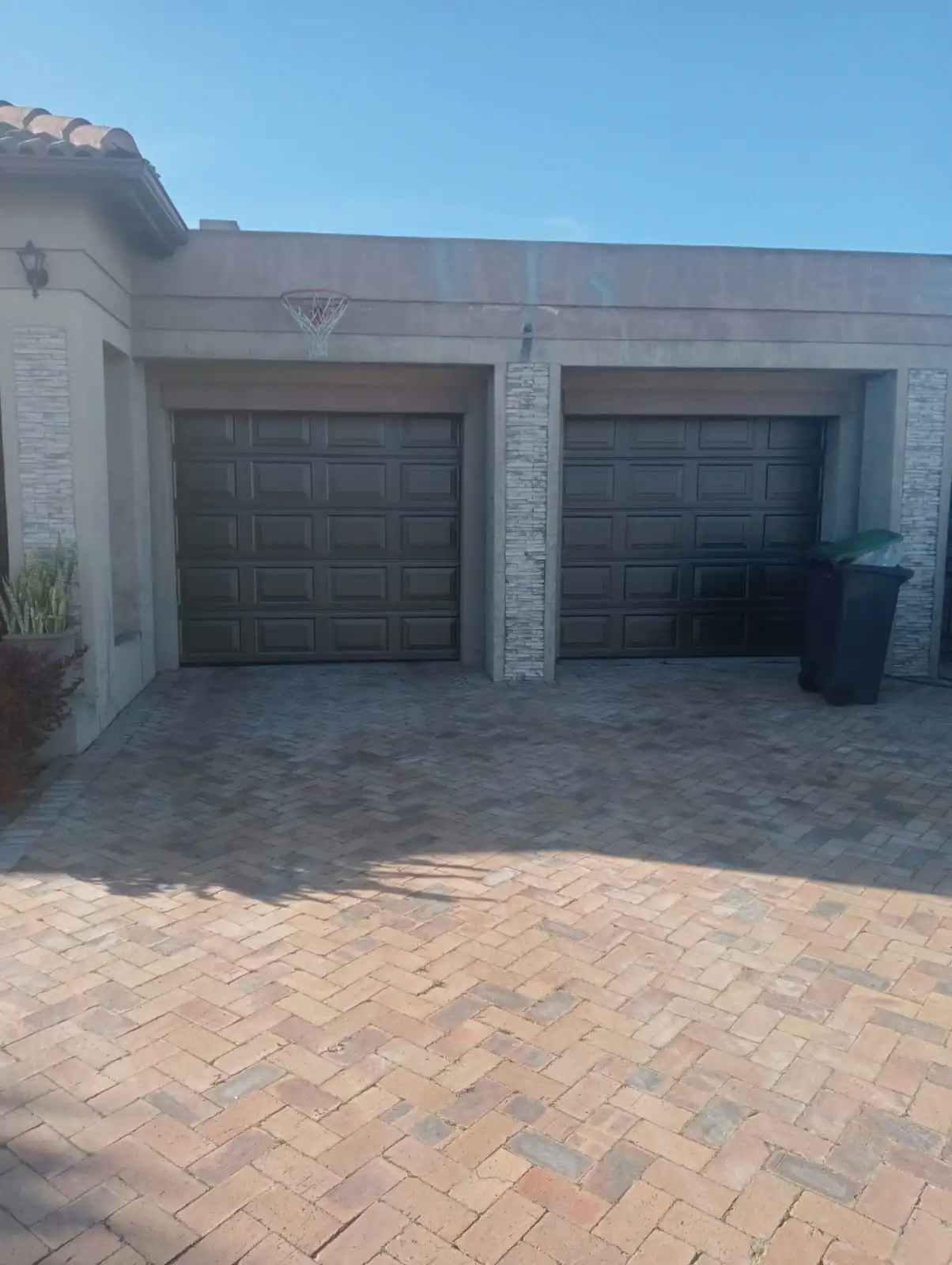
Pressure Washing and Fungal Treatment
Walls were specified for high-pressure cleaning where suitable to remove loose and flaking paint, grime and chalky deposits.
Where high-pressure cleaning was inappropriate, manual cleaning using the specified solution was allowed for.
Areas affected by fungal growth were treated before coating, including affected cracks where appropriate.
Waterproofing the Horizontal Surfaces
The quotation identifies the front boundary-wall top, windowsills and garage parapet as specific horizontal waterproofing areas.
These details receive rain directly and can admit water through relatively small cracks.
The specified treatment used two coats of Dulux Rainshield, applied in opposing directions after suitable preparation.
Failed Window and Door Sealants
Deteriorating perimeter sealant was identified around windows and doors.
Failed sealing can create a narrow but persistent path for rainwater behind plaster or paint.
Applicable deteriorated material was removed and replaced with flexible single-pack polyurethane.
Exterior wall fittings were also included in the sealing scope where required.
Chalkiness and Efflorescence Required More Than a New Topcoat
The written quotation records high levels of efflorescence or chalkiness on affected walls.
A chalky substrate can prevent a new coating from developing reliable adhesion because the paint bonds to loose powder instead of a stable surface.
The specified preparation therefore incorporated more intensive stabilisation and plaster priming before the decorative finish.
Dampshield and Bare-Plaster Priming
Applicable affected wall areas received the specified Dulux Dampshield preparation.
The quotation also required a detailed alkyd plaster-primer system to bare areas, including curing time between coats.
This is an important part of the original project that is easily lost when a case study is reduced to a short list of “damp proofing and painting”.
Hairline Cracks and Wider Plaster Cracks
Hairline cracks received the specified primer and flexible Rainshield preparation.
Wider 1–5 mm cracks required opening, cleaning, compatible masonry patching, sanding and a wider flexible Rainshield repair system across the prepared area.
Expansion joints were treated separately with flexible polyurethane because they must accommodate movement.
Why Decorative Plaster Bands Matter
The garage elevation contained decorative plaster bands and junctions that could not simply be treated as uninterrupted flat wall.
Where fine cracks form at these changes in profile, water can enter behind the finish and later appear as localised discolouration or peeling.
This is one reason visual inspection of the actual architectural details matters before preparing a repaint specification.
Weathered Fascia Boards and Sprockets
The quotation describes the exterior woodwork as weathered.
Loose and flaking coating was removed, sound surfaces sanded and hard edges feathered.
Bare timber received the specified Prominent wood primer followed by universal undercoat before finishing.
The fascia boards and sprockets then received the documented Dulux roof-paint finish.
Exterior Staircase and Handrailing
The staircase and handrailing were included separately from the fascia system.
After timber preparation and priming, these elements received the specified Dulux Pearlglo Waterbased finish.
Different Wall Areas Received Different Finishing Systems
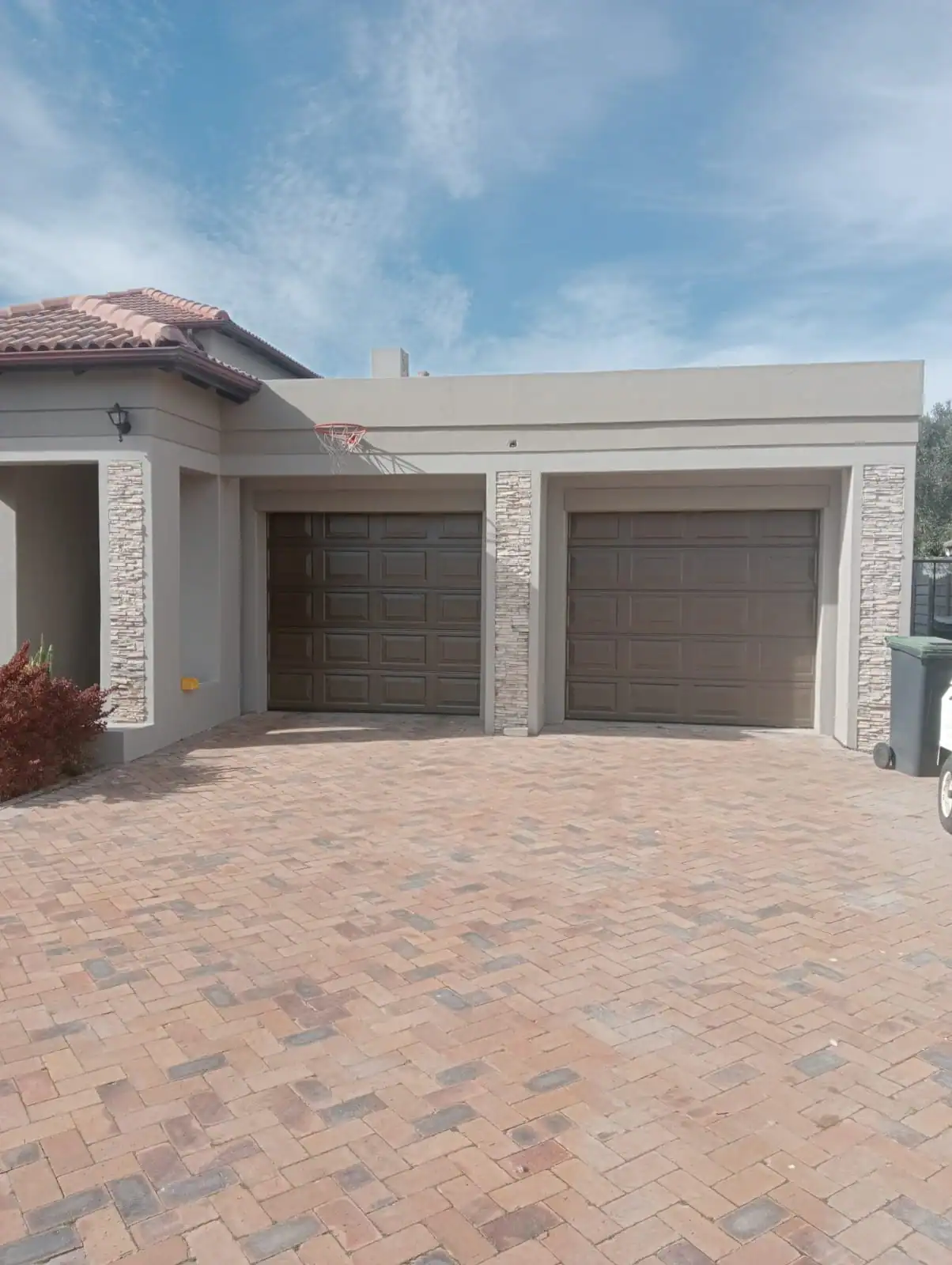
The main-building walls received the documented Dulux Weathershield system.
The front boundary wall received the specified Dulux Weatherguard system.
This distinction illustrates an important principle: not every surface on the same property automatically needs the same finishing paint.
Completed Fernwood Estate Exterior
What This Fernwood Estate Project Demonstrates
Newer or more modern-looking properties are not immune to coating failure.
Small movement cracks, defective sealants, vulnerable plaster-band junctions and exposed horizontal details can allow water behind an exterior coating.
The correct remedial system therefore depends on identifying those defects, stabilising the substrate, waterproofing where required and only then applying the appropriate finishing paint.
Related Newlands Painting Services
Return to Painters Newlands.
Related services include Exterior Painters Cape Town, Damp Proofing Cape Town and Residential Painters Cape Town.
Call 082 374 6862 or visit our contact page.
Original Painters Cape Town project photography. Image licensing information.
Helpful Painting Guides
Damp Walls and Repainting
Learn why damp, waterproofing defects, failed seals, boundary walls and moisture routes should be investigated before repainting.
Why Paint Peels, Fades and Cracks
Understand how moisture, weak adhesion, chalking and inadequate preparation can cause exterior coatings to fail.
Planning a Premium Home Repaint
See how gardens, architectural details, timber, windows, access and protection should be coordinated before preparation begins.
Fernwood Estate Newlands Painting FAQs
When was the Fernwood Estate project completed?
The documented exterior project was carried out from 4 to 11 May 2026.
What moisture readings were recorded?
Protimeter readings ranged from 8% to 22% across the assessed exterior areas.
What coating problems were identified?
The inspection recorded peeling and badly weathered paint, chalkiness or efflorescence, moisture-related deterioration, deteriorated window and door seals, vertical and horizontal cracking and weathered exterior woodwork.
Can relatively modern homes still have damp-related paint failure?
Yes. Cracks, failed flexible joints, windowsills, parapets and decorative plaster junctions can create localised water-entry routes on newer properties.
Which horizontal surfaces were waterproofed?
The documented scope included applicable windowsills, the front boundary-wall top and the garage parapet.
Why was chalkiness important?
A chalky surface can prevent reliable adhesion because new paint may bond to loose powder rather than a stable substrate. The affected surface therefore required suitable preparation and priming.
Were window and door seals repaired?
Yes. Deteriorated sealing was removed where required and applicable joints resealed with flexible single-pack polyurethane.
How were wider plaster cracks repaired?
Applicable wider cracks were opened, cleaned and repaired using compatible masonry material before flexible waterproof preparation was applied across the repaired area.
Were expansion joints included?
Yes. Applicable movement joints were resealed with flexible polyurethane rather than treated as ordinary rigid plaster cracks.
Was exterior woodwork included?
Yes. The project included fascia boards, sprockets, exterior staircase and handrailing, each with suitable preparation and finishing systems.
Did the main walls and boundary wall receive the same finish?
No. The documented project specified Dulux Weathershield to the main building and Dulux Weatherguard to the front boundary wall.
Where can I see your complete Newlands service?
Visit the Painters Newlands page.

Copyright 2026 , all rights reserved.