Documented Durbanville Damp-Related Painting Project
Graanendal Estate Durbanville Damp and Paint Repair Case Study
A real June 2026 Graanendal Estate project involving peeling and blistered interior coatings, Protimeter readings of 17.6% to 21.3%, exterior cracks, failed window sealant and unwaterproofed windowsills.
Instead of repainting the damaged interior wall alone, the investigation considered how moisture could be entering from outside before the affected interior and exterior surfaces were repaired and recoated.
Real Graanendal Estate Project Evidence
17.6%–21.3% Moisture Readings
Protimeter readings recorded during the inspection ranged from 17.6% to 21.3% on the assessed damp-affected areas.
Exterior Cause Investigation
Exterior cracks close to windows, deteriorating window sealant and hairline-cracked, unwaterproofed windowsills were identified during the moisture investigation.
Interior + Exterior Repair
The project coordinated interior coating repairs with exterior crack preparation, sealing and waterproofing rather than treating the interior damage in isolation.
Specified Coating Systems
The documented specification included Dulux Dampshield, Rainshield, Weathershield, Luxurious Silk and substrate-specific preparation products.
Written Diagnostic Approach
The visible coating symptoms and probable moisture-entry routes were documented before the repair and repainting system was finalised.
Direct Painting Contractor
Painters Cape Town uses full-time employed painters with working-foreman supervision rather than operating as a lead-generation enquiry website.
Damp-Related Paint Repairs at Graanendal Estate in Durbanville
This documented June 2026 painting project at Graanendal Estate in Durbanville began as an interior redecorating project but developed into something more important after moisture-related coating failure was investigated.
Peeling, blistering and powdery coatings were visible on affected interior walls. Rather than simply scraping the damaged paint and applying new decorative coats, the inspection considered whether moisture could be entering the building from exterior defects.
The project forms part of our wider Durbanville painting service, where we undertake suitable interior, exterior, roof, residential, estate and damp-related painting projects.
The Graanendal case study demonstrates an important principle: interior paint failure can sometimes be the visible symptom of a problem originating on the exterior of the building.
Graanendal Estate Project Overview
Location: Graanendal Estate, Durbanville
Property type: Private estate home
Project: Interior repainting with damp-related investigation and exterior remedial preparation
Completed: June 2026
Protimeter readings: 17.6% minimum to 21.3% maximum
Interior symptoms: Peeling, blistering, chalky or powdery coatings, cracks and damp-affected wall areas
Exterior findings: Cracks close to windows, deteriorating window sealant, hairline cracks to windowsills, unwaterproofed sill surfaces and mould around some cracked exterior areas
Key principle: The probable routes of external moisture entry were considered before the damaged interior coating was repainted.
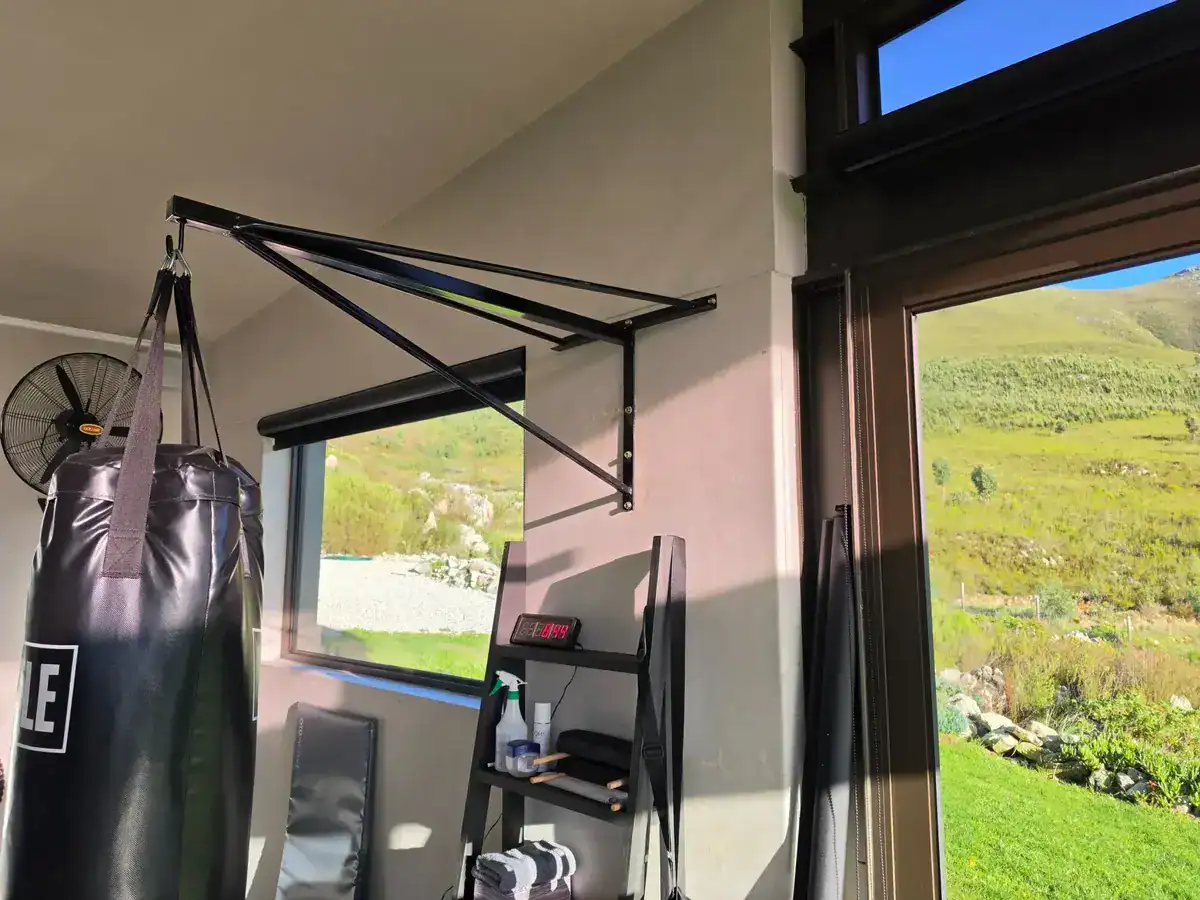
What We Found During the Graanendal Inspection
The damaged interior paint provided the first visible indication that further investigation was required.
Several separate conditions were documented rather than assuming that every defect had the same cause.
Peeling and Blistered Interior Coatings
Loose and blistered coatings were present on damp-affected interior wall areas.
A blister occurs when the coating loses adhesion and lifts away from the substrate. Applying another decorative coat over loose or poorly bonded paint does not restore the integrity of the surface underneath.
The failed material therefore needed to be removed and the substrate prepared before repainting.
Chalky and Powdery Paint
Some affected wall areas also showed chalking or powdery coating deterioration.
A new coating needs to bond to a sound substrate. Where the existing surface is weak or powdery, suitable removal, cleaning, stabilisation or priming may be required before finishing coats are applied.
Measured Moisture Levels
Protimeter readings recorded during the inspection ranged from 17.6% at the lowest measured point to 21.3% at the highest.
A moisture meter reading is one part of the diagnostic process. It should be considered together with the location of the damaged coating and visible building defects rather than treated as a diagnosis on its own.
In this case, the internal symptoms were assessed alongside exterior cracking, failed sealant and unprotected windowsill surfaces.
Looking Outside to Understand the Interior Paint Failure
The original project scope focused mainly on the interior. However, inspection of the affected areas indicated that exterior moisture-entry defects also required attention.
This changed the way the painting project had to be approached.
If the probable external routes of water entry were left untreated, repairing and repainting the interior alone could have left the new coating exposed to the same moisture problem.
This is why our damp-related preparation service focuses on identifying visible contributing conditions before damaged paint is simply covered again.
Exterior Cracks Close to Windows
Cracking was identified on exterior walls close to window areas.
Cracks can provide a route for rainwater into plastered walls, particularly where the crack connects with another vulnerable building detail such as a sill, frame or joint.
The repair method therefore depended on the width and condition of each crack rather than treating every crack identically.
Deteriorating Window Sealant
Existing sealant around some window areas had started to fail.
The junction between a window frame and surrounding masonry is an important exterior weatherproofing detail. Once sealant deteriorates, rainwater can potentially enter behind the decorative wall coating.
Deteriorated sealant in affected areas was therefore specified for removal and replacement using flexible polyurethane sealant.
Hairline Cracks to Windowsills
Hairline cracking was also found on windowsill surfaces.
Windowsills are exposed horizontal surfaces and can receive considerably more direct rainfall than the vertical wall beneath them.
If these surfaces remain porous or cracked, moisture may enter from above even when the vertical wall coating still appears relatively sound.
Windowsills That Required Waterproofing
The affected windowsill areas had not been adequately waterproofed for the conditions identified during the inspection.
The project specification therefore included preparation and waterproofing of relevant horizontal sill surfaces with the specified Dulux Rainshield system.
This is similar to the preparation-first principle documented at our D’Landen Estate Durbanville exterior painting project, where horizontal surfaces, cracks, failed sealants and expansion joints also formed part of a wider moisture investigation.
Mould Around Exterior Cracking
Mould or biological growth was visible in some exterior areas where cracking was present.
Affected areas were specified for fungal treatment and cleaning before subsequent repair and coating work.
Interior Preparation at the Graanendal Home
Once the visible moisture-related problems had been assessed, the damaged interior surfaces could be prepared according to their condition.
Protecting Floors and Interior Finishes
Before interior preparation and painting, floors, furniture and other relevant finished surfaces were protected from dust and paint splatter.
Electrical covers were removed where practical and masking was used to maintain neat junctions around ceilings, walls, frames and skirting.
Cornice and Ceiling Preparation
The inspection noted cracking around some cornice junctions. Relevant gaps and cracks were prepared and filled before the ceiling and cornice surfaces were repainted.
The specified finishing system included two coats of Dulux Wall & Ceiling Paint to the prepared ceiling areas.
Preparing Damp-Affected Interior Walls
Loose, blistered and unstable coatings were removed from affected areas so that the new coating system was not applied over failed material.
The project specification called for Dulux Dampshield on specified damp-affected cementitious wall areas before the final decorative coating system.
It is important to distinguish this treatment from fixing an uncontrolled water source. A damp-resistant coating is not a substitute for correcting continuing exterior water entry.
Interior Crack Repairs
Plaster cracks were opened where required so that loose material could be removed and the repair system could bond to a properly prepared joint.
The specified preparation included alkali-resistant sealer and different repair materials according to the depth and condition of the crack.
Doors, Frames and Skirting
The inspection also noted chipped, weathered and yellowed painted woodwork.
Relevant doors, frames and skirting were prepared by removing loose coating, sanding and feathering hard edges before priming and undercoating.
The finishing specification included Dulux PearlGlo Waterbased paint to the prepared woodwork.
Interior Finishing Coats
After the underlying preparation had been completed, the specified interior wall finish consisted of two coats of Dulux Luxurious Silk.
The finishing coat was therefore the final stage of the process rather than the solution to the original moisture problem.
Exterior Remedial Preparation
The exterior areas identified during the damp investigation required their own preparation before the interior project could reasonably be considered complete.
Cleaning Exterior Surfaces
Affected exterior areas were cleaned to remove loose paint, grime, chalky deposits and contamination.
High-pressure washing was used where suitable, with controlled cleaning methods available for areas where high-pressure treatment was not appropriate.
Fungal Treatment
Exterior areas affected by fungus or biological growth were treated with the specified fungal-wash system before further preparation.
Damp-Related Exterior Priming
Specified exterior cracks and damp-affected surfaces received Dulux Pre-Paint Dampshield according to the project specification.
The preparation allowed for additional treatment where substrate moisture readings fell within the range identified in the supplier-based specification.
Window and Joint Resealing
Deteriorated sealant around relevant window, door and joint areas was removed where required and replaced with flexible single-pack polyurethane sealant.
The purpose was to deal with identified junctions where deteriorated sealing could contribute to moisture entry.
Exterior Plaster Crack Repairs
Relevant plaster cracks were opened, cleaned and repaired according to their size and condition.
Dulux Rainshield was specified over repaired crack areas where appropriate, with coats applied according to the documented preparation system.
Waterproofing Vulnerable Windowsills
Prepared horizontal windowsill surfaces received two coats of Dulux Rainshield where specified.
The second coat was applied perpendicular to the first as part of the documented waterproofing system.
Exterior Finishing Coats
After completing the specified cleaning, crack repair, sealing, damp-related preparation and waterproofing work, affected exterior zones received two coats of Dulux Weathershield.
The scope allowed the relevant wall areas to be painted from corner to corner to produce a more consistent finished appearance.
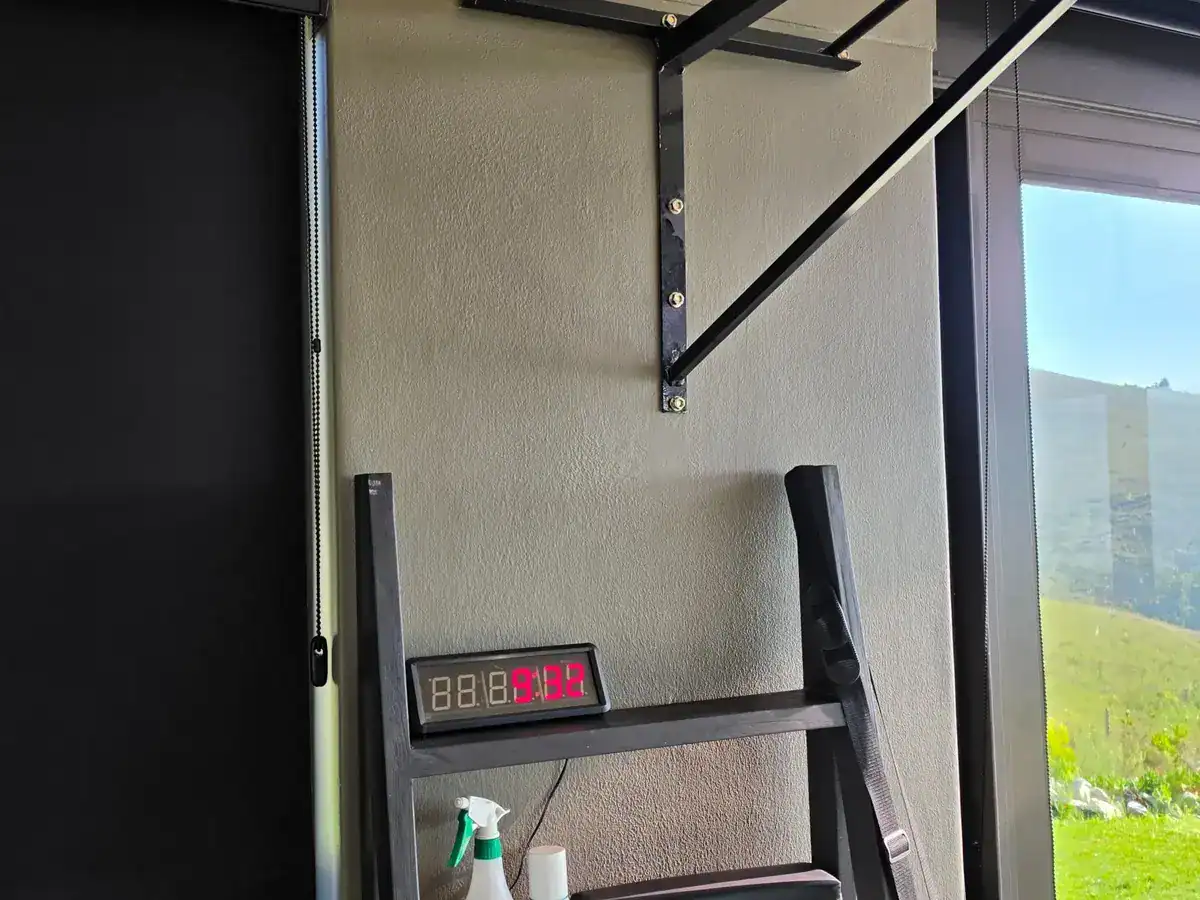
The Completed Graanendal Estate Wall
The completed interior wall had a substantially better basis for repainting because the visibly failed coating had been removed and the interior preparation was coordinated with repairs to identified exterior defects.
That does not mean any painted wall can be guaranteed against every future damp condition. Long-term performance still depends on repaired exterior details remaining sound and no new source of moisture developing.
This distinction is part of responsible painting specification: deal with what can reasonably be corrected, document remaining limitations and do not hide unresolved moisture behind decorative paint.
Three Durbanville Projects — Three Different Painting Problems
Graanendal now becomes the third documented project in our Durbanville mini-authority.
Our D’Landen Estate case study documents exterior moisture readings of 19.7% to 35.9%, map cracking, failed sealants, expansion-joint defects and horizontal waterproofing requirements.
Our Clara Anna Fontein Estate roof-painting case study documents an entirely different challenge: a previously unpainted slate roof with biological growth, contamination, an obstructed roof valley and the need for full bonding preparation.
Graanendal adds a third situation: interior coating failure where the investigation identified exterior routes of moisture entry that needed attention before the inside was repainted.
That distinction is important because genuine painting experience is demonstrated by different properties presenting different problems—not by repeating the same suburb description across multiple pages.
Interior Painting and Damp-Related Preparation in Durbanville
Durbanville homes can experience interior coating deterioration for many different reasons. These can include plumbing leaks, exterior cracks, roofline defects, failed window sealing, condensation, waterproofing defects or moisture moving through masonry.
The correct response depends on the condition actually present.
Our Interior Painters Cape Town service includes suitable interior preparation, ceilings, walls, painted woodwork and associated repairs.
Where moisture is contributing to coating deterioration, our damp-related preparation service provides further information about identifying and treating suitable damp-affected areas before repainting.
Painting Homes in Graanendal Estate
Graanendal Estate contains substantial residential properties where maintenance painting can include interiors, exterior plaster, roofs, window junctions, boundary walls, garage areas, timber and metalwork.
Estate painting also requires attention to access procedures, site conduct, working hours, protection of landscaping and finished surfaces, and approved colour requirements where applicable.
Our Estate and Body Corporate Painting Cape Town page explains our approach to suitable managed residential painting projects.
How This Case Study Supports Our Painters Durbanville Page
This Graanendal project page is a supporting evidence resource for our main professional painters in Durbanville page.
The main Durbanville page remains our central commercial page for homeowners and property managers seeking painting contractors. These individual project pages provide deeper evidence of our actual inspections, diagnoses, preparation specifications, products and completed work.
Durbanville forms part of our wider Cape Northern Suburbs painting service area.
Relevant Painting Services and Durbanville Case Studies
- Painters Durbanville — our main Durbanville service page.
- Damp Proofing Cape Town — damp-related preparation and moisture-affected coating problems.
- Interior Painters Cape Town — interior walls, ceilings, trim and preparation.
- Exterior Painters Cape Town — exterior preparation, crack repairs, sealing and repainting.
- D’Landen Estate Durbanville Exterior Painting — documented exterior moisture, cracking and waterproofing project.
- Clara Anna Fontein Estate Roof Painting — documented slate-roof preparation and painting project.
Why the Cause of Damp Matters Before Repainting
A damp-looking wall is not a diagnosis.
Two walls can show similar bubbling or peeling while the actual causes are completely different. One may be affected by an exterior crack, another by failed sealant, a roof problem, plumbing, condensation or moisture entering from behind the structure.
This is why repainting should not begin with the assumption that a particular paint product will solve every damp problem.
The Graanendal project is a practical example of following the evidence from the damaged interior wall to visible exterior defects before specifying the remedial painting work.
Need a Damp-Related Painting Inspection in Durbanville?
If interior paint is peeling, blistering, chalking or repeatedly failing, another decorative coat may only conceal the symptoms temporarily if an active moisture source remains.
Our approach is to inspect the relevant surfaces, document visible conditions and explain which preparation is included before new coatings are applied.
For a Durbanville inspection and written painting quotation, call 082 374 6862
or visit our contact page.
Helpful Painting Guides
Why Paint Peels in Cape Town
Understand why Cape Town weather causes paint to peel, fade and crack, and why preparation matters before repainting.
Exterior Paint Failure in Somerset West
Learn why coastal and Winelands homes often fail early at exterior walls, roofs and boundary walls.
Preparing Damp Walls Before Repainting
See how damp walls, timber and boundary walls should be prepared correctly before painting mature properties.
Graanendal Estate Durbanville Damp and Painting FAQs
What problems were found at the Graanendal Estate project?
The inspection documented peeling and blistered interior coatings, chalky or powdery paint, elevated moisture readings, exterior cracks close to windows, deteriorating window sealant, hairline-cracked windowsills, unwaterproofed sill areas and mould on some cracked exterior surfaces.
What were the moisture readings?
Protimeter readings recorded during the inspection ranged from 17.6% at the lowest measured point to 21.3% at the highest.
Why was the exterior inspected when the damaged paint was indoors?
The location and condition of the interior coating suggested that external water entry could be contributing to the failure. Exterior cracks, failed window sealant and vulnerable windowsill areas were therefore investigated before the interior was repainted.
Can damp-resistant paint fix an exterior water-entry problem?
No. A suitable coating may form part of the preparation system, but continuing water entry through cracks, failed sealant, roof defects, plumbing or other sources must be addressed separately.
Why were the windowsills waterproofed?
Windowsills are exposed horizontal surfaces. Hairline cracks and porous sill surfaces can allow rainwater to enter from above, so the affected prepared sill areas were included in the waterproofing specification.
What happened to the failed window sealant?
Deteriorated sealant in relevant areas was specified for removal and replacement using flexible single-pack polyurethane sealant.
Which coatings were used on the project?
The documented specification included Dulux Dampshield on specified damp-affected areas, Dulux Rainshield for relevant crack and waterproofing work, Dulux Weathershield externally, Dulux Luxurious Silk on prepared interior walls and Dulux PearlGlo Waterbased on suitable painted woodwork.
Was the project only an interior repaint?
No. Although the original scope concentrated on interior redecorating, the investigation identified exterior moisture-related defects that also required remedial preparation.
Do you undertake other projects in Graanendal Estate and Durbanville?
Yes. Painters Cape Town undertakes suitable interior, exterior, roof, residential, estate and damp-related painting projects throughout Durbanville and surrounding Northern Suburbs areas.
Are your painters subcontractors?
No. Painting is completed by our full-time employed painters with working-foreman supervision.
How do I request a Durbanville painting quotation?
Call 082 374 6862 or visit the Painters Cape Town contact page to arrange an inspection and written quotation.

Copyright 2026 , all rights reserved.