Interior Painting Durbanville
Interior Painters Durbanville
Preparation-first interior painting for Durbanville homes, estate properties, townhouses and residential interiors where the finish depends on sound walls, ceilings, plaster, trims and correctly repaired defects.
Our local interior experience includes documented 2026 projects in Graanendal Estate and Aurora, covering peeling coatings, chalking, damp-related failure, moisture diagnosis, plaster repairs and complete interior repainting.
Durbanville Interior Painting
- Interior walls and ceilings.
- Homes and estate properties.
- Bedrooms and living areas.
- Passages and entrance areas.
- Ceilings and cornices.
- Doors, frames and skirting.
- Crack and plaster preparation.
- Loose and peeling paint removal.
- Chalky or powdery surface preparation.
- Damp-related coating failure.
- Moisture investigation before repainting.
- Careful protection of completed interiors.
Durbanville Interior Painting Experience You Can Verify
Our interior painting service is supported by 27 years of painting-contractor experience, employed painters, working-foreman supervision and genuine Durbanville projects where surface defects were diagnosed and repaired before repainting.
27 Years of Painting Experience
Twenty-seven years of painting-contractor experience across private homes, estate properties, interiors, exteriors, roofs and managed buildings.
Real Durbanville Interior Evidence
Graanendal Estate and Aurora provide genuine 2026 evidence involving peeling paint, chalking, moisture diagnosis, damp-related repairs and interior repainting.
Full-Time Employed Painters
Interior painting is completed by our own company employees rather than subcontracted painting crews.
Preparation Before Decoration
Loose coatings, cracks, damaged plaster, moisture symptoms and other defects are considered before the decorative finishing coats are applied.
Working-Foreman Supervision
An experienced working foreman supervises preparation, protection, workmanship and daily site organisation.
Direct Accountability
You deal directly with the painting contractor responsible for the inspection, quotation, preparation, employed team and completed project.
Interior Painting in Durbanville Is More Than Changing the Colour
A successful interior repaint depends on the condition of the surfaces underneath the new finish.
Walls and ceilings can contain old repairs, cracks, loose paint, powdery coatings, previous water damage, stains, damaged plaster and other defects that become even more visible after fresh paint is applied.
Preparation should therefore come before colour selection and finishing coats.
For our complete local service, visit Painters Durbanville.
What Our Durbanville Interior Painting Service Can Include
Depending on the property and written scope, interior painting can include:
- bedroom walls;
- living and dining areas;
- entrance halls and passages;
- interior plastered walls;
- ceilings;
- cornices;
- doors and frames;
- skirting boards;
- selected previously painted woodwork;
- crack and plaster repairs;
- removal of loose or peeling coatings;
- preparation of chalky or powdery walls;
- damp-related preparation where appropriate; and
- protection of floors, furniture and completed finishes.
The exact specification depends on the condition of the existing surfaces rather than applying one standard system to every room.
Interior Wall Preparation Before Painting
Walls that appear acceptable from a distance can reveal defects once preparation begins.
Existing paint should be sufficiently sound to support the new coating system. Loose or peeling paint needs to be removed, while damaged plaster and visible imperfections should be repaired and sanded appropriately.
A new coat of paint cannot permanently hold unstable old material onto the wall underneath it.
Peeling and Flaking Interior Paint
Peeling paint means the existing coating has lost adhesion to the underlying surface or another coating layer.
Simply applying another decorative coat can hide the problem temporarily while leaving the unstable layer underneath.
The failed coating should first be removed back to a sound edge before the remaining surface is assessed and prepared.
For more information on failure mechanisms, visit Why Paint Peels, Bubbles or Fails in Durbanville.
Chalky and Powdery Interior Walls
Some failed interior coatings become weak, dusty or powdery.
If a new paint system is applied over an unstable powdery layer, adhesion can be compromised because the new coating is bonding to loose material instead of a sound substrate.
These surfaces require appropriate cleaning, removal of unstable material and preparation before repainting.
Cracks, Damaged Plaster and Previous Repairs
Interior walls often show previous patch repairs, hairline cracks, wider defects or damaged plaster.
Not every defect requires exactly the same treatment.
Preparation can involve opening and repairing suitable cracks, filling local imperfections, sanding repairs to a smooth finish and applying the appropriate primer or sealer before topcoating.
Good preparation is particularly important in rooms with strong natural light because uneven filling and sanding can remain visible through the finished coating.
Interior Damp Marks Should Not Be Treated as a Paint-Only Problem
When paint bubbles, peels or becomes powdery on an interior wall, the visible coating failure may be the final symptom of water entering somewhere else.
Possible sources can include exterior cracks, failed window or door seals, damaged waterproofing, roof-to-wall junctions, plumbing or other building defects.
Painting the damaged interior wall without considering the source can allow the problem to return.
Moisture Readings Help With Diagnosis
Where moisture is relevant, we use a Protimeter to support the assessment.
A moisture reading does not independently identify the source of water. The reading should be considered together with the wall location, visible defects and relevant exterior or plumbing details.
This approach was important on both our Graanendal Estate and Aurora interior projects.
Graanendal Estate — Interior Damp Repairs and Repainting
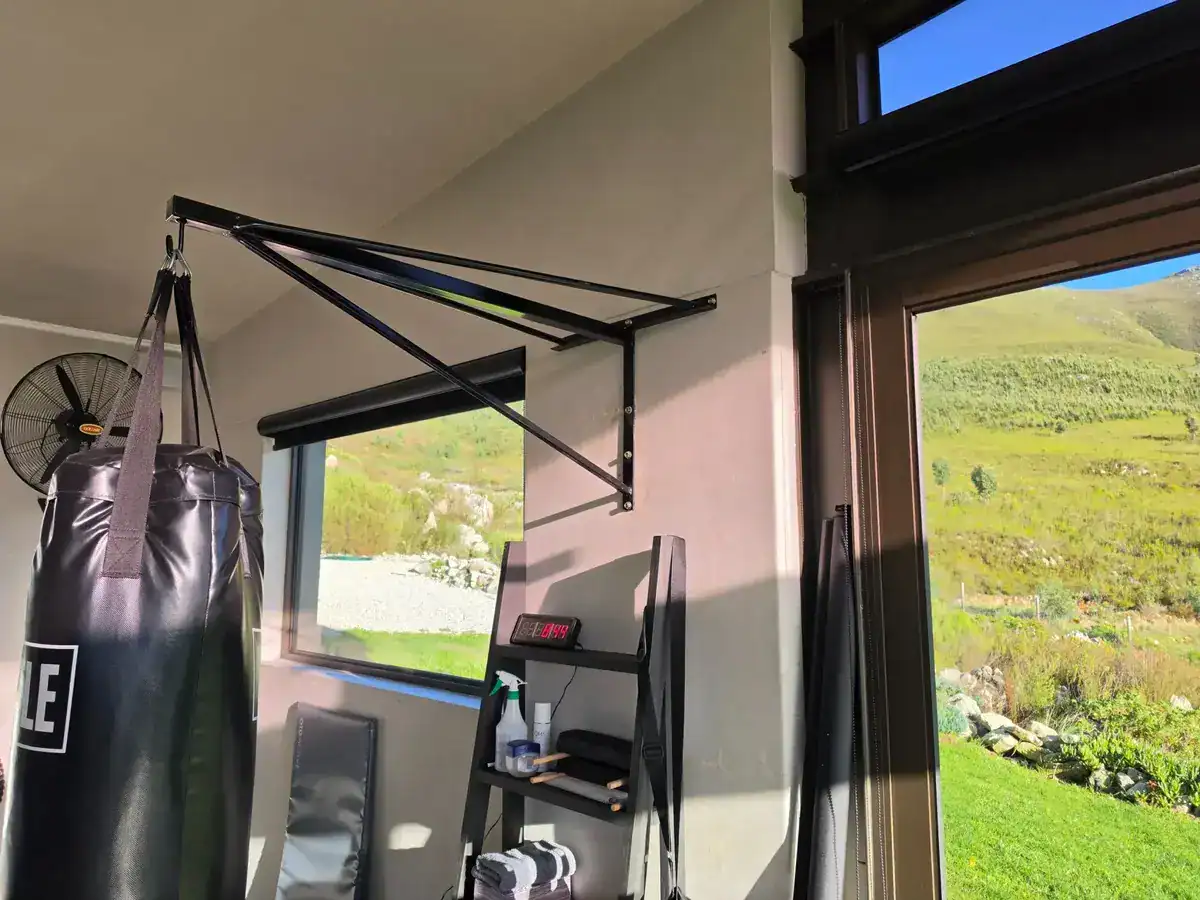
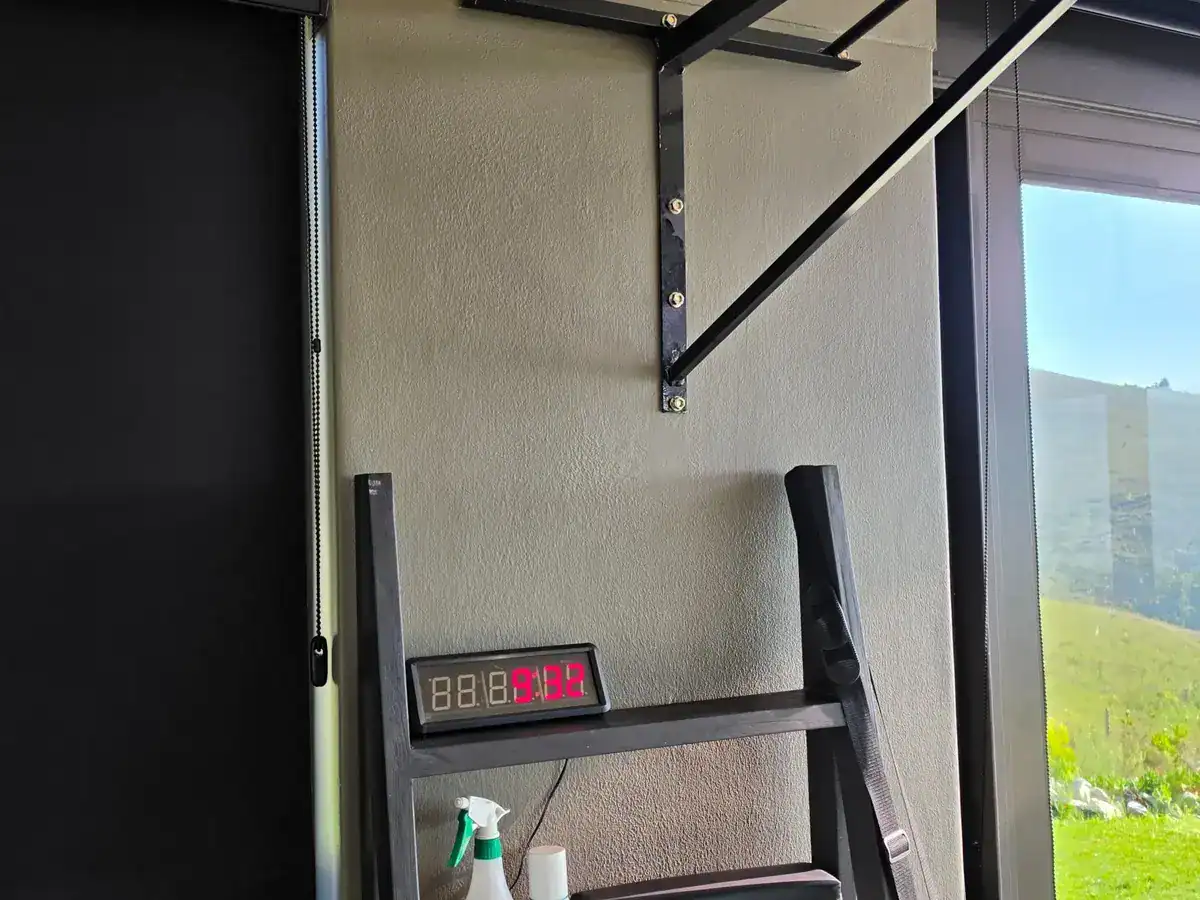
The Graanendal Estate project involved damp-related investigation, exterior repairs, interior preparation and repainting of affected house and home-gym walls.
Interior coatings showed severe peeling, blistering and powdery or chalking failure. Recorded Protimeter readings ranged from 17.6 to 21.3.
The assessment did not treat the damaged interior paint in isolation.
Exterior cracking, failed sealing and vulnerable windowsill surfaces were also investigated because these details could allow water into the wall.
Relevant exterior repairs were therefore coordinated with the interior preparation before repainting.
Graanendal Preparation and Coating System
Loose and failed interior coatings were removed so that the new system would not rely on an unstable base.
Specified damp-affected cementitious areas received Dulux Dampshield where appropriate, while the affected interior plaster was finished with two coats of Dulux Luxurious Silk.
A damp-resistant coating was not treated as a substitute for addressing exterior water-entry defects.
View the Graanendal Estate Damp-Repair Case Study
Aurora — Complete Interior Painting After a Failed Exterior Flashing
Our Aurora project provides a second useful Durbanville interior example because the visible damage occurred inside the main bedroom, but the confirmed source of the water was outside.
The project was completed on 10 September 2026.
The affected interior side of an exterior wall showed peeling paint and chalkiness. Protimeter readings ranged from 10.5 to 22.7.
Inspection confirmed that water had been entering where a corrugated roof-sheet canopy joined the exterior wall because the previous flashing had failed.
Correcting the Moisture Source First
The old aluminium flashing was removed and replaced.
The new flashing was mechanically fixed to the wall, with polyurethane sealing used around the drilled fixing points and along the upper flashing-to-wall junction to reduce further water entry.
Only after dealing with the source was the damaged interior wall prepared for repainting.
Aurora Interior Wall Preparation
Peeling paint was sanded away and the wall received two coats of Dulux Dampshield, applied 24 hours apart.
Remaining imperfections were filled, allowed to dry and sanded to a smooth finish.
Dust was removed before the repaired areas were spot treated where required.
The final interior finish consisted of two coats of Dulux Luxurious Silk matched to the client’s selected Dulux Grey Steel 3 colour.
This project is a useful example of why successful interior repainting sometimes begins outside the room being painted.
Interior Painting for Durbanville Estate Homes
Durbanville includes many estate and high-value residential properties where interior painting requires careful protection and organised site management.
Furniture, floors, fitted joinery, glazing and existing finishes need to be protected appropriately during preparation and painting.
Estate access and security requirements can also affect how the project is scheduled.
For the wider estate context, see Painting Homes in Durbanville Estates.
Interior Painting in Established Durbanville Neighbourhoods
We also assist homeowners in established Durbanville areas such as Aurora, Eversdal, Kenridge, Sonstraal, Uitzicht, Vierlanden, Vygeboom, Durbanville Hills, Goedemoed and surrounding residential neighbourhoods.
These homes can range from older properties with several previous coating layers and past plaster repairs to more modern interiors with smooth walls and strong natural light where preparation quality is highly visible.
Choosing Interior Paint Finishes
The correct finish depends on the surface, room use, existing coating and desired appearance.
Bedrooms and living spaces may have different requirements from bathrooms, kitchens, passages and other higher-use areas.
Product selection should therefore follow the substrate and intended use rather than relying only on colour.
Colour Changes and Interior Redecoration
A major interior repaint is also an opportunity to change the visual character of the home.
Large colour changes may influence the preparation and number of coats required for an even result.
Strong natural light can also emphasise differences in sheen, patching and surface irregularities, making careful preparation particularly important.
Interior Painting and Exterior Defects Can Be Connected
Graanendal and Aurora both demonstrate that an interior paint problem can originate elsewhere in the building envelope.
Where interior damage is associated with exterior cracks, failed seals, windowsills, flashing or waterproofing, the exterior defect should be considered before the decorative interior repair is completed.
For exterior work, see Exterior Painters Durbanville.
For water-entry and horizontal-surface preparation, visit Waterproofing Durbanville.
How Much Does Interior Painting in Durbanville Cost?
Interior painting cost depends on considerably more than floor area.
Important factors can include:
- number and size of rooms;
- wall and ceiling condition;
- existing coating adhesion;
- cracks and plaster repairs;
- water or damp-related damage;
- doors, frames and skirting;
- height and access;
- furniture and property protection;
- colour changes;
- coating system and finish; and
- the amount of preparation required.
For a broader explanation of quotation factors, see House Painting Costs Durbanville.
Request an Interior Painting Assessment in Durbanville
If you are planning an interior repaint, you do not need to diagnose every defect yourself before contacting us.
Tell us what you want painted and whether you have noticed cracks, peeling paint, damp marks, stains, damaged plaster or other concerns.
A physical inspection allows us to assess the existing surfaces and prepare a written quotation based on the actual work required.
Call 082 374 6862 or use our contact page to arrange an interior painting quotation.
Helpful Durbanville Interior Painting Guides
Explore our related Durbanville painting services, damp and coating-failure guidance, estate information and genuine project evidence.
Painters Durbanville
Our main Durbanville service page connects the complete local painting cluster and documented projects.
Exterior Painters Durbanville
Interior coating failure can sometimes originate from exterior cracks, failed seals, windowsills, flashing or other water-entry defects.
Why Paint Fails in Durbanville
Real local examples explain peeling, bubbling, chalking, moisture and other causes of premature coating failure.
Waterproofing Durbanville
Exterior cracks, parapets, windowsills, wall junctions and failed seals can contribute to moisture appearing inside.
Painting Homes in Durbanville Estates
Estate homes can involve security, access, colour expectations and additional project planning.
House Painting Costs Durbanville
See why preparation, repairs, access, room condition and coating systems influence painting quotations.
Graanendal Estate Damp Repairs
See the documented Durbanville interior project where peeling and blistered coatings were investigated together with exterior water-entry defects.
Painting Quote Checklist Durbanville
Compare preparation, supervision, insurance, exclusions and scope before accepting a painting quotation.
Interior Painters Durbanville — Frequently Asked Questions
What interior surfaces do you paint?
Depending on the written scope, interior painting can include walls, ceilings, cornices, doors, frames, skirting and suitable previously painted or coated interior surfaces.
Do you repair cracks before interior painting?
Yes, where included in the scope. Visible cracks and damaged plaster are assessed and prepared appropriately before finishing coats are applied.
Do you remove peeling paint?
Loose and unstable coating should be removed back to a sound edge before repainting. Applying another coat over peeling paint does not create a dependable substrate.
Can you repaint damp-damaged interior walls?
Yes, but the moisture source should first be investigated. Interior coating failure can result from exterior cracks, failed seals, flashing, waterproofing defects, plumbing or other water-entry routes.
Do you take moisture readings?
Where moisture is relevant to the coating failure, Protimeter readings can support the assessment. The readings are interpreted together with the location and visible building defects.
Do you use Dulux Dampshield on every damp wall?
No. Dulux Dampshield is used only where the substrate and project specification make it appropriate. It does not replace correction of an active water-entry source.
Do you protect floors and furniture during interior painting?
Yes. Appropriate protection of floors, furnishings and surrounding finished surfaces forms part of planning the interior painting work.
Do you paint homes in Durbanville estates?
Yes. We work on private homes and estate properties in Durbanville and plan access, protection and project organisation according to the particular property requirements.
Do you have real interior projects in Durbanville?
Yes. Our documented 2026 evidence includes damp-related interior repairs at Graanendal Estate and a complete interior painting project in Aurora.
What happened at the Aurora interior project?
The affected bedroom wall showed peeling and chalking. Inspection confirmed water entry from failed flashing where a corrugated canopy joined the exterior wall. The flashing was replaced and sealed before the damaged interior wall was prepared and repainted.
Which finish was used at the Aurora project?
After preparation and the specified damp-related treatment, the interior received two coats of Dulux Luxurious Silk in the client's selected Dulux Grey Steel 3 colour.
How do I request an interior painting quote in Durbanville?
Call Painters Cape Town on 082 374 6862 or use our contact page to arrange a physical assessment and written quotation.

Copyright 2026 , all rights reserved.