Upper Bishopscourt Crack Repairs
Real hairline, map and wider plaster crack treatments, along with flexible movement-joint preparation.
Bishopscourt Plaster & Surface Preparation
Preparation-first treatment of suitable hairline cracks, damaged plaster, deteriorated coatings and selected movement joints before interior or exterior painting.
Our original Upper Bishopscourt and Bishopscourt Village projects document map cracking, wider plaster cracks, flexible crack preparation and movement at ceiling and cornice joints.
27 years of painting-contractor experience, employed painters and detailed written diagnostic quotations.
Hairline cracking: Assess plaster, existing coatings and suitable flexible preparation.
Map cracking: Check interconnected surface defects and broader treatment requirements.
Wider plaster cracks: Open, clean and repair where appropriate before specified coating protection.
Movement joints: Use compatible flexible detailing rather than ordinary rigid filler.
Exterior crack repair evidence
Original 2026 evidence from both exterior and interior preparation work.
Hairline, map, wider plaster and movement-related cracking documented in actual projects.
Relevant moisture and water-entry conditions assessed before selecting repairs and coatings.
Preparation-first painting with written observations and appropriate substrate-specific treatment.
Direct supervision and consistent painting teams without subcontracted painting crews.
Decorative crack repairs do not correct unresolved structural movement or foundation defects.
Wall preparation and crack repairs Bishopscourt involve more than filling visible lines before applying paint. Cracking can result from plaster shrinkage, movement, previous coating deterioration, moisture exposure or combinations of these conditions.
The treatment depends on the type of crack, whether movement is continuing, the condition of the surrounding plaster and whether water is entering the building.
Painters Cape Town assesses and prepares suitable interior and exterior surfaces as part of our painting and remedial preparation services. Significant structural cracking, progressive displacement or foundation-related defects require assessment by an appropriate specialist.
Fine cracking can develop when plaster shrinks or experiences unsuitable curing conditions. The surface may remain stable, but the paint preparation still needs to account for the condition of the plaster and any existing coating layers.
Foundations and structural components may move in response to various site and construction conditions. Different soils, structural detailing and building histories can contribute to different cracking patterns.
A crack alone does not prove foundation failure. Repeated widening, displacement, significant step cracking or unusual movement warrants specialist investigation where indicated.
Moisture penetrating through parapets, window joints, damaged waterproofing or other details can contribute to plaster and coating deterioration.
Weak or damp-affected material must be assessed and the relevant source addressed before a lasting decorative repair can be expected.
Cracks can form at junctions between materials that expand, contract or move differently. Cornices, ceiling boards, walls and designed movement joints are examples where ordinary rigid filling may be unsuitable.
Our project completed between 9 and 25 February 2026 recorded hairline cracking, map cracking, wider plaster cracks and defective movement joints.
The repairs distinguished between crack types rather than treating the whole exterior with a single filling method.
Hairline cracks: Applicable fine cracking received alkali-resistant preparation and flexible Rainshield treatment under the specified system.
Map cracking: Interconnected spider-web patterns received broader flexible waterproof preparation where specified.
Wider plaster cracks: Cracks were opened where required, cleaned to sound edges and repaired with suitable material before compatible waterproof crack treatment.
Expansion joints: Deteriorated joint material was removed where necessary and replaced with suitable flexible polyurethane.
The project also had identified water-entry routes and areas of moisture-related coating failure. Repairing cracks without addressing relevant water penetration would not have been an adequate overall preparation strategy.
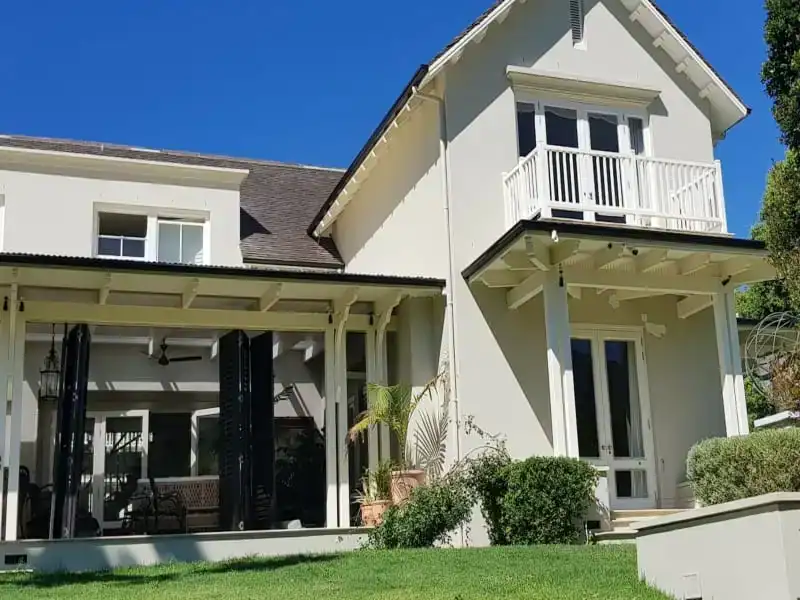
See the original Upper Bishopscourt exterior crack repair project.
The interior project completed from 18 to 28 May 2026 recorded hairline cracks and larger wall cracks measuring approximately 1-3 mm in inspected areas.
Upper-storey Rhinoboard ceilings also showed gaps around some cornices during windy conditions. This required a different treatment from a static plaster crack.
Where specified, flexible single-pack polyurethane was used at applicable moving joints. Other cracks received repair and preparation suitable for their actual condition.
The project demonstrates why a rigid filler applied across an actively moving cornice joint can crack again, even if the finished surface initially looks satisfactory.
View the Bishopscourt Village interior crack and cornice repair case study.
Fine cracks may be confined to plaster or previous coating layers. Treatment depends on whether they are stable, whether the surface is sound and whether moisture or continuing movement is present.
Map cracking creates an interconnected network of fine fractures, sometimes called spider-web cracking. The underlying plaster and coating must be assessed before deciding whether local treatment or broader preparation is required.
Wider cracks may require opening to sound edges, cleaning, appropriate repair material, curing and compatible preparation before painting. Their apparent width does not by itself establish a structural cause.
Expansion and other designed movement joints are not ordinary plaster cracks. They are intended to accommodate movement and require suitable joint preparation and compatible flexible sealants.
Cracks should be assessed before a planned repaint. However, the repair method and timing depend on their stability, exposure and underlying condition.
Where moisture enters through cracking or adjacent building details, the relevant water-entry source should be addressed before the damaged plaster is refinished.
Cracks associated with significant or progressive structural movement should be investigated before cosmetic repair is relied upon.
Exterior repairs also need appropriate weather, curing and substrate conditions for the chosen materials.
We assess the visible crack pattern, surrounding plaster, old coating adhesion, moisture symptoms and any signs of movement or water entry.
Where necessary, failed paint, powdery material, unsuitable filler and loose plaster are removed to establish a sound preparation base.
Static cracks, damaged plaster and designed movement joints may need different repair materials and methods. Repairs are selected according to the actual condition and supplier requirements.
Repair materials must reach their required condition before primers or finishing coats are applied. Damp plaster is not made suitable simply by covering it with additional paint.
Bare plaster, repaired patches and previously painted surfaces may require different primer systems. The final coating is selected for the prepared surface and intended exposure.
A crack can reappear if its underlying cause continues. Building movement, unsuitable rigid filling, repeated moisture entry, unstable plaster or incompatible repair materials may all contribute.
Where repeated movement or structural concerns remain unresolved, a painting contractor cannot guarantee that a decorative crack repair will permanently eliminate the visible defect.
Our quotation explains the proposed repair and any relevant limitations rather than promising that every crack will never return.
Two houses constructed from the same architectural plans can require very different wall preparation.
One builder may have used a suitable alkali-resistant primer on raw plaster and protected horizontal masonry correctly. Another may have used unsuitable priming or left vulnerable waterproofing details untreated.
Different ground conditions, previous paints, plaster movement, repaint histories and material exposure can then create very different repair needs many years later.
The cost difference is often in the work before painting: opening and treating cracks, removing defective coatings, repairing plaster, selecting primers and allowing sufficient skilled labour.
The number of cracks alone does not establish the cost. Their depth, pattern, stability, accessibility, substrate condition and relationship to moisture defects influence the scope.
A small stable interior crack may require relatively local preparation. Extensive exterior map cracking, failed coatings and associated water entry can need much broader repairs.
Our written quotation identifies the included preparation, relevant materials, labour and exclusions. Structural repair, concealed waterproofing defects and extensive plaster replacement may require separate assessment.
If cracked plaster is also affected by active water entry, see Waterproofing Bishopscourt.
For deterioration involving peeling or blistering coatings, see Exterior Painters Bishopscourt and our Southern Suburbs plaster and crack treatment guide.
For interior walls and moving cornice joints, visit Interior Painters Bishopscourt.
Return to Painters Bishopscourt for the complete local painting service.
If your walls show hairline cracks, map cracking, recurring joint gaps or deteriorated plaster, we can inspect the visible condition and determine the appropriate painting preparation scope.
Call 082 374 6862 or request a written Bishopscourt quotation.
Real hairline, map and wider plaster crack treatments, along with flexible movement-joint preparation.
Original interior evidence of moving ceiling joints, plaster cracking and flexible repairs.
Why cracks develop and how appropriate substrate preparation affects the final repaint.
When cracking is associated with water entering through parapets, windows or exterior joints.
No. Some result from shrinkage or surface deterioration. Significant, widening or displaced cracks may need specialist assessment.
A suitable flexible system may be used for certain stable fine cracks, but preparation and product choice must follow the actual substrate.
Continuing movement between ceilings and walls can reopen rigid repairs. Suitable moving joints may need flexible treatment.
Yes, where included in the agreed scope. We assess and specify suitable preparation before applying the finishing coats.

Copyright 2026 , all rights reserved.