Preparation Before Painting
Wall Preparation & Crack Repairs Bellville
Professional preparation of interior and exterior walls in Bellville, including hairline cracks, wider plaster cracks, map cracking, loose paint, chalky surfaces, movement joints and substrate repairs before repainting.
Our documented Kanonberg and Welgemoed projects demonstrate why different cracks, joints and existing coatings require different preparation methods rather than one standard filler-and-paint approach.
Preparation Problems We Assess
- Hairline plaster cracks.
- Wider plaster cracks.
- Map and spiderweb cracking.
- Loose and peeling paint.
- Powdery and chalky coatings.
- Failed previous filler repairs.
- Open expansion joints.
- Movement-related cornice gaps.
- Ceiling-board junctions.
- Timber and plaster junctions.
- Cracked windowsills and parapets.
- Moisture-damaged plaster.
- Primer and bonding requirements.
Professional Painting Begins With Proper Preparation
Preparation is not an optional finishing detail. Cracks, movement joints, weak paint, contaminated surfaces and moisture-related defects must be assessed before selecting the correct repair materials and coating system.
27 Years of Experience
Twenty-seven years of painting and surface-preparation experience across interior, exterior, residential and estate projects.
Real Bellville Projects
Documented Kanonberg exterior and Welgemoed interior projects show actual cracking, joint defects, preparation work and completed finishes.
Different Cracks, Different Repairs
Hairline cracking, wider plaster defects, map cracking and movement joints are not automatically repaired using the same material.
Written Diagnostic Scope
Our quotations identify visible preparation requirements, repair methods, relevant coating systems and limitations before work begins.
Full-Time Employed Painters
Painting and preparation are completed by our own employed painters rather than subcontracted crews.
Working-Foreman Supervision
A working foreman oversees preparation, repairs, compatible priming and finishing work throughout the project.
Wall Preparation and Crack Repairs Before Painting in Bellville
Painters Cape Town provides wall preparation and crack repair work as part of suitable interior and exterior painting projects in Bellville.
New paint can only perform as well as the condition of the surface beneath it. Loose coatings, powdery plaster, cracks, failed previous repairs, moving joints and moisture-related defects can all affect the appearance and durability of a repaint.
Preparation should therefore be based on the actual condition of the substrate rather than assuming that every property needs the same filler, primer and topcoat system.
Our Bellville experience includes older residential properties, premium homes, estate properties and buildings with several previous paint layers.
For our complete local service, visit Painters Bellville.
Why Surface Preparation Matters More Than the Final Colour
Even a high-quality finishing paint may fail when applied over a weak surface.
If existing paint is poorly bonded, the new coating can detach together with the old paint underneath.
If a crack remains open, the new finishing coat may split again along the same line.
If an expansion joint is filled with rigid plaster, normal building movement may reopen the repair.
If moisture continues entering through a failed seal or cracked parapet, repainting the visible stain alone does not repair the water-entry route.
These are preparation and building-condition issues, not simply paint-brand issues.
A suitable preparation specification deals with the relevant defects before the final decorative coatings are applied.
What Wall Preparation Can Include
Depending on the property and accepted quotation, preparation can include:
- inspection of existing wall coatings;
- assessment of cracking and previous repairs;
- identification of weak or powdery surfaces;
- cleaning and washing;
- removal of loose and peeling paint;
- scraping and sanding;
- feathering of hard paint edges;
- removal of loose or damaged plaster;
- opening suitable wider cracks for repairs;
- compatible masonry repair materials;
- flexible preparation of specified cracked areas;
- repair or resealing of relevant movement joints;
- preparation of opened cornice junctions;
- spot priming of repaired areas;
- bonding treatment on suitable friable surfaces;
- dust removal before coating; and
- assessment of moisture-related defects before repainting.
Not every surface requires every one of these treatments. The specification should reflect what is actually found during inspection.
Understanding Different Types of Wall Cracks
One of the most important preparation decisions is identifying the type of crack being repaired.
A fine surface crack and a true expansion joint are not interchangeable defects.
The size, depth, location, movement and condition of the surrounding substrate can influence the repair system.
Hairline Cracks
Hairline cracks are very fine cracks that can develop in plaster or an existing coating system.
Some are largely superficial, while others may reflect minor movement or deterioration in the underlying plaster.
Suitable hairline cracks can sometimes be prepared using a compatible sealer followed by a flexible coating or repair treatment.
At Kanonberg Lifestyle Estate, the documented preparation specification distinguished hairline cracks up to approximately 1 mm from wider plaster cracks.
Wider Plaster Cracks
Wider plaster cracks may require more detailed preparation before filling.
The Kanonberg written specification included opening suitable plaster cracks approximately 1–5 mm wide into a V-shaped joint where required, cleaning away loose material and using compatible masonry repair products.
Repaired surfaces were then prepared to obtain a smooth finish before receiving the specified flexible protective coating system.
This method is not appropriate for every crack. Wider, actively moving or structurally concerning defects require additional assessment.
Map and Spiderweb Cracking
Map cracking appears as a network of interconnected fine cracks across a plastered surface.
It may affect a wider area rather than one clearly defined line.
Repeatedly filling only the visible lines may be inadequate where the surrounding plaster or coating is weak.
The preparation may need to address the affected area as a whole, including cleaning, stabilising where appropriate and using a compatible flexible coating treatment.
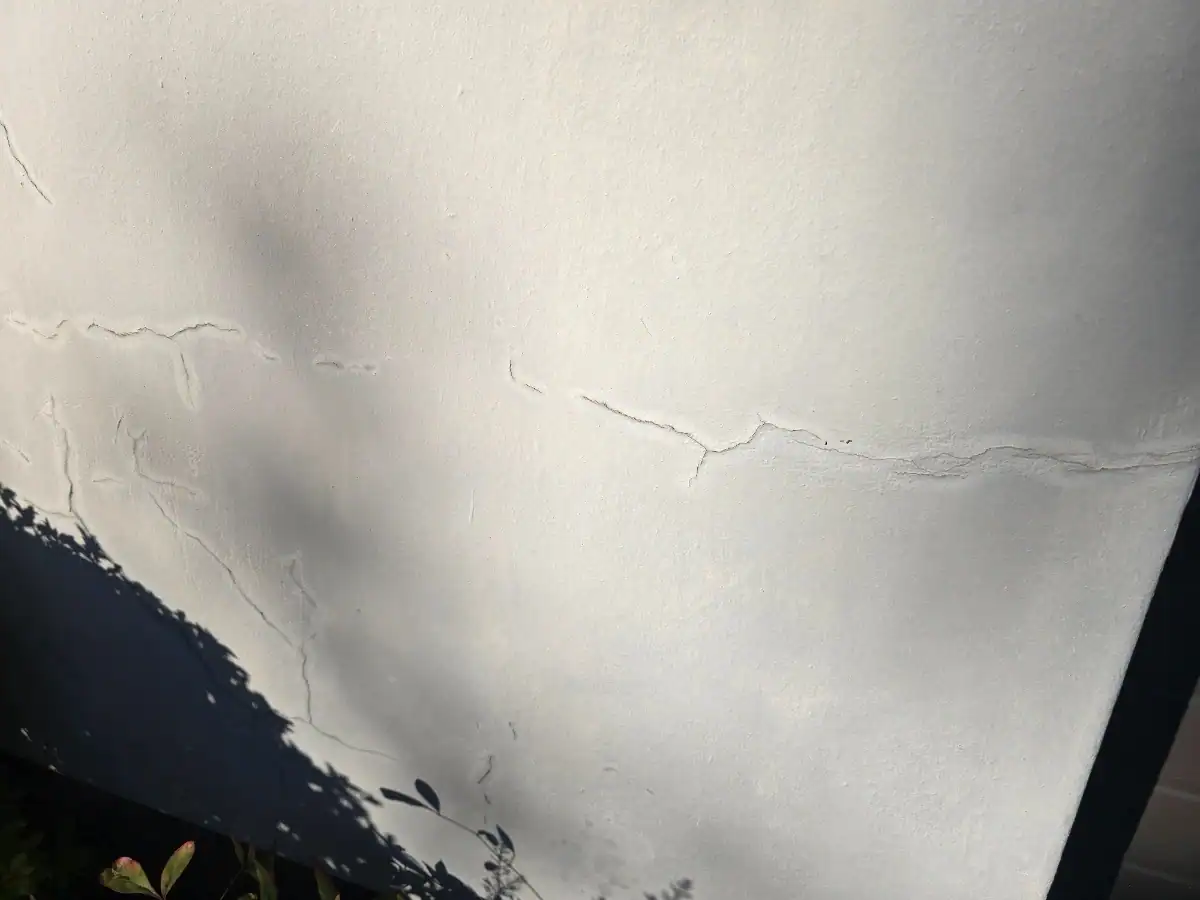
Our Kanonberg project documented this type of cracking on exterior masonry.
Movement and Expansion Joints
Expansion and movement joints are intended to accommodate movement between different parts of a building.
They should not automatically be filled with rigid plaster to make them disappear.
Where deteriorated joints are included in the agreed scope, defective material may be removed and the joint prepared for a suitable flexible sealant.
At Kanonberg, single-pack polyurethane sealant was specified for relevant movement and expansion joints.
Flexible sealing can help accommodate expected movement, but it does not prevent structural movement from occurring.
Real Bellville Project: Kanonberg Lifestyle Estate
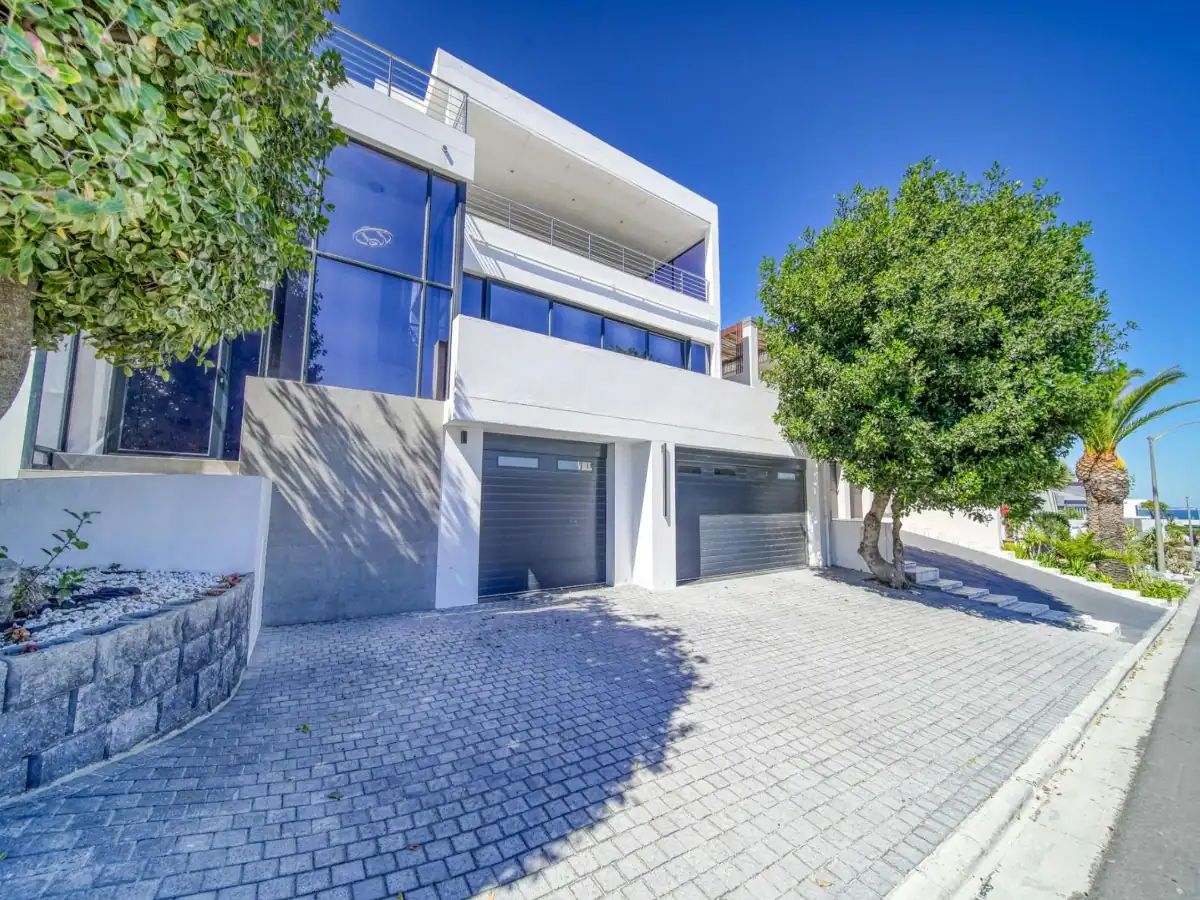
Our documented Kanonberg Lifestyle Estate exterior painting project provides genuine evidence of several different crack and coating problems occurring on the same property.
Location: Kanonberg Lifestyle Estate, Bellville
Property: Private double-storey home
Project dates: 2–11 March 2026
Recorded relative masonry moisture readings: 17%–20% on inspected areas
The home had been exposed to approximately eleven years of weathering since its original painting.
The inspection recorded peeling and discoloured coatings, map cracking, hairline cracks, wider plaster cracks, failed window and door sealants, open expansion joints and defects affecting horizontal windowsills and parapets.
These conditions showed why the exterior required more than pressure washing and two coats of finishing paint.
View the Full Kanonberg Exterior Painting Case Study
How the Kanonberg Walls Were Prepared
The preparation started by identifying the defects that could affect the repaint.
High-pressure cleaning was used where appropriate to remove grime, loose paint and surface contamination.
Poorly bonded paint remaining after cleaning was removed manually.
Different cracking conditions were then addressed according to the written specification.
Fine cracks received the specified sealing and flexible coating treatment. Wider suitable plaster cracks were opened, cleaned and repaired using compatible masonry materials.
Areas with map cracking received preparation suited to the broader affected surface.
Relevant expansion joints and deteriorated perimeter seals received flexible sealing rather than rigid filling.
Cracks and vulnerable horizontal surfaces around windowsills and parapets were also considered because water entering through those areas could continue damaging the prepared vertical walls.
Only after the specified preparation was completed were the relevant coating systems applied.
Actual Crack Repair Products Used at Kanonberg
The Kanonberg preparation specification included products suited to different defects rather than one universal filler.
- Dulux Alkali Resistant Sealer for specified fine cracking.
- Dulux Rainshield for relevant flexible crack and waterproofing treatments.
- Masonry patching plaster and compatible repair materials for suitable wider defects.
- Soudal single-pack polyurethane sealant for specified movement and perimeter joints.
- Dulux Bonding Liquid for suitable friable surfaces where specified.
- Dulux Dampshield on designated damp-affected cementitious areas.
These were recorded components of the project preparation. They should not be interpreted as a universal product specification for every Bellville wall or every crack.
Product choice depends on the substrate, defect, moisture conditions and current manufacturer instructions.
Loose and Peeling Paint Must Be Prepared
Loose paint cannot provide a sound base for a new coating.
Where the existing film has lost adhesion, the defective coating should be removed within the agreed preparation scope.
The remaining sound paint edges may require sanding and feathering so the repaired area does not leave a noticeable ridge beneath the completed finish.
Exposed plaster and previously repaired areas may then require suitable priming before the topcoats are applied.
Simply covering the old loose coating may temporarily improve the appearance but does not restore adhesion to the underlying substrate.
Chalky and Powdery Exterior Surfaces
Older exterior coatings can become powdery as they weather under prolonged UV exposure.
Chalking may also be accompanied by contamination, weathered plaster or deteriorating previous paint layers.
A new paint film applied directly over loose chalk may bond to the powder rather than to the underlying surface.
The preparation may therefore include washing, brushing, scraping and suitable stabilising or bonding treatment where required.
Our approach is to assess the condition after cleaning rather than automatically applying bonding liquid over every exterior wall.
Damaged or Previously Repaired Plaster
Previous repairs can become visible through new paint when they have not been properly blended with the surrounding wall.
Hard filler edges, uneven sanding, porous repair patches and differences in surface texture can all affect the final appearance.
Suitable preparation may include removing weak material, repairing the substrate, sanding the repaired area and priming it before the final finishing coats.
Deep, widespread or repeatedly failing plaster may require a separate plaster-repair specification rather than ordinary minor painting preparation.
Water Entry Can Undermine Crack Repairs
Crack repairs and moisture control are connected but different parts of the preparation process.
A cracked vertical wall may be affected by rain entering through an unsealed windowsill, failed window junction or horizontal parapet above it.
Filling the visible crack on the lower wall does not necessarily prevent moisture from entering through an unresolved defect elsewhere.
At Kanonberg, cracking, moisture-related discolouration, deteriorated perimeter seals and vulnerable horizontal surfaces were investigated together.
For water-entry details, see Waterproofing Bellville.
For moisture-affected masonry preparation, see Damp Proofing Bellville.
Real Bellville Project: Welgemoed Interior Preparation
Our second project demonstrates how interior preparation differs from exterior crack repairs.
Location: Welgemoed, Bellville
Property: Private residential home
Project dates: 16–23 March 2026
Duration: Six working days
Team: Six painters
Recorded Protimeter readings: 8.2%–16.7%
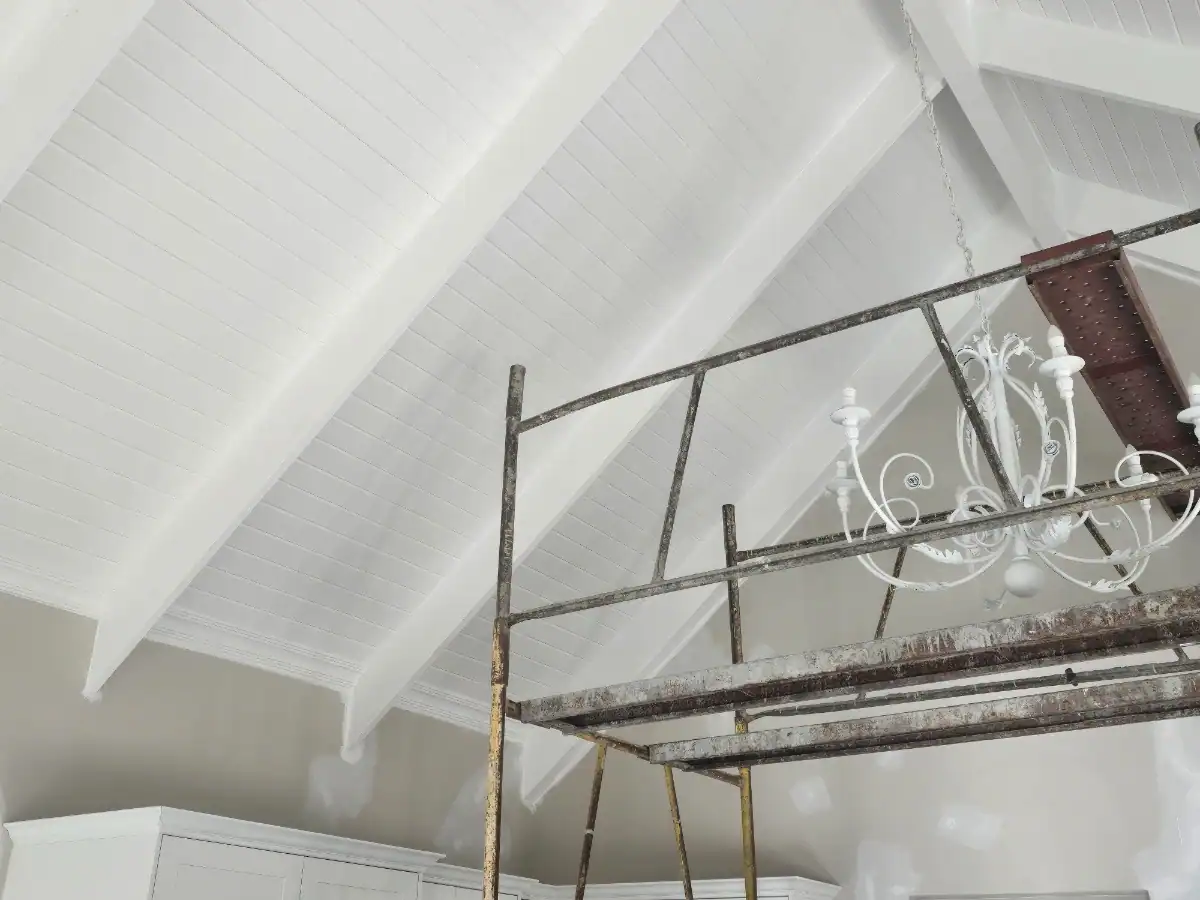
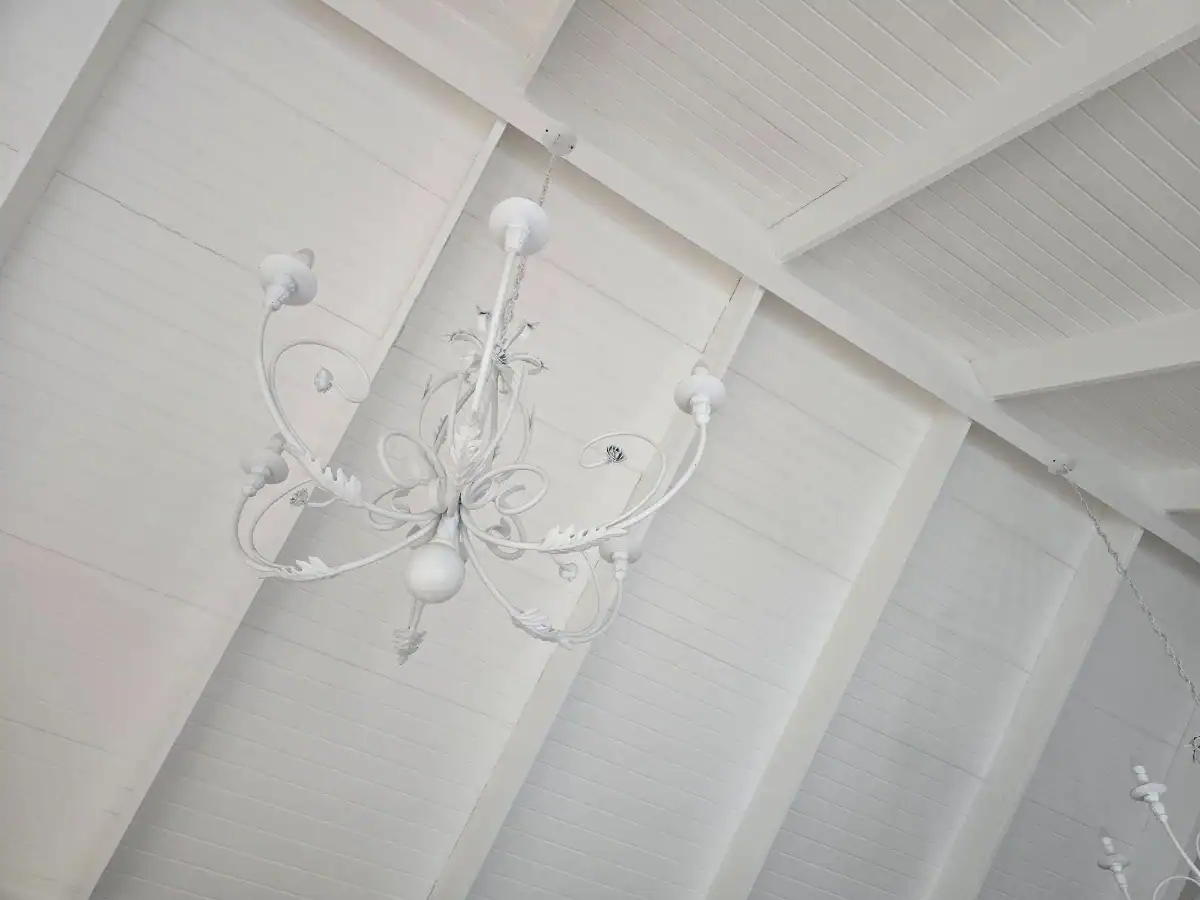
The Welgemoed interior inspection identified hairline and approximately 1 mm plaster cracks, opened ceiling-board joints, movement-related gaps between cornices and walls, openings at exposed timber-truss junctions and previous coating damage.
The preparation required separate methods for plaster, Rhinoboard ceilings, painted timber and flexible junctions.
The project demonstrates why interior surface preparation is more detailed than applying filler to visible cracks and immediately painting over them.
View the Full Welgemoed Interior Painting Case Study
Interior Plaster Crack Repairs at Welgemoed
The Welgemoed specification included preparation of fine interior wall cracks before repainting.
The documented method for suitable hairline and approximately 1 mm cracks included alkali-resistant sealer, Dulux Rainshield treatment, a thin finishing filler layer, sanding and suitable wall primer before the final decorative wall coating.
These steps were selected as part of the written preparation system for that project.
The repair method should always be considered against the actual substrate and crack condition rather than applied automatically to unrelated defects.
Cornice-to-Wall Movement Cracks
Small gaps can develop where cornices meet adjoining walls or ceilings.
These junctions may experience movement between different building materials.
If the joint is expected to move, a rigid filler may crack again as the materials expand, contract or shift.
At Welgemoed, affected cornice-to-wall junctions were prepared and specified for flexible single-pack polyurethane sealing.
The repair was intended to accommodate minor expected movement while providing a cleaner finish.
Flexible sealing does not guarantee that future building movement will stop.
Timber Ceiling-Board and Truss Junctions
Painted timber ceilings and exposed trusses present different movement and adhesion conditions from ordinary plastered walls.
Timber can expand and contract as its moisture content and surrounding conditions change.
At Welgemoed, gaps between ceiling boards and at truss junctions required flexible preparation.
Loose or defective paint was removed where necessary and the existing timber coating prepared to provide a suitable key for subsequent painting.
These repairs were not treated as ordinary rigid plaster repairs.
Rhinoboard Ceiling and Cornice Preparation
Rhinoboard ceilings require a preparation system suited to their existing surface and junction details.
Loose or cracked cornice areas, opened joints, surface imperfections and previous stains may require separate treatment before painting.
At Welgemoed, the ceiling-board and cornice preparation was distinguished from the painted timber ceiling and trusses.
The different substrates received separate finishing systems rather than one coating being used indiscriminately across the complete interior.
Sanding, Feathering and Dust Removal
Good preparation does not end when a crack has been filled.
Repaired areas should be suitably finished and sanded so they do not leave obvious ridges, hard edges or rough patches beneath the new paint.
Feathering the edges of sound surrounding coatings can help the repaired area blend more consistently into the existing surface.
Dust should then be removed before priming and topcoating.
Residual sanding dust can interfere with adhesion and produce defects in the completed finish.
Why Priming Repaired Areas Matters
Different surfaces can absorb paint differently.
Fresh filler, exposed plaster, previously coated walls, powdery masonry and painted timber do not all behave in the same way.
A suitable primer or sealer can help prepare the repaired substrate and improve the compatibility of the subsequent coating system.
However, primers are not substitutes for removing loose material or addressing the actual cause of continued moisture entry.
The correct product depends on whether the surface is plaster, ceiling board, timber, metal or another substrate.
Structural Cracks Are Not Ordinary Painting Repairs
Some cracks may indicate movement or defects beyond the scope of normal painting preparation.
Cracks that are widening, repeatedly reopening, significantly displaced or associated with structural movement should be assessed by an appropriately qualified building professional where necessary.
A painting contractor should not claim that ordinary filler, flexible coating or repainting can permanently correct a structural defect.
Where a specialist assessment or structural repair is required, that work should be dealt with before a decorative finishing system is relied upon.
Boundary-Wall Cracks and Continuing Moisture
Boundary and garden walls may contain cracks together with ongoing moisture entering from soil, irrigation or backfill.
A visible crack can sometimes be repaired as part of surface preparation, but that does not necessarily eliminate moisture moving through the wall from behind or below.
Many boundary walls do not have an effective damp-proof course.
Breathable coating systems and suitable wall-top repairs may be appropriate in some situations, but continuing ground moisture remains a limitation.
We therefore distinguish normal crack preparation from promises of permanently stopping rising or rear-face damp through decorative coatings.
Wall Preparation for Older Bellville Properties
Older Bellville buildings can have original plaster, previous patch repairs and several layers of paint.
Some old coatings may still be sound, while other areas may have poor adhesion, chalking or repeated cracking.
Preparation should identify these differences instead of stripping every surface unnecessarily or simply painting over all existing layers.
The work may include selective coating removal, sanding, repair of damaged plaster, treatment of suitable cracks and compatible priming.
Careful preparation is particularly important where new paint must blend into older architectural surfaces.
Wall Preparation in Bellville Homes and Estates
We undertake suitable painting preparation work in Bellville and surrounding residential areas, including:
- Welgemoed;
- Loevenstein;
- Ridgeworth;
- Door de Kraal;
- Oakdale;
- Boston;
- Kanonberg Lifestyle Estate; and
- nearby Northern Suburbs residential areas.
Different properties can require very different preparation.
An established home may have ageing plaster and multiple previous paint layers, while a premium estate property may require detailed movement-joint, parapet and windowsill preparation.
Wall Preparation Is Different From Exterior or Interior Painting
This page focuses specifically on the assessment and preparation of substrates before painting.
For the complete exterior coating service, see Exterior Painters Bellville.
For walls, ceilings, painted timber and joinery inside homes, see Interior Painters Bellville.
For damp-related wall diagnosis and remedial coating preparation, see Damp Proofing Bellville.
For the causes of premature coating failure, see Peeling & Bubbling Paint Bellville.
How Crack Repairs Affect Painting Costs
Two similarly sized properties may require very different amounts of preparation.
One home may need only limited hairline repairs and ordinary sanding. Another may require extensive scraping, wider plaster repairs, movement-joint sealing, moisture-related preparation and priming across several areas.
For this reason, a general square-metre painting rate does not always reflect the real preparation requirements.
Our House Painting Cost Bellville guide explains why the condition of the substrate is so important when assessing a quotation.
Our Wall Preparation and Crack Repair Process
1. Inspect the Existing Surface
We assess visible cracking, weak coating, previous repairs, moisture symptoms and the condition of relevant joints.
2. Identify the Type of Defect
Hairline cracks, wider plaster defects, map cracking and movement joints are considered separately.
3. Prepare the Surface
Where appropriate, the preparation can include cleaning, scraping, sanding, opening suitable cracks and removing loose material.
4. Complete the Specified Repairs
Suitable repair materials, flexible joint products and masonry preparation systems are applied according to the actual condition.
5. Prime and Prepare for Finishing
Repaired and exposed surfaces receive compatible primer or sealer treatment where specified.
6. Apply the Finishing Coating System
The specified decorative coating is applied after the surface has been appropriately prepared and is suitable for finishing.
Why Choose Painters Cape Town for Wall Preparation in Bellville?
- 27 years of painting and surface-preparation experience.
- Genuine Kanonberg and Welgemoed project evidence.
- Written diagnostic observations with quotations.
- Different repair methods for different types of cracks.
- Suitable flexible sealing for relevant movement joints.
- Attention to loose paint, powdery coatings and substrate adhesion.
- Protimeter readings where moisture-related problems require assessment.
- Manufacturer-aligned preparation specifications where applicable.
- Full-time employed painters rather than subcontracted crews.
- Working-foreman supervision.
- Public Liability Insurance through OUTsurance.
- Direct contractor accountability.
Request a Bellville Painting and Preparation Quotation
If your property has plaster cracks, map cracking, peeling paint, failed previous repairs, opened joints or powdery coatings, an inspection can help establish the preparation required before repainting.
Our written quotation identifies the agreed preparation and coating scope rather than promising that ordinary filler and paint will permanently repair every type of defect.
Call 082 374 6862 or use our contact page to arrange a Bellville painting inspection.
Helpful Bellville Painting & Preparation Guides
These Bellville services and completed projects explain how preparation connects with interior painting, exterior painting, damp, waterproofing and the causes of coating failure.
Painters Bellville
Visit our main Bellville painting page for local services, project evidence and the complete contractor overview.
Exterior Painters Bellville
Exterior walls require crack repairs, removal of weak coatings and attention to exposed joints and weather-related defects.
Interior Painters Bellville
Interior preparation includes plaster cracks, ceiling and cornice junctions, painted timber and damaged joinery.
Damp Proofing Bellville
Understand why moisture-affected coatings must be investigated before relying on a damp-related preparation system.
Waterproofing Bellville
Cracks on parapets, windowsills, wall tops and failed external joints can allow water to enter before repainting.
Why Paint Peels & Bubbles in Bellville
See how weak adhesion, damp, contamination, cracks and insufficient preparation can contribute to coating failure.
Kanonberg Exterior Project
Real March 2026 evidence of map cracking, plaster repairs, failed seals and exterior movement-joint preparation.
Welgemoed Interior Project
Real March 2026 evidence of interior plaster cracking, cornice movement and flexible timber-joint preparation.
Wall Preparation & Crack Repairs Bellville — FAQs
Why is wall preparation important before painting?
New paint depends on the condition of the existing substrate. Loose coatings, cracks, powdery plaster, damaged repairs and moisture-related defects should be assessed and prepared before decorative topcoats are applied.
Do you repair hairline cracks?
Yes. Suitable hairline cracks can be prepared using compatible sealer, filler or flexible coating treatments depending on the crack and surrounding substrate.
How do you repair wider plaster cracks?
Suitable wider cracks may need to be opened, cleaned, repaired with compatible masonry material, sanded and primed before painting. The method depends on the defect and whether further movement is expected.
What is map or spiderweb cracking?
Map cracking is a network of interconnected fine cracks across a surface. The affected area may require broader preparation rather than simply filling each visible crack individually.
Do you reseal movement and expansion joints?
Yes, where appropriate and included in the quotation. Failed material can be removed and the joint prepared for suitable flexible sealant rather than rigid plaster filling.
Can ordinary filler permanently repair structural cracks?
No. Structural or significantly moving cracks may require specialist assessment and repair. Ordinary filler and decorative paint cannot permanently correct continuing structural movement.
Why does repaired plaster sometimes show through new paint?
Differences in texture, sanding, porosity, priming or hard filler edges can make previous repairs visible. Proper finishing and suitable primer preparation help reduce these differences.
Do you remove loose and peeling paint?
Yes. Poorly bonded paint is removed where required, and remaining sound edges are prepared before applying the compatible coating system.
What should be done about chalky exterior walls?
Loose chalk and contamination should be cleaned or removed. Where appropriate, a compatible stabilising or bonding treatment may be required before repainting.
What cracks were found at Kanonberg Lifestyle Estate?
The March 2026 exterior inspection recorded hairline cracks, wider plaster cracks, map cracking, defective movement joints and cracking on vulnerable horizontal surfaces.
What preparation problems were found at Welgemoed?
The interior inspection recorded hairline and approximately 1 mm plaster cracks, opened timber ceiling-board joints, gaps at exposed trusses and movement-related cornice junctions.
Why were flexible materials used at Welgemoed?
Some ceiling and cornice junctions were subject to movement between different materials. Flexible single-pack polyurethane was specified for suitable moving joints rather than relying on brittle filler alone.
Can crack repairs stop damp permanently?
Repairing suitable cracks can address some water-entry routes, but it does not permanently stop moisture caused by active leaks, continuing ground moisture or other unresolved defects.
Do you prepare both interior and exterior walls?
Yes. Suitable crack repairs and wall preparation form part of our interior and exterior painting services, using methods appropriate to the different substrates.
Are your painters subcontractors?
No. Painters Cape Town uses full-time employed painters with working-foreman supervision.
How do I request a Bellville painting quotation?
Call 082 374 6862 or use our contact page to arrange a physical inspection and written quotation covering the required preparation and painting scope.

Copyright 2026 , all rights reserved.