Steenberg Exterior - 2026
Original evidence of hairline, spider-web and wider plaster cracking, open expansion joints and vulnerable horizontal masonry.
WALL PREPARATION & CRACK REPAIRS TOKAI
Preparation of suitable plaster cracks, failed previous repairs, map cracking, loose coatings and movement-sensitive joints before interior and exterior painting.
Our original Steenberg Golf Estate and Nieuwe Steenberg Estate 2026 projects document different wall and joint defects on an exterior façade and within an occupied home.
27 years' experience - Genuine local crack evidence - Written preparation scopes - Full-time employed painters
Original evidence of hairline, spider-web and wider plaster cracking, open expansion joints and vulnerable horizontal masonry.
The interior project documented fine and wider wall cracks, opened upper-floor cornice joints and moisture-affected plaster preparation.
Fine cracks, wider defects, map cracking and movement joints are assessed separately instead of receiving one generic filler.
The original specifications included suitable flexible polyurethane sealing at relevant expansion and cornice junctions.
Cracks with continuing water entry, significant movement or structural concerns may require additional investigation beyond decorative painting repairs.
27 years' contractor experience, employed painting teams, written diagnostic quotations and working-foreman supervision.
Painters Cape Town provides preparation and suitable non-structural plaster crack repairs before interior and exterior painting in Tokai.
Cracked plaster, failed earlier filler, loose paint and movement-sensitive joints can undermine a new finish if they are simply covered with decorative paint.
The first step is to understand the actual defect. A fine stable plaster crack, a network of spider-web cracks and a deliberately formed expansion joint are different building conditions.
Our written diagnostic quotations identify the visible defects, suitable preparation, proposed repair methods, compatible primers and important limitations before painting begins.
Plaster cracks can arise from drying shrinkage, changes in temperature, movement between building materials, ageing previous repairs, moisture-related deterioration, substrate weakness and other building movement.
Some defects remain stable and are suitable for ordinary non-structural preparation. Others may continue moving or indicate a more serious problem.
It is important to consider the crack pattern, surrounding plaster condition, whether there is displacement and whether the defect is changing over time.
Painting repairs should not be presented as structural engineering solutions.
Hairline cracks are fine defects that may appear in plaster or within old coating layers.
Suitable preparation depends on whether the surrounding plaster is sound and whether movement or water entry is continuing.
Our original Steenberg Golf Estate exterior project included the specified alkali-resistant and flexible preparation for relevant fine cracks.
The Nieuwe Steenberg interior project also included fine crack treatment, but appropriate products and methods depended on the interior surface and the actual defect.
These documented methods should not be interpreted as one universal repair system for every hairline crack.
Wider cracks can require opening to a suitable repair profile, removing loose material, cleaning, applying compatible repair compound, allowing it to cure and sanding before priming and painting.
Our Steenberg exterior project documented wider crack preparation alongside areas of failed paint and moisture-sensitive masonry.
The Nieuwe Steenberg interior specification also required the repair of wider cracks before the finishing coats were applied.
The extent of the repair must be based on the actual substrate and whether the crack is a suitable non-structural defect.
Map cracking consists of numerous fine intersecting cracks across a plastered area, rather than one isolated line.
Our Steenberg Golf Estate exterior project included spider-web cracking, together with other cracks and damaged earlier coatings.
Repairing only a few visible lines may not be suitable where a broader section of plaster or coating is unstable.
The written system included appropriate flexible treatment in applicable areas before exterior finishing.
Read our Southern Suburbs Plaster Repairs and Crack Treatment Guide for more detail on crack patterns and underlying causes.
Our documented exterior project at Steenberg Golf Estate was completed from 26 January to 6 February 2026.
The property had reportedly been repainted about two years earlier, but already showed paint bubbling, discolouration, failed window and door sealing, open expansion joints and cracked upward-facing masonry.
The work included suitable removal of failed coating, preparation of hairline and spider-web cracking, wider plaster repairs, resealing of relevant movement joints and waterproofing of applicable exposed masonry.
Recorded Protimeter readings ranged from 19.6% to 27.8% WME. Those figures provided additional assessment information but did not independently identify the cause of every crack.
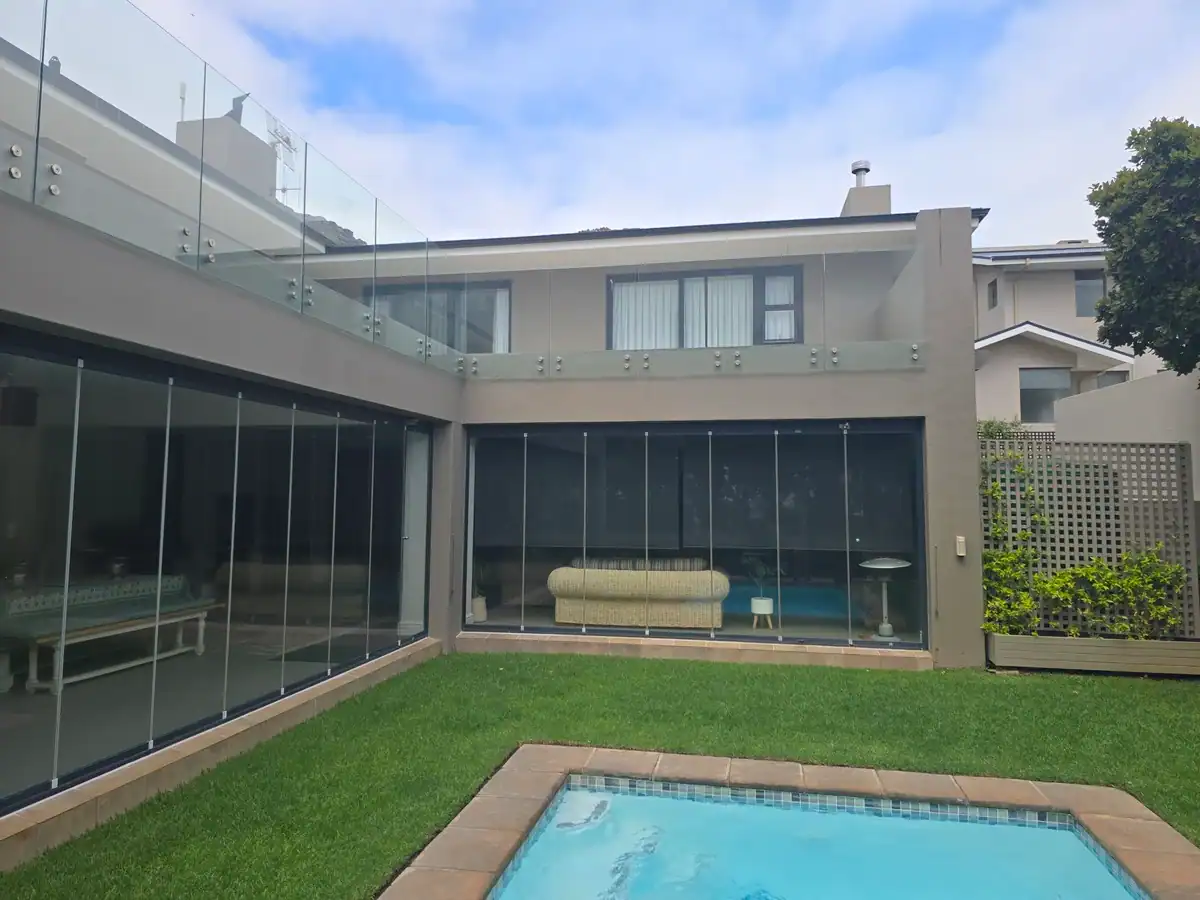
The original case study explains why a recently repainted property may still need extensive preparation when cracks and water-entry details remain unresolved.
See the Steenberg Golf Estate exterior painting case study.
Our original interior project at Nieuwe Steenberg Estate was completed between 6 and 14 April 2026.
In addition to preparing paint damaged by residual moisture, the work involved fine and wider wall cracks and opened cornice junctions.
Some upper-floor cornices had separated slightly from the adjoining walls. Those gaps were treated as movement-sensitive junctions, not simply static plaster cracks.
The specification included suitable preparation of the joints and Soudal single-component polyurethane sealing where applicable.
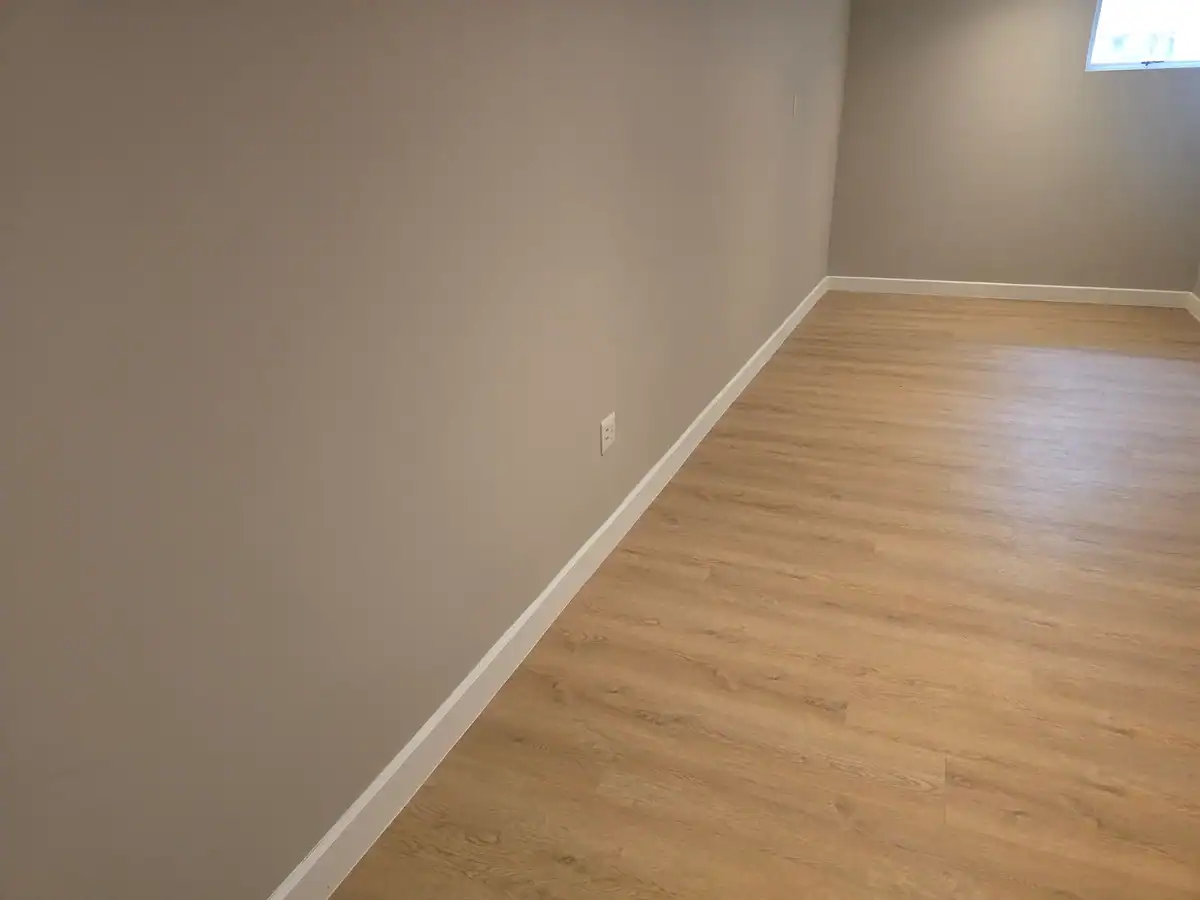
The project demonstrates why interior crack repairs may require different treatment from exposed exterior masonry.
View the original Nieuwe Steenberg interior project.
A designed expansion joint allows relative movement between adjoining building elements.
Likewise, a cornice may experience slight movement relative to the wall or ceiling it meets.
Rigid filler can crack again if it is used across a joint that continues moving.
Our 2026 Tokai projects recorded appropriate flexible polyurethane sealing at relevant expansion or cornice junctions.
The correct joint material and installation method depend on movement, joint condition, width, depth and compatibility with the surrounding surfaces.
Some cracks recur because the building continues moving. Others reopen when earlier filler was unsuitable, the surrounding plaster remained unstable or moisture continued entering through the affected area.
A new painted finish can temporarily conceal an unresolved condition.
Proper preparation therefore requires attention to the underlying defect rather than assuming that a wider bead of filler will make every crack permanent.
Where cracks occur on windowsills, exposed wall tops or other masonry receiving direct rain, they can become water-entry routes.
In other situations, a crack may be cosmetic while the moisture damage results from an unrelated failed seal or plumbing defect.
Our Steenberg exterior project documented cracking alongside failed sealing and moisture-sensitive masonry. The inspection considered those defects together.
For applicable exposed masonry and joint repairs, see Waterproofing Tokai.
Where paint or plaster is already moisture damaged, see Damp Proofing Tokai.
Crack filling alone may not prepare an exterior wall where the surrounding coating has lost adhesion.
Weak old paint, powdery plaster, previous repairs and contamination can affect how a new primer or finishing coat bonds.
At Steenberg, some previously applied exterior coating required removal, including cleaning and preparation of hard edges before the new system.
Correctly repaired plaster still needs suitable preparation and priming before painting.
At Nieuwe Steenberg, an adjoining shower waterproofing defect had been repaired by a separate building contractor before our work began.
Residual moisture and damaged paint nevertheless remained on the bedroom side. The painting preparation therefore had to consider the moisture condition as well as the wall cracks.
This distinction matters because plaster repair material and finishing coats should not be applied indiscriminately to a surface that is still unsuitable for coating.
Read Interior Painters Tokai for the full interior painting and preparation service.
Cracks that widen significantly, show displacement, recur with substantial movement or appear alongside other concerning structural changes may require professional assessment.
Appropriate non-structural plaster repair is not a replacement for diagnosing or correcting structural defects.
Where necessary, the appropriate building professional should investigate the cause before cosmetic painting proceeds.
We assess the crack pattern, width, surrounding plaster, previous repairs, movement-sensitive joints and relevant moisture symptoms.
Possible structural movement, continuing water entry or other conditions outside normal painting repair are distinguished from suitable cosmetic defects.
Loose coating, unsuitable filler and damaged plaster are prepared back to a stable surface where required.
Compatible repair products and appropriate flexible sealants are selected according to the defect and written specification.
The repaired plaster is allowed suitable curing and preparation before compatible primers and finishing systems are applied.
Our employed painting team completes the specified work under working-foreman supervision and inspects the finished surfaces.
Cost depends on the number, type, size and location of cracks, the condition of surrounding plaster, coating removal, required materials, access and labour time.
Several stable hairline defects are a different task from widespread map cracking, loose plaster, water-entry repairs and deteriorated movement joints.
Our quotation identifies suitable preparation rather than assigning a universal price to every crack.
Read our Detailed Painting Quotations and Specifications Guide.
After appropriate exterior repairs, see Exterior Painters Tokai.
For ceiling, cornice and interior wall finishing, visit Interior Painters Tokai.
For suitable accessible rainwater-entry repairs, see Waterproofing Tokai. For damaged moisture-affected plaster, visit Damp Proofing Tokai.
Return to Painters Tokai for the original projects and broader local service information.
Contact Painters Cape Town for an inspection and written diagnostic quotation for suitable non-structural plaster crack repairs and painting preparation.
Original interior and exterior crack evidence with useful preparation and repair information.
Original evidence of hairline, spider-web and wider cracks, expansion joints and horizontal masonry repairs.
Original wall cracks, moving cornice junctions and residual-moisture preparation at an occupied estate home.
Understand rainwater-entry repairs on cracked windowsills, exposed wall tops and movement-sensitive joints.
Why moisture-affected plaster, weak coating and old leak damage must be assessed before repairs and repainting.
Regional guidance on plaster crack causes, movement, failed repairs and when specialist assessment is advisable.
Preparation and repainting of suitable repaired plaster, weathered coatings and other exterior materials.
Continuing building movement, unstable surrounding plaster, unsuitable earlier filler or unresolved water entry may cause repairs to reopen.
Hairline cracks are fine lines, while map cracking forms a network of intersecting defects over a broader section of plaster. They may require different preparation.
Yes. The Steenberg Golf Estate and Nieuwe Steenberg Estate 2026 original projects document different plaster cracks and moving joints in exterior and interior work.
Where the joint continues moving, suitable flexible treatment is generally more appropriate than rigid filling.
No. Significant movement, displaced masonry and concerning or worsening cracks may require assessment by an appropriately qualified building professional.

Copyright 2026 , all rights reserved.