Actual Completed Project
Exterior painting carried out at a private Steenberg Golf Estate home between 26 January and 6 February 2026.
ORIGINAL TOKAI EXTERIOR PAINTING PROJECT
An original completed exterior painting case study documenting premature coating deterioration, moisture assessment, crack repairs, flexible sealing, waterproofing and preparation-first repainting.
Private double-storey estate home
Work completed: 26 January-6 February 2026
Recorded Protimeter WME range: 19.6%-27.8%
Original photographs, documented defects, specific Dulux coating systems and work performed by our own employed painters.
Each service addresses a specific issue documented in this exterior project.
Exterior painting carried out at a private Steenberg Golf Estate home between 26 January and 6 February 2026.
Protimeter WME display readings ranged from 19.6% to 27.8% across relevant tested exterior areas.
Bubbling paint, coating discolouration, failed seals, open expansion joints, cracked horizontal masonry and fascia coating failure.
Dulux WallClad on main walls, Weatherguard on specified boundary walls and Rainshield on suitable horizontal masonry.
The moisture-reading and completed exterior images are original photographs from this specific assignment.
Painting completed by Painters Cape Town's full-time employed painters under working-foreman supervision.
This is evidence of painting at an individual private estate home, not an official estate-wide contract or endorsement by estate management.
This original Painters Cape Town case study documents preparation and exterior painting of a private double-storey home at Steenberg Golf Estate in Tokai between 26 January and 6 February 2026.
The work started with a request to investigate selected exterior walls showing moisture-related paint deterioration.
According to the information provided at the time, the house had been fully repainted by another contractor approximately two years earlier. However, some wall surfaces were already showing discolouration and localised coating failure.
Our subsequent inspection identified several preparation and water-sensitive details requiring consideration before another finishing system could be applied.
The documented project included exterior walls, relevant boundary walls, windowsills, cracks, flexible seals, expansion joints and fascia-board preparation.
Location: Steenberg Golf Estate, Tokai, Cape Town
Property: Private double-storey residential estate home
Work period: 26 January-6 February 2026
Original recorded Protimeter range: 19.6%-27.8% WME
Project scope: Exterior coating preparation and repainting, suitable plaster repairs, flexible sealing, expansion-joint treatment, horizontal masonry waterproofing, relevant damp-related preparation, boundary-wall painting and fascia restoration
Painting team: Full-time employees of Painters Cape Town, with working-foreman supervision
A relatively new paint finish does not guarantee that the underlying plaster, previous coatings or water-entry details remain sound.
At this property, we observed localised paint bubbles and discolouration alongside physical defects affecting the building envelope.
The inspection recorded:
These observations indicated that the painting specification needed to address more than the appearance of the existing paint.
Important: The defects observed in 2026 do not establish exactly what the previous contractor did or failed to do. Our case study documents the condition found during our inspection and the repairs subsequently specified.
We recorded a minimum Protimeter reading of 19.6% and a maximum of 27.8% across the relevant inspected exterior areas.
The displayed WME readings were considered together with the position of paint failure, the condition of window and door sealing, open joints and cracks in exposed masonry.
These instrument values were not treated as laboratory measurements of the plaster’s absolute water content or as independent proof of rising damp.
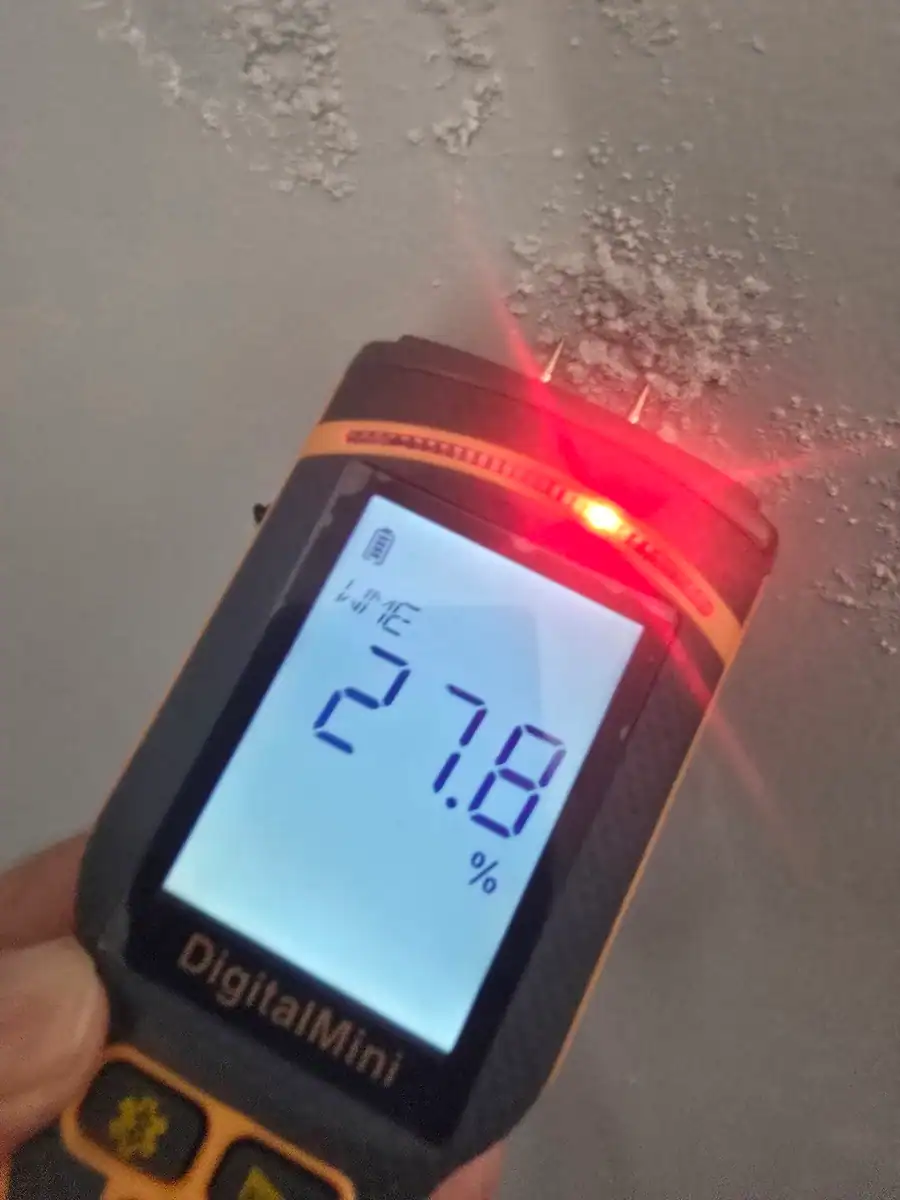
The findings informed the subsequent removal of unsuitable coating, defect preparation, sealing, waterproofing and painting specification.
Suitable exterior walls and fascia boards were high-pressure cleaned to remove dirt, dust, contamination and loose previous coating.
Where unsuitable paint remained after washing, it required manual removal. Hard edges between remaining sound paint and prepared surfaces were feathered as necessary.
This was important because a new finish cannot achieve reliable adhesion if the layer beneath it is already poorly bonded.
For a fuller discussion of early coating deterioration, visit Peeling and Bubbling Paint Tokai.
Different cracking patterns required different preparation methods.
Relevant hairline and spider-web cracking received the specified alkali-resistant and flexible preparation treatments.
Wider cracks required suitable opening of the repair area, removal of unstable material, cleaning, compatible masonry repairs and sanding before the subsequent coating system.
These were preparation and coating repairs to suitable defects, not a claim to have undertaken structural engineering work.
Read Wall Preparation and Crack Repairs Tokai for related repair methods and limitations.
Parts of the existing perimeter sealing around windows and doors had deteriorated.
Where included in the project scope, defective sealant was removed and the appropriate joints prepared for compatible replacement sealing.
A failed joint can allow rainwater into adjacent plaster, so simply coating over the outside of a defective seal would not necessarily resolve the problem.
Open expansion joints were another concern identified during the inspection.
Unlike a static surface crack, a movement joint must remain capable of accommodating the intended movement between adjoining elements.
Our original specification included Soudal single-component polyurethane sealant for applicable prepared movement joints.
The purpose was to restore suitable flexible sealing, rather than filling a moving joint with ordinary rigid plaster compound.
Cracks in horizontal masonry can permit direct rainfall into the plaster or masonry beneath the exposed surface.
Relevant windowsills and boundary-wall tops were therefore prepared and treated using the specified Dulux Rainshield system.
Correct substrate preparation was necessary before waterproofing. The treatment was intended for the suitable accessible details identified in the original scope.
It was not presented as a universal solution for concealed leaks or inaccessible structural water-entry problems.
For this separate service, see Waterproofing Tokai.
Selected exterior wall areas showing moisture-related coating damage required compatible bonding preparation and Dulux Pre-Paint Dampshield as specified.
The preparation system formed part of the broader work after relevant physical defects had been identified.
It was not a substitute for addressing active water-entry routes, nor was it intended to create a missing damp-proof course within a boundary wall.
Read Damp Proofing Tokai for the distinction between moisture-damaged paint preparation and repairing the source of water.
The original project specification differentiated between the prepared main-building walls and the selected boundary walls.
The main-building exterior received two coats of Dulux WallClad.
Specified boundary walls received two coats of Dulux Weatherguard.
The products were selected for the documented project conditions rather than treating every wall as an identical substrate.
Boundary structures may be subject to continuing ground, soil or reverse-face moisture. Painting the accessible surface does not automatically eliminate those conditions.
See Boundary Wall Painting Tokai for the realistic coating expectations applicable to this type of masonry.
Small sections of the existing fascia coating were peeling.
Relevant woodwork was cleaned and prepared, unsuitable paint removed and hard edges feathered.
The original specification included Dulux Universal Undercoat before two coats of Dulux Pearlglo Waterbased on the prepared fascia boards.
Painted timber needs substrate-appropriate preparation and should not automatically receive the same paint system as exterior plaster.
The Southern Suburbs Woodwork Preparation Guide explains the broader principles.
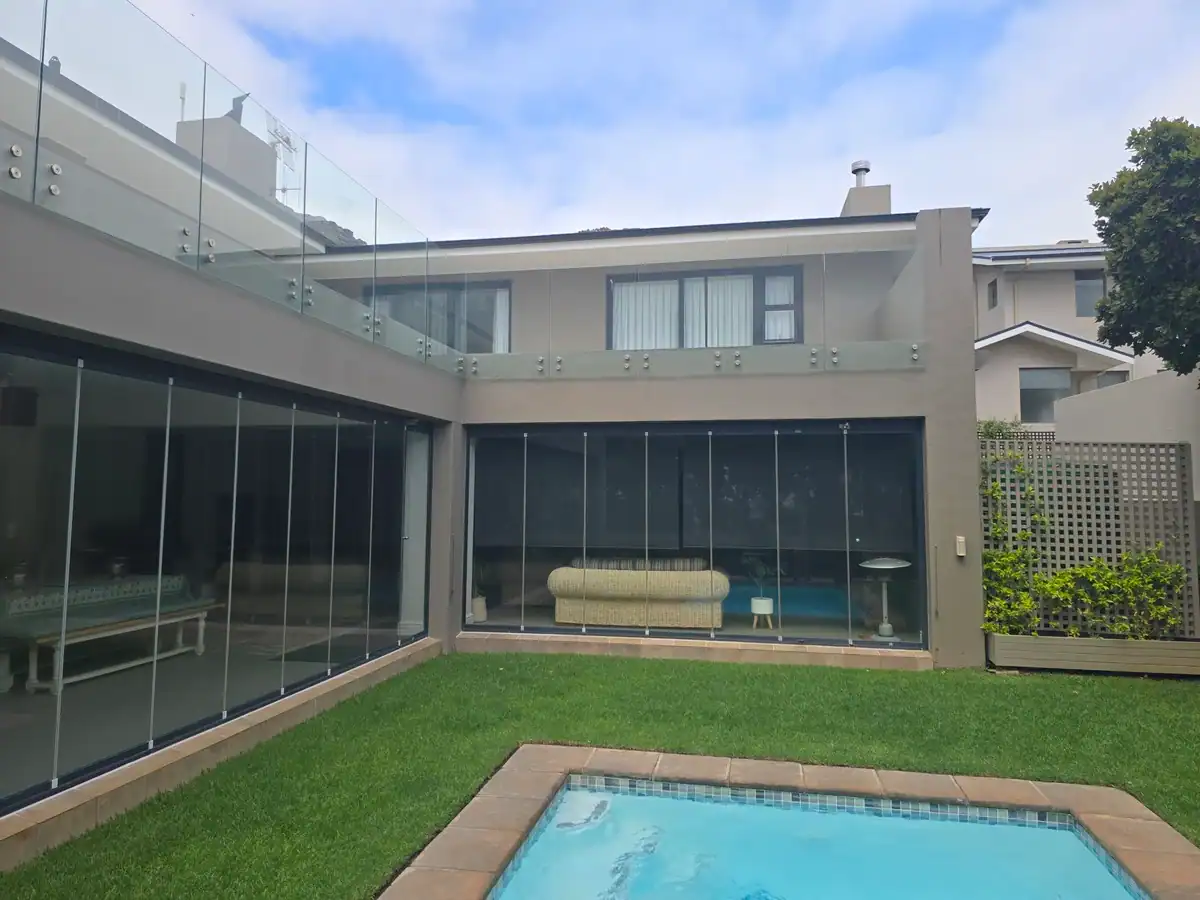
The central lesson is that the age of a previous repaint is not enough to judge its condition.
Even a comparatively recent exterior coating can require significant remedial work when the surrounding building contains failed seals, unstable previous paint, open movement joints or cracks in rain-exposed masonry.
The contractor must inspect the actual defects before recommending an appropriate coating system.
At Steenberg Golf Estate, the final decorative coats followed cleaning, unstable-paint removal, crack treatment, suitable joint sealing, horizontal waterproofing, damp-related preparation and fascia work.
This is an original exterior painting project. It is not presented as a completed roof repaint, despite the wider historical Tokai register containing genuine roof assignments.
For the full exterior painting service, visit Exterior Painters Tokai.
For a repaint already showing defects, read Peeling and Bubbling Paint Tokai. For exposed masonry and failed joints, visit Waterproofing Tokai.
For plaster cracks, visit Wall Preparation and Crack Repairs Tokai.
For individual estate-home painting, read Painting Homes in Tokai Estates.
For quotation decisions, visit House Painting Costs Tokai and How to Choose a Painting Contractor Tokai.
Return to the Painters Tokai flagship for the wider local painting experience, services and historical assignments.
Whether your property has failing exterior paint, damaged plaster, cracked windowsills or weathered timber, Painters Cape Town can inspect the relevant work and provide a written diagnostic quotation.
Our full-time employed painters work under daily working-foreman supervision, with preparation, repairs, coating products and limitations recorded in the scope.
Call 082 374 6862 or request a Tokai exterior painting quote.
Original project photographs and documented scope: Painters Cape Town. Named estate location indicates an individual private property and does not imply endorsement by the estate or its management.
Follow the actual exterior problems documented in this project to the relevant Tokai service.
Preparation and repainting of exterior plaster, suitable masonry and weathered painted timber.
Why a reportedly recent repaint can develop discolouration, blisters and adhesion failure.
Understand the work required for relevant cracked windowsills, wall tops, expansion joints and failed seals.
Differentiate hairline, map and wider plaster cracks from movement-sensitive joints.
Different coating specifications, exposed wall tops and continuing ground-moisture limitations.
See how repairs, preparation labour, waterproofing and timber can change an exterior quotation.
The recorded work period was 26 January to 6 February 2026 at a private double-storey home in Tokai.
Our inspection found visible paint deterioration together with failed seals, open joints, cracks and water-sensitive exterior details. Those observations do not prove exactly what the earlier contractor did or did not do.
Protimeter readings ranged from 19.6% to 27.8% WME across relevant tested areas. They required interpretation alongside the actual physical defects.
The specified work included Dulux Rainshield on suitable horizontal masonry, Dampshield in appropriate affected areas, Dulux WallClad on prepared main walls, Dulux Weatherguard on specified boundary walls and Dulux Pearlglo Waterbased on prepared fascia boards.
No. The documented project concerned a private estate home's exterior painting and related repairs. It does not establish an estate-wide appointment or a completed roof repaint.

Copyright 2026 , all rights reserved.