Hairline Cracks — Up to 1 mm
The written specification included alkali-resistant sealer applied into the cracks, followed by Dulux Rainshield worked into suitable fine defects with a stiff brush.
Preparation-First Painting Contractors in Paarl
Professional preparation of cracked plaster, unstable paint, damaged wall surfaces, architectural junctions and suitable movement joints before repainting.
With 27 years of painting-contractor experience, we use condition-specific preparation methods backed by genuine projects in Kaapse Draai, Courtrai, Lemoenkloof and Pearl Valley Golf Estate.
Our directly employed painters work under experienced foremen. We inspect cracks, plaster, moisture symptoms and existing coatings before specifying repairs in a written quotation.
We assess why a surface is damaged and specify a suitable repair method before decorative painting. Our approach is supported by actual project inspections, recorded moisture observations and original photographs.
Established painting-contractor experience with cracked plaster, unstable coatings and damaged wall surfaces.
Original exterior crack-repair photographs and a September 2026 written specification.
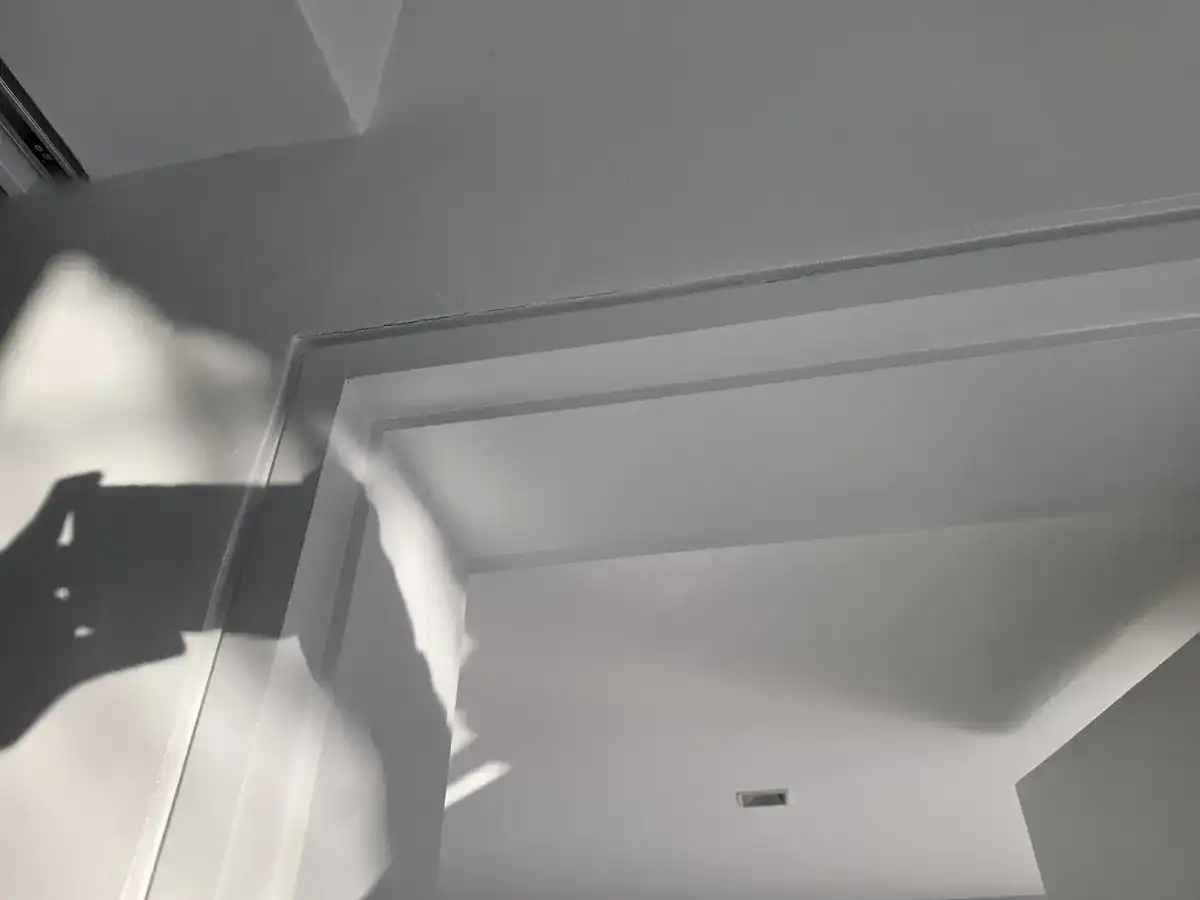
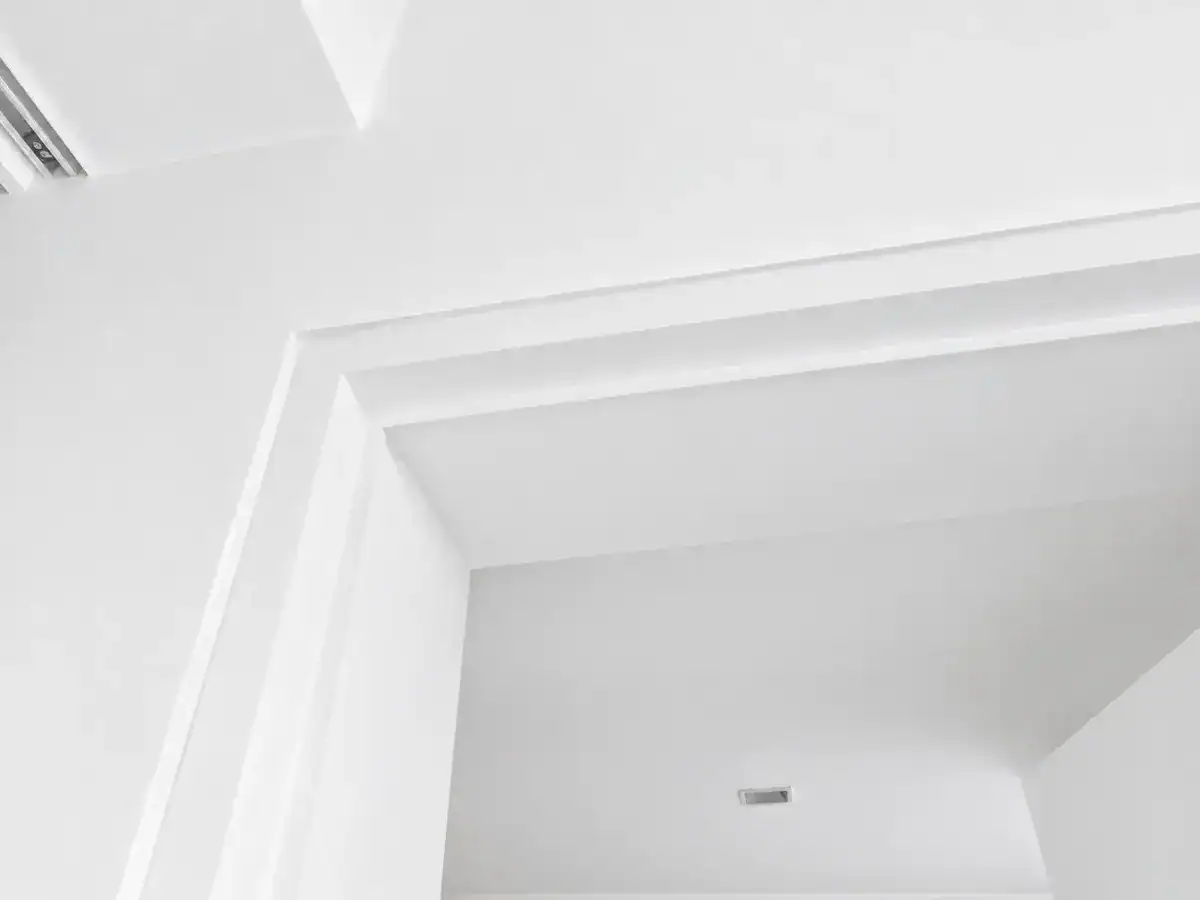
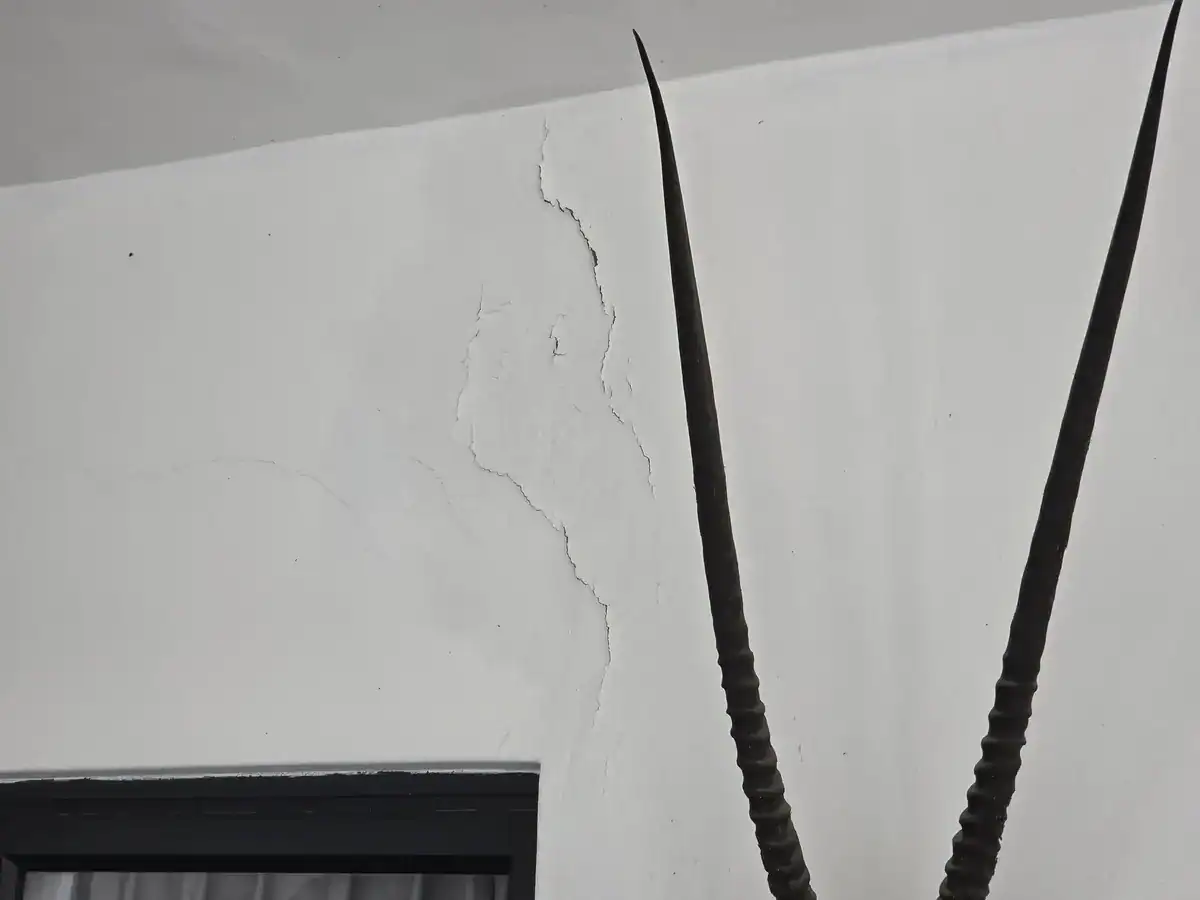
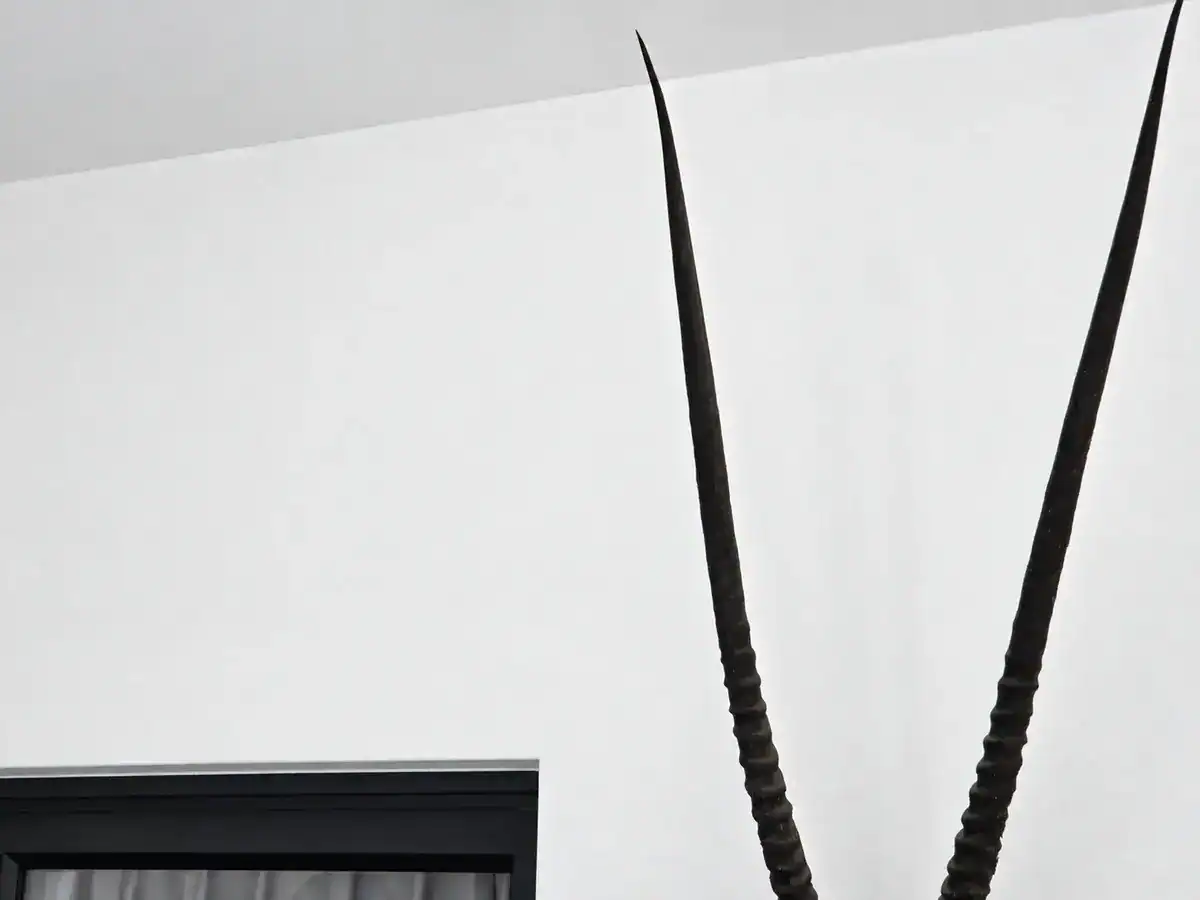
Genuine interior plaster-crack and architectural doorway shadow-line preparation.
Documented flexible preparation at cornices, high-level timber joints and double-volume ceilings.
Exterior wall preparation involving map cracking, weathered plaster and moisture-related coating deterioration.
Moisture observations support our inspections without being treated as proof of one particular moisture source.
Hairline, map, wider plaster and movement-related cracks require different preparation considerations.
Unsound plaster, peeling paint, chalking and rough repairs are assessed before priming and finishing.
Suitable expansion, cornice, window and door junctions receive specified flexible sealants where required.
Original project quotations document compatible sealers, repair materials, primers and coating systems.
Our painting and suitable preparation work is undertaken by employed teams, not subcontracted painting crews.
Each quotation records the observed condition, agreed preparation, materials and important work limitations.
Crack repairs can improve appearance and coating performance, but cannot guarantee that ongoing structural, plaster, timber or building movement will stop. Significant movement or structural distress requires appropriate specialist assessment.
Painters Cape Town provides wall preparation, suitable plaster repairs, crack preparation and painting for homes, estates and appropriate commercial properties in Paarl.
We believe a long-lasting paint finish begins with the condition of the surface underneath. Cracked plaster, peeling paint, weak coatings, loose material and damaged joints must be assessed before new paint is applied.
Some cracks are fine and superficial. Others involve wider plaster separation, damaged masonry, repeated movement or moisture entering through exposed building details. They should not all be treated as identical defects.
With 27 years of painting-contractor experience, we use condition-specific preparation supported by original project quotations, moisture observations and genuine work photographs.
Our most useful Paarl project evidence includes Kaapse Draai in Courtrai, Pearl Valley Golf Estate, Lemoenkloof and a substantial Courtrai interior painting project.
This page focuses on preparing and repairing suitable surfaces before painting. To understand the underlying causes of recurring coating failure, also see our Peeling & Bubbling Paint Paarl guide.
Our Kaapse Draai project in Courtrai, Paarl provides direct photographic and written evidence of exterior crack preparation.
The original quotation documented a combination of fine map cracking, larger plaster cracks, paint bubbling, deteriorating sealants and vulnerable horizontal masonry.
Location: Kaapse Draai, Courtrai, Paarl
Original quotation: 11 September 2026
Protimeter readings: Min 8.7%, Max 26.5%
Recorded defects: Map cracking, plaster cracks, bubbling paint, discolouration and deteriorated seals.
These original photographs illustrate the visible result of the repairs. The quotation provides the technical specification; the images alone cannot establish the cause of every crack or guarantee that future building movement will never create new cracks.
Rather than using one filler for every defect, the quotation specified different preparation methods for different types of cracking.
The written specification included alkali-resistant sealer applied into the cracks, followed by Dulux Rainshield worked into suitable fine defects with a stiff brush.
Where a network of fine cracks affected a broader surface, the quotation specified an alkali-resistant plaster primer followed by two Dulux Rainshield coats on suitable affected areas.
The specified method involved opening suitable cracks into a V-joint, cleaning them, using masonry patching plaster where appropriate, sanding and applying the prescribed Rainshield treatment over the repairs.
These distinctions are documented in the original Kaapse Draai quotation. They are not a universal repair prescription for every cracked wall: the correct approach depends on crack movement, depth, plaster condition, exposure and the agreed coating specification.
A fine surface crack may be suitable for a flexible preparation system. A wider defect may need to be opened, cleaned and repaired with an appropriate masonry patching product before the final coating system is applied.
The Kaapse Draai quotation specified preparation of suitable 1–5 mm cracks into a V-shaped joint, cleaning with a wire brush and filling shallow sections with a masonry patching-plaster repair system.
After suitable curing and sanding, the original specification included Dulux Rainshield treatment extending approximately 75 mm across the repaired area. The aim was to prepare the repaired surface before the decorative topcoat rather than simply conceal the original crack.
Cracks caused by significant structural movement, settlement or instability require appropriate investigation and may fall outside ordinary painting-contractor preparation.
Our documented Pearl Valley Golf Estate interior project provides a different type of wall-preparation evidence.
The February 2025 quotation included interior plaster preparation, crack repairs and painted joinery. Original photographs document repairs to architectural doorway junctions and interior walls.
Location: Pearl Valley Golf Estate, Paarl
Quotation date: 17 February 2025
Interior Protimeter readings: Min 6.8%, Max 13.6%
Exterior Protimeter readings: Min 10.5%, Max 17.3%
Relevant preparation: Plaster cracks, recessed doorway shadow lines, wall surfaces and painted joinery.
Architectural shadow lines are deliberately recessed junctions, so preparation must preserve their shape rather than fill or distort the intended gap.
This is a doorway shadow line between a door frame and plastered reveal, not a ceiling bulkhead. Its finishing requirements differ from those of an ordinary broad wall surface.
Our Pearl Valley work also includes original photographs of an interior plaster wall before and after crack preparation, featured on the Interior Painters Paarl and Estate Painting Paarl pages.
Our completed interior painting project in Courtrai, Paarl North, from 6–16 April 2026, demonstrates why movement-sensitive joints need a different preparation approach from static plaster cracks.
The property was a private double-storey home with a painted double-volume wooden ceiling, exposed timber trusses, Rhinoboard ceilings, cornices, plastered walls and joinery.
Protimeter readings: Min 5.7%, Max 11.3%.
The inspection recorded gaps between painted wooden ceiling boards, openings where trusses met adjoining surfaces, and cornice junctions that had separated as the ceiling moved during windy conditions.
Rigid filler may crack again where timber or ceiling components continue moving.
The original Courtrai quotation specified a suitable single-pack polyurethane sealant with approximately 25% movement capability at relevant ceiling and cornice junctions.
The purpose was to create a more movement-tolerant joint. It was not a claim that timber movement or structural movement had been eliminated.
The project also required hairline wall-crack preparation, stain isolation on a bathroom ceiling, and separate coating systems for plaster, Rhinoboard, painted timber and joinery.
Read the full Courtrai interior painting case study for the original inspection findings and preparation systems.
Our completed August 2026 Lemoenkloof project adds another example of exterior preparation on a residential property in Paarl.
Protimeter readings: Min 1.4%, Max 17.9%.
The inspection documented map cracking, weathered and chalky exterior paint, cracks around exposed masonry, ageing horizontal waterproofing and deteriorated seals.
The specification included separate preparation for hairline cracks, wider plaster cracks and moisture-related coating concerns. Those repairs formed part of a broader exterior and corrugated-roof painting project.
Read our Lemoenkloof exterior and roof painting case study for more detailed evidence.
Existing paint must provide a sound foundation for new coatings. Loose or poorly bonded material may require scraping, sanding, washing or other preparation appropriate to the surface.
New paint should not be applied over unstable coating layers in the hope that the finish will hold the weak material together.
Weathered coatings can leave powdery residue on exterior walls. Dust, dirt, biological growth and contamination may also interfere with adhesion.
Suitable cleaning and subsequent drying are important before the specified primer or topcoat is applied.
Suitable small chips, scratches and minor plaster imperfections can be prepared with compatible repair materials. Repairs must be allowed to cure as required, then sanded and primed where specified.
Different plaster textures and previous coatings may require additional attention to prevent repaired patches from remaining conspicuous after repainting.
Where appropriate, a wider plaster crack may need to be opened, cleared of loose material and repaired with a suitable patching system before final preparation.
However, cracks that suggest settlement, significant movement or deeper structural distress should be assessed before cosmetic repair. Filling the visible opening does not correct an unstable building component.
Expansion joints, window and door perimeter seals and certain ceiling junctions are designed to accommodate movement or separation between materials.
These should not automatically be filled with rigid plaster filler. Suitable flexible sealants may be required, depending on the joint construction and agreed specification.
Moisture staining, discolouration, peeling and bubbling should be investigated before repainting. Cracked masonry, failed waterproofing or defective sealants can contribute to water entry.
Where an active moisture source exists, suitable correction may be necessary before decorative preparation. A damp-resistant coating cannot permanently prevent moisture passing through masonry where an effective structural damp-proof barrier is absent.
| Crack or defect | Preparation consideration |
|---|---|
| Hairline plaster crack | Assess movement and plaster soundness; use an appropriate fine-crack preparation system where suitable. |
| Map or spiderweb cracking | Assess the affected area rather than treating every small line in isolation; consider specified broader preparation. |
| Wider plaster crack | Where suitable, open, clean and repair with a compatible masonry system before priming and painting. |
| Expansion or movement joint | Inspect the joint construction and select an appropriate movement-tolerant sealant if included in the scope. |
| Structural or recurring moving crack | Investigate the cause and obtain specialist input where appropriate before cosmetic preparation. |
The dimensions used in our Kaapse Draai quotation were approximately up to 1 mm for hairline cracks and 1–5 mm for certain plaster repairs. Those figures describe the project-specific preparation categories, not an automatic rule that every crack of that size is structurally harmless.
Even when a crack has been filled, the repaired area may absorb paint differently or have a texture unlike the surrounding plaster.
This can result in visible patch outlines, changes in sheen or uneven colour appearance.
The Kaapse Draai specification explicitly considered the visual appearance of repaired areas and included suitable primer and textured preparation where required to reduce patchiness before the finishing coats.
Proper preparation therefore involves more than filling the opening. The surrounding texture, surface porosity, sanding, priming and final coating also matter.
No. Some cracks are superficial plaster defects or occur at junctions between materials that expand, contract or move differently.
However, photographs and a painting inspection cannot establish that every crack is harmless.
Large, expanding, repeatedly reopening or displaced cracks may require investigation by an appropriate building professional. Warning signs can include significant separation, movement around openings or other evidence of structural distress.
Our painting scope covers suitable surface preparation and minor plaster repairs as agreed in the quotation. Structural stabilisation, underpinning and major building repairs are not automatically included.
Cracks can create water-entry routes, particularly on exposed external plaster, parapets, windowsills and other vulnerable building details.
Moisture moving through plaster may also contribute to coating discolouration, weakened adhesion and repeated deterioration.
Our original Kaapse Draai, Lemoenkloof and Nantes Street records all contain moisture-related observations alongside cracking and other building defects.
We use Protimeter readings where appropriate as part of the inspection. These readings assist the assessment, but they cannot independently prove rising damp or identify the precise location of a leak.
For moisture-sensitive plaster and coating work, visit Damp Proofing Paarl. For exposed parapets, windowsills and suitable masonry details, visit Waterproofing Paarl.
Our Kaapse Draai and Courtrai projects demonstrate different requirements for exterior plaster and movement-sensitive interior junctions. A larger property may involve multiple substrate types rather than one simple wall-painting process.
The Pearl Valley project demonstrates careful preparation around architectural doorway details and interior plaster cracks. Estate projects may also require attention to property protection, access and approved finishes.
Our documented Lemoenkloof work involved weathered exterior coatings, cracks, sealants, horizontal waterproofing and separate preparation systems for different materials.
Wall preparation is also relevant to suitable offices, shops and hospitality interiors. Access, protection of fixtures and the operating environment should be considered before work begins.
Our separate Commercial Painters Paarl page documents genuine local business and hospitality assignments.
Cost depends on the type and extent of defects, plaster condition, amount of loose coating, surface access, required repairs, drying and curing considerations, primer selection and the painting finish.
A few suitable hairline cracks require a different scope from widespread map cracking, substantial damaged plaster, recurring movement joints or surfaces affected by unresolved moisture.
We provide written quotations after inspection. We do not assume that all cracks require the same materials or that decorative repairs can permanently stop building movement.
If your home or suitable business property has cracked plaster, peeling paint, damaged wall surfaces, movement-related junctions or repeated paint defects, contact us to arrange an inspection.
We’ll assess the visible condition and recommend an appropriate preparation and painting scope, including any important limitations that should be addressed before work begins.
Call 082 374 6862 or visit our contact page to request a quotation in Paarl.
See original before-and-after photographs of exterior wall cracking and parapet preparation at Kaapse Draai in Courtrai, Paarl, together with documented moisture readings and preparation specifications.
Explore original photographs of plaster cracks and repaired architectural shadow lines at Pearl Valley Golf Estate, showing the importance of careful preparation before interior painting.
See our completed double-volume interior project involving opened wooden ceiling joints, cornice movement, hairline plaster cracks, flexible repairs and painted joinery.
Understand why cracked parapets, exposed windowsills, open expansion joints and failing seals may require suitable waterproofing or flexible sealing before repainting.
Learn how unstable plaster, cracking, chalking, moisture, failed adhesion and unsuitable previous preparation can cause recurring paint failure on interior and exterior walls.
Explore our complete Paarl painting services, genuine residential and estate projects, recorded Protimeter readings and preparation-first approach to professional painting.
Yes. We inspect suitable plaster cracks and include the required preparation in a written quotation. Our Kaapse Draai and Lemoenkloof records document separate methods for hairline, map and wider plaster cracks.
Preparation depends on plaster condition, movement and the coating specification. Our Kaapse Draai quotation specified alkali-resistant sealer and Dulux Rainshield worked into suitable fine cracks of approximately 1 mm or less.
Where suitable, wider cracks may be opened into a V-shaped joint, cleaned, repaired with a compatible masonry patching system, allowed to cure, sanded and prepared for the final coating. Significant structural movement needs separate investigation.
Map or spiderweb cracking describes networks of fine cracks on a plastered surface. Our original Paarl specifications included broader flexible preparation where appropriate rather than treating every fine line in isolation.
Yes. Our records and original photographs document exterior wall preparation at Kaapse Draai in Courtrai, interior doorway shadow-line and wall repairs at Pearl Valley, movement-joint preparation at Courtrai and exterior preparation at Lemoenkloof.
Yes, where suitable and included in the agreed scope. Our Pearl Valley photographs show preparation of a recessed doorway shadow line between the door frame and plaster reveal while preserving its intended architectural shape.
Where appropriate, yes. Our Courtrai interior quotation specified flexible single-pack polyurethane sealant for certain opened timber and cornice junctions. Flexible repairs can accommodate movement better than rigid filler but cannot eliminate continuing building movement.
The condition must be assessed first. Unstable plaster and loose paint may require removal and repair, while active moisture sources should be addressed where possible before painting. A new decorative coating cannot correct underlying structural or continuing damp problems.
No. Proper preparation can improve the appearance and suitability of a painted surface, but new or recurring cracks may develop where structural, plaster, ceiling or timber movement continues. The cause and relevant limitations should be explained before work.
Call 082 374 6862 or use our contact page. We inspect suitable cracked or damaged surfaces and provide a written quotation covering the required preparation, coatings and exclusions.

Copyright 2026 , all rights reserved.