Lemoenkloof • Paarl • Cape Winelands
Roof and Exterior Painting in Lemoenkloof, Paarl
A documented 2026 Paarl project combining corrugated-roof painting, exterior wall restoration, waterproofing, crack repairs, damp-related preparation, rust treatment, varnished timber and metal garage-door painting.
The inspection recorded 1.4%–17.9% Protimeter readings together with chalky and weathered roof sheets and walls, mould, map cracking, failed seals, deteriorated expansion joints and ageing horizontal waterproofing.
Lemoenkloof Project Highlights
- Private residential property in Lemoenkloof, Paarl.
- Documented August 2026 project window.
- Protimeter readings: 1.4%–17.9%.
- Corrugated metal roof sheets.
- Dulux Roofguard Charcoal finish.
- Chalky and weathered roof coating.
- Exterior main-building, entrance and garden walls.
- Map cracking and wider plaster cracks.
- Mould and staining.
- Horizontal waterproofing renewal.
- Failed expansion-joint and perimeter sealants.
- Damp-related masonry preparation.
- Boundary-wall moisture limitations.
- Varnished windows and exterior doors.
- Steel garage doors.
- Nutec fascia and soffit preparation.
Documented Paarl Roof and Exterior Painting Evidence
This Lemoenkloof project combined roof, masonry, waterproofing, timber and metalwork preparation under one written specification. The final appearance came after the condition of each substrate had first been assessed and prepared.
1.4%–17.9% Readings
Protimeter readings were considered together with cracks, staining, wall construction, waterproofing details and other possible moisture routes.
Real Paarl Roof Project
The weathered corrugated roof required cleaning, biological treatment, rust inspection, waterproofing repairs, full priming and a two-coat Dulux Roofguard Charcoal finish.
Crack-Specific Repairs
Hairline cracks, map cracking, wider plaster cracks and movement joints received different treatments rather than one generic filler.
Re-Waterproofing
Parapets, windowsills and wall tops required renewed waterproof protection because the earlier waterproofing had aged.
Damp Limitations Recorded
Boundary and backfilled foundation walls were treated honestly: painting the accessible face cannot permanently stop continuing moisture from behind or below.
Multiple Substrates
Corrugated steel, plastered masonry, Nutec, varnished timber and metal garage doors each required substrate-specific preparation.
Experienced Employed Painters
The project quotation records our painters as Paint Academy trained and having at least ten years of experience with the company.
Working Foreman Supervision
Working foreman Riaan supervised the project, supported by additional contractor site visits.
Lemoenkloof Roof and Exterior Painting Project in Paarl
Painters Cape Town carried out this documented Lemoenkloof roof and exterior painting project at a private residential property in Paarl during August 2026.
The project involved substantially more than applying new wall and roof colours. The scope included corrugated metal roof sheets, steel garage doors, exterior plastered walls, entrance and garden walls, varnished windows and exterior doors, Nutec components, horizontal waterproofing, damp-related preparation and sealing around windows, doors, fittings and other penetrations.
Protimeter readings taken during the inspection ranged from 1.4% to 17.9%.
The inspection also recorded chalky and weathered roof sheets, mould and staining, chalking on the exterior walls, map cracking, wider cracks, failing window and door sealants, moisture-related coating discolouration, ageing horizontal waterproofing, deteriorated expansion-joint sealant and peeling paint on Nutec fascia boards.
To protect the homeowner’s privacy, no client name or street address is published on this case study.
This project provides genuine Paarl evidence supporting our Painters Paarl, Roof Painters Cape Town, Exterior Painters Cape Town and Damp Proofing and Waterproofing services.
Lemoenkloof Project Summary
- Location: Lemoenkloof, Paarl.
- Property type: Private residential home.
- Project period: August 2026.
- Protimeter readings: 1.4% minimum to 17.9% maximum.
- Roof: Corrugated metal roof sheets.
- Final roof finish: Dulux Roofguard Charcoal.
- Exterior walls: Main building, entrance walls and garden walls.
- Metalwork: Steel garage doors.
- Timber: Varnished exterior windows and doors.
- Other substrates: Nutec fascia and soffit elements.
- Waterproofing: Parapets, windowsills and exposed horizontal wall tops.
- Sealing: Windows, doors, fittings, penetrations and expansion joints where required.
- Supervision: Working-foreman supervision with additional contractor site visits.
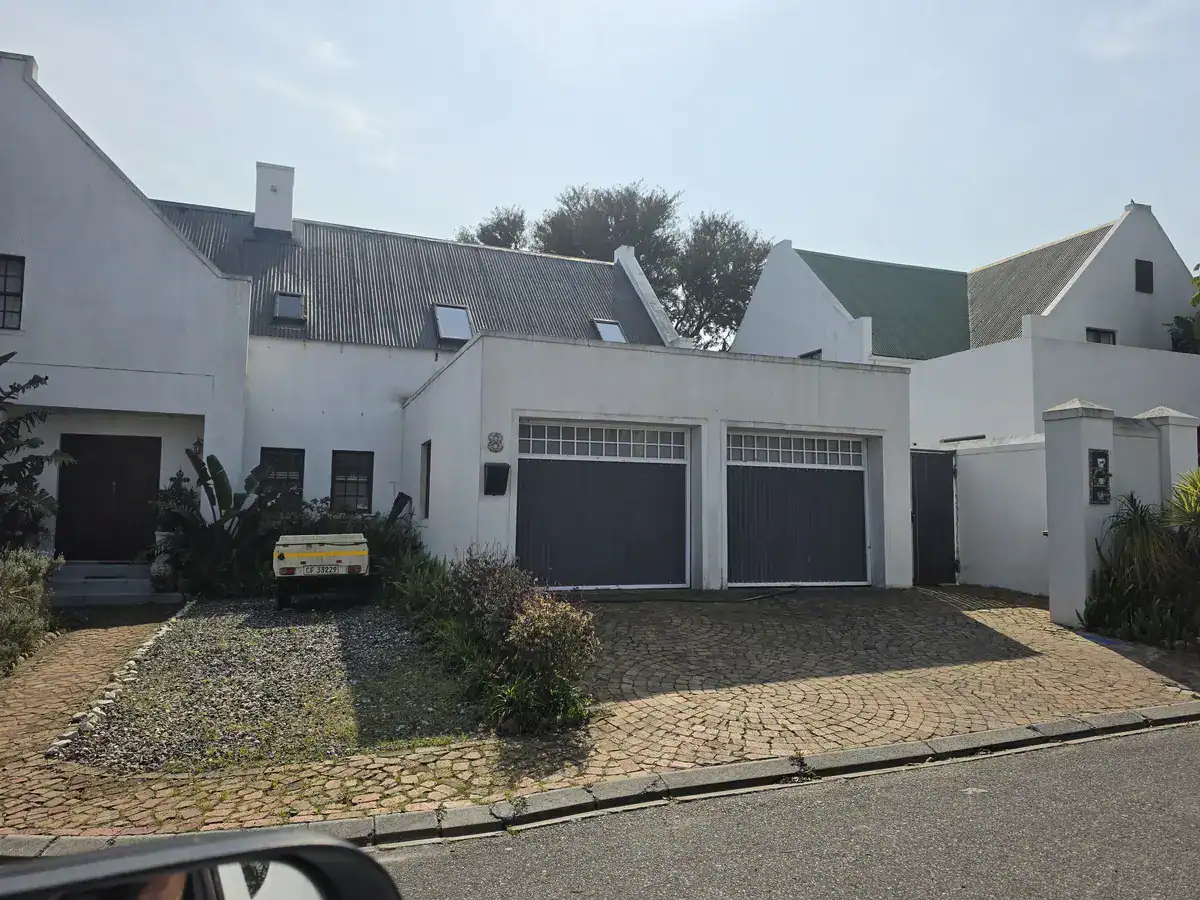
What We Found Before Painting
The physical inspection showed several different maintenance problems rather than one isolated paint defect.
- Corrugated roof sheets were chalky and weathered.
- Mould and staining were visible on parapets, main-building walls and garden walls.
- Exterior wall coatings were chalky and weathered.
- Map cracking was visible on wall surfaces.
- Cracks affected both vertical and horizontal masonry.
- Some perimeter sealants around windows and doors were beginning to fail.
- Moisture movement had contributed to coating discolouration and alkali-related deterioration.
- Horizontal waterproofing had aged and required renewal.
- Expansion-joint sealants required replacement where deterioration had occurred.
- Paint was peeling from Nutec fascia elements at the rear of the property.
The preparation specification was therefore divided according to the different defects and substrates rather than using one generic repair method throughout the property.
Protimeter Readings from 1.4% to 17.9%
Recorded Protimeter readings ranged from 1.4% to 17.9%.
The wide range is important because it demonstrates why one moisture reading should not be used to label an entire property as having one type or source of damp.
Measurements were considered together with visible staining, cracks, parapets, windowsills, failed seals, expansion joints, boundary walls, foundation walls and other possible moisture-entry routes.
The readings helped identify areas requiring additional attention, but they were interpreted as part of the wider physical inspection rather than as a stand-alone diagnosis.
Why the Existing Paint Could Not Simply Be Overcoated
The old wall and roof coatings had already lost part of their original integrity.
Chalking creates a weak powdery layer as an ageing coating breaks down. If new paint is applied directly over this material, the new coating can remain bonded to loose residue rather than to a stable underlying substrate.
Cracks, failed seals, deteriorated waterproofing and moisture-related coating damage also needed to be addressed before the decorative finish was applied.
Preparation therefore formed the foundation of the project.
Cleaning the Exterior Walls
Suitable exterior wall surfaces were high-pressure washed to remove loose and flaking paint, grime, chalky deposits and surface contamination.
Where high-pressure washing was unsuitable, the specification allowed for manual cleaning with ProGold GP Cleaner followed by clean-water rinsing.
Removing contamination and loose paint was necessary before primers, waterproof coatings or final wall finishes could be expected to adhere reliably.
Fungal Treatment Before Repainting
Mould and biological staining were recorded on parapet walls, the main building, garden walls and roof-related surfaces.
Fungus-affected areas received the specified ProGold Fungal Wash treatment before subsequent coating preparation.
Painting directly over active biological contamination would leave a contaminated interface beneath the new paint system and would not address the underlying surface condition.
Re-Waterproofing Parapets, Windowsills and Wall Tops
The property’s horizontal waterproofing had been completed several years earlier and had reached a stage where renewal was required.
Relevant parapets, windowsills and exposed wall tops were therefore included in the waterproofing preparation.
These surfaces were specified for two coats of Dulux Rainshield, with the second coat applied perpendicular to the first.
Horizontal masonry deserves separate treatment because it receives rainfall directly and can hold moisture for longer than a vertical wall face.
Small cracks or deteriorated waterproofing on these upward-facing surfaces can allow water into the wall below, where paint failure may later appear some distance from the original entry point.
Hairline Crack Preparation
Hairline cracks up to approximately 1 mm were specified for alkali-resistant sealing followed by Dulux Rainshield worked into the cracks.
The intention was to prepare and bridge suitable fine defects before the decorative wall coating was applied rather than simply concealing them with another coat of paint.
Map and Spiderweb Cracking
Areas containing multiple fine cracks or map cracking required broader flexible preparation.
The affected surfaces received the specified Dulux Rainshield treatment after the relevant primer preparation.
A network of fine cracks can create substantially more exposed surface area than one isolated defect, particularly on façades subjected to direct sun and winter rain.
Wider Plaster Crack Repairs
Suitable plaster cracks between approximately 1 mm and 5 mm required a different repair method.
These cracks were opened to an appropriate V-shaped joint and cleaned before compatible masonry patching material was installed.
The cured repairs were sanded smooth and the specified flexible Rainshield coating was applied across the repaired areas.
This distinction matters because wider plaster failure should not be treated in the same way as a superficial hairline crack.
Failed Window and Door Sealants
The inspection identified selected perimeter sealants around windows and doors that were beginning to deteriorate.
Failed sealant was removed where required and the relevant joints were resealed with flexible single-pack polyurethane sealant.
Wall penetrations and exterior fittings were also included in the sealing specification where appropriate.
Small openings around frames and fittings can allow rainwater to enter behind the surrounding coating and contribute to apparently unrelated paint failure lower down the wall.
Expansion Joints Required Flexible Resealing
Expansion joints showing failed or deteriorated sealant required resealing.
These joints were treated with flexible polyurethane rather than rigid plaster repair because they are intended to accommodate movement.
Using a rigid filler in an active movement joint can result in renewed cracking when the building moves again.
Moisture-Related Alkali Attack
Selected exterior areas displayed coating discolouration associated with moisture movement through cementitious surfaces and alkaline salts.
When moisture moves through plaster, soluble salts can migrate toward the painted surface and contribute to discolouration, powdering and degradation of the coating film.
The remedial approach therefore combined crack preparation, waterproofing, sealing and damp-related coating preparation instead of relying only on another decorative topcoat.
Damp-Related Exterior Preparation
Chalky wall surfaces were specified for Dulux Bonding Liquid where required to stabilise the remaining suitable friable substrate and improve adhesion.
Prepared moisture-affected exterior areas received Dulux Pre-Paint Dampshield as specified.
Where substrate readings fell within the elevated range identified in the specification, additional local treatment was required.
Bare prepared areas received the specified Dulux Dampshield system with the required drying and curing intervals.
The damp-resistant coating formed one part of the remedial system. It was not treated as a replacement for repairing cracks, failed joints, deteriorated waterproofing or continuing moisture-entry routes.
Boundary and Garden Wall Moisture Limitations
The project documentation specifically records that the boundary and garden walls do not have an effective damp-proof barrier separating the masonry from ground moisture.
Moisture may therefore continue to migrate through these walls from below or from behind.
The specified preparation and coating system provides the most practical treatment to the accessible painted face, but painting cannot create a missing damp-proof barrier within the masonry.
Future moisture-related discolouration, bubbling or peeling caused by continuing damp therefore remains possible and was treated as a coating-performance limitation.
Backfilled Foundation-Wall Moisture
Moisture-related discolouration was also visible below weep-hole and expansion-joint levels on certain foundation-wall areas.
These surfaces are exposed to moisture from the backfilled side, where no effective damp-proof separation prevents moisture from reaching the masonry.
The accessible wall faces received appropriate preparation and Dulux Dampshield where specified, but coating the visible face cannot permanently stop moisture migration from behind the wall.
This distinction is important because a coating contractor should not promise that paint can correct a construction or drainage condition outside the coating system itself.
Roof Painters Paarl — A Documented Corrugated Roof Project
The Lemoenkloof project provides genuine first-party evidence of roof painting in Paarl.
The corrugated roof was not simply recoated because the owner wanted a different colour. The existing roof surface was weathered and chalky and required a preparation system suitable for coated metal roofing.
The work included cleaning, fungal treatment, inspection for corrosion, local rust preparation, investigation of water-entry details, compatible waterproofing where required and full roof priming before the final coating system was applied.
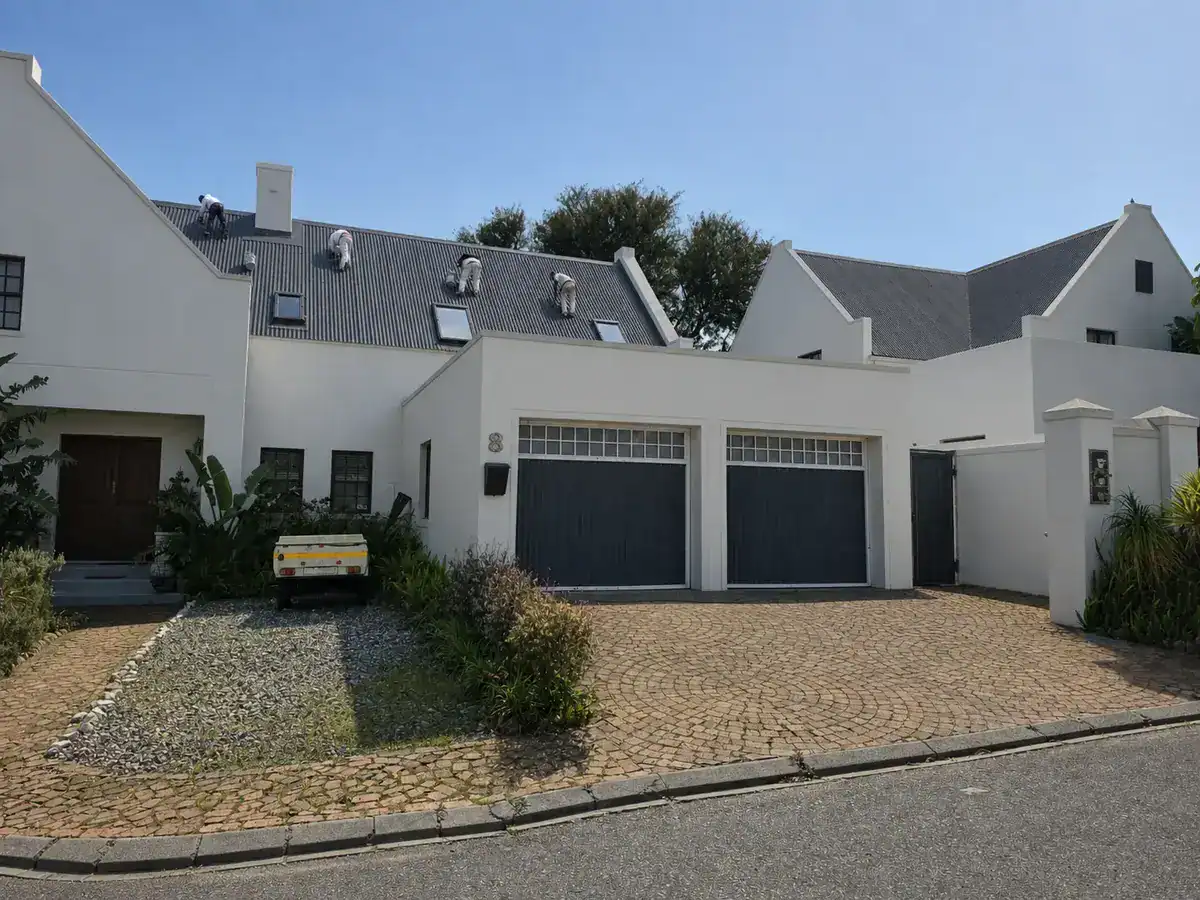
Cleaning and Preparing the Corrugated Roof
The roof was specified for high-pressure cleaning to remove loose coating material, grime, chalk and other contamination.
Areas where pressure washing was unsuitable could be cleaned manually using the specified cleaner and clean water.
Fungal contamination was treated before further roof preparation proceeded.
This cleaning stage was essential because primers and roof coatings need to bond to a stable surface rather than to loose chalk, biological growth or deteriorated old paint.
Rust Inspection and Treatment
The corrugated roof sheets were inspected for corrosion.
Where rust was identified, loose corrosion was removed and affected areas were treated with Duram NS1 rust converter and primer before the full roof-primer system.
Rust should be dealt with before decorative roof coating because applying new paint directly over active corrosion does not remove the deterioration underneath.
Waterproofing Corrugated Roof Details
The roof was also inspected for possible water-entry defects.
Where appropriate, corrugated-sheet overlaps and identified vulnerable areas could be sealed using compatible waterproofing material reinforced with mesh membrane.
This local waterproofing work was separate from the decorative roof coating itself.
Full Dulux Rust Primer Before Roofguard
After cleaning, fungal treatment, local corrosion treatment and the necessary waterproofing preparation, the corrugated roof sheets received a full coat of Dulux Rust Primer.
The full primer coat helped protect the prepared metal substrate, neutralise remaining weathering and provide a suitable adhesion layer for the final roof coating.
Two Coats of Dulux Roofguard Charcoal
The homeowner selected Dulux Roofguard in Charcoal as the final roof finish.
The prepared and fully primed corrugated roof received two coats of Dulux Roofguard Charcoal.
The completed coating system therefore consisted of much more than two decorative roof coats. The quality of the final finish depended on the cleaning, fungal treatment, corrosion preparation, local waterproofing and full roof primer underneath.
Roof Painting Is Not the Same as Repairing an Active Roof Leak
Roof coating can protect and refresh a suitable, sound and correctly prepared roof surface.
It should not be represented as a substitute for repairing damaged sheets, severely corroded metal, defective flashings, failed fasteners, structural movement, drainage problems or other active leak sources.
Where these problems are identified, the underlying defect should be repaired before the coating system is expected to perform normally.
Steel Garage Doors
The steel garage doors formed part of the metal preparation scope alongside the corrugated roof.
Metal surfaces were cleaned and assessed for weathering and corrosion before compatible preparation and coating.
The same preparation principle applies to both roofs and garage doors: loose paint and corrosion should be addressed before the final coating is applied.
Varnished Windows and Exterior Doors
The property’s varnished exterior woodwork required a different system from the painted metal and masonry surfaces.
The existing varnished finish was lightly sanded using scouring pads or fine-grit sandpaper to reduce the sheen and create a suitable key for the maintenance coating.
The timber had to be clean, dry and sound before receiving Dulux Woodgard varnish.
This preserves the character of the timber while maintaining the protective finish rather than converting the existing varnished woodwork to an unrelated paint system.
Nutec Fascia Boards and Soffits
Peeling coating was recorded on Nutec fascia elements at the rear of the property.
Loose and flaking coating material was removed, the surfaces were sanded to a more uniform finish, hard paint edges were feathered and mould treatment was completed where required.
The documented finishing schedule specified Dulux Roofguard on the prepared Nutec soffit surfaces.
Exterior Wall Finish
After cleaning, chalk stabilisation, crack repairs, waterproofing, flexible sealing and damp-related preparation were completed, the main-building, entrance and garden walls received two coats of Dulux Wallguard.
The wall finish was therefore the final stage of a broader preparation system rather than the starting point of the project.
Coating Systems Used or Specified for This Project
- Corrugated roof sheets: full Dulux Rust Primer followed by two coats of Dulux Roofguard Charcoal.
- Exterior main-building, entrance and garden walls: two coats of Dulux Wallguard.
- Horizontal waterproofing: Dulux Rainshield.
- Moisture-affected masonry: Dulux Pre-Paint Dampshield and Dulux Dampshield where specified.
- Chalky wall surfaces: Dulux Bonding Liquid where required.
- Varnished exterior timber: Dulux Woodgard.
- Prepared Nutec soffits: Dulux Roofguard.
- Rust treatment: Duram NS1 where active corrosion was identified.
- Flexible joints and perimeter seals: single-pack polyurethane sealant.
- Fungal treatment: ProGold Fungal Wash where required.
The named products are included because they formed part of the documented project specification and final client-selected roof system. Their inclusion does not imply manufacturer endorsement of Painters Cape Town or this webpage.
Why Roof and Exterior Preparation Matters in Paarl
Paarl properties can experience strong summer heat and UV exposure across broad walls and roof surfaces, followed by winter rainfall that tests parapets, windowsills, expansion joints, roof overlaps and other water-entry details.
This combination means the same property can display both weathering-related chalking and localised moisture-related deterioration.
A durable repaint therefore requires the contractor to distinguish between surfaces that are mainly weathered and those needing crack repair, waterproofing, flexible sealing, rust treatment or damp-related preparation.
What This Lemoenkloof Project Demonstrates
- A Paarl roof repaint should begin with inspection of the roof substrate rather than colour selection alone.
- Chalky corrugated roof sheets require proper cleaning and compatible priming.
- Rust should be treated before final roof coating.
- Corrugated-sheet overlaps and other water-entry details may require separate waterproofing repairs.
- Hairline cracks, wider plaster cracks, map cracking and expansion joints need different repair methods.
- Old parapet, windowsill and wall-top waterproofing eventually requires renewal.
- Failed window and door seals can contribute to moisture entry.
- Protimeter readings support diagnosis but do not prove one moisture source throughout a property.
- Boundary and backfilled walls can remain vulnerable where moisture continues entering from behind or below.
- Metal, masonry, Nutec and varnished timber require different preparation and coating systems.
A Strong Local Roof-Painting Example for Paarl
This project is particularly relevant to homeowners searching for roof painters in Paarl because it documents the actual steps taken on a real Lemoenkloof corrugated roof.
The case study includes the original roof condition, substrate weathering, mould and chalking, inspection for corrosion and water entry, rust treatment, waterproofing preparation, full roof priming and the final Dulux Roofguard Charcoal coating system.
It therefore supports our broader roof painting service with first-hand Paarl evidence rather than generic service claims.
Part of Our Paarl Painting Experience
Lemoenkloof gives our Painters Paarl page strong evidence for exterior painting, roof painting, waterproofing, damp-related preparation, timber maintenance and metalwork.
Our wider Paarl project experience also includes a detailed interior painting project in Courtrai and premium estate work at Val de Vie Estate.
These projects give the Paarl hub three different evidence types rather than repeating essentially the same exterior case study.
Paarl also forms part of our wider Cape Winelands painting service area.
Related Painting Services
- Roof Painters Cape Town
- Exterior Painters Cape Town
- Damp Proofing and Waterproofing
- Residential Painters Cape Town
Experienced Employed Painters and Working-Foreman Supervision
Painters Cape Town has 27 years of painting and surface-preparation experience.
The original Lemoenkloof project quotation records our painters as Paint Academy trained and having at least ten years of experience with the company.
The project was supervised by working foreman Riaan, supported by additional contractor site visits.
Our painters are full-time employees rather than subcontracted painting teams.
We are not a lead-generation company. Clients deal directly with the contractor responsible for inspection, quotation, preparation, painting, supervision and handover.
Request a Lemoenkloof or Paarl Painting Quote
If your Paarl property has a weathered roof, chalking exterior paint, rust, cracks, mould, failed seals, ageing waterproofing, damp-related coating deterioration or weathered exterior timber, the surfaces should first be physically inspected before a repainting system is specified.
Call 082 374 6862 or visit the Painters Cape Town contact page to arrange an inspection and written quotation.
Helpful Paarl Painting Guides
Why Paint Peels, Fades and Cracks
Learn how UV, chalking, moisture, cracks, poor adhesion and weak preparation can lead to premature exterior coating failure.
Damp Walls and Boundary Walls
Learn why moisture routes, cracks, wall tops, irrigation and ground-contact masonry should be considered before damp-affected paint is repaired.
Planning a Premium Home Repaint
See why roofs, timber, masonry, waterproofing, gardens and property protection should be planned before substantial residential painting begins.
Lemoenkloof Roof and Exterior Painting FAQs
Where was this painting project completed?
The documented project was carried out at a private residential property in Lemoenkloof, Paarl.
When was the project carried out?
The documented project window was during August 2026.
What moisture readings were recorded?
Protimeter readings across assessed exterior masonry ranged from 1.4% to 17.9%.
What surfaces were included?
The scope included corrugated roof sheets, steel garage doors, main-building, entrance and garden walls, varnished exterior windows and doors, horizontal waterproofing, damp-related preparation, flexible sealing and Nutec elements.
What problems were found on the roof?
The corrugated roof sheets were weathered and chalky and required cleaning, biological treatment, corrosion inspection, waterproofing assessment and compatible priming before final coating.
What roof paint was ultimately used?
The homeowner selected Dulux Roofguard in Charcoal as the final roof finish, applied as a two-coat system over the properly prepared and primed roof.
How was the corrugated roof prepared?
The roof was cleaned, fungus-affected areas treated, rust inspected and treated where necessary, relevant waterproofing defects addressed and a full coat of Dulux Rust Primer applied before the Roofguard finish.
Was rust treatment included?
Yes. The roof specification required corrosion inspection and Duram NS1 treatment on affected areas before the full roof primer.
Were leaking roof details checked?
Yes. The roof was inspected for possible water-entry defects, with compatible membrane waterproofing included for identified corrugated-sheet details where required.
Does roof painting repair every roof leak?
No. Roof coating protects a suitable prepared roof surface but does not replace repair of damaged sheets, failed flashings, structural defects, defective fasteners or other active leak sources.
What defects were found on the walls?
The inspection recorded weathered and chalky paint, mould and staining, map cracking, wider cracks, deteriorating perimeter seals, ageing waterproofing, failed expansion-joint sealant and moisture-related coating discolouration.
How were chalky walls prepared?
The specified system included cleaning followed by Dulux Bonding Liquid where required to stabilise remaining chalky surfaces before subsequent coatings.
How were hairline cracks treated?
Hairline cracks received alkali-resistant sealing and Dulux Rainshield flexible preparation.
How were wider plaster cracks repaired?
Suitable wider cracks were opened, cleaned, filled with compatible masonry repair material and protected with the specified Rainshield system.
How was map cracking treated?
Map-cracked areas received flexible Dulux Rainshield preparation rather than simply being covered by the decorative topcoat.
Were parapets and windowsills waterproofed?
Yes. Relevant horizontal surfaces were re-waterproofed with two coats of Dulux Rainshield because the previous waterproofing had aged.
How were failed window and door seals treated?
Deteriorated sealant was removed where required and the relevant joints resealed with flexible single-pack polyurethane sealant.
How were expansion joints treated?
Failed expansion-joint material was replaced with flexible polyurethane sealant so the joints could continue accommodating movement.
Was damp-related preparation included?
Yes. Identified areas received the specified Bonding Liquid and Dulux Dampshield preparation where appropriate, together with repair of cracks, waterproofing and failed seals.
Why can boundary-wall coating failure return?
The project quotation records boundary walls without effective damp-proof separation from ground moisture. Continuing moisture entering from below or behind can therefore cause future discolouration, bubbling or peeling.
What paint was used on the exterior walls?
The prepared main-building, entrance and garden walls received two coats of Dulux Wallguard.
How was the varnished timber prepared?
The varnished windows and exterior doors were lightly sanded to reduce the sheen and create a suitable key before the Dulux Woodgard maintenance coating was applied.
Do you use subcontracted painters?
No. Painters Cape Town uses full-time employed painters with working-foreman supervision.
How do I request a Lemoenkloof or Paarl painting quote?
Call 082 374 6862 or visit the Painters Cape Town contact page to arrange a physical inspection and written quotation.

Copyright 2026 , all rights reserved.