Professional Wall Preparation Brackenfell
Wall Preparation Brackenfell – Plaster Repairs, Priming & Surface Preparation
Correct preparation before painting: removing unstable coatings, repairing plaster cracks, cleaning chalky surfaces, sanding and applying suitable primers.
Technical evidence from completed projects in Burgundy Estate, Sonkring, Protea Heights and Moreson Estate. 27 years of experience and written preparation specifications.
What Professional Preparation Includes
- Inspection of existing paint and plaster.
- Removal of loose, flaking and poorly adhered coatings.
- Cleaning powdery, chalky and contaminated masonry.
- Hairline crack and map-cracking preparation.
- Opening and repairing wider plaster cracks.
- Correct sanding, feathering and dust removal.
- Repairing damaged plaster and unsuitable previous patching.
- Assessing moisture before surface preparation.
- Compatible primers for repaired or bare substrates.
- Documented preparation before decorative painting.
Preparation-First Painting Backed by Genuine Brackenfell Projects
The quality of a paint finish depends on what happens before the first finishing coat. Our original quotations document the work beneath the paint.
27 Years' Experience
Practical preparation experience covering plaster, painted masonry, interior finishes and different exterior substrates.
Four Completed Projects
Burgundy Estate, Sonkring, Protea Heights and Moreson Estate provide genuine evidence of different preparation requirements.
Written Preparation Scopes
Our quotations distinguish cleaning, crack sizes, suitable repair materials, priming, waterproofing and finishing systems.
Real Before & After Images
Original photographs show defective surfaces and completed work, not generic marketing images.
Employed Painting Teams
Full-time company painters with working-foreman supervision, not outsourced quotation referrals.
Supplier-Based Preparation
Appropriate cleaning, sealers, primers and repairs are selected according to the substrate and project specification.
Professional Wall Preparation Before Painting in Brackenfell
Professional wall preparation is the process of converting an existing painted or plastered surface into a sound, clean, appropriately repaired and correctly primed substrate before the decorative finishing coats are applied.
Painters Cape Town has 27 years of painting-contractor experience. Our written quotations identify the preparation needed for each property rather than assuming that washing and repainting will be sufficient.
Our completed 2026 Brackenfell projects provide practical examples of different preparation challenges: map cracking at Burgundy Estate, cracked masonry and weathered substrates at Sonkring, interior plaster and cornice defects at Protea Heights, and serious moisture-related substrate damage at Moreson Estate.
The purpose of this page is to explain the actual preparation work. For our broader local contracting service, see Painters Brackenfell.
Preparation Starts with the Existing Substrate
Before removing paint or filling cracks, the surface must be examined. Different defects may look similar after years of exposure, but they do not necessarily require the same treatment.
Our preparation inspections consider:
- Whether existing coatings remain firmly adhered.
- Chalking, powdery deposits and unstable surface material.
- Hairline cracks, map cracking and wider plaster cracks.
- Loose, damaged or poorly repaired plaster.
- Glossy or unsuitable existing finishes.
- Residual moisture or signs of active water entry.
- Failed flexible joints adjacent to the painted surfaces.
- Whether previous repairs need additional sealing or priming.
- Compatibility between the prepared substrate and the specified coating system.
Project 1 – Burgundy Estate: Map Cracking, Chalking and Plaster Repairs
Location: Burgundy Estate, Brackenfell.
Completed: 9–17 February 2026.
Protimeter readings: Min 11.2%, Max 36.8%.
Our completed Burgundy Estate exterior redecoration provides particularly detailed evidence of wall-preparation requirements.
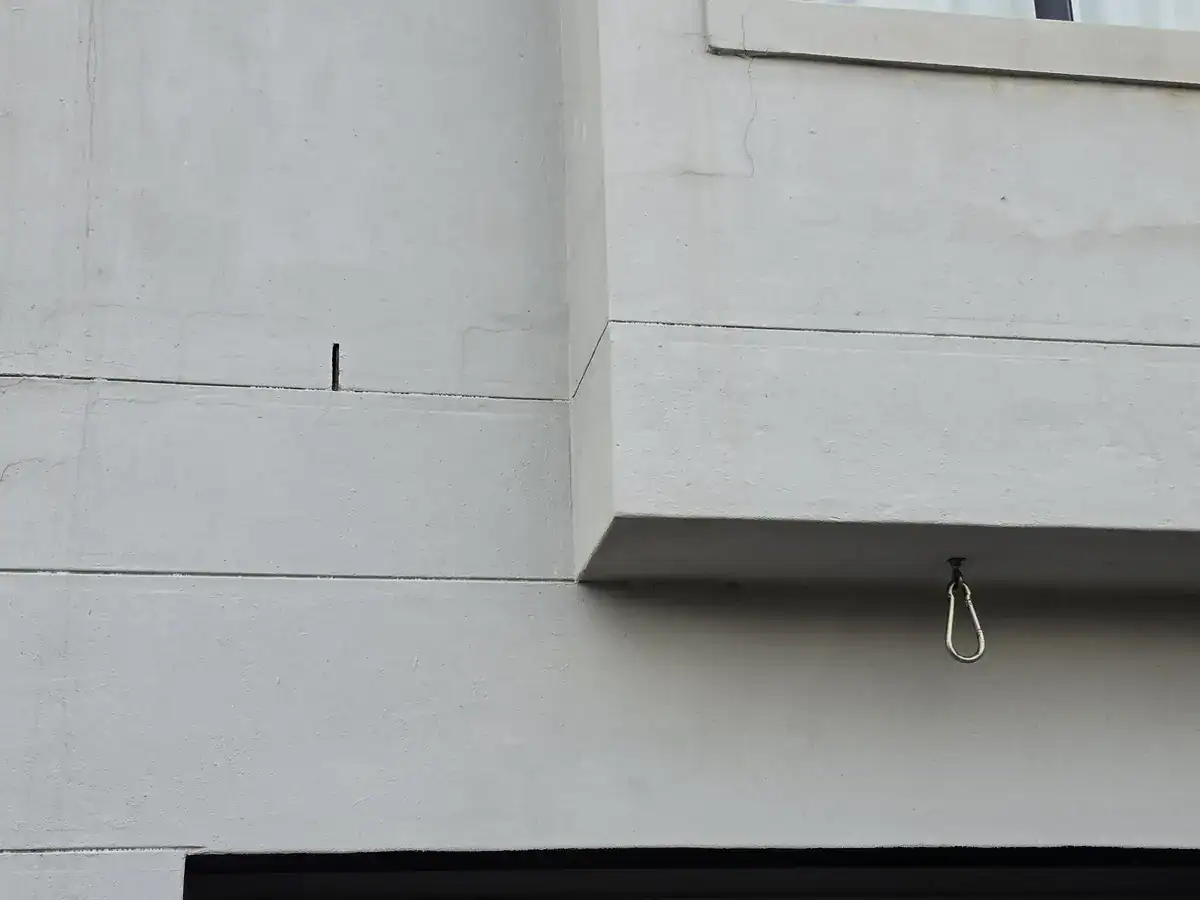
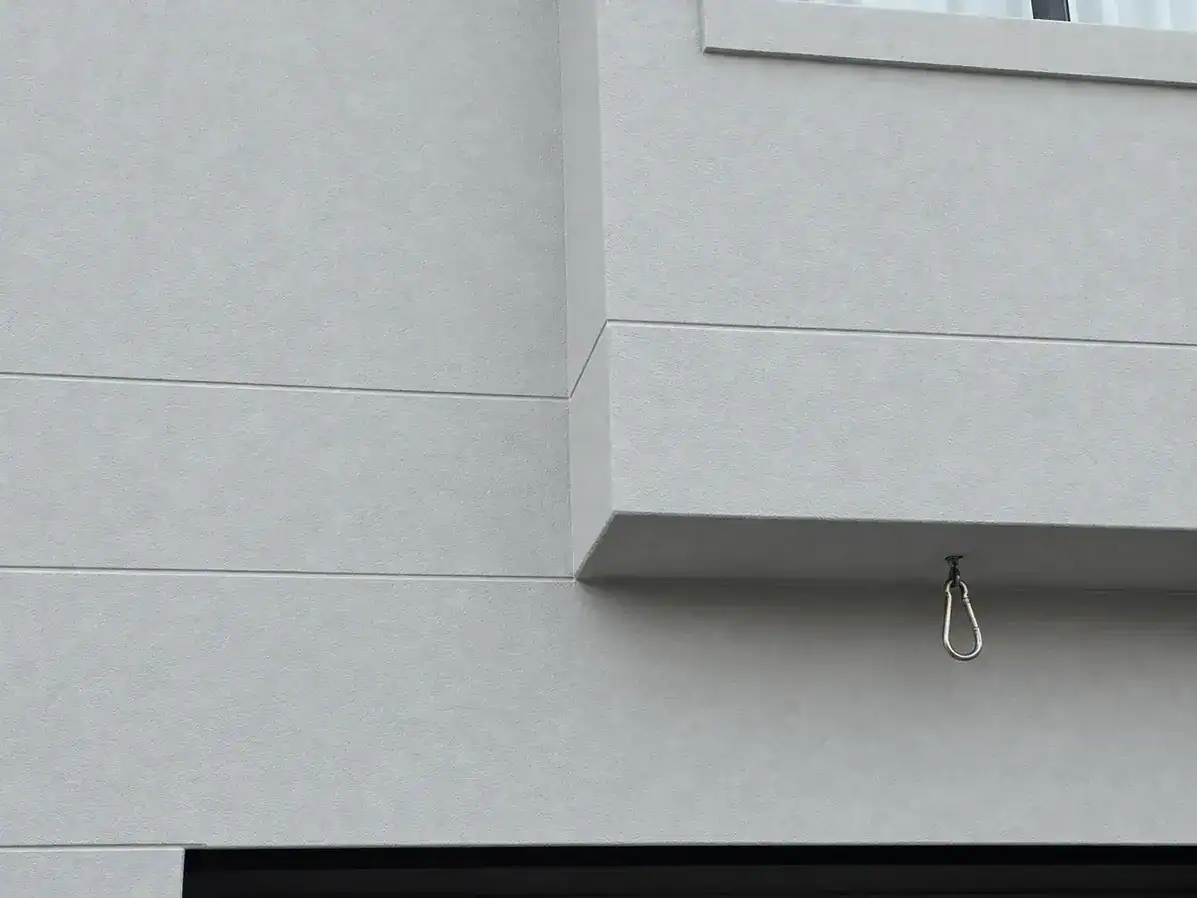
The original quotation recorded powdery surfaces, map cracking, wider cracks, defective perimeter sealants, moisture-related discolouration and previous horizontal surfaces that had not been adequately waterproofed.
It also recorded brown staining associated with irrigation overspray. These findings were addressed through separate preparation methods rather than one general-purpose filler or primer.
Burgundy Estate – Original Before and After Photographs
Removing Unstable Coatings and Chalking
The Burgundy Estate quotation specified high-pressure cleaning of appropriate exterior walls to remove loose and flaking paint, grime and chalky deposits.
Where high-pressure cleaning could not be used, the written scope provided for manual washing with diluted PROGOLD GP Cleaner, scrubbing and rinsing.
Cleaning is intended to expose a sound substrate. If powdery paint or loose coating remains underneath the new finish, the appearance of the final coat alone does not demonstrate adequate adhesion.
Preparation of Fungal Contamination
The quotation specified PROGOLD Fungal Wash for affected areas, including accessible cracks, before subsequent preparation.
Biological contamination should not simply be painted over. The substrate and the surrounding moisture conditions must also be considered.
Preparing Hairline Cracks up to Approximately 1 mm
The original Burgundy specification distinguished hairline cracks of up to 1 mm from wider cracks.
The documented preparation included an alkali-resistant sealer in suitable cracks followed by the specified Dulux Rainshield treatment. Where widespread spiderweb or map cracking occurred, the quotation provided for a broader compatible preparation and protective system.
This is a project-specific specification, not a recommendation to use the same materials on every hairline crack in every building.
Preparing Wider Plaster Cracks of Approximately 1–5 mm
For specified plaster cracks in the 1–5 mm range, the Burgundy Estate quotation required opening the cracks into a V-shaped joint and cleaning them before repairs.
Suitable cracks of limited depth were to receive the specified masonry patching plaster repair system.
After repair, the preparation included sanding to an even surface, removing dust and applying the relevant protective preparation coats before the decorative finish.
Where movement is ongoing or a crack indicates a structural defect, simply widening and filling the crack may not be sufficient.
Preparing Map Cracking
Map cracking consists of interconnected fine cracks across a plastered area. The Burgundy quotation identified this condition separately and specified a suitable Dulux Rainshield preparation treatment.
The important point is that treating a network of fine cracks may require preparation of the affected surface area rather than filling one isolated visible crack.
Preparing Brown Stains Before Repainting
The inspection associated brown staining with iron-containing irrigation overspray.
The written scope specified suitable stain-blocking preparation using Dulux Universal Undercoat before finishing coats. This was intended to limit the staining bleeding through the new decorative finish.
Stain-blocking preparation is different from repairing cracks or treating damp masonry. It must also be distinguished from correcting the source of repeated staining.
Project 2 – Sonkring: Exterior Masonry and Different Substrates
Location: Sonkring, Brackenfell.
Completed: 20 April – 2 May 2026.
Protimeter readings: Min 6.4%, Max 14.6%.
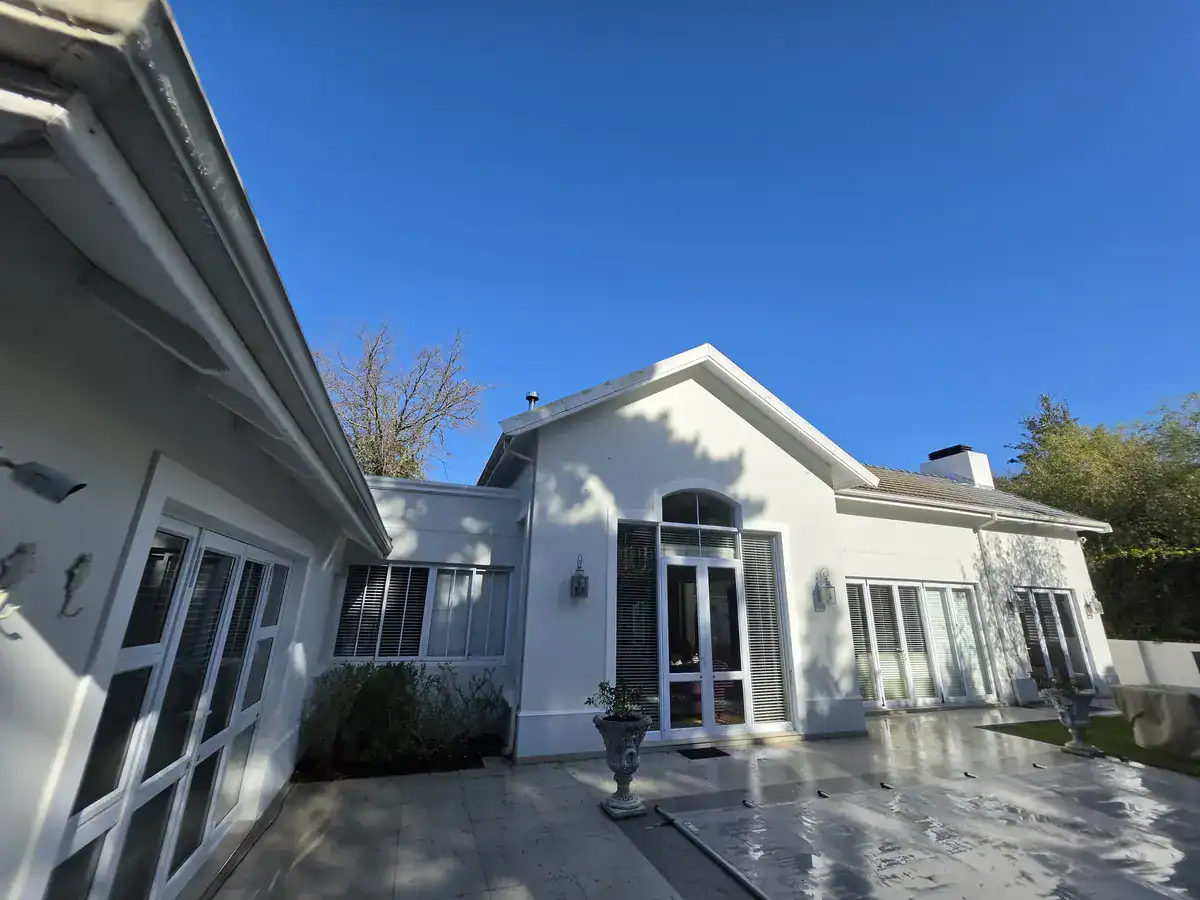
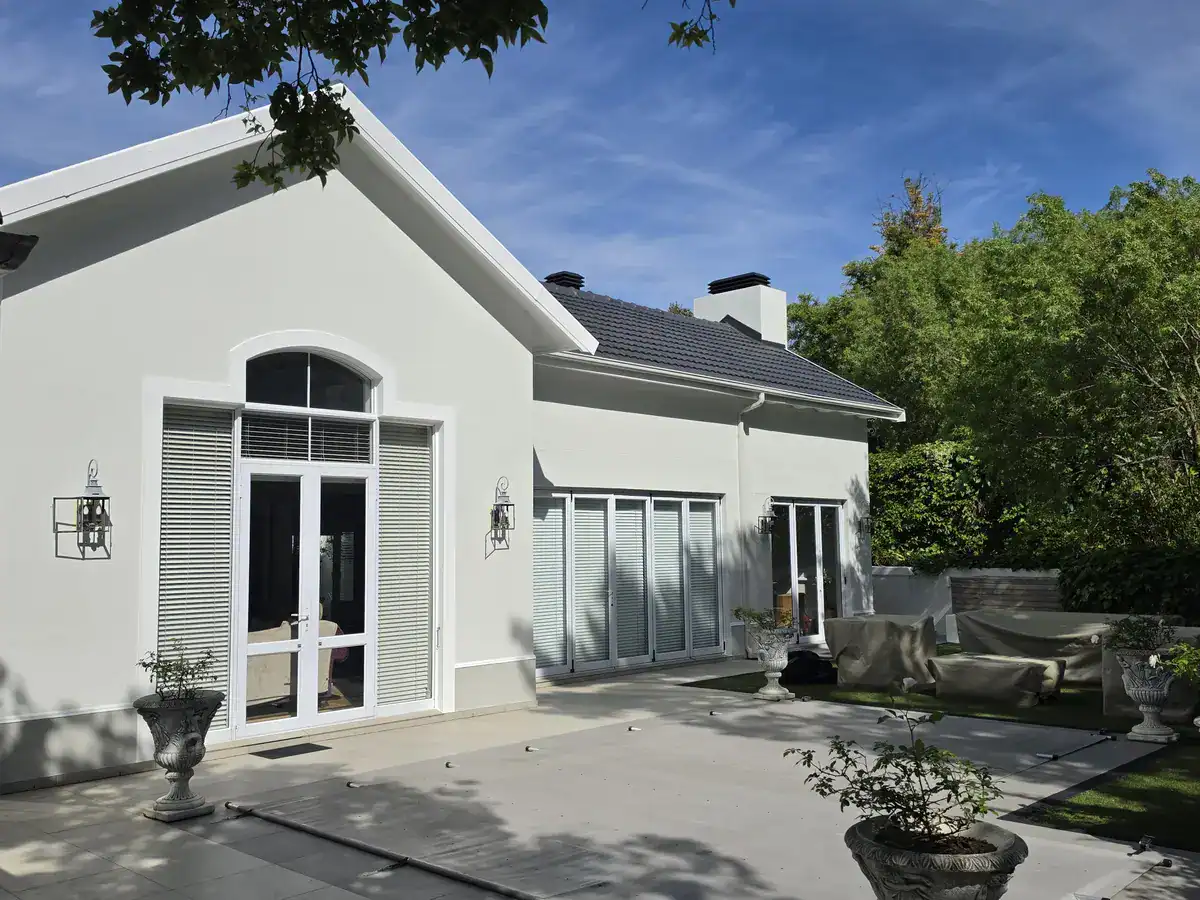
At Sonkring, the completed exterior and roof project involved cracked masonry, failing perimeter seals, unsealed movement joints and weathered fascia boards.
These components required different preparation and coating specifications. A masonry crack repair system cannot simply be substituted for timber preparation or flexible joint sealing.
Sonkring – Exterior Preparation and Completed Finish
Separating Plaster Crack Repairs from Movement Joints
The original Sonkring scope differentiated hairline and wider plaster cracks from expansion joints and window or door perimeter seals.
Appropriate plaster defects required masonry preparation and repair materials, while defective flexible joints required removal of unsuitable sealant and compatible flexible resealing where specified.
Rigid plaster filler should not automatically be used where a joint is intended to accommodate movement.
Preparing Timber Fascia Boards
Weathered timber fascia boards required different preparation from masonry. The specified finish was Dulux Pearlglo Waterbase on appropriately prepared timber.
Removing loose coatings, sanding, feathering edges and using suitable priming procedures are important to obtaining a uniform finish on previously painted timber.
The Sonkring quotation also distinguished the preparation and painting of relevant soffits and other roofline materials.
For the complete evidence, including roof photographs, see our completed Sonkring exterior and roof painting project.
Project 3 – Protea Heights: Interior Wall, Cornice and Stain Preparation
Location: Protea Heights, Brackenfell.
Completed: 18–26 May 2026.
Protimeter readings: Min 6.5%, Max 15%.
The Protea Heights project demonstrates how interior wall preparation differs from exterior masonry work.
The original inspection recorded hairline plaster cracks, movement-related gaps between cornices and walls, a historic water stain on a bathroom ceiling and a moisture-affected bedroom wall adjoining a shower that had previously leaked.
The shower had already been waterproofed and retiled by others, but moisture remained in the adjoining masonry. This had to be considered before the relevant wall preparation and finishing work.
Preparing Hairline Interior Plaster Cracks
Hairline cracks of approximately 1 mm required appropriate preparation and finishing in the original scope.
The objective was to restore an even, stable surface without leaving obvious repair edges or poorly bonded material beneath the decorative finish.
Preparing Cornice-to-Wall Gaps
Movement-related gaps where cornices meet walls require different treatment from ordinary flat plaster repairs.
The appropriate preparation must account for the joint location and expected movement rather than simply applying hard filler indiscriminately.
Preparing Previously Stained Ceilings
The bathroom ceiling had a historic brown water stain. Preparation needed to consider whether the original moisture source was resolved and whether suitable stain blocking was needed before the ceiling finish.
Preparing a Previously Damp Interior Wall
The bedroom wall beside the repaired shower showed coating deterioration associated with residual moisture.
Unsound paint and affected material required appropriate preparation, with the suitable Dulux damp-related system specified in the original quotation.
This is a good example of why wall preparation must be informed by the substrate’s history: correcting the leak and preparing the adjoining wall are separate stages.
Read the completed Protea Heights interior painting case study.
Project 4 – Moreson Estate: Preparing Severely Damaged Exterior Plaster
Location: Moreson Estate, Brackenfell.
Completed: 1–10 June 2026.
Protimeter readings: Min 19%, Max 37%.
Moreson Estate required substantial preparation because of moisture-related coating failure and damaged exterior masonry, including deterioration beneath a swimming-pool deck.
Its original quotation referenced a written Dulux warranty specification covering the relevant preparation and coating systems.
Moreson Estate – Evidence of Damaged and Prepared Surfaces
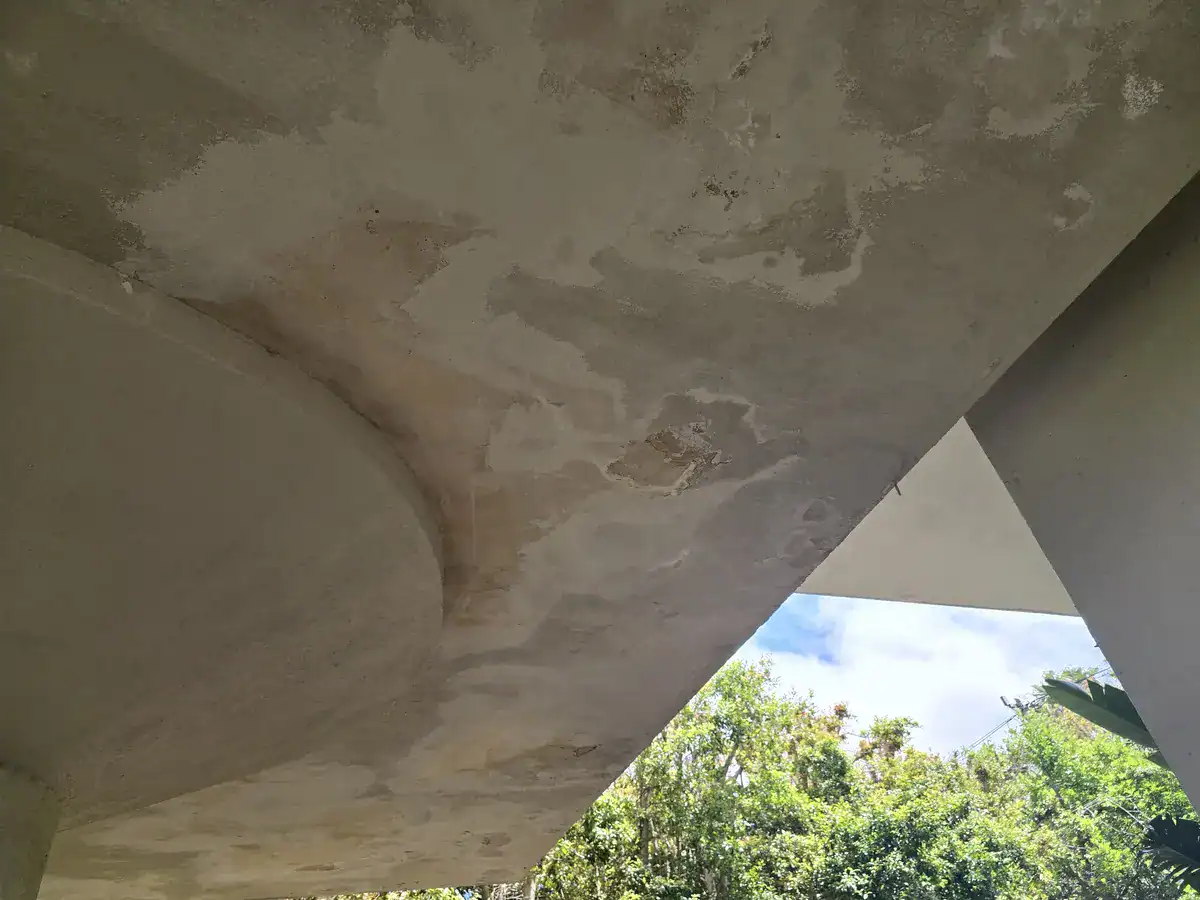
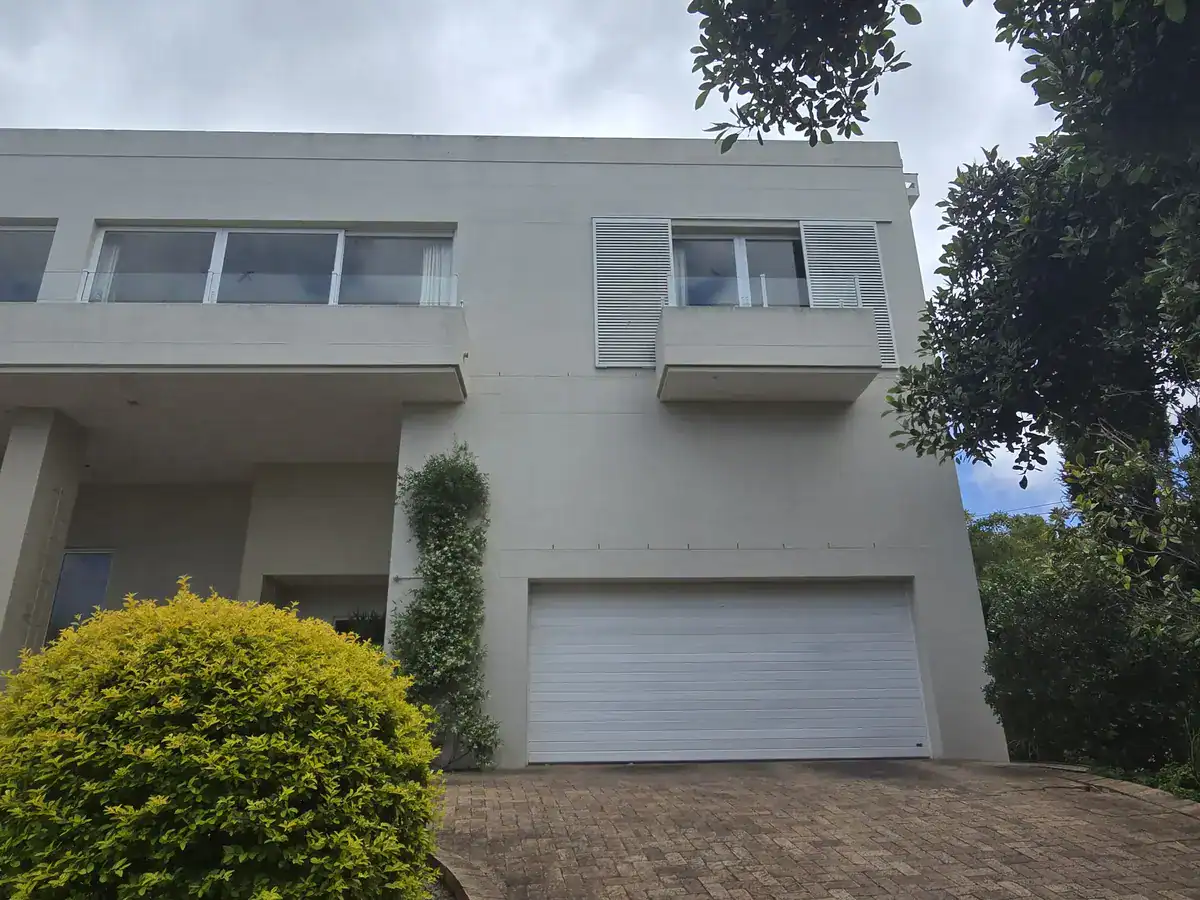
The two photographs document different areas and stages of the same property. They are not matching before-and-after views of one surface.
Damaged Substrate Preparation Before Finishing
The completed Moreson work involved removing unstable coatings, cleaning affected surfaces, treating contamination where specified and repairing damaged masonry.
The original scope also required specific treatment of an approximately 8 mm failed walkway-to-wall joint and moisture-related deterioration beneath the adjoining pool deck.
Five drainage holes were specified beneath the affected slab to assist with releasing retained water. This was a project-specific remedial measure and not a standard wall-preparation procedure.
The important preparation lesson is that a damaged substrate must be addressed before new paint is applied. Applying finishing coats directly over unsound masonry cannot replace the required repairs.
View the completed Moreson Estate exterior preparation project.
Our Technical Wall Preparation Sequence
Step 1 – Inspect Adhesion, Plaster and Existing Coatings
Establish whether the previous coating is sound, peeling, powdery, contaminated or affected by moisture. Identify cracks, damaged plaster and any previous unsuitable repairs.
Step 2 – Protect Surrounding Surfaces
Protect suitable floors, paving, windows, fittings, furniture, landscaping and adjoining finishes before cleaning, scraping, sanding or repairs begin.
Step 3 – Remove Unsound Paint
Remove loose, flaking and poorly adhered coatings by methods appropriate to the substrate, feathering sound edges where necessary.
Step 4 – Clean Chalking and Contamination
Wash and prepare suitable surfaces to remove dirt, powder, chalking and contaminants. Use appropriate biological treatment where fungal contamination is present.
Step 5 – Assess Moisture-Related Defects
Where moisture symptoms are present, consider their source and whether further repairs or suitable substrate treatment are needed before progressing.
Step 6 – Prepare and Repair Plaster Cracks
Differentiate hairline cracks, map cracking, wider plaster cracks and possible movement defects. Use the specified preparation method for the actual condition.
Step 7 – Repair Damaged or Unsound Plaster
Remove or prepare defective material as needed, apply suitable repair systems and allow the substrate to reach the required condition before sanding and priming.
Step 8 – Sand, Feather and Remove Dust
Sand suitable repaired areas to achieve the specified finish, reduce visible edges and remove sanding dust before applying compatible primers.
Step 9 – Inspect Adjacent Joints and Seals
Identify defective flexible junctions that could undermine the prepared wall. Such work is specified separately from rigid plaster crack repairs.
Step 10 – Apply the Correct Primer or Sealer
Use an appropriate primer or sealer according to the substrate, repairs, previous coating and relevant supplier specification.
Step 11 – Check Prepared Surfaces Before Painting
Inspect repaired plaster, edges, cleanliness and primer coverage before proceeding to decorative finishing coats.
Why the Primer Matters
A primer or sealer is part of the coating system, not merely an optional first coat.
The appropriate product depends on the substrate and condition. Bare plaster, repaired masonry, chalky previously painted surfaces, damp-affected cementitious material and previously painted timber do not automatically require the same preparation.
The Burgundy Estate specification distinguished alkali-resistant sealing, appropriate plaster primer, stain-blocking undercoat and damp-related preparation according to the defect and intended subsequent coatings.
Manufacturer compatibility, application conditions and curing requirements must be considered for each specified product.
Wall Preparation Is Not the Same as Paint-Failure Diagnosis
This page explains how to prepare an existing wall once its condition and necessary repairs have been established.
Investigating the underlying cause of repeated bubbling, peeling or coating discolouration is a separate task. For that subject, read Why Paint Peels, Bubbles or Fails in Brackenfell.
Likewise, moisture-related wall preparation is not a substitute for appropriate damp-affected masonry treatment or repairing vulnerable water-entry surfaces and joints.
Common Preparation Shortcuts That Can Compromise Repainting
- Painting over powdery, chalking surfaces without proper cleaning.
- Applying new paint over loose or poorly adhered old coatings.
- Filling cracks without identifying their size or movement behaviour.
- Painting repaired plaster before it is suitably prepared and primed.
- Leaving sanding dust on the wall before applying finishing products.
- Failing to seal a repaired bare area where a primer is required.
- Using rigid plaster filler in an intended flexible movement joint.
- Covering water stains without considering the original cause.
- Painting over active moisture or damaged unsound masonry.
- Using one preparation system indiscriminately on masonry, timber and other substrates.
How Much Does Professional Wall Preparation Cost in Brackenfell?
Preparation costs depend on the condition and extent of the surfaces, removal of failed paint, cleaning, crack repairs, plaster repairs, access, suitable primer systems and the agreed finishing scope.
Our original Brackenfell project quotations demonstrate that preparation can form a substantial part of a complete painting project, but they do not provide separately verified wall-preparation-only amounts.
It would therefore be misleading to present the total Burgundy Estate, Sonkring or Protea Heights project quotation as a standalone wall-preparation price.
For real completed-project pricing evidence, see House Painting Costs Brackenfell.
Request an Inspection for Wall Preparation in Brackenfell
If your Brackenfell property has cracked plaster, chalky paint, old repairs, unstable coatings or surfaces requiring substantial preparation before repainting, we can inspect the condition and prepare a written quotation for suitable work.
Our full-time employed painting teams work under experienced working-foreman supervision. The quotation identifies the preparation and materials required for the actual property rather than assuming every wall needs the same treatment.
Call 082 374 6862 for professional wall preparation and painting quotations in Brackenfell.
Helpful Brackenfell Wall Preparation & Project Guides
Explore completed Brackenfell projects demonstrating plaster repairs, removal of failed coatings, interior preparation and technical treatments before repainting.
Painters Brackenfell
Our main local painting contractor page, supported by genuine completed projects and written preparation specifications.
Protea Heights Interior Project
Completed interior painting with plaster crack repairs, cornice-junction preparation and treatment of previously damp masonry.
Moreson Estate Exterior Project
Original evidence of damaged exterior plaster, failed coatings and extensive masonry preparation before protective painting.
Boundary Wall Painting Brackenfell
The completed Ruwari guesthouse project documents hollow plaster repairs, Grippon bonding preparation, mesh and chalky coating treatment.
Paint Failure Brackenfell
Understand why existing paint peels, bubbles, chalks or loses adhesion before selecting the appropriate repair method.
Exterior Painters Brackenfell
How thorough wall preparation supports professional exterior repainting, with original Sonkring and Moreson project evidence.
Wall Preparation Brackenfell – Frequently Asked Questions
Why is wall preparation important before painting?
Paint must be applied to a suitable substrate. Chalking, loose coatings, damaged plaster, dust and untreated cracks can affect adhesion and the appearance of the finished paint system.
Do you provide professional wall preparation in Brackenfell?
Yes. Our painting quotations specify suitable cleaning, coating removal, crack repairs, sanding, priming and associated preparation according to the inspected property's condition.
Have you completed wall preparation projects in Brackenfell?
Yes. Completed 2026 projects in Burgundy Estate, Sonkring, Protea Heights and Moreson Estate involved different preparation requirements.
Should loose paint be removed before repainting?
Yes. Loose and poorly adhered coatings must be appropriately prepared or removed to establish a sound surface before applying new finishing products.
What is chalking on exterior walls?
Chalking is a powdery surface condition associated with deterioration of an existing coating. Appropriate cleaning and preparation are required before repainting.
What is map cracking?
Map cracking is a network of fine cracks across a plastered surface. The Burgundy Estate quotation documented this condition and specified an appropriate preparation system.
How are hairline plaster cracks prepared?
The relevant method depends on the substrate and condition. The original Burgundy Estate specification distinguished cracks up to approximately 1 mm and included alkali-resistant sealing and specified protective preparation.
How are 1–5 mm plaster cracks prepared?
The Burgundy Estate quotation specified opening appropriate wider cracks into a V-shaped joint, cleaning, suitable masonry patch repairs, sanding, dust removal and protective preparation.
Can I simply fill all cracks with ordinary filler?
No. Hairline cracks, wider plaster defects and movement-related joints can require different repairs. Active structural movement may need separate investigation.
Do walls need washing before painting?
Cleaning depends on the surface condition. Our Burgundy Estate quotation specified suitable pressure washing or manual washing to remove loose paint, dirt and chalking.
Should fungal contamination be treated before painting?
Yes, where present. The original Burgundy Estate specification included PROGOLD Fungal Wash for affected areas before subsequent preparation.
Must repaired plaster be primed?
Appropriate priming depends on the plaster repair, substrate and coating system. The correct compatible primer or sealer should be used where specified.
How do you stop brown stains showing through new paint?
The source of staining should be considered first. The Burgundy Estate quotation specified a suitable Dulux Universal Undercoat treatment for documented brown staining before finishing coats.
Do interior cornice gaps require special preparation?
Yes. Gaps caused by movement at cornice-to-wall junctions should be assessed separately from ordinary flat plaster cracks.
Can damp walls be prepared and painted immediately?
Not automatically. The source and current moisture condition should be assessed, with any necessary repairs and compatible preparation completed before repainting.
Does wall preparation include waterproofing?
Certain projects require separate waterproofing work on suitable horizontal surfaces or joints. That is distinct from ordinary cleaning, plaster repair and priming.
Can you prepare old exterior timber fascia boards?
Yes. Our completed Sonkring project included weathered fascia-board preparation and a separate specified finishing system for timber.
What does wall preparation cost in Brackenfell?
Costs depend on substrate condition, coating removal, cracks, plaster repairs, cleaning, sanding, access, primers and the agreed painting scope. An inspection is needed.
Do you use subcontractors?
No. Our painting teams are directly employed and supervised by experienced working foremen.
How do I arrange a wall preparation quotation?
Call 082 374 6862 to arrange a suitable Brackenfell property inspection and written quotation.

Copyright 2026 , all rights reserved.