Paint Failure Diagnosis • Brackenfell
Why Paint Peels, Bubbles or Fails in Brackenfell
Understand peeling paint, bubbling, moisture damage, cracks and coating failure through three genuine completed Brackenfell painting projects.
With 27 years of experience, full-time employed painters, written diagnostic quotations and supplier-based preparation specifications, we investigate the cause before recommending a repaint.
Common Paint Problems We Investigate
- Peeling, flaking and bubbling interior or exterior paint.
- Moisture damage following previously repaired leaks.
- Rainwater entering through cracked plaster and failed joints.
- Paint discolouration and moisture-related alkali attack.
- Weathered, chalking or poorly bonded exterior coatings.
- Unwaterproofed windowsills, parapets and boundary-wall tops.
- Deteriorated sealants around windows, doors and expansion joints.
- Ground and backfill moisture affecting boundary walls.
- Real project evidence from Protea Heights, Moreson Estate and Sonkring.
Real Paint-Failure Experience in Brackenfell
Our diagnostic approach is supported by actual inspections, written specifications and completed painting work, not generic descriptions of damp or peeling paint.
27 Years' Experience
Preparation-first contracting experience with failed coatings, cracked plaster, timber, masonry and moisture-related surfaces.
Three Genuine Local Cases
Documented 2026 inspection findings from Moreson Estate, Protea Heights and Sonkring, rather than invented project examples.
Protimeter Inspections
Min and Max readings recorded as percentages in original quotations and considered alongside visible defects and building history.
Written Repair Specifications
Defects, surface preparation, crack repairs, relevant primers, waterproofing and coating limitations documented before work begins.
Our Own Painting Teams
Full-time employed painters with working-foreman supervision, rather than subcontracted crews or a quote-matching service.
Realistic Damp Limitations
We distinguish repairable coating problems from continuing leaks, missing damp-proof courses and moisture entering from behind masonry.
Why Is Paint Peeling or Bubbling on Brackenfell Homes?
Peeling, bubbling, cracking and discoloured paint can indicate poor adhesion, ageing coatings, defective previous preparation, moisture entry or deterioration of the underlying plaster. The visible symptom does not always identify the cause.
At Painters Cape Town, our approach is to inspect the surface and relevant building details before recommending preparation and repainting. With 27 years of painting-contractor experience, full-time employed painters and written diagnostic quotations, we focus on what has caused the coating to fail rather than merely covering the damage.
Our completed projects in Protea Heights, Moreson Estate and Sonkring provide genuine Brackenfell examples of different paint-failure conditions, supported by original quotations, Protimeter readings and project photographs.
If you are looking for a contractor for a complete repaint, visit Painters Brackenfell. This guide focuses on diagnosis, preparation and preventing avoidable repeat coating failure.
What Different Paint-Failure Symptoms May Mean
Peeling and Flaking Paint
Paint that separates from the underlying surface may indicate inadequate adhesion, an unstable older coating, moisture exposure, unsuitable previous priming or incomplete preparation. The amount and location of deterioration matter when determining the repair scope.
Paint Bubbles and Blisters
Bubbling can occur where moisture or other conditions interfere with coating adhesion. On a bedroom wall adjoining a shower, the likely investigation differs from that required beneath an exterior pool deck or on a sun-exposed façade.
Powdery or Chalking Exterior Paint
Weathered coatings may leave a powdery residue. If the surface remains unstable, applying a new decorative coating directly over it can compromise adhesion. Appropriate cleaning and, where needed, compatible stabilising preparation are essential.
Discolouration, Staining and Alkali Attack
Discolouration may be associated with moisture movement, staining, previous coating deterioration or alkalinity in cementitious substrates. Paint colour loss alone is not sufficient to determine the precise cause.
Cracks Appearing Through New Paint
Hairline plaster cracks, wider masonry cracking and movement-related joints require different repair systems. Repeated cracking may indicate continuing movement that cannot be permanently corrected with decorative paint.
Three Real Brackenfell Paint-Failure Investigations
These examples come from our own completed 2026 painting projects. Each involved different defects and therefore required a different approach to surface preparation.
Case 1 – Protea Heights: Peeling Interior Paint After a Shower Leak
Location: Protea Heights, Brackenfell.
Project completed: 18–26 May 2026.
Protimeter readings: Min 6.5%, Max 15%.
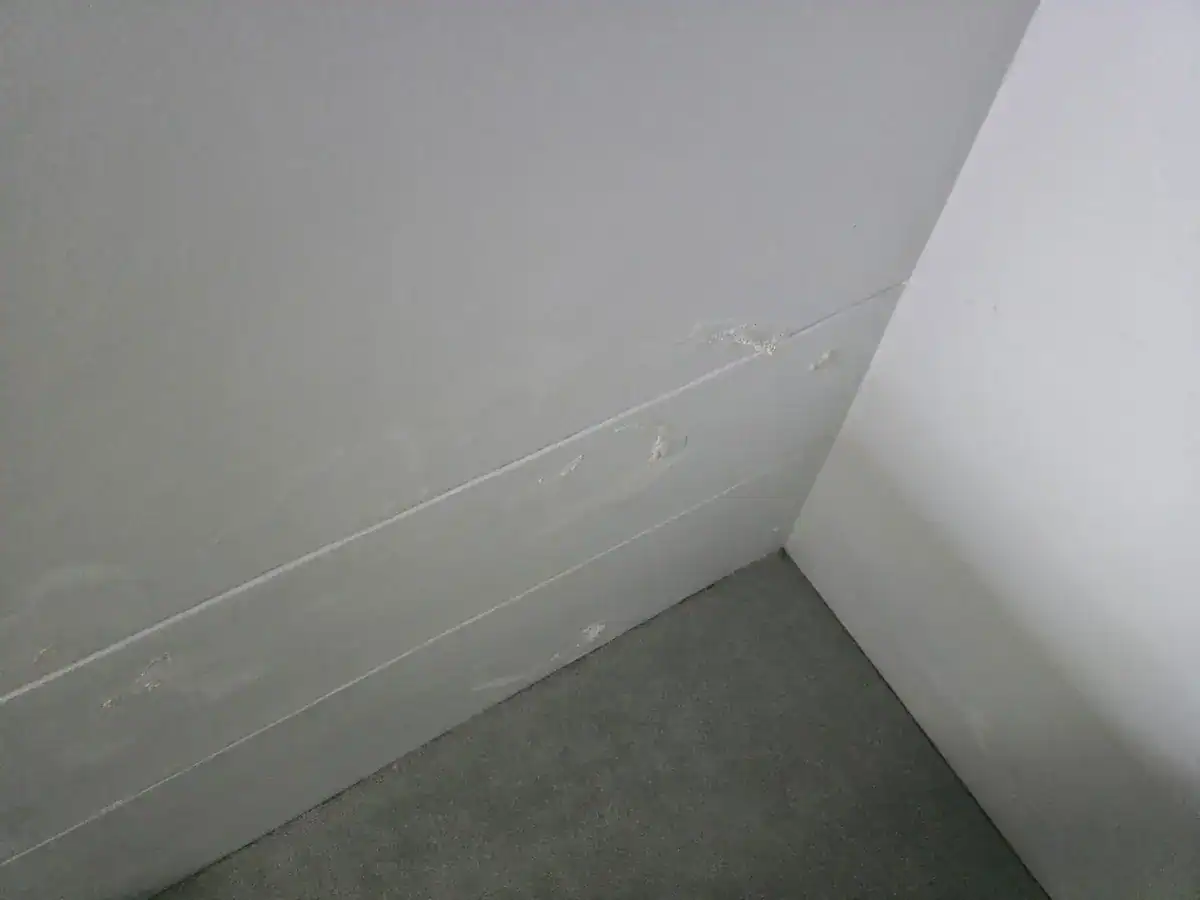
The interior inspection identified peeling and discoloured paint on a bedroom wall adjoining a shower that had previously leaked.
The shower had already been waterproofed and retiled by other contractors, but moisture-related deterioration remained visible on the adjoining bedroom-side wall. The original water-entry repair and the preparation of the affected wall were therefore separate parts of the maintenance process.
Why the Wall Still Needed Preparation
Stopping a plumbing or waterproofing leak does not mean that water previously absorbed by adjoining masonry disappears immediately.
The recorded maximum Protimeter reading of 15% helped inform the preparation decision. The original quotation specified removal and preparation of defective finishes, treatment of suitable cracks and the use of Dulux Dampshield where applicable.
The project also involved a historic bathroom ceiling stain, hairline and approximately 1 mm plaster cracks, and gaps between cornices and walls caused by movement during windy conditions.
These defects could not all be solved by applying the same filler or paint product.
Important lesson: A previously repaired leak does not eliminate the need to assess residual moisture, coating adhesion and surrounding substrate condition.
View the complete Protea Heights interior painting case study.
Case 2 – Moreson Estate: Severe Exterior Coating Deterioration Below a Pool Deck
Location: Moreson Estate, Brackenfell.
Project completed: 1–10 June 2026.
Protimeter readings: Min 19%, Max 37%.
At Moreson Estate, the extent of moisture-related coating deterioration was much greater and the surrounding construction considerably more complex.
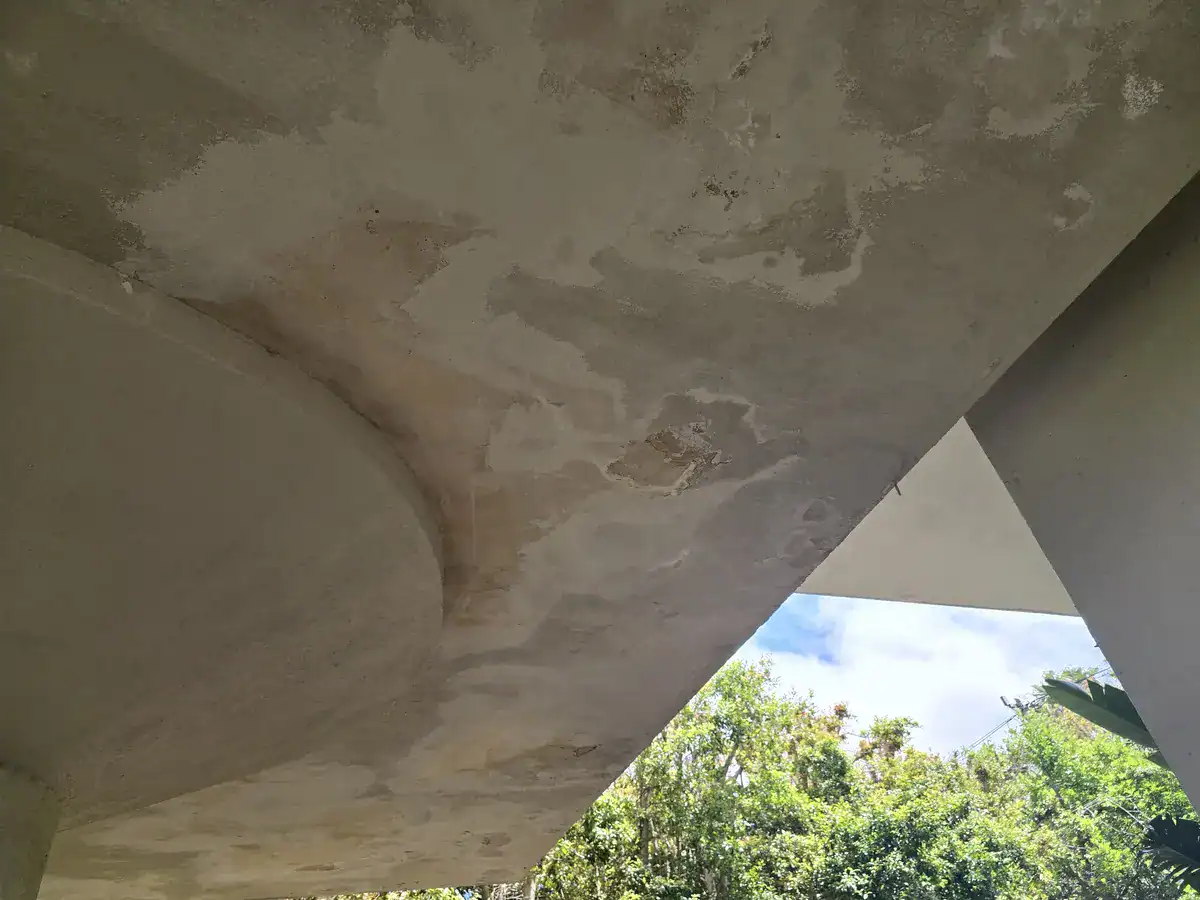
The inspection identified widespread exterior discolouration, peeling paint, cracks in masonry, failed window and door sealants, unsealed expansion joints, insufficiently protected horizontal surfaces and extensive staining below a swimming-pool deck.
The Failed 8 mm Walkway Joint
A particularly important finding was an approximately 8 mm joint between an upper tiled walkway and its raised side wall. The existing sealant had failed, and water entry was associated with deterioration beneath the adjoining deck.
The original remedial specification included replacement of suitable defective sealant, substrate repairs, five drainage holes drilled into the affected slab from below to assist the release of retained water, and specified waterproofing preparation.
These were project-specific measures based on the construction details. Drilling drainage holes is not a general recommendation for all pool decks or concrete slabs.
A Written Dulux-Based Preparation Specification
The Moreson Estate quotation recorded preparation in accordance with a Dulux warranty specification.
The documented scope included suitable high-pressure cleaning, fungal treatment, plaster repairs, appropriate flexible sealants, horizontal waterproofing, damp-related substrate preparation and separate coating systems for different exterior materials.
Relevant products included Dulux Rainshield, Dulux Dampshield, Dulux Wallguard and Dulux Weatherguard Fine Textured. The appropriate coating depended on the substrate and the nature of the exposure.
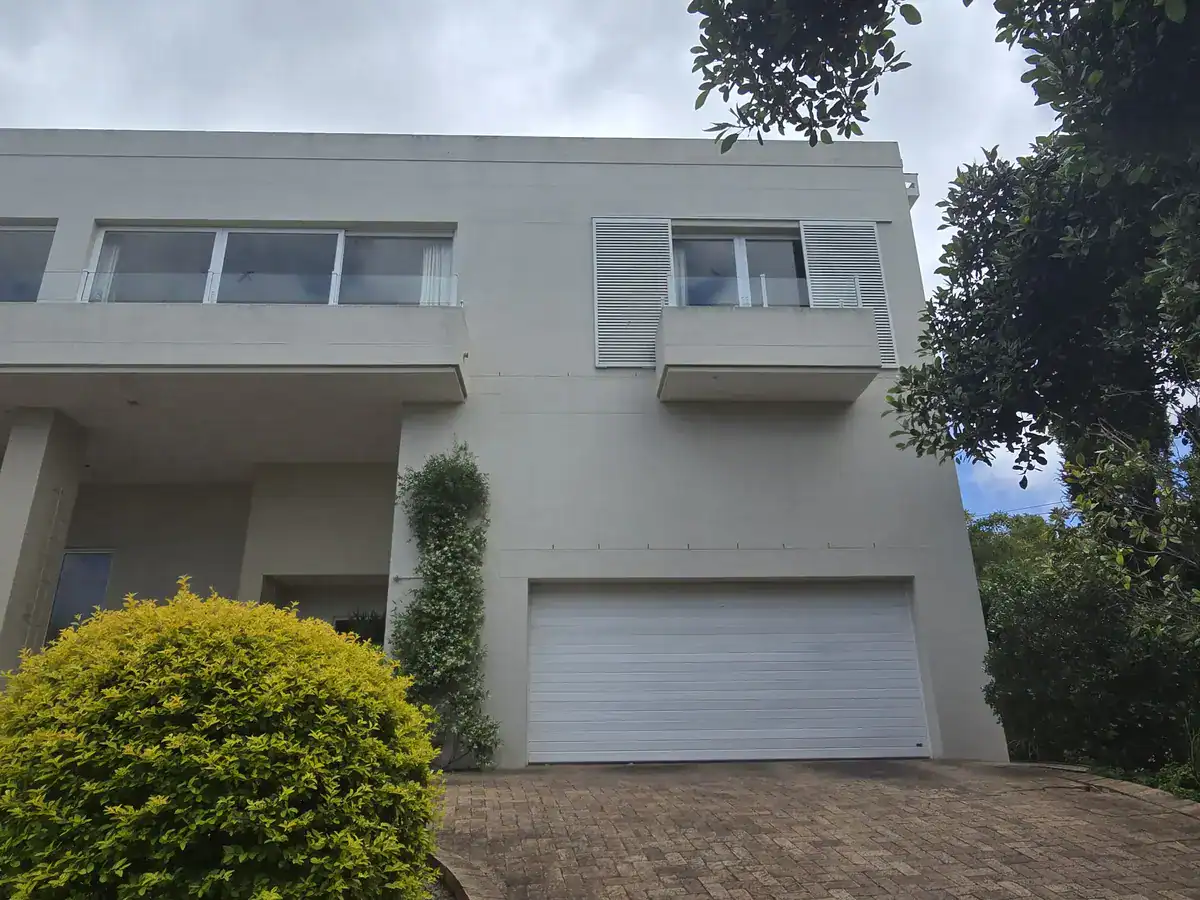
Important lesson: A moisture-damaged coating beneath a deck can require investigation of joints, retained water, drainage and adjoining waterproofing before the final paint system is considered.
Read the full Moreson Estate exterior moisture-remediation case study.
Case 3 – Sonkring: Cracks, Failing Sealants and Weathered Exterior Paint
Location: Sonkring, Brackenfell.
Project completed: 20 April – 2 May 2026.
Protimeter readings: Min 6.4%, Max 14.6%.
The Sonkring exterior inspection identified bubbling paint, cracks on vertical and horizontal masonry surfaces, failing window and door sealants, unsealed expansion joints, exposed horizontal surfaces requiring waterproofing and weathered wooden fascia boards.
The quotation specified preparation according to the relevant surface conditions rather than using one generic repair treatment everywhere.
Hairline cracks, wider plaster cracks and map cracking were distinguished in the specification. Different materials were also selected for exterior walls, boundary walls, wooden fascia boards, suitable horizontal waterproofing and selected damp-affected masonry.
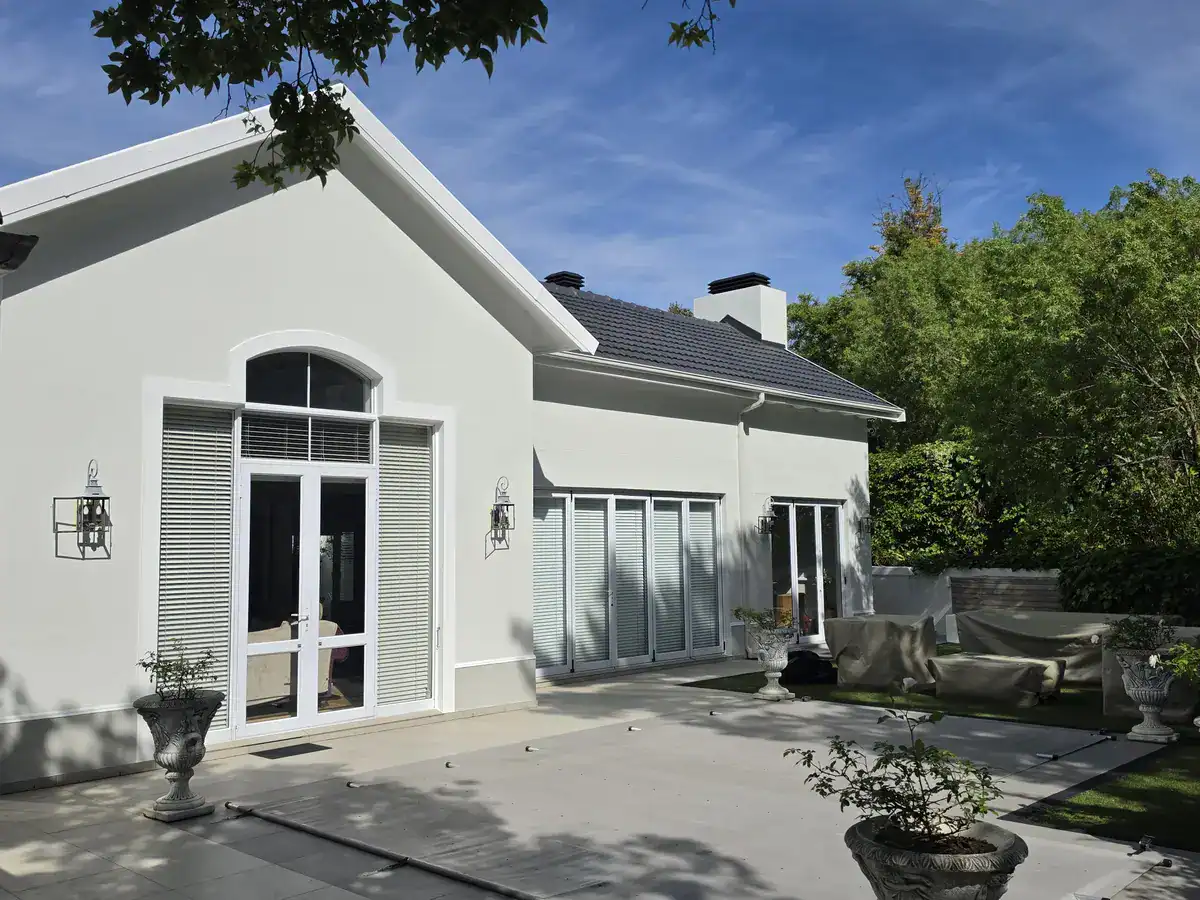
The photograph documents the completed exterior, not an individual crack or moisture defect before repair.
Important lesson: Deteriorated joints, cracked plaster, exposed horizontal masonry and weathered woodwork must be considered separately when specifying an exterior repaint.
For a complete description of our exterior painting service, visit Exterior Painters Brackenfell.
Why Water Entry Can Cause Repeated Paint Failure
Moisture can affect masonry through several different routes. The correct repair depends on which route is present and whether it remains active.
Failed Window and Door Sealants
Cracked, missing or detached sealant may allow rainwater to enter adjoining plaster. Repainting the wall without addressing a defective seal can lead to recurring damage.
Unprotected Parapet Tops and Windowsills
Horizontal masonry surfaces are exposed to standing or wind-driven rain. Where appropriate, they may require a specified waterproofing system rather than relying entirely on ordinary exterior decorative wall paint.
Cracked Plaster and Movement Joints
Small hairline cracks, wider plaster defects and joints designed to accommodate movement should not all be repaired with the same rigid filler.
The Sonkring and Moreson specifications included different preparation methods for different crack sizes and conditions.
Historic Plumbing or Shower Leaks
Interior paint may continue showing deterioration after a leak has been repaired because the adjoining masonry still needs drying time and suitable preparation. The Protea Heights project provides a documented example.
Ground Moisture and Moisture Entering from Behind
Some boundary and foundation walls lack an effective damp-proof barrier between the masonry and wet soil or backfill.
When moisture continues entering from behind or below, even a well-prepared decorative coating can experience renewed discolouration, bubbling or peeling.
Can Damp Proofing Paint Permanently Stop Rising Damp?
No decorative paint can replace a missing damp-proof course or permanently prevent moisture entering masonry from an uncontrolled source.
The Moreson Estate quotation specifically identified boundary and foundation-wall areas with continuing moisture exposure. It also recorded warranty limitations for moisture-related discolouration and coating failure caused by ongoing moisture migration.
Where appropriate, a breathable finish may be a practical maintenance option for some boundary walls, but this is different from permanently stopping the moisture source.
We explain these limitations in writing so homeowners understand the likely performance of the specified work.
How We Diagnose Peeling, Bubbling and Failed Paint
1. Identify Where the Damage Occurs
We examine whether the defect is on an interior wall, exterior façade, windowsill, soffit, boundary wall, ceiling or another substrate. The location helps narrow the possible causes.
2. Review Visible Defects and Building History
We look for failed sealants, cracks, previous water leaks, exposed surfaces, historic repairs, coating adhesion and possible changes in moisture exposure.
3. Record Relevant Protimeter Readings
Where useful, we record Min and Max Protimeter measurements in our quotations. The readings help inform the inspection but do not establish the precise source of moisture by themselves.
4. Distinguish Surface Failure from Underlying Building Defects
Loose paint may require removal and priming. A leaking joint, damaged waterproofing detail, unstable plaster or active moisture source requires additional investigation or repair.
5. Establish a Suitable Preparation Specification
The quotation identifies relevant cleaning, defective paint removal, masonry repairs, crack treatments, compatible primers, waterproofing where appropriate and finishing systems.
6. Explain Limitations Before Repainting
We distinguish defects that can reasonably be treated within a painting scope from ongoing leaks, structural movement, ground moisture or other conditions requiring separate building work.
What Happens If You Paint Over Bubbling or Peeling Paint?
New paint may temporarily conceal a defect without restoring the bond of an unstable underlying coating.
If the old paint remains loose, the new coating is only as secure as the failed material beneath it. If moisture continues entering the substrate, deterioration may return despite the appearance of a successful repaint.
That is why a preparation-first approach may involve more time and material than a simple colour change.
Paint Failure in Brackenfell Homes and Estates
We provide inspection-based painting quotations in Protea Heights, Sonkring, Vredekloof, Moreson Estate, Ruwari, Morgenster, Arauna, Kleinbron Estate and surrounding Brackenfell areas.
We do not assume that particular neighbourhoods have identical paint defects. The age of coatings, construction, exposure, previous repairs and maintenance history are more useful diagnostic considerations than a suburb name alone.
When Should You Request a Professional Paint-Failure Assessment?
A professional inspection is worth considering when paint keeps bubbling after previous repairs, plaster remains damp, exterior coatings peel around cracks or joints, unexplained staining reappears, or an apparently sound repaint deteriorates unusually quickly.
Our written quotations describe relevant observed conditions, proposed preparation, suitable coating systems and important limitations.
For a full interior repaint, visit Interior Painters Brackenfell. For exterior walls and related repairs, see Exterior Painters Brackenfell.
Request a Brackenfell Paint-Failure Inspection
If your home’s paint is peeling, bubbling, discoloured or failing repeatedly, we can inspect the relevant surfaces before preparing a quotation for suitable repairs and repainting.
Our team consists of full-time employed painters supervised by experienced working foremen, with 27 years of painting-contractor experience and original local project evidence.
Call 082 374 6862 to arrange an inspection in Brackenfell.
Helpful Brackenfell Paint Failure & Repair Guides
Explore genuine completed Brackenfell projects illustrating moisture-related coating failures, peeling paint, alkali attack, surface preparation and protective repairs.
Painters Brackenfell
Our main local painting contractor page, supported by original completed projects and written technical inspections.
Protea Heights – Interior Paint Failure
A completed interior project involving peeling paint and residual moisture beside a previously leaking shower repaired by others.
Moreson Estate – Exterior Coating Failure
Original inspection evidence of moisture-related discolouration, peeling exterior paint, defective joints and damaged plaster.
Boundary Wall Painting – Ruwari Guesthouse
Genuine photographs of peeling and deteriorated boundary-wall coatings, plus documented alkali attack and chalking.
Damp Proofing Brackenfell
Distinguishing residual moisture, rainwater penetration and ongoing ground moisture before choosing a suitable repair system.
Wall Preparation Brackenfell
Understanding the removal of failed coatings, repairs to damaged plaster and preparation of sound substrates before repainting.
Peeling and Bubbling Paint in Brackenfell – Frequently Asked Questions
Why is paint peeling on my Brackenfell home's walls?
Possible causes include poor adhesion, unstable previous coatings, moisture entering through cracks or defective seals, inadequate preparation and deterioration of the underlying substrate. The cause should be assessed before repainting.
What causes paint to bubble on an interior wall?
Moisture or poor adhesion may contribute to bubbling. At our Protea Heights project, paint deterioration was visible on a bedroom wall adjoining a previously leaking shower.
Can paint still peel after a shower leak has been repaired?
Yes. Masonry can retain moisture after a leak has been corrected. At Protea Heights, the shower was previously repaired by others, but the adjoining wall still required preparation.
What Protimeter readings were recorded at Protea Heights?
The original inspection recorded Min 6.5% and Max 15%.
What caused the paint damage below the Moreson Estate pool deck?
The inspection identified extensive moisture-related deterioration and an approximately 8 mm failed joint between an upper tiled walkway and adjoining side wall, among other water-entry concerns.
What Protimeter readings were recorded at Moreson Estate?
The original inspection recorded Min 19% and Max 37%.
What paint problems were found at Sonkring?
The inspection identified paint bubbles, cracks, failed sealants, insufficiently protected horizontal masonry and weathered wooden fascia boards. Protimeter readings were Min 6.4% and Max 14.6%.
Can I paint directly over peeling paint?
Painting over loose or defective coatings does not restore the underlying adhesion. The unstable material should be prepared or removed as appropriate before a new system is applied.
Why does exterior paint become powdery?
Weathering and coating deterioration can cause chalking. Powdery or weak surfaces may require cleaning and compatible preparation before repainting.
Can cracked windowsills cause paint failure?
Cracks on exposed horizontal masonry can allow rainwater to enter adjoining plaster. Suitable crack repairs and waterproofing may be required before painting.
Do failed window and door sealants contribute to peeling paint?
Yes. Deteriorated sealant can allow moisture to reach adjoining masonry and contribute to coating failure.
Can damp-proofing paint permanently stop rising damp?
No. Decorative coating systems cannot replace a missing damp-proof course or permanently stop uncontrolled moisture entering masonry from behind or below.
Do all damp-looking walls have rising damp?
No. Similar symptoms may be associated with plumbing leaks, rainwater entry, historic moisture, condensation or ground moisture. The source should not be assumed without inspection.
Are hairline cracks and expansion joints repaired in the same way?
No. Hairline cracks, wider plaster cracks and movement-related joints require different assessment and suitable materials.
Do you provide written paint-failure assessments?
Our painting quotations include relevant diagnostic observations, proposed preparation, materials and important limitations. Separate specialist investigations may be needed for defects outside the painting scope.
Do you employ your own painters?
Yes. We use full-time employed painting teams with experienced working-foreman supervision.
How do I arrange a paint-failure inspection in Brackenfell?
Call 082 374 6862 to discuss a physical inspection and written quotation.

Copyright 2026 , all rights reserved.