Original Steenberg Project
The January-February 2026 exterior project included boundary-wall preparation, painting and waterproofing of suitable exposed wall tops.
BOUNDARY WALL PAINTING TOKAI
Preparation and painting of suitable garden, perimeter and boundary walls affected by weathering, failed coatings, cracks, irrigation or continuing moisture exposure.
Our original Steenberg Golf Estate 2026 exterior project documents separate boundary-wall coating specifications and waterproofing of vulnerable exposed wall tops.
27 years' experience - Genuine local evidence - Employed painters - Written preparation and moisture limitations
Understand the moisture conditions and relevant repair options.
The January-February 2026 exterior project included boundary-wall preparation, painting and waterproofing of suitable exposed wall tops.
Specified boundary walls received two coats of Dulux Weatherguard, while prepared main-building walls received Dulux WallClad.
Cracked horizontal masonry was assessed for suitable repairs and the documented Dulux Rainshield waterproofing system.
Soil contact, irrigation and water entering from a reverse face can affect coating performance when those conditions exist.
Painting cannot create a missing damp-proof course or permanently stop continuing moisture through inaccessible masonry.
Our employed painters work under working-foreman supervision, with written diagnostic quotations and limitations appropriate to the wall.
Painters Cape Town provides preparation-first painting for suitable garden, perimeter and boundary walls at Tokai homes and private estate properties.
These walls can differ from the main building in construction, exposure and moisture behaviour. Some are freestanding, while others retain soil or have garden beds against them.
Exterior coatings can deteriorate because of unstable old paint, moisture, cracked plaster, rain entering through wall tops or other conditions. The actual wall needs inspection before a suitable preparation and coating system is selected.
Our written diagnostic quotation explains what preparation is included, which products are proposed and what limitations may remain when a wall continues receiving moisture from the ground or another inaccessible source.
Peeling paint on a boundary wall does not identify a single defect. Potential contributors include poor previous adhesion, cracked plaster, weathering, salts, soil moisture, irrigation and failed wall-top waterproofing.
Where water enters through a cracked coping, the visible damage may appear below the upper surface. Where moisture comes from soil or a backfilled reverse face, surface painting may have more fundamental limitations.
The correct repair therefore depends on understanding where the moisture is coming from, whether the old coating remains stable and whether the relevant water-entry detail can be addressed.
Our documented Steenberg Golf Estate exterior painting project from 26 January to 6 February 2026 included preparation and painting of specified boundary walls.
The original inspection identified vulnerable horizontal surfaces, cracked wall tops, failed sealing and deteriorated exterior coatings across relevant areas.
Protimeter WME readings ranged from 19.6% to 27.8% across the inspected project test locations. These readings describe the wider exterior assessment and should not be misrepresented as readings taken exclusively on the boundary walls.
The written specification included suitable crack preparation, waterproofing of applicable exposed boundary-wall tops using Dulux Rainshield and separate final paint systems for different wall surfaces.
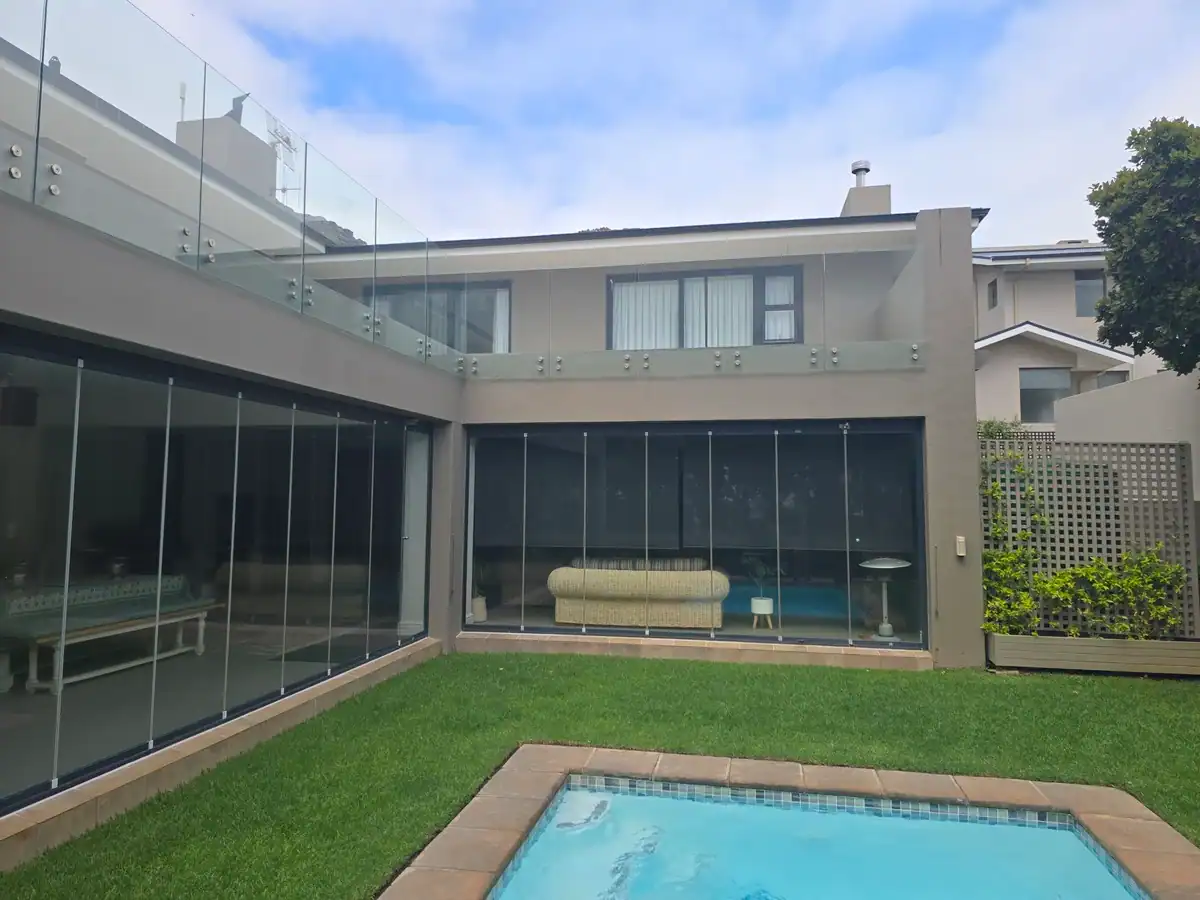
The prepared main-building walls received two coats of Dulux WallClad. Specified boundary walls received two coats of Dulux Weatherguard.
The different systems reflected the actual project specification, not an assumption that every garden wall should receive the same product.
Read the original Steenberg Golf Estate exterior project on the Tokai flagship.
Some boundary walls lack effective damp-proof separation from ground moisture.
Where water continues moving upward or across the masonry, the visible painted surface may remain vulnerable even after suitable cleaning, repairs and recoating.
Decorative paint cannot install a missing damp-proof course within the structure.
This is a general construction limitation that must be checked for the individual property; the Steenberg project record does not establish that every wall there lacked a damp-proof course.
Tokai properties with established gardens may have boundary walls next to soil, planting beds or irrigation systems.
Water may remain in the ground or enter through the opposite side of the masonry, especially where a wall retains soil.
Applying an impermeable decorative coating to the visible face does not automatically stop water entering from behind. In some situations, it can contribute to recurring coating problems if moisture remains trapped in the wall.
Accessible painting and surface preparation should be distinguished from drainage, excavation or structural waterproofing work.
For the assessment of already damaged coatings, see Damp Proofing Tokai.
Horizontal wall tops receive direct rain. Where cracks develop or previous protective coatings deteriorate, water can enter the masonry below.
The Steenberg Golf Estate project included applicable boundary-wall-top waterproofing as a separate preparation step before finishing.
The documented system used Dulux Rainshield on suitable prepared horizontal masonry. The selected product and method for another property must follow the actual surface and current supplier specification.
For exposed masonry and appropriate flexible sealing repairs, visit Waterproofing Tokai.
The main building and a freestanding garden wall can experience very different moisture conditions.
A main exterior wall may have suitable damp protection and remain comparatively dry, while a nearby boundary wall receives moisture from irrigation, soil and direct rain.
Product selection may need to consider water-vapour permeability, coating adhesion, existing material, salts and manufacturer limitations.
A suitable breathable coating may be a practical maintenance option in some circumstances, but breathability alone cannot permanently resolve a continuing moisture source.
Our Steenberg Golf Estate specification used different products on the main building and the specified boundary walls, demonstrating this principle through actual work.
Hairline cracks, wider plaster defects and movement joints require separate preparation decisions.
If a crack continues moving, filling it with rigid material can cause the repair to reopen. If moisture continues entering the underlying masonry, the new paint may also deteriorate.
Read Wall Preparation and Crack Repairs Tokai for suitable non-structural repair methods.
Mature planting can shade some garden walls and slow drying after rain or watering.
Irrigation spray may repeatedly wet the same lower-wall area, while nearby planting or soil can hold moisture close to the plaster.
Where practical, redirecting irrigation and allowing suitable airflow can reduce repeated wetting. However, not every shaded or garden-facing wall has a structural damp problem.
The conditions should be inspected before specifying a coating.
We assess plaster condition, previous paint, cracking, wall tops, relevant soil contact, garden watering and possible moisture-entry details.
Where water may continue entering from the ground or inaccessible opposite face, the written quotation identifies what coating can and cannot reasonably achieve.
Loose paint, contamination, biological growth and unstable plaster receive suitable preparation where required.
Non-structural plaster defects and relevant exposed horizontal masonry are treated with compatible systems.
Compatible primers and finishing products are selected for the substrate and moisture conditions, then applied under suitable manufacturer requirements.
Completed work is checked against the agreed scope, with realistic future maintenance expectations where moisture exposure remains.
A suitable maintenance repaint may improve the appearance and protection of an accessible wall, but continuing ground moisture, structural movement or uncontrolled drainage can still affect future performance.
Coating life, supplier warranties and contractor guarantees are not interchangeable. Boundary-wall work may have more restrictive terms and exclusions than the main building.
We do not promise permanent damp elimination where the actual construction cannot support it.
For wider coating failures, see Peeling and Bubbling Paint Tokai.
Private homes in access-controlled estates may have garden or perimeter walls that need painting within an owner’s agreed scope.
Our historical register confirms painting work at Steenberg Golf Estate, Nieuwe Steenberg Estate, Silvertree Estate and Stonehurst Mountain Estate, but does not identify boundary-wall work for every historical assignment.
We therefore do not claim all those projects involved boundary-wall painting.
For estate-specific planning and documented historical assignments, see Painting Homes in Tokai Estates.
The cost depends on wall length, height, access, previous coating, plaster damage, contamination, cracks, exposed wall tops, required waterproofing, coating products and preparation labour.
A sound wall needing a maintenance repaint is not comparable with one requiring extensive coating removal, cracked plaster repairs and treatment of water-sensitive details.
Where the underlying moisture source cannot be corrected, the quotation must explain that limitation.
Read the Detailed Painting Quotations and Specifications Guide.
For moisture-affected masonry, visit Damp Proofing Tokai. For exposed wall tops and accessible water-entry repairs, visit Waterproofing Tokai.
For a broader house repaint, see Exterior Painters Tokai.
Return to Painters Tokai for the full local painting service and original 2026 projects.
Painters Cape Town provides direct inspections and written preparation-first quotations for suitable boundary walls, with important limitations explained before work begins.
Call 082 374 6862 or request a Tokai boundary wall quotation.
Local project evidence and practical decisions about moisture, cracked plaster and suitable coatings.
Original evidence of separate main and boundary wall coating systems and exposed wall-top waterproofing.
Why soil moisture, damaged plaster and continuing water exposure affect the coating system and its limitations.
Preparation of suitable exposed wall tops, cracked copings and relevant accessible sealing defects.
Understand why moisture, weak adhesion, cracking and unsuitable previous coatings may cause recurrent failure.
Detailed guidance on ground contact, reverse-side moisture, wall-top protection and realistic coating expectations.
Individual property painting, actual estate experience, access planning and protection of gardens and finishes.
Potential causes include soil moisture, irrigation, cracked wall tops, weak previous coating, salts and inadequate preparation. The actual wall requires assessment.
No. Surface paint cannot install a structural barrier inside masonry or permanently eliminate continuing moisture from inaccessible ground contact.
Yes. Our original Steenberg Golf Estate exterior project in 2026 included separate boundary-wall preparation and painting and waterproofing of suitable exposed wall tops.
Cracked or vulnerable horizontal masonry should be assessed for suitable repairs and waterproofing where appropriate. The original Steenberg specification included Dulux Rainshield on applicable prepared wall tops.
No. Eligibility depends on construction, moisture exposure, the complete coating system and the manufacturer's written terms and exclusions.

Copyright 2026 , all rights reserved.