Real Steenberg Project
Our January-February 2026 exterior work followed a reportedly two-year-old repaint that had already developed discolouration and coating failure.
PEELING & BUBBLING PAINT TOKAI
Why is your paint peeling, blistering or failing after a relatively recent repaint? Find out what should be investigated before applying another coating.
Our original Steenberg Golf Estate exterior project documents paint failure after a reportedly two-year-old repaint, with recorded moisture readings, failed seals, cracking and actual remedial preparation.
27 years' painting-contractor experience - Original Tokai evidence - Full-time employed painters - Written diagnostic quotations
See genuine project evidence or choose the relevant repair.
Our January-February 2026 exterior work followed a reportedly two-year-old repaint that had already developed discolouration and coating failure.
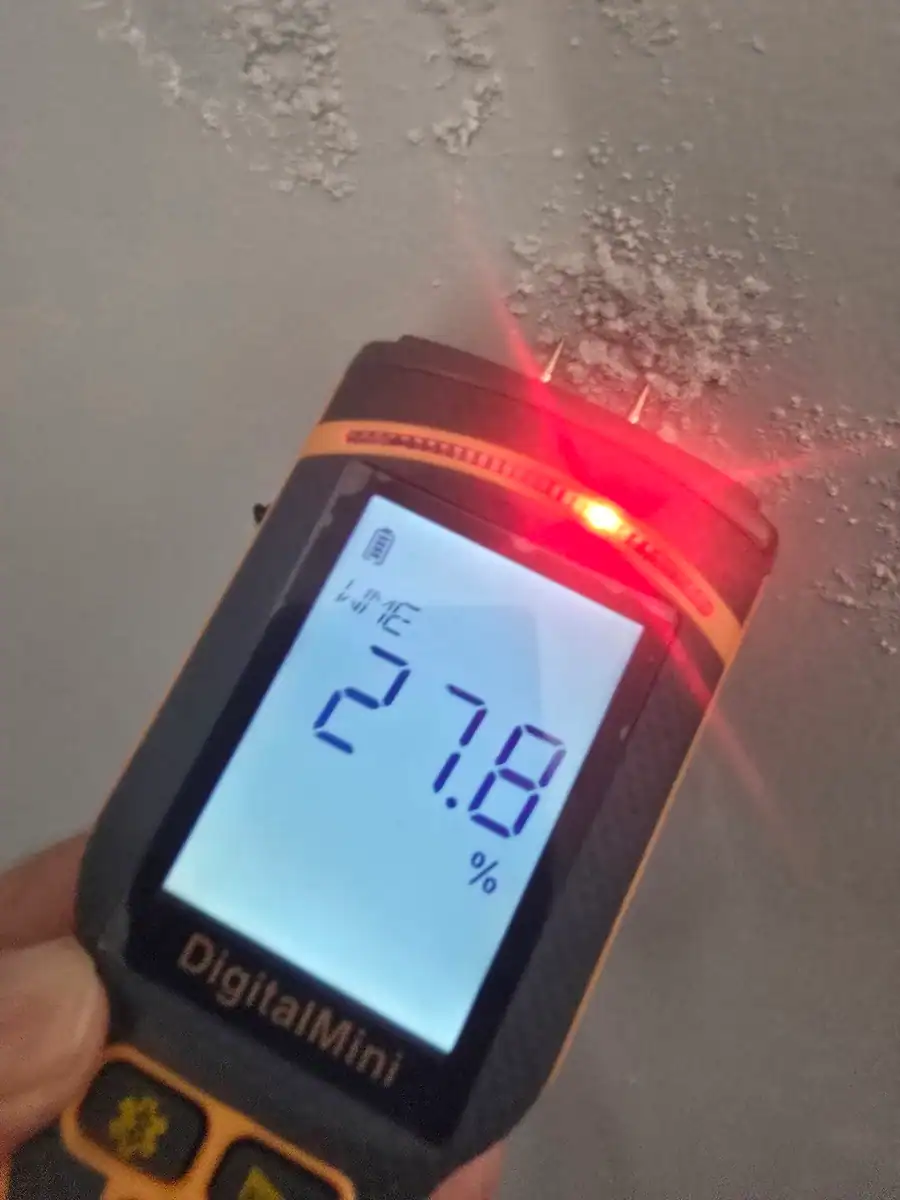
Protimeter WME readings of 19.6%-27.8% were considered with bubbling paint, failed joints and other visible defects.
Failed coating was removed where necessary, hard edges prepared, cracks treated and relevant water-entry details addressed before finishing.
The documented system used Dulux WallClad on main walls and Dulux Weatherguard on specified boundary walls.
Peeling paint does not automatically prove rising damp, poor workmanship or one particular failure mechanism.
Our own full-time employed painters work under working-foreman supervision, with written diagnostic quotations and direct accountability.
Painters Cape Town assesses peeling, blistering, chalking and other defective paint coatings on suitable residential properties in Tokai before specifying preparation and repainting.
Visible paint failure is a symptom. It does not identify one cause without examining the underlying coating, plaster, timber, water-entry details and previous preparation.
Possible contributors include poor adhesion, an unstable previous paint layer, moisture penetration, incompatible coating systems, biological contamination, cracked plaster or movement at building joints.
Our inspection considers the actual building rather than recommending another coat of paint automatically. The findings and proposed repairs are recorded in a written diagnostic quotation.
A newly painted surface can look satisfactory immediately after completion while defects remain in the substrate or surrounding building details.
If moisture continues entering through cracked windowsills, failed window seals or open movement joints, the coating may deteriorate even when the topcoat itself was suitable for the surface.
Similarly, weak old paint left beneath a newer coating can detach, taking the later finish with it.
A recent repaint does not establish precisely why a failure occurred. Determining whether moisture, adhesion, preparation, product compatibility or another defect contributed requires inspection.
Our original exterior project at Steenberg Golf Estate, Tokai, was completed between 26 January and 6 February 2026.
According to the information recorded at the time, another painting contractor had repainted the house approximately two years earlier. By the time of our inspection, some exterior walls already displayed discolouration, small paint bubbles and localised adhesion failure.
The physical assessment also found deteriorated window and door sealants, open expansion joints, cracks on exposed horizontal masonry and small areas of failed fascia-board coating.
Protimeter WME readings across relevant tested areas ranged from 19.6% to 27.8%.
Those readings helped identify areas needing attention but did not establish one specific moisture source or prove that the previous contractor had failed to perform any particular repair.
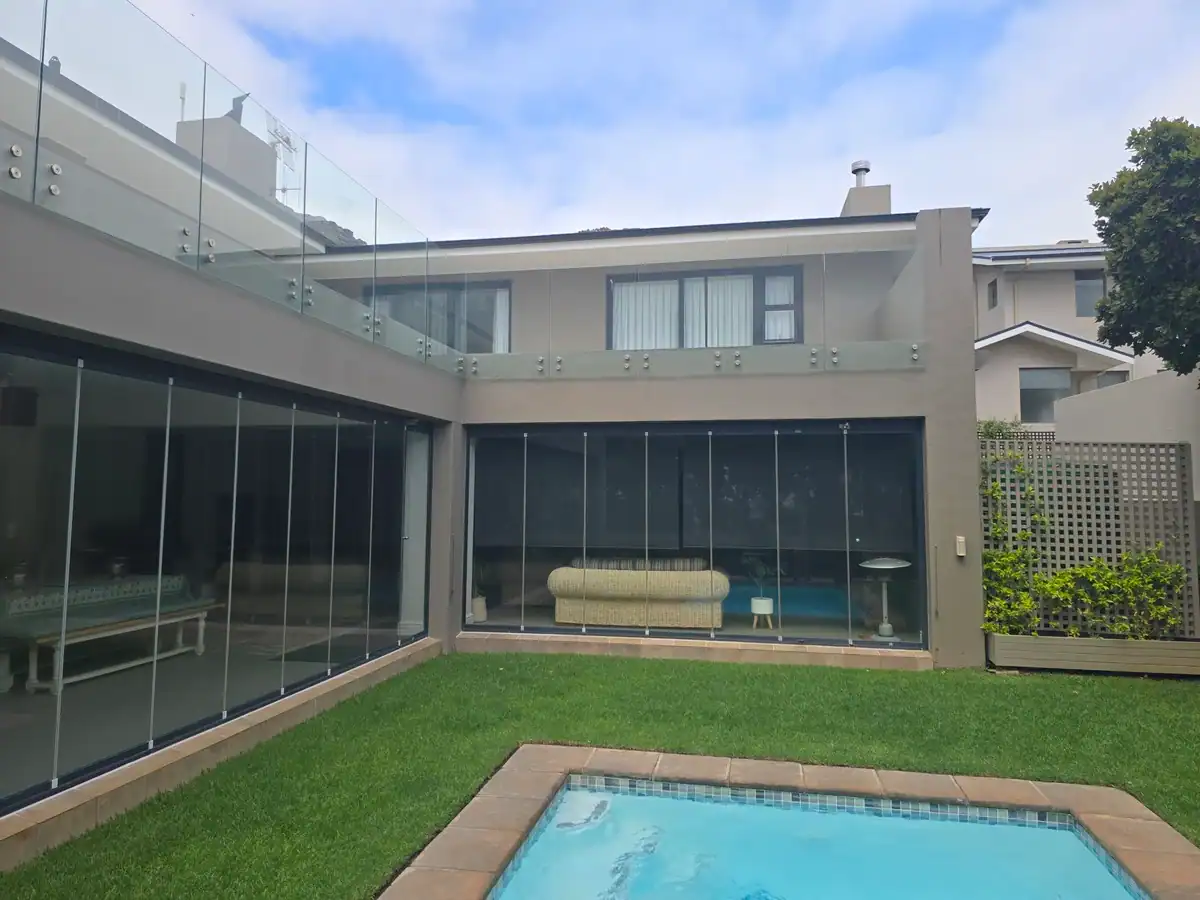
Our specified work included high-pressure cleaning, removal of remaining weak coating, preparation of hard paint edges, crack repairs, relevant flexible joint resealing, waterproofing of suitable horizontal masonry and preparation of affected fascia boards.
The prepared main walls received two coats of Dulux WallClad, while the specified boundary walls received two coats of Dulux Weatherguard. The different products were selected for the relevant prepared surfaces.
Read the original Steenberg Golf Estate exterior project on our Tokai flagship.
A paint bubble forms when part of a coating film separates from the material beneath it. The source can involve moisture, weak adhesion or other conditions affecting the film.
On an exterior plaster wall, possible rainwater-entry details include cracked windowsills, failed flexible sealants and exposed wall tops.
However, not every bubble indicates rising damp. A proper diagnosis includes examining the surrounding coating and building construction.
For moisture-affected masonry and appropriate preparation, visit Damp Proofing Tokai.
Peeling or flaking may arise where paint is no longer firmly bonded to its primer, plaster, timber or previous paint layer.
Applying new coating directly over poorly adhered paint does not strengthen the material beneath it. The weak previous layer may fail again, even after the new surface has dried.
At Steenberg Golf Estate, suitable cleaning and manual removal of remaining defective coating formed part of the preparation, including feathering of hard edges where necessary.
Correct priming and finishing depend on the stable underlying substrate.
Some old coatings weather into powder. Certain masonry surfaces may also develop salts or alkaline conditions that affect susceptible coatings.
These processes are not identical and should not automatically receive the same treatment.
Cleaning, testing surface stability and using compatible preparation products may be necessary before new paint can adhere reliably.
Horizontal masonry is exposed to direct rainfall. Small cracks can permit water into adjoining plaster, with the visible damage appearing farther down the wall.
The original Steenberg specification included appropriate Dulux Rainshield treatment on prepared windowsills and boundary-wall tops, together with suitable replacement of failed sealants and flexible movement-joint repairs.
For the appropriate accessible water-entry work, see Waterproofing Tokai.
A crack can reopen if the underlying plaster continues moving, a previous filler was unsuitable, or moisture continues affecting the repair.
Hairline cracks, wider plaster defects, map cracking and designed expansion joints require different preparation decisions.
The Steenberg project documented several of these conditions and included flexible sealing at appropriate moving joints.
Visit Wall Preparation and Crack Repairs Tokai for the relevant repair methods and limitations.
Tree shade and established gardens can slow drying after rainfall or irrigation. Some surfaces may remain damp longer than exposed walls on the same property.
Biological growth can interfere with coating adhesion when it is not removed and treated appropriately before painting.
A property with mature vegetation also needs attention to leaf debris in gutters, which may contribute to repeated overflow and wetting of upper walls.
These are possible environmental considerations, not a claim that every Tokai house experiences the same damage.
Boundary walls may receive moisture from soil, garden irrigation, cracked wall tops or an inaccessible reverse face.
The correct coating system may differ from that used on the main building. At Steenberg Golf Estate, the written specification differentiated Dulux WallClad on the prepared main-building walls from Dulux Weatherguard on the specified boundary walls.
Decorative painting cannot create a missing damp-proof course or permanently stop moisture entering from concealed ground contact.
For this distinct situation, see Boundary Wall Painting Tokai.
Not all paint failures occur outdoors. Our April 2026 Nieuwe Steenberg Estate interior project provides a different documented example.
A building contractor had repaired the waterproofing of an adjoining shower before our team began painting. The bedroom wall nevertheless retained residual moisture and damaged previous paint, with relevant Protimeter readings ranging from 9.7% to 21.0%.
Our work included preparing the damaged interior surface after the original leak had been addressed by the separate contractor.
This illustrates why correcting a water source and repairing coating damage are separate jobs. See Interior Painters Tokai.
We assess the peeling, bubbling, chalking or discolouration, together with nearby plaster, coating and building details.
Adhesion, old paint, cracking, moisture, surface contamination, sealing and environmental conditions are considered where relevant.
The written quotation explains visible defects, suitable preparation, products and limitations.
Loose paint, contamination and unstable previous repairs are prepared as necessary before priming.
Suitable plaster cracks, accessible seals, water-sensitive horizontal masonry and affected substrates receive appropriate work within the agreed scope.
Compatible coatings are applied under appropriate conditions by our employed painters with working-foreman supervision.
Cost depends on the affected area, how much previous paint has lost adhesion, height and access, required plaster repairs, waterproofing, timber preparation, primers and the labour needed.
A small visible bubble may be localised, or it may reveal a larger area of unstable paint. The scope should follow an actual assessment rather than a fixed price based only on the photographed defect.
Read the Southern Suburbs Detailed Painting Quotations Guide.
Once the cause of coating failure has been considered and the substrate is suitable, see Exterior Painters Tokai or Interior Painters Tokai.
For moisture-related preparation, visit Damp Proofing Tokai. For accessible water-entry details, see Waterproofing Tokai.
Return to Painters Tokai for our documented local painting history and original projects.
Contact Painters Cape Town for a direct property inspection and written diagnostic quotation for suitable coating-failure repairs and repainting.
Original Tokai evidence and the services relevant to investigating failed coatings.
Real early paint failure, 19.6%-27.8% WME readings, cracked masonry, failed seals and remedial exterior preparation.
Understand damaged plaster, moisture readings, preparation after water-entry repairs and coating limitations.
Preparation and repair of suitable cracked windowsills, wall tops, parapets and failed flexible seals.
Why different plaster cracks, movement joints and weak previous repairs need different preparation.
Understand soil contact, irrigation, reverse-side moisture and practical coating limitations.
Preparation-first repainting of suitable plaster, weathered masonry, timber fascias and other exterior surfaces.
Moisture, weak previous paint, cracked horizontal surfaces, failed joints or other substrate problems can affect a relatively new coating. The cause must be assessed rather than assumed.
Yes. Our January-February 2026 Steenberg Golf Estate exterior project documented coating defects after a reportedly two-year-old repaint, with original photographs and recorded preparation.
No. Bubbling may involve moisture or coating adhesion, and a moisture-meter reading does not independently establish a particular moisture source.
Loose or poorly adhered paint requires suitable preparation before recoating. Otherwise, the new coating may fail with the unstable layer beneath it.
Yes. Recurrence is possible where continuing water entry, building movement, weak underlying coating or other defects remain unresolved.

Copyright 2026 , all rights reserved.