Steenberg Golf Estate 2026
A genuine exterior project documents cracked windowsills, vulnerable boundary-wall tops, failed seals and open expansion joints.
WATERPROOFING TOKAI
Preparation-first waterproofing of suitable exposed masonry, wall tops, windowsills, parapets and accessible flexible joints before repainting Tokai properties.
Our original January-February 2026 Steenberg Golf Estate exterior project documents failed sealants, open expansion joints, cracked horizontal masonry and the specified waterproofing repairs.
27 years' contractor experience - Genuine local project evidence - Written diagnostic reports - Full-time employed painters
Find the relevant repair or see original project evidence.
A genuine exterior project documents cracked windowsills, vulnerable boundary-wall tops, failed seals and open expansion joints.
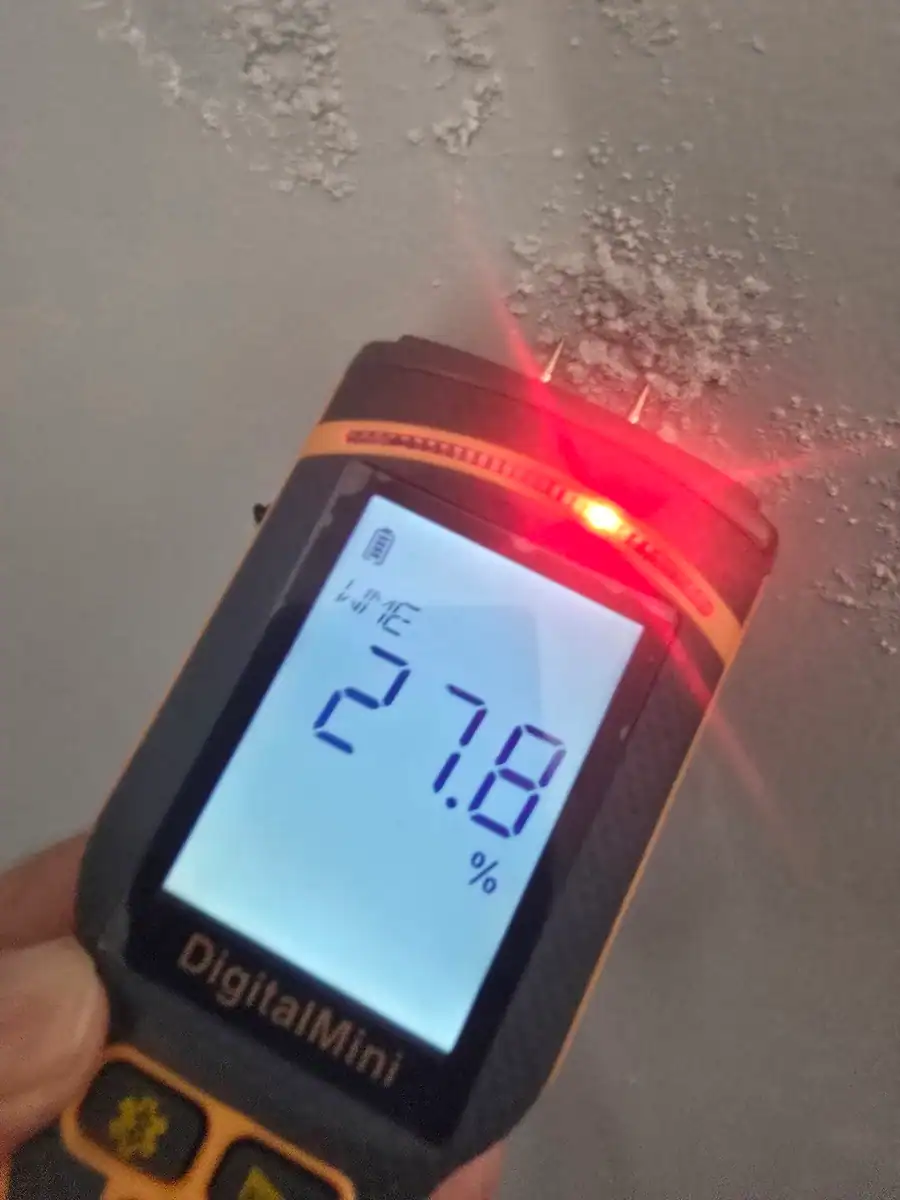
Recorded Protimeter WME readings of 19.6%-27.8% were assessed alongside actual defects, rather than used as a standalone damp diagnosis.
The Steenberg specification included Dulux Rainshield for applicable prepared horizontal masonry and Soudal polyurethane sealing at suitable moving joints.
Loose coating, damaged plaster, cracked surfaces and failed joint materials require appropriate preparation before the repair system is applied.
Surface waterproofing does not replace repairs to structural movement, active plumbing leaks, defective roofs or inaccessible ground moisture.
27 years' experience, full-time employed painters, working-foreman supervision and written diagnostic quotations with relevant exclusions.
Painters Cape Town provides suitable painting-related waterproofing and preparation of exposed masonry and accessible building joints in Tokai.
Work can include appropriate windowsill, parapet and wall-top waterproofing, treatment of cracks in exposed masonry and replacement of failed flexible sealing around applicable windows, doors and expansion joints.
Waterproofing and decorative painting are not interchangeable. When water enters through a cracked sill, failed joint or damaged wall top, that defect should be considered before applying new paint to the wall below.
Our written diagnostic quotations identify the relevant surfaces, preparation, suitable repair system and limitations of the proposed work. Active plumbing, roofing and structural defects may require separate specialist repairs.
Established gardens, tree shade and repeated rainfall may influence the drying of certain Tokai walls. Irrigation or blocked gutters can also wet some surfaces repeatedly.
However, environmental exposure does not automatically mean a wall has penetrating damp. Water requires a route into or behind the coating, and the actual building detail must be examined.
Common accessible concerns include cracked windowsills, deteriorating parapet coatings, opened movement joints, defective perimeter sealants and damaged plaster.
In some cases, the visible bubbling or staining occurs below the actual point where water enters.
Our documented Steenberg Golf Estate exterior project took place between 26 January and 6 February 2026 at a private double-storey home.
The house had reportedly been repainted about two years earlier, but discolouration and small paint bubbles were already visible. The original inspection also recorded failed window and door sealants, open expansion joints, cracks in windowsills and vulnerable boundary-wall tops.
Protimeter readings ranged from 19.6% to 27.8% WME at relevant test locations.
The readings were interpreted alongside the physical defects. A moisture-meter display alone does not establish the precise source of water or prove rising damp.
The written work included suitable coating removal, crack preparation, flexible resealing, waterproofing of applicable horizontal masonry and separate preparation for damp-affected painted surfaces.
The original specification used Dulux Rainshield on applicable prepared windowsills and boundary-wall tops and Soudal single-component polyurethane sealant for suitable movement joints.
The project is documented within the Steenberg Golf Estate exterior project on our Tokai flagship.
Windowsills receive direct rainfall and can develop cracks at their edges, within the masonry or close to the window frame.
Where these defects allow water into adjoining plaster, damaged paint may appear on a lower vertical section of the wall.
Appropriate treatment may involve removing unsound coating, repairing the exposed masonry, considering the window perimeter seal and waterproofing the prepared horizontal surface with a compatible system.
The specific product must suit the substrate and written specification. The Steenberg Golf Estate treatment is an actual project example, not a universal prescription for every Tokai property.
Exposed parapets and wall tops may contain cracks or failed previous waterproofing that allow rainwater into the masonry.
At Steenberg Golf Estate, vulnerable boundary-wall tops were included in the documented horizontal waterproofing scope.
Before applying the selected product, existing coating, damaged plaster, cracks and surface stability must be assessed.
Waterproofing the upper surface can address an appropriate accessible entry route, but cannot create a missing damp-proof course or correct continuing moisture from soil behind the wall.
The Southern Suburbs Boundary Wall Painting Guide explains these limitations.
Flexible sealants can split, harden, shrink or detach from their adjoining surfaces. A narrow failed joint may permit rainwater behind the visible coating or plaster.
The Steenberg project recorded failed seals around relevant windows and doors, which required preparation and replacement within the written scope.
Suitable joints must be cleaned and prepared to allow an appropriate flexible product to adhere. Joint movement, width, depth and product compatibility affect the chosen method.
Painting over cracked or detached sealing without repairing it may leave the original water-entry route unresolved.
Movement and expansion joints are designed to allow adjoining building materials to move relative to one another.
Filling such a joint with ordinary rigid plaster compound may cause it to reopen.
The original Steenberg specification included Soudal single-component polyurethane sealant on applicable movement joints, rather than treating these as ordinary static cracks.
For non-structural crack and plaster preparation, visit Wall Preparation and Crack Repairs Tokai.
Waterproofing addresses a suitable route through which water enters, such as a cracked horizontal surface or defective accessible seal.
Damp-related painting preparation addresses paint and plaster already damaged by moisture, potentially after the water source has been repaired.
Sometimes a painting project requires both services, but the methods and intended purposes differ.
For an example of the second situation, our original Nieuwe Steenberg Estate interior project records a bedroom wall that remained damp after a building contractor had already repaired the adjoining shower waterproofing.
That shower repair was performed by the building contractor, not by our painting team. Our role was to prepare and repaint the damaged interior.
For the separate painting service, see Damp Proofing Tokai.
Some repaired surfaces fail again because the underlying moisture source remains active, the substrate is unstable, movement continues or the previous repair product was unsuitable.
A new coating may cover the visible damage temporarily without solving these conditions.
Appropriate waterproofing therefore depends on recognising which defects are accessible and what limitations remain beyond the agreed scope.
A blocked gutter may overflow and repeatedly wet an upper wall. A defective flashing, roof penetration or broken tile may allow rainwater into the building.
These problems require appropriate drainage or roofing repairs rather than assuming that coating a windowsill or painting the exterior wall will solve them.
For roof-coating suitability and its limitations, see Roof Painting Tokai.
We inspect the relevant windowsills, wall tops, parapets, seals, cracks and surrounding coatings within the requested painting-related repair scope.
Physical observations and suitable instrument readings are considered together. Where the source is concealed or structural, separate investigation may be needed.
Loose coating, weak plaster and failed sealing are prepared back to a suitable surface where required.
Compatible masonry repair methods and flexible sealing are selected according to the actual defect and movement conditions.
Prepared suitable areas receive the specified products under appropriate application, drying and curing conditions.
Applicable adjacent surfaces receive compatible primers and coatings, with completed work assessed against the agreed written scope.
Suitable painting-related waterproofing can be relevant to private homes inside access-controlled estates where exposed masonry, windowsills or perimeter seals require repairs.
Our Steenberg Golf Estate project is genuine evidence of this type of work at an individual estate home.
Contractor access, working hours, parking, protective measures and approved exterior appearance may need confirmation for each property.
Historical estate work does not imply an endorsement, exclusive appointment or estate-wide maintenance contract.
Prices depend on the actual damaged surfaces, extent of coating removal, cracks, length of deteriorated joints, waterproofing area, access, preparation labour and selected products.
Resealing a limited opening is different from preparing several parapets, repairing adjacent plaster and waterproofing extensive horizontal masonry.
Our quotations explain the included work, materials, limitations and exclusions rather than using a generic fixed price.
Read the Detailed Painting Quotations and Specifications Guide.
For moisture-damaged walls, visit Damp Proofing Tokai. For plaster cracks or expansion-joint preparation, see Wall Preparation and Crack Repairs Tokai.
For the final repaint of suitable exterior masonry, visit Exterior Painters Tokai.
Return to Painters Tokai for the broader local painting service and our original completed Tokai projects.
Contact Painters Cape Town for a direct inspection and written diagnostic quotation for suitable painting-related waterproofing and sealing repairs.
Call 082 374 6862 or request a Tokai quotation.
Original project evidence and practical information about moisture, cracked masonry and suitable repairs.
Original 2026 evidence of failed seals, expansion joints, windowsill and boundary-wall-top waterproofing.
Understand why damaged paint and plaster may still need preparation after an identified water source has been repaired.
Distinguish plaster cracks from flexible movement joints and understand why repaired cracks sometimes reopen.
Preparation-first painting of repaired plaster, weathered façades, timber and suitable masonry.
Understand continuing moisture from gardens, soil, reverse faces and missing damp-proof barriers.
Compare crack repair, sealing, waterproofing, preparation, products, exclusions and access requirements.
Yes. Our Steenberg Golf Estate exterior project in January-February 2026 included suitable waterproofing of prepared windowsills and boundary-wall tops, together with relevant flexible sealing and repairs.
Yes. Rainwater can enter through cracks or defective seals and cause damage to plaster or coating away from the original entry point.
The original Steenberg Golf Estate specification used Dulux Rainshield on suitable prepared horizontal masonry. Future product selection depends on the actual substrate and written specification.
Not where the joint is designed to accommodate movement. Suitable flexible sealing is normally required instead of a rigid repair.
No. Surface waterproofing cannot replace structural repairs, concealed leak repairs or a missing damp-proof barrier, and unresolved water-entry sources must be identified separately.

Copyright 2026 , all rights reserved.