Waterproofing Stellenbosch • Damp • Cracks • Parapets • Windowsills
Waterproofing Stellenbosch for Walls, Parapets & Moisture Entry
Exterior waterproofing should address where moisture enters the building — not simply cover the visible damp or peeling paint.
Our Stellenbosch projects include waterproofing of parapets, windowsills and wall tops, crack repairs, failed sealants, expansion joints and damp-affected masonry using preparation systems selected for the actual substrate and condition.
Documented 2026 evidence includes De Zalze Estate, Nuutgevonden Estate, Paradyskloof and Rozendal Farm.
What We Assess Before Waterproofing
- Parapets and exposed wall tops.
- Windowsills and coping surfaces.
- Hairline, map and wider plaster cracks.
- Failed window and door sealants.
- Expansion and movement joints.
- Damp-affected plaster and masonry.
- Moisture readings where appropriate.
- Boundary-wall and backfilled-wall limitations.
- Wall fittings and other possible water-entry points.
- Existing coatings and previous waterproofing.
Why Stellenbosch Property Owners Use Painters Cape Town
27 Years' Experience
Long-term experience in painting, surface preparation, moisture-related deterioration and exterior maintenance.
Four Documented Stellenbosch Projects
Real 2026 evidence from De Zalze, Nuutgevonden, Paradyskloof and Rozendal Farm rather than generic location copy.
Written Diagnostic Scope
Cracks, sealants, joints, horizontal surfaces, moisture symptoms and substrate defects are recorded before the remedial system is specified.
Preparation Before Paint
Water-entry details and unstable surfaces are addressed before decorative topcoats are treated as the final finish.
Full-Time Employed Painters
Our painting teams are employed by us and work under working-foreman supervision rather than being subcontracted.
Realistic Moisture Limitations
We do not claim that decorative coatings can permanently stop continuing ground moisture, structural movement or water entering from an unresolved source.
Direct Contractor
Painters Cape Town is not a lead-generation company. Clients deal directly with the contractor responsible for the inspection, quotation and work.
Free Initial Consultation
We can inspect the affected surfaces and prepare a written quotation explaining the proposed preparation and coating system.
Waterproofing in Stellenbosch Should Start With the Source of the Moisture
Waterproofing a Stellenbosch property should not begin by choosing a product.
It should begin by identifying where water is entering, how moisture is moving through the substrate and which building detail has failed.
Peeling paint below a windowsill, damp beneath a parapet, bubbling around a window, discolouration on a boundary wall and moisture appearing below a backfilled wall can all look similar from a distance while having different causes.
The required remedial work can therefore include waterproofing, crack repairs, joint sealing, replacement of failed perimeter sealant, damp-related preparation or a combination of these.
Our approach is based on physical inspection and a written scope rather than applying the same waterproofing product to every damp-looking surface.
For our complete painting service in the area, visit Painters Stellenbosch.
What This Waterproofing Stellenbosch Service Covers
This page focuses on the exterior waterproofing and moisture-related preparation that we have actually completed and documented on Stellenbosch painting projects.
Typical areas covered by these project specifications include:
- parapet and wall tops;
- horizontal windowsills;
- boundary-wall copings;
- deck-wall and similar exposed horizontal surfaces;
- hairline and wider plaster cracks;
- map cracking;
- failed sealant around windows and doors;
- expansion and movement joints;
- wall and fitting penetrations;
- damp-affected cementitious walls;
- moisture-related paint failure;
- and selected roof fixing details where these formed part of the project specification.
We are deliberately not presenting this page as a claim that we provide every waterproofing discipline. The systems described below are based on our documented Stellenbosch projects and their written quotations.
Four Documented Stellenbosch Waterproofing Projects
| Project | Moisture readings | Waterproofing evidence |
|---|---|---|
| De Zalze Estate | 16.3%–21.5% | Exposed horizontal surfaces, failed sealants, cracks, expansion joints and damp-affected walls. |
| Nuutgevonden Estate | 8.9%–14.2% | Windowsills, boundary-wall copings, cracked coping areas, movement joints and failed seals. |
| Paradyskloof | 10.4%–15.6% | Existing horizontal waterproofing required renewal, with failed joints, cracks, damp-affected walls and moisture limitations. |
| Rozendal Farm | 11.3%–22.8% | Parapets, windowsills, plaster cracks, failed perimeter seals, damp masonry and waterproofing of roof-screw details. |
Why Horizontal Surfaces Are Important
Vertical walls shed rain relatively quickly.
Parapet tops, windowsills, copings and similar horizontal masonry surfaces are different because they receive direct rainfall and can remain wet for longer.
Cracks or deteriorated protection on these surfaces can allow moisture into the wall below. The visible damp or peeling paint may then appear lower down or some distance from the original entry point.
Horizontal-surface waterproofing therefore formed part of the written specifications at De Zalze, Nuutgevonden, Paradyskloof and Rozendal Farm.
Dulux Rainshield on Documented Horizontal Surfaces
The four original project quotations repeatedly specified Dulux Rainshield for vulnerable horizontal masonry and selected crack repairs.
Where specified on horizontal tops, two coats were applied in opposing directions rather than treating the surface as ordinary decorative wall painting.
The same waterproof coating also formed part of the crack-treatment specifications on selected hairline, map and repaired plaster cracks.
Product selection must still follow the actual substrate and project specification. The fact that Rainshield was used on these projects does not mean that every moisture problem in Stellenbosch should automatically receive the same treatment.
Failed Window and Door Sealants Can Become Water-Entry Points
Exterior sealant performs a different function from decorative paint.
Where perimeter sealant around windows or doors deteriorates, rainwater can enter the junction between the opening and surrounding masonry.
The De Zalze, Nuutgevonden, Paradyskloof and Rozendal project specifications all included inspection of vulnerable seals or joints.
Where deterioration was identified, the failed material was specified for removal and replacement with a flexible single-pack polyurethane sealant.
Painting across failed sealant without repairing the joint first would leave a potential water-entry path beneath the finished coating.
Expansion Joints Require Flexible Sealing
Expansion and movement joints are designed to accommodate movement between building elements.
They should therefore not simply be filled with a rigid plaster repair and painted over.
Failed or deteriorated expansion-joint sealant was recorded on several of the documented Stellenbosch properties and formed part of the remedial scope before repainting.
Damp-Affected Walls and Dulux Dampshield
Damp-affected cementitious walls formed part of several of the project quotations.
Where specifically included in the written scope, Dulux Dampshield was used as part of the preparation system for identified damp areas.
This is an important distinction: a damp-resistant preparation product does not remove the need to investigate and repair cracks, failed sealant, unprotected horizontal surfaces or other identifiable water-entry points.
The coating system and the source of moisture must be considered together.
Moisture Readings Support the Inspection — They Do Not Identify the Cause Alone
Protimeter readings formed part of all four documented Stellenbosch projects:
- De Zalze: 16.3%–21.5%.
- Nuutgevonden: 8.9%–14.2%.
- Paradyskloof: 10.4%–15.6%.
- Rozendal Farm: 11.3%–22.8%.
A moisture reading helps identify relative differences in the substrate, but the number does not by itself prove rising damp or identify the point where water entered.
Readings should therefore be considered together with cracks, seals, wall tops, copings, windowsills, joints, roof details, drainage and the position of the visible damage.
De Zalze Estate — Waterproofing Before Exterior Repainting
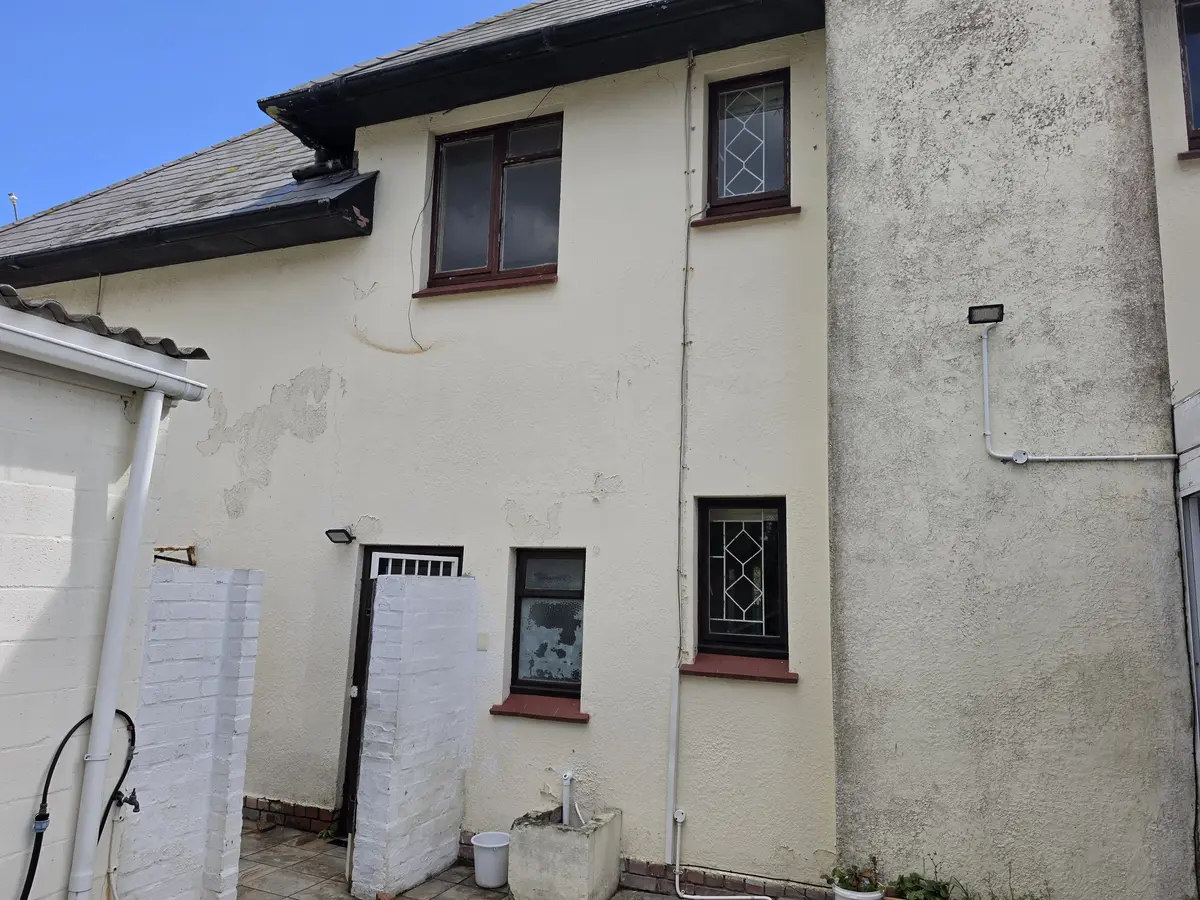
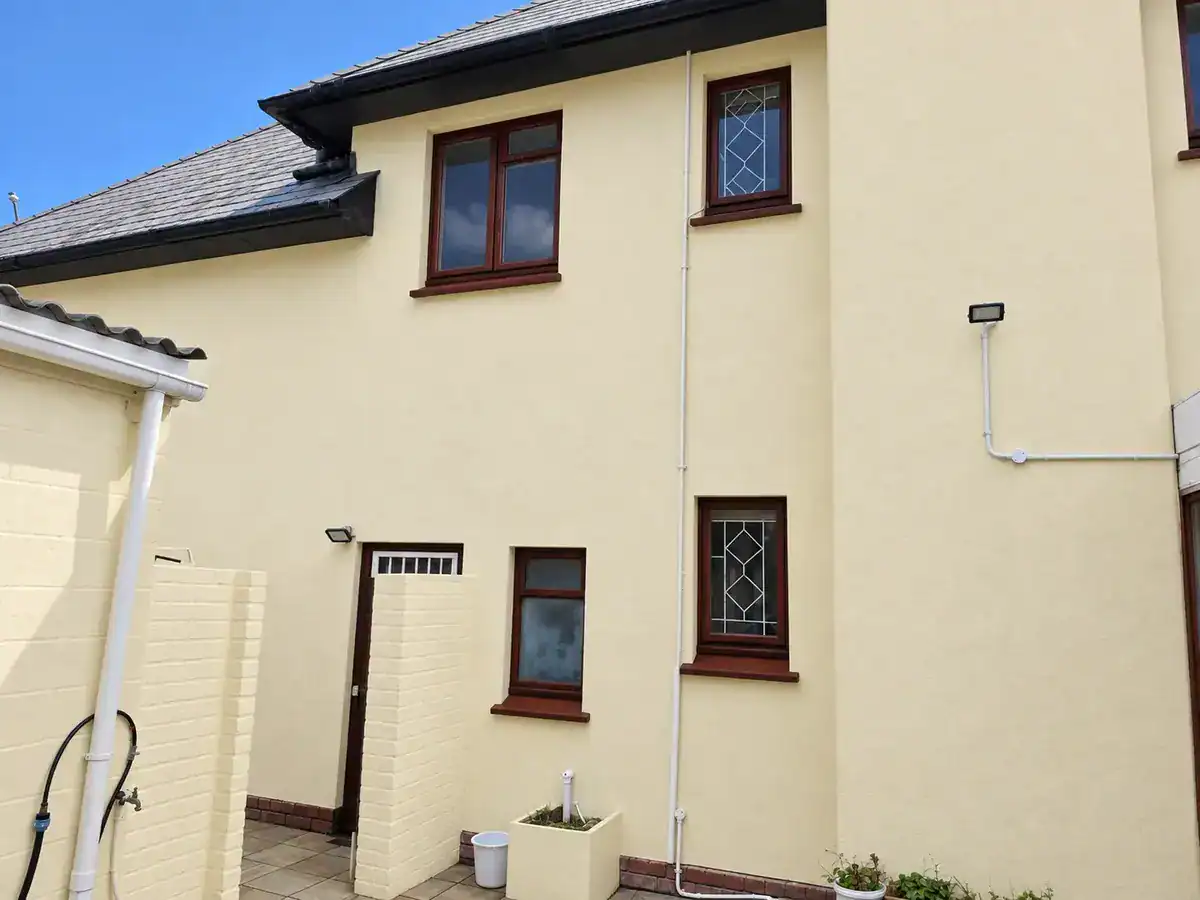
The documented De Zalze project involved a private estate home where the inspection recorded damp, discolouration, powdery surfaces, cracks, failed window and door seals, unsealed joints and horizontal surfaces that had not been adequately waterproofed.
Protimeter readings across assessed exterior areas ranged from 16.3% to 21.5%.
The written preparation scope included waterproofing exposed horizontal surfaces, repairing cracks, renewing failed flexible seals and treating identified damp-affected walls before the final exterior coating system was applied.
Horizontal areas specified for additional protection included exposed windowsills, parapet-type surfaces and deck-wall tops.
The project demonstrates why exterior waterproofing and exterior painting often need to be planned together rather than treated as unrelated trades.
View the De Zalze painting project
Nuutgevonden Estate — Boundary-Wall Copings, Windowsills and Joints
The Nuutgevonden project provides different waterproofing evidence.
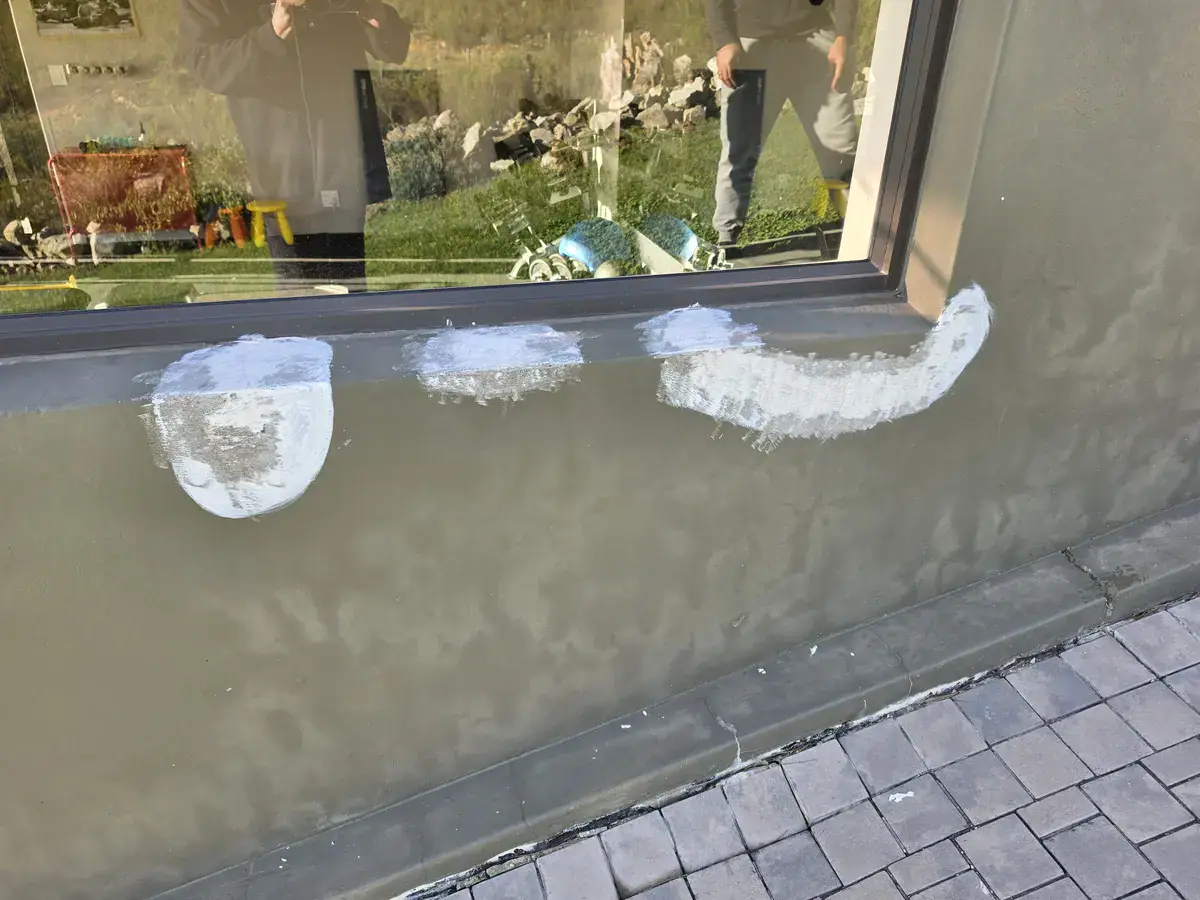
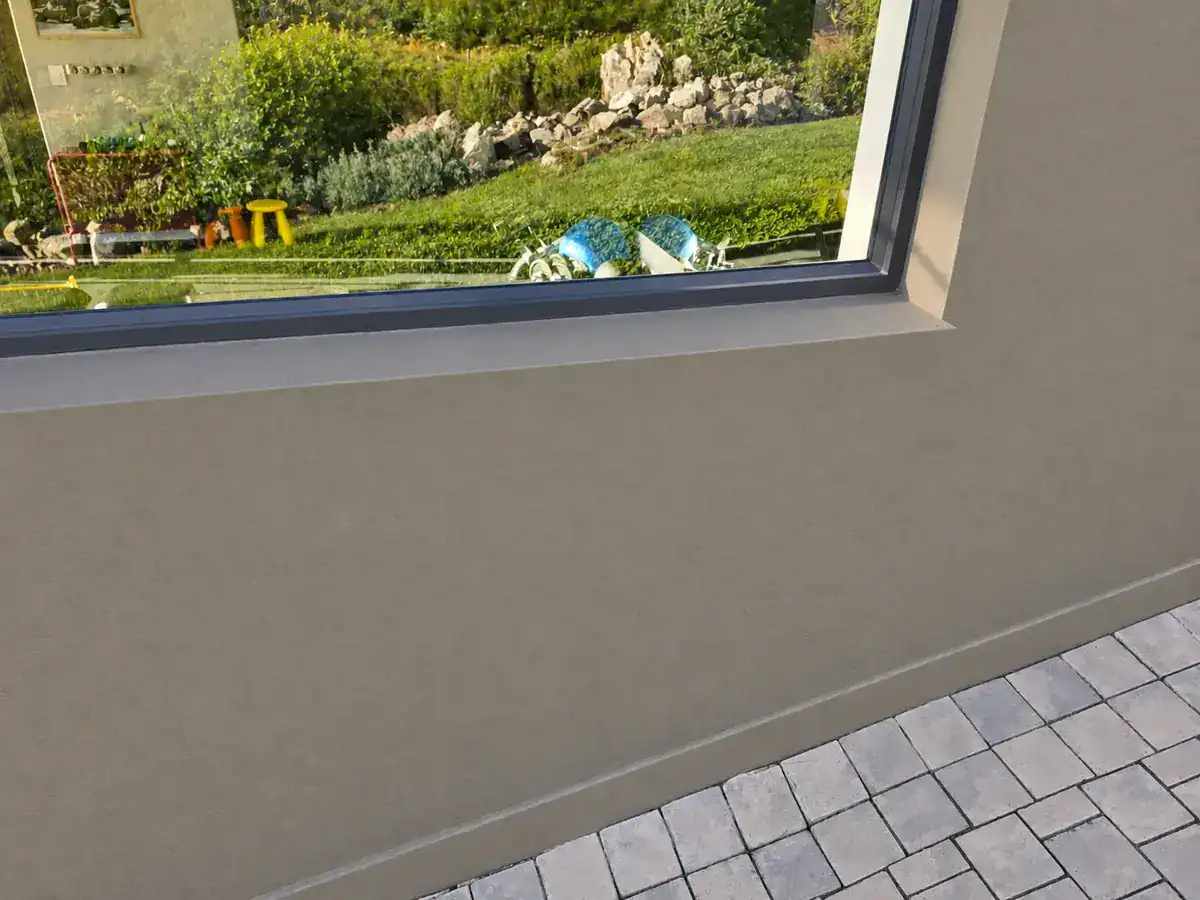
Recorded conditions included cracks on vertical and horizontal surfaces, loose or cracked boundary-wall copings, failed window and door seals, mould on boundary walls, exposed windowsill tops and expansion joints that required attention.
Protimeter readings ranged from 8.9% to 14.2%.
The preparation specification included waterproofing of exposed horizontal surfaces with the specified Rainshield system, flexible resealing of deteriorated joints and seals and damp-related preparation where identified.
This project is particularly relevant to Stellenbosch estate homes because boundary walls and garden walls can have very different moisture exposure from the main house.
View the Nuutgevonden Estate project
Paradyskloof — Re-Waterproofing Existing Horizontal Surfaces
The Paradyskloof quotation provides particularly useful maintenance evidence.
The inspection recorded that the existing horizontal waterproofing had been completed several years earlier and now required re-waterproofing to reduce the risk of future water ingress.
The project also recorded failed window and door sealants, deteriorated expansion-joint sealant, cracks, damp-related discolouration and moisture readings ranging from 10.4% to 15.6%.
The specified remedial system combined horizontal waterproofing, damp-related preparation, crack treatment and joint and penetration sealing.
This shows an important point: waterproofing is not necessarily permanent. Exposed systems and joints need inspection and maintenance as the property ages.
Rozendal Farm — Waterproofing on a Working Hospitality Property
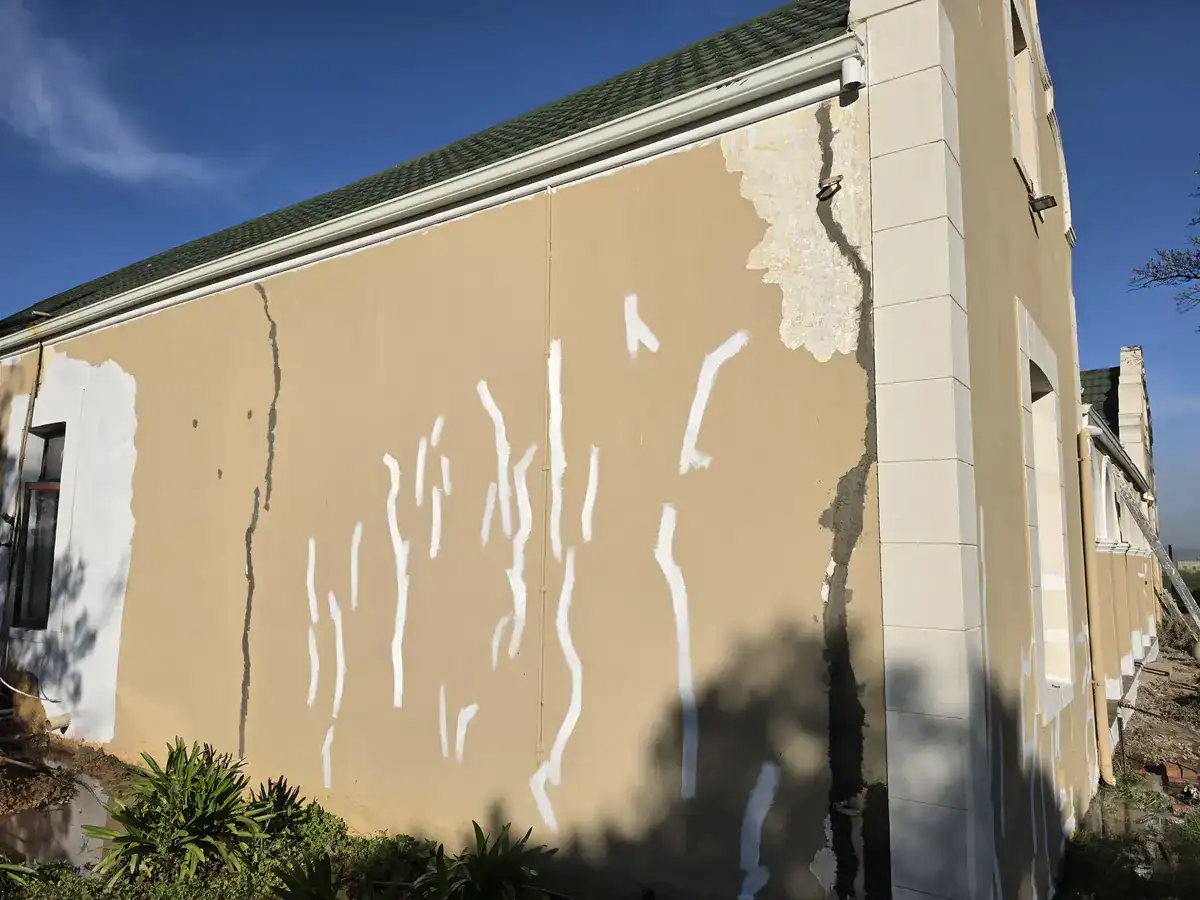
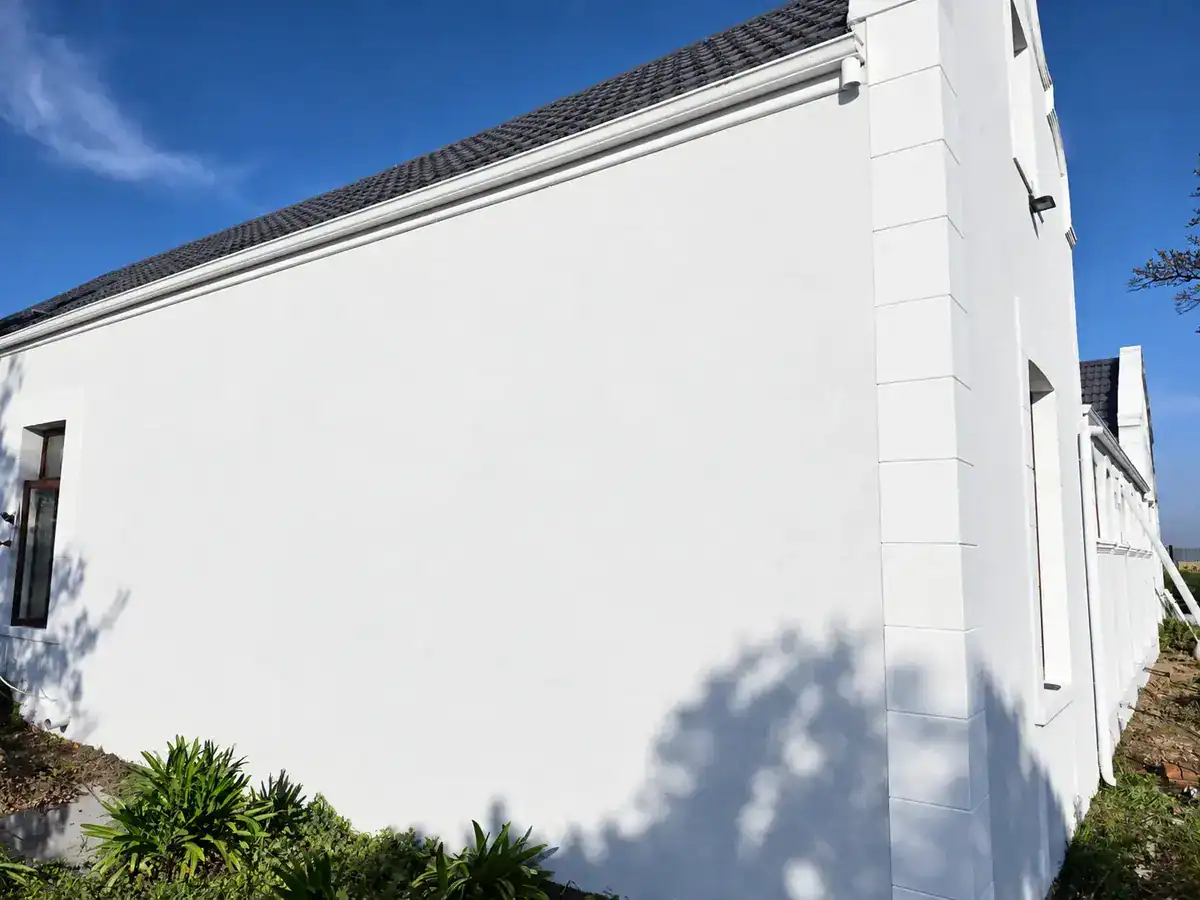
Rozendal Farm involved six guest cottages and multiple exterior substrates within an operating hospitality property.
Protimeter readings ranged from 11.3% to 22.8%.
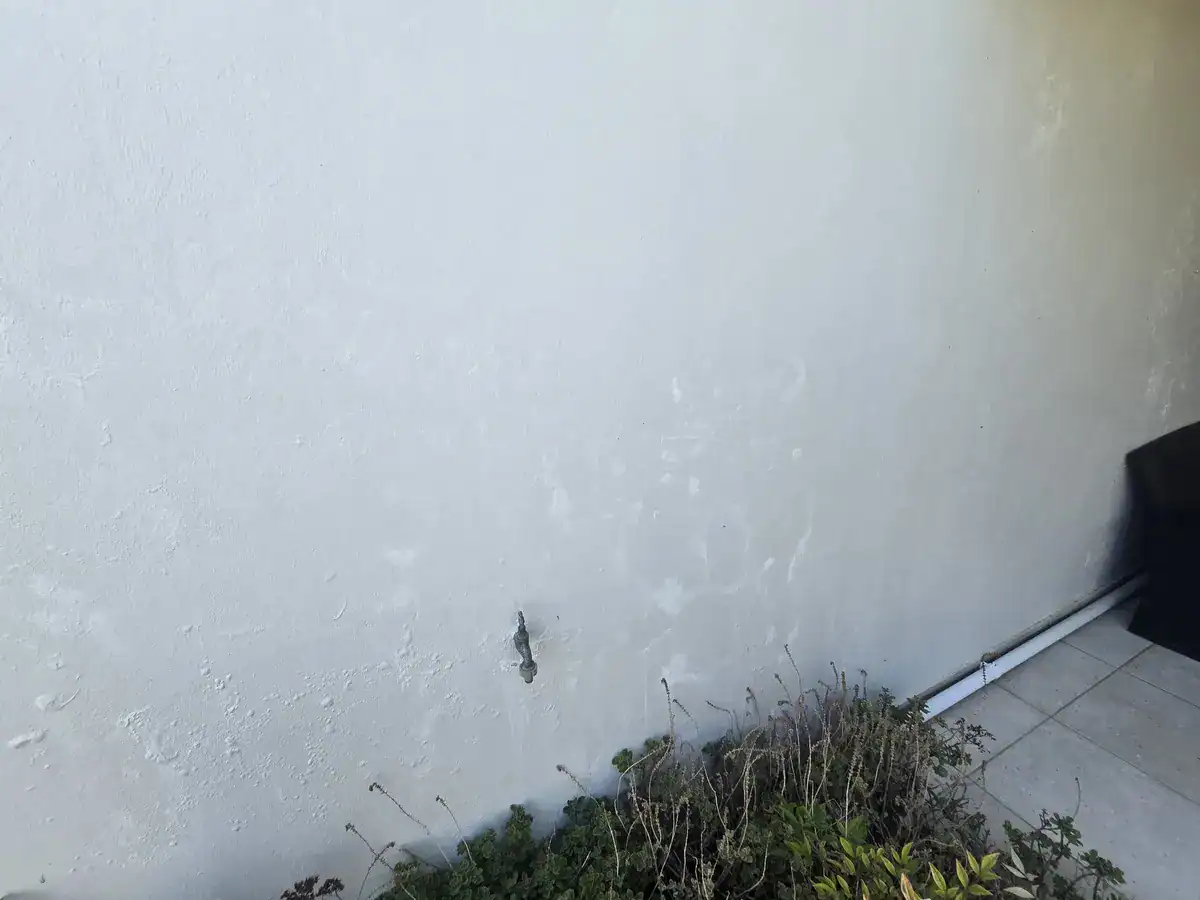
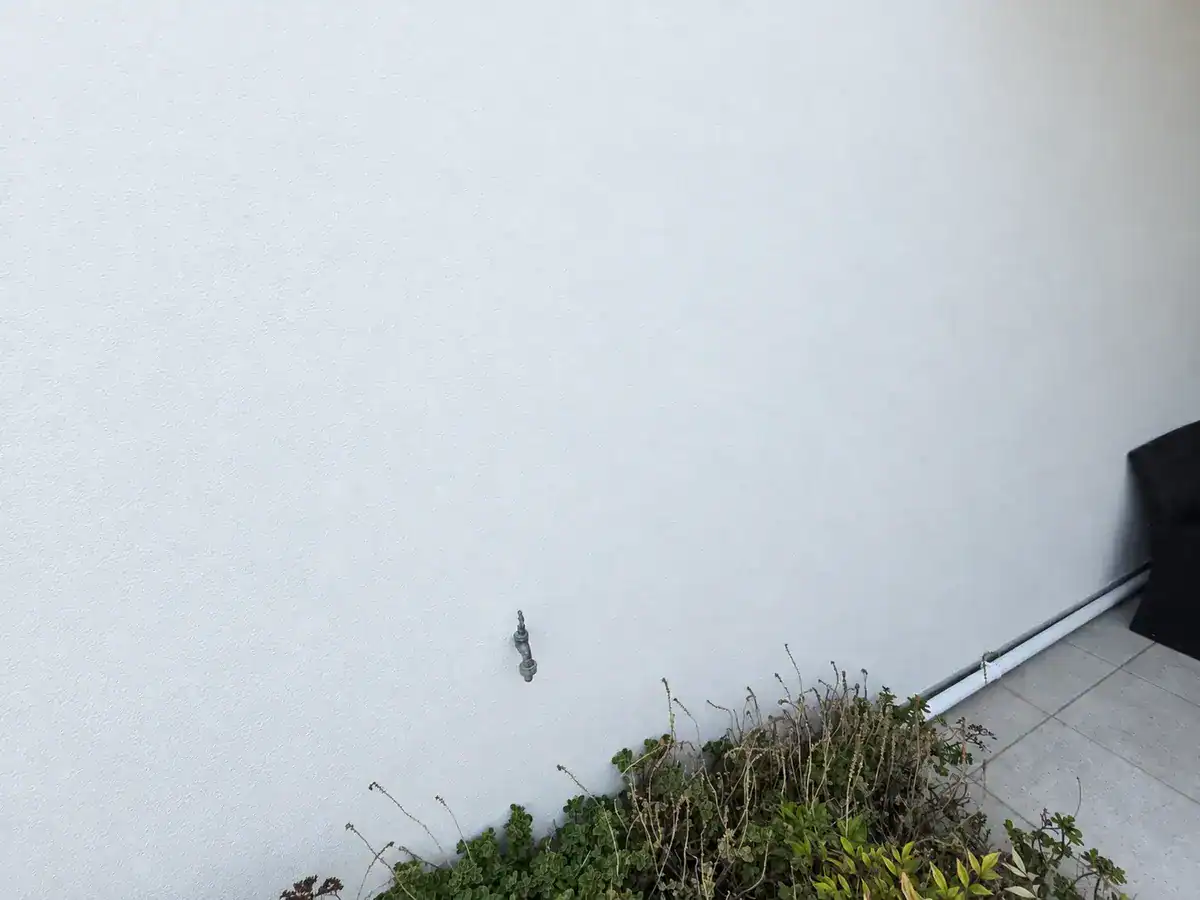
The written specification included waterproofing of parapets and windowsills, repair of plaster cracks, replacement of failed perimeter sealant, damp-related wall preparation and sealing of wall fittings.
The corrugated roof specification also required roof screws to be inspected and waterproofed or sealed before the roof-coating system was applied.
This project illustrates how waterproofing details can extend beyond one wall. Windows, cracks, penetrations, horizontal masonry and roof fixing points can all form part of the building envelope.
View the Rozendal Farm project
Boundary Walls Need Realistic Waterproofing Expectations
Boundary and garden walls can be particularly difficult because moisture may enter from the ground, irrigation, soil or backfilled areas behind the wall.
Where there is no effective damp-proof barrier separating the masonry from this moisture source, water can continue moving through the substrate even after the visible face has been prepared and coated.
No decorative waterproof coating can permanently create a missing damp-proof course or stop an ongoing structural moisture source from behind or below the wall.
This is why written limitations may be necessary for boundary walls and other moisture-exposed masonry.
Our dedicated Boundary Wall Painting Stellenbosch page explains the different moisture risks, coping preparation and realistic coating limitations for garden and perimeter walls.
Waterproofing Is Not the Same as Hiding Paint Failure
Peeling, bubbling, chalking and discolouration can be symptoms of moisture, but they can also result from unstable old coatings, poor adhesion or substrate deterioration.
The cause should therefore be investigated before waterproofing is prescribed.
See our Paint Peeling, Bubbling and Chalking Stellenbosch guide for four documented local paint-failure examples.
For preparation of otherwise sound walls before repainting, see Wall Preparation Stellenbosch.
Our Stellenbosch Waterproofing Assessment Process
- Inspect the visible symptom: identify damp marks, peeling paint, cracking, biological growth or discolouration.
- Inspect possible entry points: windowsills, parapets, copings, cracks, seals, expansion joints and penetrations.
- Assess the substrate: determine whether existing coatings and plaster are stable.
- Take moisture readings where useful: compare affected areas with surrounding surfaces.
- Identify limitations: record boundary walls, backfilled walls or other conditions where ongoing moisture may remain.
- Prepare a written scope: specify repairs, waterproofing, sealants, primers and coating systems appropriate to the observed condition.
- Complete preparation before decorative painting: waterproofing and substrate repairs should form the foundation of the finished coating system.
- Final inspection: check completed repairs and explain relevant maintenance requirements.
Supplier Specifications and Waterproofing Products
The original Stellenbosch quotations used named products because they formed part of the written preparation specifications for those projects.
These included Dulux Rainshield, Dulux Dampshield, appropriate primers and flexible polyurethane sealants.
Product names are included here as documented examples. They do not mean that the same products will automatically be specified for every Stellenbosch property.
A new project should be assessed on its own substrate, exposure, defects and moisture conditions.
Can Waterproofing Qualify for a Supplier-Backed Warranty?
Where a formal supplier or manufacturer specification is issued for a qualifying project and the complete specified system is followed, supplier-backed warranties may apply subject to the written conditions and exclusions.
Boundary walls, ongoing rising or lateral damp, structural movement, active leaks and unresolved moisture sources may be excluded or separately limited.
A warranty should therefore never be used to imply that a coating can permanently correct a building defect outside the function of the specified system.
Related Stellenbosch Painting Services
- Painters Stellenbosch
- Exterior Painters Stellenbosch
- Boundary Wall Painting Stellenbosch
- Roof Painting Stellenbosch
- Painting Homes in Stellenbosch Estates
- Paint Failure Stellenbosch
- Wall Preparation Stellenbosch
- Damp Proofing and Waterproofing Cape Town
Request a Waterproofing Inspection in Stellenbosch
If your Stellenbosch property has recurring damp, peeling paint, cracked parapets, failed windowsill waterproofing, deteriorated sealants or moisture appearing after winter rain, the first step should be an inspection of the affected surfaces and surrounding building details.
We can prepare a written scope explaining the observed defects, proposed remedial work, waterproofing preparation and final coating requirements.
Call 082 374 6862 or request a consultation.
Helpful Stellenbosch Painting Guides
Waterproofing, preparation, coating failure, estate requirements and painting cost are closely connected. These local guides explain the related issues in more detail.
Painters Stellenbosch
View our complete local painting service and four documented 2026 Stellenbosch projects.
Why Paint Fails in Stellenbosch
See genuine examples of peeling, bubbling, chalking, cracking and moisture-related coating deterioration.
Wall Preparation Stellenbosch
Learn how cracks, damp symptoms, chalking, loose coatings, failed seals and plaster defects are prepared before repainting.
Roof Painting Stellenbosch
See substrate-specific roof preparation using the Paradyskloof tiled roof and Rozendal Farm corrugated roofs.
Painting Homes in Stellenbosch Estates
Read about estate access, colour approvals, preparation, moisture and maintenance using De Zalze and Nuutgevonden evidence.
House Painting Cost Stellenbosch
See how repairs, damp preparation, waterproofing and access can affect the final painting quotation.
Waterproofing Stellenbosch FAQs
Do you provide waterproofing in Stellenbosch?
Yes. Our documented Stellenbosch projects include exterior waterproofing and moisture-related preparation at De Zalze Estate, Nuutgevonden Estate, Paradyskloof and Rozendal Farm.
What areas of a property do you waterproof?
Our documented work includes parapets, windowsills, wall tops, boundary-wall copings, cracks, expansion joints, window and door seals, damp-affected masonry and selected penetrations or roof-fixing details where included in the project specification.
Do you take moisture readings before waterproofing?
Moisture readings may be taken where useful. They help compare affected areas with surrounding surfaces but should be considered together with cracks, sealants, wall tops, joints and other possible water-entry points.
What waterproofing work was done at De Zalze?
The De Zalze specification included protection of exposed horizontal masonry, crack repairs, replacement of failed flexible seals and damp-related wall preparation. Exterior Protimeter readings ranged from 16.3% to 21.5%.
What waterproofing problems were found at Nuutgevonden Estate?
The Nuutgevonden inspection recorded cracked or loose boundary-wall copings, exposed horizontal surfaces, failed window and door seals, expansion joints and moisture-related deterioration. Protimeter readings ranged from 8.9% to 14.2%.
Does existing waterproofing need maintenance?
It can. At the documented Paradyskloof project, existing horizontal waterproofing had been completed several years earlier and was specified for renewal to reduce the risk of future water ingress.
Can waterproofing permanently stop damp in a boundary wall?
Not where moisture continues entering from the ground, irrigation, soil or backfill and there is no effective damp-proof barrier. Decorative coatings cannot create a missing damp-proof course or permanently stop an unresolved structural moisture source.
What happens to failed sealant around windows and doors?
Where specified, deteriorated sealant is removed and replaced with an appropriate flexible sealant before surrounding surfaces are repainted.
Does Dulux Dampshield replace the need to repair water entry?
No. On our documented projects Dampshield formed part of the preparation system for identified damp-affected masonry. Cracks, failed seals, unprotected horizontal surfaces and other identifiable water-entry points still required separate attention.
Can roof paint repair an active roof leak?
No. Roof coating protects a suitable prepared surface. Broken roofing components, defective flashing, penetrations or other active leaks require appropriate repair rather than simply another coat of roof paint.
Do you use subcontracted waterproofing or painting crews?
Our painting projects are completed by full-time employed painters with working-foreman supervision rather than subcontracted painting teams.
How do I request a waterproofing quotation in Stellenbosch?
Call 082 374 6862 or use the Painters Cape Town contact page to arrange an inspection and written quotation.

Copyright 2026 , all rights reserved.