Documented Fish Hoek Painting Project • March–April 2026
Fish Hoek Mountainside Exterior Painting
Exterior restoration of a Fish Hoek Mountainside home after the inspection identified 13%–21% Protimeter readings, map cracking, efflorescence, failed window and door seals, open expansion joints, vulnerable horizontal surfaces, deteriorated glazing putty and weathered painted timber.
Completed from 27 March to 7 April 2026, the project demonstrates why durable False Bay exterior painting depends on diagnosing moisture routes and preparing each substrate before decorative finishing coats are applied.
Project Evidence
- Location: Fish Hoek Mountainside, Cape Town.
- Project: Exterior restoration and repainting.
- Completed: 27 March–7 April 2026.
- Protimeter readings: 13%–21%.
- Map cracking and efflorescence.
- Vertical and horizontal plaster cracking.
- Failed window and door perimeter sealant.
- Open expansion joints.
- Horizontal surfaces requiring waterproofing.
- Cracked and missing glazing putty.
- Windows, shutters, fascia boards and pergolas.
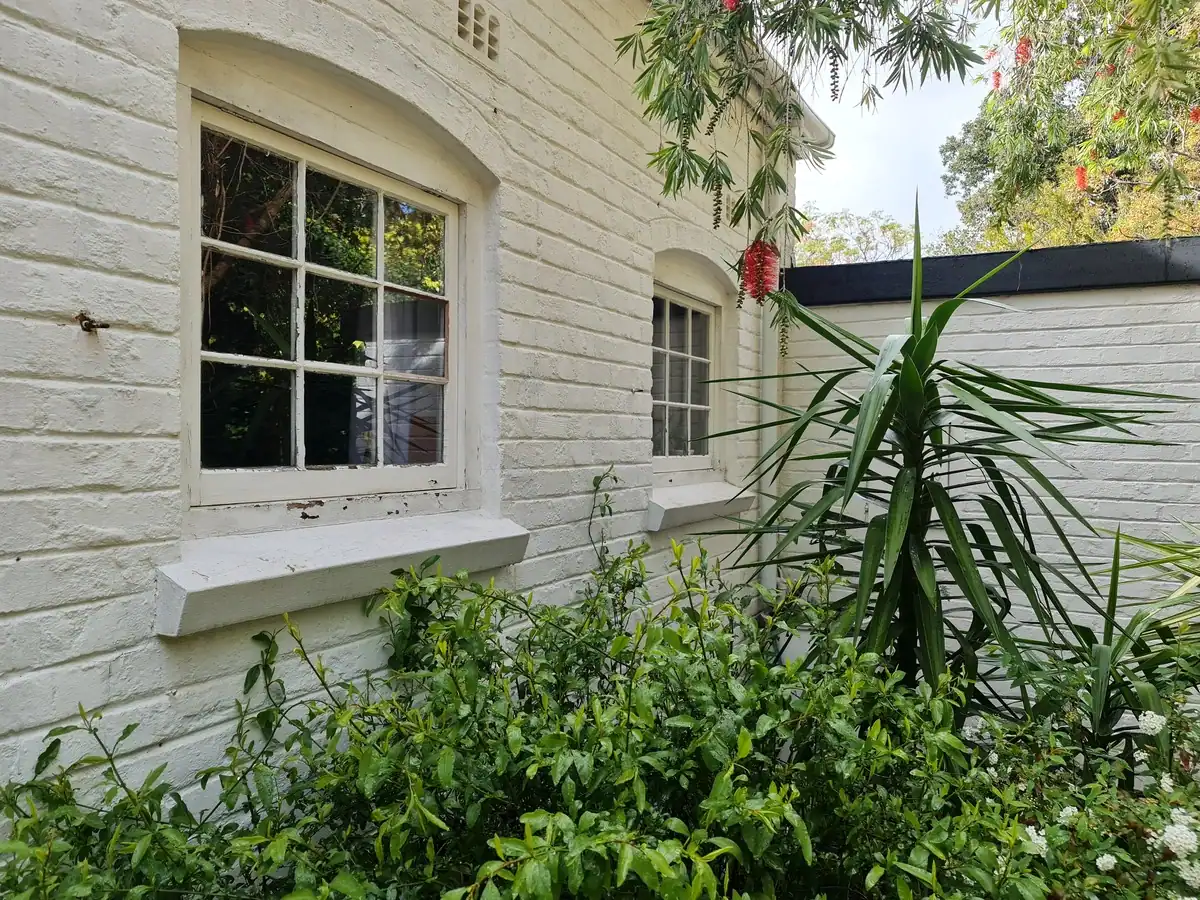
- Original before-and-after project photographs.
- Working foreman: Patrick.
Real Fish Hoek Project Evidence, Supplier Approval and Direct Contractor Accountability
This is a documented Fish Hoek Mountainside project rather than a generic location page. The case study is based on the actual project inspection and written scope, including moisture readings, observed defects, preparation methods, coating systems, limitations, working-foreman supervision and original project photographs.
13%–21% Protimeter Readings
Measured moisture conditions were documented during the inspection and assessed together with cracking, failed seals, open joints, horizontal surfaces and visible coating deterioration.
Written Diagnostic Report
Our quotations include written diagnostic findings rather than simply supplying a price for applying new paint over existing defects.
Detailed Preparation Specification
The project scope distinguished between masonry, damp-affected areas, cracks, movement joints, horizontal waterproofing, glazing putty and exterior timber instead of treating every surface with one generic system.
Approved by Major Paint Suppliers
Painters Cape Town is approved by major paint suppliers and can work to formal supplier specifications on qualifying projects where technical involvement is appropriate.
Supplier-Backed Warranty Options
Qualifying projects can receive supplier-backed specifications and warranties. New raw-plaster systems may qualify for up to 10 years, while qualifying redecorations are typically 7–8 years depending on the supplier and written specification.
No Unsupported Warranty Claim
This Fish Hoek Mountainside case study does not claim that this individual project carried a formal supplier-backed warranty. Project-specific warranty status is only stated where the written records support it.
Full-Time Employed Painters
Our painting work is completed by full-time employed painters rather than subcontracted painting crews.
Working Foreman: Patrick
The project documentation records Patrick as the working foreman, supervising preparation and workmanship while also assisting with painting.
27 Years’ Contractor Experience
Painters Cape Town has 27 years of painting-contractor and surface-preparation experience across Cape Town homes, coastal properties, roofs, interiors and exterior restoration projects.
Direct Painting Contractor
Painters Cape Town is not a lead-generation or quote-comparison company. Clients deal directly with the contractor responsible for inspection, quotation, employed painters, supervision and completed work.
OUTsurance Public Liability
Our residential and commercial painting work is supported by Public Liability Insurance through OUTsurance for additional contractor accountability.
Original Project Photography
The before-and-after photographs on this page come from the actual Fish Hoek Mountainside project and document the condition before preparation and the completed exterior.
Warranty duration and expected coating life are not the same thing. Formal supplier warranties remain subject to the supplier's written specification, conditions, maintenance requirements and exclusions. Separately, correctly prepared exterior coatings can often maintain integrity for approximately 8–10 years in suitable conditions where underlying defects and continuing moisture routes have been resolved.
Documented Exterior Painting in Fish Hoek Mountainside
This case study documents a genuine Fish Hoek Mountainside exterior painting project completed by Painters Cape Town from 27 March to 7 April 2026.
The project required considerably more than washing the house and applying another two coats of exterior paint. The pre-painting inspection documented moisture-related conditions, cracking, failed joints and seals, unprotected horizontal surfaces, deteriorated glazing putty and weathered exterior timber.
Protimeter readings recorded during the inspection ranged from 13% to 21%.
This project forms part of our wider Painters Fish Hoek evidence cluster and our regional False Bay Painters service area.
A second documented Fish Hoek project covers a very different maintenance problem: our Sunny Cove Fish Hoek interior painting project involved mould, ventilation, Rhinoboard ceiling movement, wall cracks and full interior repainting.
Why the Property Needed More Than a Routine Repaint
A repaint can only perform as well as the substrate and detailing underneath it.
The written inspection recorded several conditions capable of undermining a new coating system:
- Protimeter readings between 13% and 21%;
- map or spider-web cracking on bagged masonry;
- efflorescence along affected masonry joints;
- cracking on vertical and horizontal surfaces;
- cracked windowsills;
- failed window and door perimeter sealant;
- open expansion joints;
- horizontal surfaces requiring renewed waterproof protection;
- discoloured and deteriorating exterior coatings;
- mould on parts of the masonry;
- weathered timber with loose paint and exposed wood; and
- cracked, deteriorated or missing glazing putty.
These findings were documented before painting so that the preparation scope could address the accessible weaknesses rather than simply hide them beneath a new decorative finish.
13%–21% Protimeter Readings — Evidence, Not a Guess at the Cause
The recorded moisture readings provide useful first-hand evidence from the actual Fish Hoek property.
However, a moisture meter does not automatically diagnose rising damp, leaking windows, a roof leak or another single moisture source.
The readings were therefore considered together with the physical condition of the building, including cracks, open joints, failed perimeter seals and vulnerable horizontal surfaces.
That distinction matters because different moisture routes require different remedial work.
For wider information about this approach, visit our Damp Proofing Cape Town service.
Map Cracking and Efflorescence on Bagged Masonry
The inspection recorded fine interconnected map cracking following mortar-joint patterns beneath parts of the bagged wall finish.
Efflorescence was also visible. Efflorescence is the white mineral residue that can remain when moisture moves through cementitious masonry and soluble salts reach the surface.
Neither condition should simply be buried beneath another coat of paint.
The preparation system therefore considered crack treatment, cleaning, suitable primers, moisture-related preparation and flexible waterproofing products where relevant.
Moisture, Alkalinity and Coating Discolouration
The project documentation also recorded discolouration and deterioration associated with moisture moving through cement-based surfaces.
Cementitious substrates are alkaline. Where moisture carries alkaline salts toward the surface, susceptible coatings can discolour or lose film integrity.
This is one reason primer selection matters. A decorative topcoat cannot compensate for a weak, alkaline or moisture-affected substrate underneath it.
Cleaning Before Exterior Painting
Suitable exterior surfaces were specified for high-pressure cleaning to remove loose paint, grime, salt-related contamination and chalky residue before further preparation.
Areas unsuitable for high-pressure washing could instead be manually cleaned using the specified ProGold GP Cleaner system and clean water.
Fungus-affected areas were separately specified for ProGold Fungal Wash treatment.
New paint needs to bond to a stable prepared substrate rather than contamination or degraded paint residue.
Horizontal Waterproofing Before Wall Painting
Upward-facing surfaces behave differently from vertical walls.
Windowsills, parapet-type details and the tops of boundary or garden walls receive direct rainfall and can remain wet for longer.
The written specification therefore included two coats of Dulux Rainshield to appropriate horizontal surfaces, with the second coat applied perpendicular to the first where specified.
The objective was to reduce accessible water entry before repainting the adjoining wall surfaces.
Damp-Affected Masonry Preparation
The written scope included Dulux Pre-Paint Dampshield and further Dulux Dampshield treatment to designated prepared areas according to substrate condition.
This was one part of the preparation system rather than a claim that a paint coating could correct every possible source of damp.
Cracks, failed seals, open joints and other accessible water-entry defects still had to be dealt with separately.
Failed Window and Door Seals
Deteriorated sealant was recorded around exterior window and door junctions.
These transitions between frames and masonry can become rainwater-entry points once the flexible seal fails.
The project scope therefore included removing deteriorated sealant where required and resealing the relevant areas using flexible single-pack polyurethane sealant.
Simply repainting staining beneath a leaking junction would have left the accessible moisture route in place.
Expansion Joints Required Flexible Repair
The inspection also documented open expansion joints.
An expansion joint is designed to accommodate building movement. It should therefore not be repaired in exactly the same manner as an ordinary static plaster crack.
The written scope specified flexible polyurethane sealing at applicable movement joints.
A rigid filler used indiscriminately across a moving joint can crack again as the building expands and contracts.
Hairline Cracks, Map Cracking and Larger Plaster Defects
Different crack types received different preparation.
Hairline Cracks
The written specification included alkali-resistant sealer and Dulux Rainshield worked into appropriate fine cracking before subsequent coating work.
Multiple Spider-Web Cracks
Areas containing widespread map cracking required broader flexible preparation rather than treating each line as an isolated cosmetic defect.
Wider Plaster Cracks
Wider defects could be opened to sound material, cleaned and repaired using a suitable masonry patching system before sanding, priming and protective coating.
No paint or filler can guarantee that natural structural or movement-related cracking will never recur.
Why the Window Needed Putty Repair Before Paint
The original project photograph clearly documents failed glazing putty, peeling coating and exposed timber around a wooden window.
Painting over deteriorated putty would not restore the glazing detail.
The scope therefore specified removal of failed putty, cleaning of the rebate and replacement with new glazing putty where required before priming and finishing.
Wooden Windows, Shutters, Fascias and Pergolas
The timber elements required a completely different preparation and coating sequence from the masonry walls.
Loose and flaking paint was removed, sound coating edges were feathered and the timber was sanded to provide a suitable key.
Bare areas were specified for Dulux Wood Primer.
A full coat of Dulux Universal Undercoat followed before the finishing system.
The documented finishing specification was two coats of Dulux Pearlglo Waterbased.
This system applied to relevant wooden windows, shutters, fascia boards and pergolas included in the scope.
Different Coatings for Different Surfaces
The original quotation did not specify one universal product for the entire property.
Main Exterior Walls
The prepared main-building walls were specified for two coats of Dulux Wallguard.
Boundary Walls
The boundary walls were specified for two coats of Dulux Weatherguard Fine Textured as the breathable finishing system selected for those surfaces.
Painted Timber
The prepared exterior timber was specified for the Wood Primer, Universal Undercoat and Pearlglo Waterbased system described above.
Product names are included because they formed part of the actual written project documentation. Naming them does not imply that the supplier endorsed this individual case study or automatically guaranteed the project.
Boundary Walls and Continuing Moisture Limitations
The project documentation specifically recognised that some boundary-wall masonry did not have effective separation from continuing ground or backfilled moisture.
Where moisture continues moving through a wall from below or behind, preparation and a breathable coating system can improve the accessible painted surface but cannot create a missing damp-proof barrier inside the wall.
Continuing moisture can therefore cause future discolouration, blistering or peeling despite correct work on the visible face.
Explaining this limitation before painting is more responsible than promising that a decorative coating will permanently stop water moving through the structure.
Foundation and Backfilled Wall Areas
Moisture-related discolouration was also documented below relevant weep-hole and expansion-joint levels.
Where masonry is exposed to backfilled moisture from the opposite side, work on the visible surface cannot control everything occurring behind the wall.
These conditions were therefore identified as limitations rather than hidden behind a blanket coating guarantee.
Supplier Approval, Specifications and Warranty Options
Painters Cape Town is approved by major paint suppliers.
Where appropriate, we can work to a formal supplier-prepared painting specification, particularly on projects where new plaster, moisture conditions, substrate failure or multiple coating systems justify additional technical involvement.
Supplier-backed warranties are available on qualifying projects.
For qualifying new-build or raw-plaster projects, supplier-backed specifications can extend to up to 10 years where the complete specified system is followed from the first primer coat, including correct preparation, waterproofing, primers and finishing coats.
For qualifying redecoration and repainting projects, supplier-backed warranties are typically 7–8 years, depending on the supplier and the written specification. This distinction exists because the original preparation and primer system beneath older coatings cannot always be independently verified.
All formal warranties remain subject to the supplier’s written specification, conditions, exclusions and maintenance requirements.
This Fish Hoek Mountainside case study is not being presented as a formal supplier-warranty project because the available project records do not establish that status.
That does not change Painters Cape Town’s company-level supplier approval or our ability to obtain formal supplier specifications on other qualifying projects.
Expected Coating Life Is Separate from a Formal Warranty
A formal supplier warranty and the practical expected service life of a correctly prepared exterior coating are different concepts.
Correctly prepared exterior coatings may often maintain integrity for approximately 8–10 years in suitable conditions where moisture routes, cracking, failed sealing, weak existing coatings and other underlying defects have been resolved.
This is not a guarantee that every exterior surface will remain maintenance-free for that period.
Boundary walls, continuing ground moisture, structural movement, failed seals, timber movement, new cracks, roof defects and future waterproofing failure can shorten coating life.
Completed Fish Hoek Mountainside Exterior
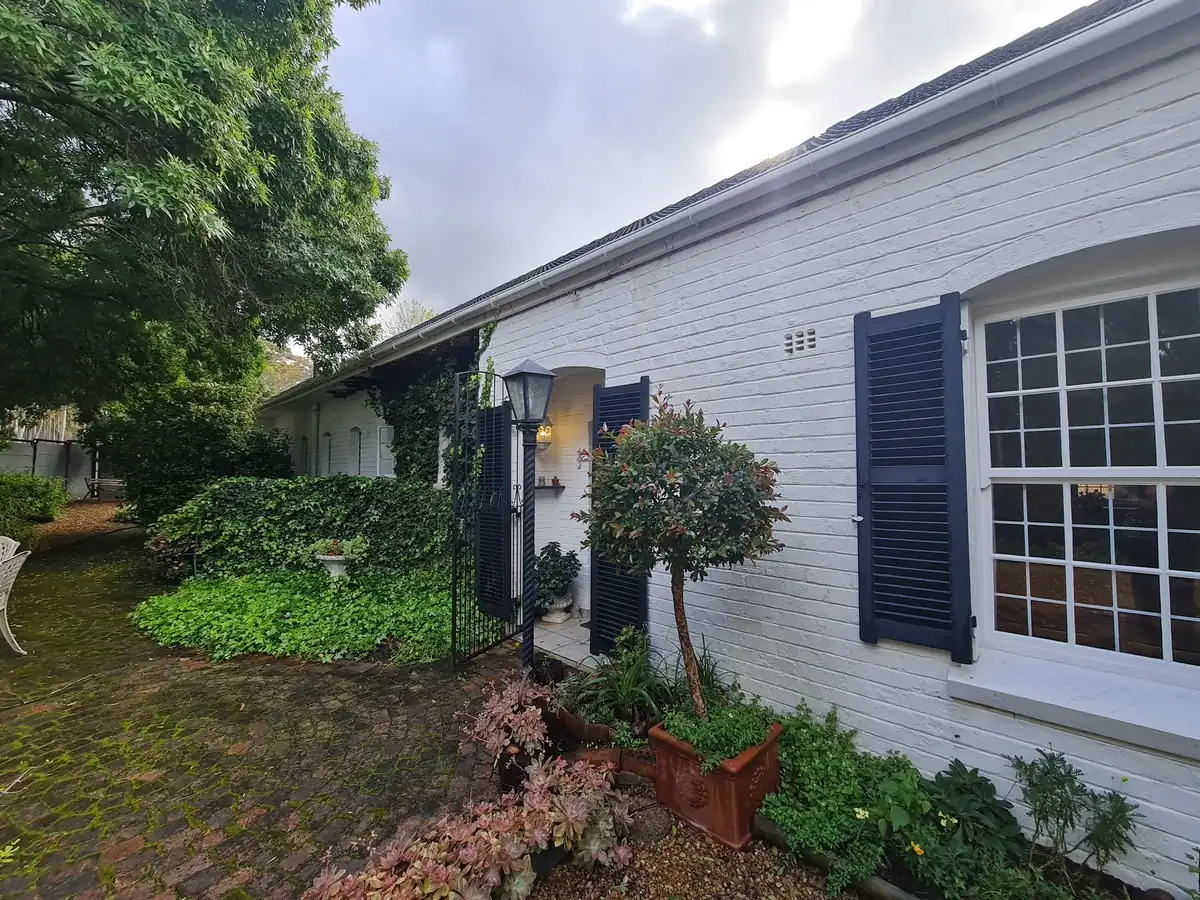
The completed exterior illustrates the final stage of a process that began with inspection rather than paint application.
The value of this project as a case study lies not only in the completed finish, but in the documented conditions and preparation underneath it.
What This Fish Hoek Project Demonstrates
This genuine Mountainside project brings together several issues that are highly relevant to exterior painting in Fish Hoek:
- measured moisture conditions rather than assumptions;
- coastal and winter-rain exposure;
- map cracking and efflorescence;
- cracked horizontal surfaces;
- failed window and door seals;
- open movement joints;
- window-putty deterioration;
- different coating systems for masonry and timber;
- boundary-wall moisture limitations;
- documented products and preparation; and
- original before-and-after project photography.
It is exactly the type of first-hand project evidence that informs our wider Fish Hoek painting service.
Related Fish Hoek and False Bay Painting
This exterior project should be viewed together with our separate Sunny Cove Fish Hoek interior painting case study, which documents mould, ventilation, ceiling movement and interior preparation at another genuine Fish Hoek property.
Fish Hoek forms part of our wider False Bay Painters region.
Relevant Cape Town-wide services include:
- Exterior Painters Cape Town;
- Damp Proofing Cape Town;
- Residential Painters Cape Town; and
- Cape Town Painting Service Areas.
Request a Fish Hoek Exterior Painting Assessment
If your Fish Hoek property has peeling coatings, cracking, failed seals, exposed timber, deteriorated putty, damp-related discolouration or vulnerable horizontal surfaces, the starting point should be a physical inspection and written preparation scope.
Call 082 374 6862 or visit the Painters Cape Town contact page.
Helpful Painting Guides for Fish Hoek Property Owners
Why Paint Peels, Fades and Cracks
Understand why moisture, UV exposure, old coatings, cracks, poor adhesion and unresolved building defects can shorten the life of a repaint.
Damp Walls and Preparation
Learn why cracks, waterproofing defects, boundary-wall conditions and continuing moisture routes should be considered before damaged paint is recoated.
Planning a Premium Home Repaint
See how inspection, property protection, preparation, timber, windows and finished surfaces should be managed during a professional home repaint.
Fish Hoek Mountainside Exterior Painting Project FAQs
What type of Fish Hoek property was painted?
The documented project involved a private residential property in Fish Hoek Mountainside, Cape Town.
When was the Fish Hoek Mountainside project completed?
The exterior project was completed from 27 March to 7 April 2026.
What Protimeter readings were recorded?
Readings recorded during the inspection ranged from 13% to 21%.
Do the 13%–21% readings prove rising damp?
No. Moisture readings are diagnostic evidence but do not by themselves establish a specific source. They were considered together with cracks, failed seals, open joints, horizontal surfaces and other visible defects.
What defects were identified before repainting?
The project documentation recorded map cracking, efflorescence, larger plaster cracks, failed window and door seals, open expansion joints, unprotected horizontal surfaces, discolouration, peeling coatings, mould, weathered timber and deteriorated window putty.
How were expansion joints treated?
Relevant expansion joints were treated as movement joints and specified for flexible polyurethane sealing rather than being filled as ordinary rigid plaster cracks.
Why did windowsills and horizontal surfaces require waterproofing?
Horizontal surfaces receive direct rainfall and can remain wet longer than vertical walls. Cracks or porous areas can allow moisture into adjoining masonry, so compatible waterproofing formed part of the preparation scope.
Was damaged window putty simply painted over?
No. Failed glazing putty was specified for removal and replacement where required before the repaired areas were primed and painted.
What paint was specified for the main exterior walls?
The original project quotation specified two coats of Dulux Wallguard to the prepared main-building exterior walls.
What was specified for the boundary walls?
The documented finishing system for the prepared boundary walls was two coats of Dulux Weatherguard Fine Textured.
How was the exterior timber prepared and painted?
Loose paint was removed, surfaces were sanded and bare timber was spot-primed with Dulux Wood Primer. A full coat of Dulux Universal Undercoat and two coats of Dulux Pearlglo Waterbased were then specified.
Is Painters Cape Town approved by paint suppliers?
Yes. Painters Cape Town is approved by major paint suppliers and can work to formal supplier specifications on qualifying projects.
Do you offer supplier-backed painting warranties?
Supplier-backed warranties are available on qualifying projects. Qualifying new-build or raw-plaster systems can receive specifications of up to 10 years, while qualifying redecorations are typically 7–8 years depending on the supplier and written specification. All formal warranties remain subject to the supplier's conditions, exclusions and maintenance requirements.
Did this Fish Hoek Mountainside project have a formal supplier warranty?
We do not claim that it did. The available project records document the preparation and Dulux coating systems but do not establish this individual project as a formal supplier-backed warranty project.
Are your painters subcontractors?
No. Painters Cape Town uses full-time employed painting teams rather than subcontracted painting crews.
Who supervised this Fish Hoek project?
The project quotation recorded Patrick as the working foreman, responsible for on-site supervision while also assisting with painting.
Are you a lead-generation or quote-comparison company?
No. Painters Cape Town is the direct painting contractor responsible for the inspection, quotation, employed painting team, supervision and completed work.
Do you have another documented painting project in Fish Hoek?
Yes. We also completed a documented interior repaint in Sunny Cove, Fish Hoek, from 18 to 26 May 2026, involving mould treatment, ventilation considerations, ceiling and cornice movement, cracks and painted joinery.
Can paint permanently stop continuing moisture through boundary walls?
No. Where masonry remains exposed to continuing ground or backfilled moisture, preparation and breathable coatings can improve the accessible surface but cannot create a missing waterproof or damp-proof barrier behind the wall.
How do I request a Fish Hoek exterior painting quotation?
Call 082 374 6862 or visit the Painters Cape Town contact page.

Copyright 2026 , all rights reserved.