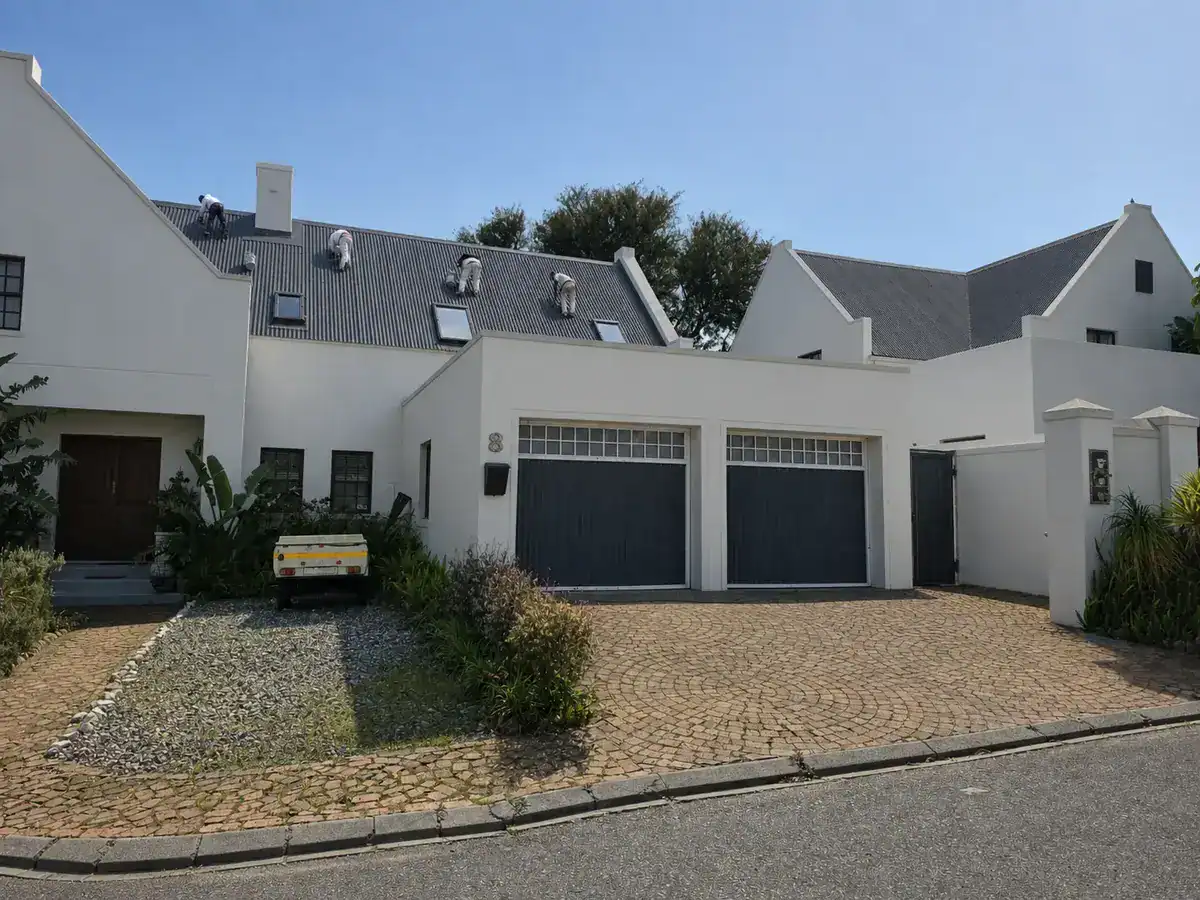
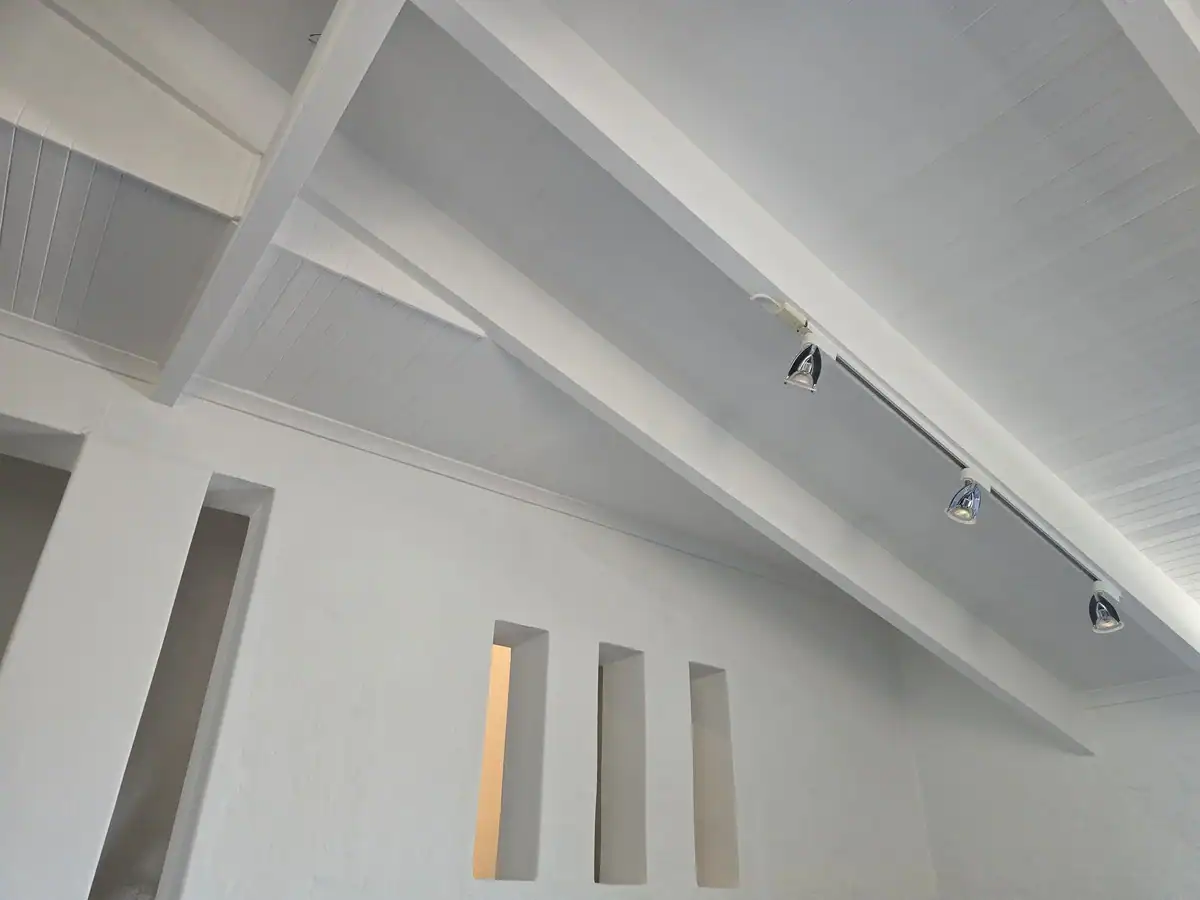
Professional Painters in Paarl for Homes, Estates and Commercial Properties
Preparation-first interior, exterior, roof and damp-related painting by an established contractor with 27 years of experience, full-time employed painters, written diagnostic reports and daily foreman supervision.
Our documented 2026 work includes a detailed interior repaint at a private home in Courtrai, Paarl North, and an exterior damp, crack, joint-sealing and painting project at Val de Vie Estate near Paarl. We also paint homes in Paarl Mountain, Lemoenkloof, Paarl Central, Southern and Northern Paarl, Boschenmeer Golf Estate, wine-farm buildings, guesthouses, body corporate properties and commercial premises.
Documented 2026 projects in Courtrai and at Val de Vie Estate near Paarl.
Written diagnostic report and clear written scope with every quotation.
Full-time employed painters—never subcontractors.
A working foreman present on site daily.
Experience with large homes, estates, wine farms, hospitality buildings, roofs, timber, cracks and damp-related coating failure.
Public Liability Insurance through OUTsurance.
Direct contractor accountability—we are not a lead-generation company.
Verified Paarl Experience, Preparation-First Painting and Direct Accountability
Our Paarl service is supported by 27 years of painting-contractor experience and genuine local project evidence. We diagnose coating failure, document the required remedial work and complete each project with our own employed painting teams.
Documented Local Projects
This page documents a 2026 Courtrai interior project and a 2026 Val de Vie exterior project near Paarl, with dates, moisture readings, defects, repairs, products and original photographs.
Written Diagnostic Report
Every quotation records visible defects, likely moisture routes, preparation requirements, proposed coating systems, access considerations and important limitations.
Full-Time Employed Painters
We do not use subcontracted painting teams. Our full-time employed painters complete the work under the daily supervision of a working foreman.
Direct and Insured Contractor
Painters Cape Town is not a lead-generation company. Clients deal directly with the contractor responsible for the inspection, quotation, preparation, painting and handover. Public Liability Insurance is provided through OUTsurance.
Paarl Property Experience
We understand Paarl’s hot, UV-intensive summers, wet winters, broad façades, older plaster, large roofs, long boundary walls, timber, estates, wine-farm buildings and occupied commercial properties.
Clear Specifications and Warranties
Preparation, repairs, primers, products, finishing systems and exclusions are recorded in writing. Supplier or manufacturer specifications and warranties apply only where formally issued and followed.
Realistic coating-life guidance: where damp, cracks, rust, chalking, weak previous coatings, mould, timber deterioration and water-entry defects are correctly resolved, properly prepared exterior paintwork can often retain its integrity for approximately 8–10 years. A qualifying 7–8 year supplier or manufacturer warranty may apply only when formally issued and remains subject to its written terms and exclusions.
Professional Painters in Paarl, Cape Winelands
Painters Cape Town provides preparation-first painting in Paarl for family homes, large private residences, older houses, estates, guesthouses, wine-farm buildings, shops, offices, body corporate properties and other commercial premises. Our work includes interior painting, exterior painting, roof painting, damp-related preparation, timber coating, crack repair and rust treatment.
Paarl is a distinctive painting environment within the Cape Winelands. Hot, dry summers expose broad façades, roofs, timber and metalwork to intense UV, while winter rain tests parapets, gutters, window seals, shaded walls, retaining walls and older plaster. Large erven, mature gardens, long boundary walls, estate access procedures and occupied hospitality or commercial buildings also affect how a project must be planned.
Our 27 years of painting-contractor experience is supported here by documented 2026 work: a detailed interior repaint at a private home in Courtrai, Paarl North, and an exterior damp, crack, joint-sealing and painting project at Val de Vie Estate near Paarl. Both case studies include original photographs, dates, measured moisture readings, identified defects, remedial work, products and honest limitations.
A lasting Paarl repaint begins with the building rather than the colour chart. The age and condition of the plaster, previous coatings, sun orientation, roof drainage, irrigation, soil contact, garden beds, window seals, timber movement and access requirements all affect the correct preparation and coating system.
Strong Inland UV and Broad Sun-Exposed Façades
Paarl’s hot summer sun can fade colour and break older exterior coatings down into a loose, powdery layer known as chalking. New paint cannot achieve reliable adhesion if it is applied over this weak residue. Exterior walls must therefore be washed and assessed, with unstable coating removed or correctly stabilised before priming and repainting.
Broad façades show inconsistent preparation and coating application very clearly. Clean cutting-in, even coating build and properly planned work sequences are especially important on large sun-facing elevations where patchiness, lap marks and sheen differences are easily seen.
Wet Winters, Shaded Walls and Moisture Routes
Winter rain can expose failed window seals, cracked parapets, blocked gutters, roof-to-wall junctions and weak waterproofing. Shaded garden walls may dry slowly, while retaining walls and boundary walls can receive moisture from soil, irrigation and planted beds. Treating the visible paint symptom without tracing the moisture route often results in the same bubbling, peeling or staining returning.
Older Plaster, Timber and Previous Paint Layers
Established homes in Paarl may contain older plaster, several generations of paint, timber windows, doors, fascias, exposed trusses and detailed joinery. Adhesion checks are essential because a new coating is only as stable as the layer beneath it. Timber also moves with changes in temperature and moisture, so cracks, open joints and coating failure must be treated with substrate-appropriate preparation rather than rigid cosmetic filling alone.
Large Roofs, Boundary Walls and Property Access
Many Paarl homes have substantial roofs, long perimeter walls, paved areas, garages, gates and mature landscaping. Before work starts, access, work-at-height requirements, protection, storage, parking and daily clean-up must be planned. Roof coating can protect a sound, suitably prepared roof, but it does not repair active leaks, broken tiles, failed flashings, cracked ridge details or defective waterproofing.
Painting Homes, Estates and Buildings Across Paarl
Courtrai and Paarl Mountain Homes
Courtrai and the Paarl Mountain side of town include substantial homes with high walls, broad elevations, double-volume interiors, visible roofs, timber details, mature gardens and extensive paving. Sun exposure can vary sharply between façades, while high-level ceilings and sloping sites may require careful access planning. The documented Courtrai project on this page shows our work on a private double-storey home with penetrating damp, failed exterior window sealant, moving cornices, bathroom mould and a high-level wooden ceiling.
Lemoenkloof, Hoog-en-Droog and Paarl Central
Lemoenkloof, Hoog-en-Droog and Paarl Central contain established homes, older buildings, guesthouses and properties with traditional details. Repainting may involve adhesion testing on old coatings, careful plaster repair, timber windows and doors, high ceilings, roofline staining and protection of established gardens or decorative finishes. Older character should be preserved while failed materials are repaired honestly.
Southern Paarl, Northern Paarl and Family Homes
Southern and Northern Paarl include family homes, townhouses, apartments, rental properties, schools, shops and practical commercial buildings. Projects may range from occupied interior repaints to full exterior maintenance involving roofs, boundary walls, garages, gates, fascias and damp-related repairs. The specification must suit the condition and use of the particular property rather than relying on one standard system for every building.
Boschenmeer Golf Estate
Boschenmeer Golf Estate painting requires orderly site management, consistent finishes and respect for access procedures, estate requirements, neighbours, gardens, paving, glazing and shared surroundings. Quotations can account for contractor sign-in, parking, colour requirements, roof and façade access, protection, working hours and communication with owners, estate representatives or managing agents where applicable.
Pearl Valley and Val de Vie Near Paarl
Pearl Valley and Val de Vie form an important premium-estate corridor near Paarl. These properties can include controlled access, extensive landscaping, boundary walls, exposed horizontal surfaces, timber, large roofs and strict finish expectations. The Val de Vie case study below demonstrates how open expansion joints, failed sealants, cracked wall tops, moisture-related alkali damage and weathered woodwork were corrected before repainting. For the dedicated estate page, visit Painters Val de Vie.
Simondium, Wine Farms and Hospitality Properties
Simondium and the surrounding wine-farm areas include farmhouses, guest cottages, tasting rooms, restaurants, cellars, visitor buildings, workshops and outbuildings. Work may need to be phased around bookings, functions, harvest activity, guests, staff, deliveries and public access. Older plaster, timber, galvanised surfaces, steelwork, roofs and operational areas each require a suitable preparation and coating plan.
Recently Completed Painting Projects in Paarl and Nearby
These two documented projects show how different Paarl-area properties require different diagnosis, preparation and coating systems. The first is an interior project completed at a private home in Courtrai, Paarl North. The second is an exterior project completed at Val de Vie Estate near Paarl. The dates, moisture readings, defects, repairs and products below come from our original project records.
Courtrai Double-Volume Wooden Ceiling, Damp and Interior Painting Project
Project dates: 6 April to 16 April 2026.
Property and scope: Full interior preparation and painting of a private double-storey home in Courtrai, Paarl North, for a repeat client. The work included Rhinoboard ceilings, cornices, interior walls, painted doors and frames, skirtings, damp-affected areas, wall cracks, bathroom ceilings, high-level double-volume wooden ceilings, exposed painted trusses and related painted woodwork.
What the Courtrai Inspection Found
The inspection showed that this was not a simple cosmetic repaint:
Cornices had cracked loose in second-floor areas where air movement below the roof contributed to movement between ceilings and walls.
Gaps had opened between painted wooden ceiling planks in the double-volume areas, and parts of the high-level ceiling showed coating wear.
Three bathroom ceilings showed black mould staining, with limited ventilation identified as a likely contributing factor.
Some interior walls showed penetrating damp, and a Protimeter recorded 14.3% moisture in an affected wall.
The likely entry path was traced to failed exterior sealant around the windows corresponding with the interior damp areas.
Painted doors, frames and skirtings showed chipping, peeling and general coating wear.
Fine cracks and several wider cracks were present in the plastered walls.
Protection and Moisture-Source Repairs
Furniture and floors were protected with soft drop sheets and cloths before preparation began. Because the home remained a high-value occupied interior, dust, scrapings, sealants, primers and paint had to be controlled while work proceeded on the high-level ceilings, walls and joinery.
The failed exterior sealant around the affected windows was raked out and replaced with Soudal single-pack polyurethane joint sealant. Correcting the exterior entry point was essential before treating the interior symptom. The damp-affected walls then received two coats of Dulux Dampshield over two days before the finishing system was applied.
The mould-affected bathroom ceilings were cleaned and prepared before repainting. Extractor fans were recommended because coating the ceilings could not correct inadequate ventilation, and persistent humidity could allow mould to return.
Flexible Cornice, Crack and Timber Repairs
Loose second-floor cornice joints were opened and prepared. Soudal polyurethane sealant with approximately 25% movement capability was inserted into the gaps because a flexible joint could accommodate more movement than a rigid cosmetic filler. The sealant was spot-coated before the prepared ceilings and cornices received two coats of Dulux Wall & Ceiling paint.
Hairline plaster cracks up to approximately 1 mm received alkali-resistant sealer followed by Dulux Rainshield brushed into the cracks. Wider cracks from approximately 1 mm to 5 mm were opened to a V-joint, wire-brushed clean, repaired with a masonry patching-plaster system where appropriate, sanded and banded with Rainshield after the required drying intervals.
The high-level ceiling planks and exposed trusses were sanded to create a key. Gaps between the wooden planks were filled with flexible polyurethane sealant, loose paint was removed and hard coating edges were feathered. Bare timber was spot-primed with Dulux Wood Primer. The painted woodwork received Dulux Universal Undercoat followed by two coats of Dulux Pearlglo Waterbased.
Interior Finishes and Honest Limitations
After the damp treatment, crack repairs and surface preparation, the interior walls received two coats of Dulux EasyCare. Rhinoboard ceilings and prepared cornices received the Wall & Ceiling system, while the repaired painted timber received the Pearlglo Waterbased finishing system.
Honest limitation: flexible sealant allows more movement than a rigid filler, but no repair can eliminate the roof and timber movement that caused the joints to open. Repainting bathroom ceilings also cannot remove the underlying need for improved ventilation. These limitations were explained so the owner understood both the completed work and the future maintenance considerations.
Before repairs in Courtrai: movement had opened visible gaps between the painted wooden ceiling planks in the double-volume interior.The completed Courtrai ceiling and exposed trusses after flexible gap repairs, timber preparation, undercoating and repainting.
Val de Vie Estate Exterior Damp, Expansion-Joint and Painting Project Near Paarl
Project dates: 20 July to 29 July 2026.
Property and scope: Complete exterior preparation and painting of a single-storey home in Val de Vie Estate near Paarl. The work covered the plastered walls of the main building and boundary walls, wooden fascia boards, soffits and sprockets, window and door perimeter sealants, expansion joints, windowsills, parapet surfaces, damp-affected areas, peeling paint and plaster cracks.
What the Exterior Inspection Found
Protimeter readings on affected walls ranged from 9% to 12.5%.
Boundary-wall expansion joints had not been sealed against water ingress.
Mould was visible on horizontal boundary-wall tops.
Windowsills and parapet walls had visible cracks and inadequate protection across exposed horizontal surfaces.
Existing silicone around windows and doors was failing and creating water-entry points.
Discolouration and peeling on the main walls were consistent with moisture-related alkali attack, also known as alkali burn.
Numerous smaller plaster cracks were present.
Paint was peeling from parts of the wooden fascia boards, soffits and sprockets.
Alkali burn can occur when moisture moving through cement-based plaster carries alkalinity into the coating system. The high pH can attack the paint binder and cause colour loss, blotchy discolouration, powdering, efflorescence and peeling. Fresh paint alone would not have corrected the cracks, open joints and failed sealants allowing water into the building envelope.
Cleaning, Damp Treatment and Water-Entry Repairs
Dulux anti-fungal treatment was applied to mould-affected surfaces and allowed to react before pressure washing removed loose paint, grime, mould residue and dust. Coating that remained loose after washing was scraped away so the new system would not be applied over unsound paint.
Damp-affected powdery areas received Dulux Bonding Liquid where required, followed by two coats of Dulux Dampshield. Exterior fittings, window and door perimeter joints and the open expansion joints were sealed with Soudal single-pack polyurethane sealant.
Two coats of Dulux Rainshield were applied to windowsills and horizontal boundary-wall tops, with the system carried approximately 30 mm down the adjoining vertical faces. This capping detail addressed small cracks and exposed horizontal surfaces through which water had been entering.
Crack and Exterior Timber Preparation
Hairline cracks up to approximately 1 mm received alkali-resistant sealer and Rainshield. Areas containing multiple fine cracks received alkali-resistant plaster primer followed by two Rainshield coats. Cracks from approximately 1 mm to 5 mm were opened to a V-joint, cleaned, repaired where appropriate, sanded and banded with Rainshield after the required drying period.
Fascia boards, soffits and sprockets were sanded, and peeled coating edges were feathered. Bare timber was spot-primed with Dulux Wood Primer, all painted woodwork received Dulux Universal Undercoat, and two finishing coats of Dulux Pearlglo Waterbased were applied.
Exterior Finishes and Honest Limitations
The main building walls received two coats of Dulux WallClad. The boundary walls received two coats of Dulux Weatherguard Fine Textured, selected as the more breathable practical option where a continuing rising-damp risk remained.
The preparation followed the technical approach used for a Dulux-aligned system, but Dulux was not asked to issue or supervise a formal manufacturer warranty specification for this particular project. The products and preparation were selected for durability, but no manufacturer involvement should be inferred where none was required.
Honest limitation: the boundary walls did not have a damp-proof course in the foundations. Decorative paint cannot permanently stop rising damp travelling from below. The owner was informed that continuing ground moisture could still affect those walls, despite the practical preparation and breathable finish.
Before repairs at Val de Vie Estate: mould was visible on the boundary-wall tops and open expansion joints were allowing moisture ingress.The completed exterior after moisture entry points, cracks, horizontal surfaces, peeling coatings and weathered woodwork were prepared and painted.
Our interior painting service covers occupied and vacant homes, older properties, high-value residences, estate homes, guesthouses, apartments, rentals, offices and common areas. Preparation can include crack repair, damp investigation, mould treatment after the moisture or ventilation cause is addressed, ceiling and cornice repair, timber preparation and durable washable finishes where suitable.
Exterior Painting in Paarl
Our exterior painting service covers plaster walls, broad façades, boundary and garden walls, fascias, soffits, gutters, timber windows and doors, pergolas, gates, garage doors, railings and other suitable metalwork. Washing, chalk removal, adhesion checks, crack repair, damp-related preparation, timber work, rust treatment and correct priming are completed according to the condition of each substrate.
Roof Painting in Paarl
Our roof painting service covers suitable tiled, cement-tile, concrete, IBR and Chromadek roofs. Before coating is specified, we inspect the accessible roof condition, gutters, downpipes, flashings, ridge caps, roof-to-wall junctions, parapets, rust and signs of active water entry. Roof painting protects a sound, prepared roof; it is not a substitute for repairing leaks or structural defects.
Damp Proofing and Waterproofing Preparation
Our damp-proofing and waterproofing preparation service addresses identified moisture-related defects before repainting where practical. Typical Paarl problem areas include window reveals, parapets, balconies, roof junctions, bathrooms, shaded walls, garden walls, retaining walls and boundary walls affected by soil or irrigation. A moisture reading can support the assessment, but the entry route and limitations still have to be understood.
Residential, Estate and Body Corporate Painting
Our residential painting and body corporate and estate painting services support homeowners, landlords, trustees, managing agents and estate representatives. Written scopes can cover access, resident communication, colour requirements, phased work, common areas, shared roofs, perimeter walls, garages, paving, gardens, glazing and daily site control.
Commercial, Guesthouse and Wine-Farm Painting
Our commercial painting service covers suitable offices, shops, guesthouses, restaurants, hospitality buildings, wine-farm visitor facilities, workshops and other business premises. Work can be planned around entrances, guests, customers, staff, trading hours, parking, signage, deliveries and public-facing areas where practical.
Common Paarl Paint Failures We Diagnose Before Repainting
UV Fading, Chalking and Weak Adhesion
A faded wall may also be chalking beneath the surface. If powder transfers to the hand or washing water, the failed layer must be removed or stabilised before repainting. Applying premium paint over an unstable coating does not create a premium result.
Cracks, Old Plaster and Failed Previous Coatings
Hairline cracks, movement joints, wider plaster cracks and failing previous layers need different treatment. Some cracks require flexible materials; others must be opened, cleaned and repaired. Old paint that has lost adhesion cannot safely carry a new system simply because the visible surface looks smooth.
Boundary-Wall and Retaining-Wall Damp
Moisture can enter from soil, irrigation, planted beds, poor drainage or the uncoated side of a wall. Painting the visible face alone cannot stop moisture moving from behind or below. These walls may therefore carry written exclusions or reduced coating-life expectations where the water source cannot be eliminated.
Roofline, Parapet and Window-Seal Defects
Blocked gutters, failed flashings, cracked ridge details, weak parapet protection and failed window sealant can cause paint to peel far from the actual entry point. The Courtrai project demonstrates how interior damp was traced to exterior window sealant rather than treated as an isolated interior paint defect.
Timber Weathering and Rusting Metalwork
Timber can crack, grey, move and shed old coatings, while gates, railings, garage doors and steelwork can corrode beneath failed paint. Cleaning, sanding, feathering, repair, rust treatment and correct primers are necessary before topcoats are applied.
Our Preparation-First Paarl Painting Process
Site inspection: walls, ceilings, roofs, timber, metalwork, parapets, balconies, window seals, boundary walls, retaining walls, damp, cracks, mould, chalking and access requirements are assessed.
Written diagnostic report: every quotation records visible defects, likely causes, proposed remedial work and important limitations.
Written scope: preparation, repairs, primers, coating systems, protection, access, phasing, exclusions and applicable estate or commercial requirements are defined.
Property protection: floors, furniture, paving, gardens, glazing, tiles, roofs, signs and existing finishes are protected where relevant.
Surface preparation: washing, scraping, sanding, adhesion checks, crack repair, damp-related preparation, mould treatment, timber work, rust treatment and priming are completed as specified.
Coating application: compatible systems are applied at the required spread and drying intervals, subject to site and product conditions.
Daily supervision and clean-up: a working foreman supervises our full-time employed painters, and the site is kept orderly.
Final inspection and handover: the completed scope is checked and relevant maintenance limitations are recorded or explained.
Why Paarl Clients Choose Painters Cape Town
27 years of painting-contractor experience.
Documented Courtrai and Val de Vie project evidence with original photographs and measured moisture readings.
Full-time employed painters rather than subcontracted teams.
A working foreman present on site daily.
A written diagnostic report and clear scope with every quotation.
Direct contractor accountability; Painters Cape Town is not a lead-generation company.
Public Liability Insurance through OUTsurance.
Experience with homes, estates, wine farms, hospitality properties, commercial buildings, body corporate projects, roofs, timber, metalwork, damp and coating failure.
Supplier or manufacturer specifications and qualifying warranties where formally issued and followed.
Where damp, cracks, rust, chalking, mould, weak previous coatings, timber deterioration and water-entry defects are resolved first, properly prepared exterior paintwork can often retain its integrity for approximately 8–10 years. A qualifying 7–8 year supplier or manufacturer warranty may apply only when formally issued and remains subject to the written specification, terms and exclusions. Boundary walls, retaining walls, rising damp, structural movement, active leaks and unresolved waterproofing defects may be excluded.
Whether the property is a Courtrai home, a Paarl Mountain residence, an older building in central Paarl, a Boschenmeer estate home, a guesthouse, a wine-farm building, a commercial premises, a roof, a damp boundary wall or an occupied interior, we can inspect the surfaces and prepare a written quotation based on the actual defects and required work.
Paarl combines hot, UV-intensive summers, wet winters, broad façades, large roofs, long boundary walls, older plaster, timber, estates, wine-farm buildings and occupied commercial properties. Lasting paintwork depends on diagnosing the substrate, moisture routes and coating failure before selecting the preparation and paint system.
Can you show completed painting projects in Paarl?
Yes. This page documents a private Courtrai interior project completed from 6–16 April 2026 and a Val de Vie Estate exterior project near Paarl completed from 20–29 July 2026. The case studies include original photographs, moisture readings, defects, repairs, products and honest limitations.
Do you paint homes in Courtrai, Paarl Mountain, Lemoenkloof and Boschenmeer?
Yes. We paint suitable homes in Courtrai, Paarl Mountain, Lemoenkloof, Hoog-en-Droog, Paarl Central, Southern and Northern Paarl, Boschenmeer Golf Estate and surrounding areas. Quotations can account for high façades, roofs, mature gardens, paving, access procedures and detailed finishes.
Do you paint properties in Val de Vie and Pearl Valley near Paarl?
Yes. We paint suitable homes and managed properties in the Val de Vie and Pearl Valley corridor. Work can be planned around estate access, colour requirements, gardens, paving, glazing, shared surroundings and communication with owners or estate representatives.
Do you paint wine farms, guesthouses and commercial buildings?
Yes. We paint suitable farmhouses, guest cottages, tasting rooms, restaurants, guesthouses, offices, shops, visitor buildings, workshops and commercial façades. Work can be phased around bookings, functions, staff, customers, entrances, signage and public access where practical.
Do you paint older Paarl homes and buildings?
Yes. We inspect old plaster, previous coatings, timber, cracks, damp, roofline defects and adhesion before recommending preparation. Older homes and character buildings require careful treatment of plaster, ceilings, windows, doors, fascias and detailed finishes.
Do you paint roofs in Paarl?
Yes. We paint suitable tiled, cement-tile, concrete, IBR and Chromadek roofs after checking the accessible substrate, gutters, flashings, ridge caps, roof-to-wall junctions, parapets, rust and signs of active water entry.
Does roof painting repair active leaks?
No. Roof painting is a protective coating for a sound, suitably prepared roof. It does not repair broken tiles, failed flashings, cracked ridge details, blocked gutters, defective waterproofing or other active water-entry faults.
Can you test damp before repainting?
Yes. Where the condition justifies it, a moisture meter can support the visual inspection. The Courtrai project on this page recorded 14.3% in an affected interior wall, while the Val de Vie project recorded readings from 9% to 12.5%. A reading helps inform the diagnosis, but the moisture source must still be traced and addressed.
Why does exterior paint fade or become chalky in Paarl?
Paarl’s strong inland UV can break exposed coatings down into a powdery layer and fade colour across sun-facing walls. Chalking, contamination and unstable previous paint must be removed or correctly stabilised before repainting so the new system can bond to a sound surface.
Why do boundary walls and retaining walls keep bubbling?
These walls often receive moisture from soil, irrigation, planted beds, poor drainage or the uncoated side. Painting the visible face alone cannot stop moisture moving through from behind or below, so the source, limitations and appropriate coating approach must be addressed honestly.
Do you use subcontractors or sell enquiries to other painters?
No. Our work is completed by full-time employed painters under daily foreman supervision. Painters Cape Town is not a lead-generation company, and clients deal directly with the contractor responsible for the inspection, quotation, scope and completed work.
Are you insured and do you provide written diagnostic reports?
Yes. Painters Cape Town has Public Liability Insurance through OUTsurance. Every quotation includes a written diagnostic report and clear scope recording visible defects, proposed preparation, coating systems and important limitations.
How long should properly prepared Paarl paintwork last?
Where damp, cracks, rust, chalking, weak coatings, mould, timber deterioration and water-entry defects are resolved first, properly prepared exterior paintwork can often retain its integrity for approximately 8–10 years. A qualifying 7–8 year supplier or manufacturer warranty may apply only when formally issued and remains subject to written terms and exclusions.