Franschhoek Rural • Cape Winelands
Exterior Painting and Damp-Related Repairs in Franschhoek Rural
A documented June 2026 exterior project where widespread cracking, peeling coatings, moisture-related discolouration and failed seals required a written Dulux remedial specification rather than an ordinary wash-and-repaint approach.
Dulux recorded Protimeter readings from 15.1% to 23.5%. Preparation included crack-specific repairs, horizontal waterproofing, damp-related coating preparation, flexible joint sealing, timber repairs and substrate-specific exterior finishes.
Franschhoek Rural Project Highlights
- Private double-storey Franschhoek Rural home.
- Completed 15–25 June 2026.
- Written Dulux technical specification.
- Protimeter readings: 15.1%–23.5%.
- Moisture-related alkali attack and discolouration.
- Branching, hairline, map and wider plaster cracks.
- Failed window and door perimeter seals.
- Open or failed expansion joints.
- Unprotected horizontal masonry.
- Damp-related wall preparation.
- Weathered wooden fascia boards.
- Mould-affected soffits and wall areas.
- Working-foreman supervision.
- Original project photographs.
Documented Franschhoek Experience, Supplier Approval and Direct Accountability
This case study is backed by a real Franschhoek project, supplier involvement, measured moisture readings, original photographs and a written preparation specification — supported by wider Cape Winelands wine-estate experience.
Written Dulux Specification
The severity and distribution of the defects justified a Dulux technical inspection and written remedial preparation specification rather than a basic repaint.
15.1%–23.5% Readings
Dulux-recorded Protimeter readings helped identify moisture-sensitive areas and supported the moisture-aware preparation system.
Approved by Major Paint Suppliers
Painters Cape Town is approved by major paint suppliers and works with supplier specifications where technically appropriate.
Supplier-Backed Warranties
Qualifying redecoration projects typically receive 7–8 year supplier-backed warranties where formally issued. New-build raw-plaster systems can qualify for up to 10 years when the complete specified system is followed from the first primer coat.
Wine-Estate Experience
Our wider Cape Winelands experience includes Cavalli Estate, Simonsig Wine Estate, Roozendal Wine Farm, Boschkloof Wines, Guardian Peak Winery & Grill, Klein Welmoed Wine & Olive Estate and Vredenheim Wine Estate.
Employed and Screenable Staff
Our painters are full-time employees rather than subcontractors and undergo police or security-clearance processes where controlled properties require them.
Written Diagnostic Reports
Our quotations record visible defects, preparation requirements, proposed coating systems, water-entry limitations and relevant exclusions before work begins.
Direct and Insured Contractor
Painters Cape Town is not a lead-generation company. Clients deal directly with the contractor responsible for the project, supported by Public Liability Insurance through OUTsurance.
Franschhoek Rural Exterior Painting Project
Painters Cape Town completed this documented Franschhoek Rural exterior painting project at a private double-storey home from 15 to 25 June 2026.
The property did not simply require a new exterior colour. Extensive plaster cracking, discoloured coatings, peeling paint and visible moisture-related symptoms meant that the condition of the underlying walls first had to be understood.
The scale and distribution of the defects led to a Dulux technical representative being brought in to inspect the property, take moisture readings and prepare a written remedial coating specification.
Dulux-recorded Protimeter readings ranged from 15.1% to 23.5%.
This project therefore became a useful example of why professional painting in Franschhoek can require moisture investigation, waterproofing, crack repairs and joint sealing before decorative coatings are applied.
Project Summary
- Location: Franschhoek Rural.
- Property: Private double-storey home.
- Project period: 15–25 June 2026.
- Scope: Complete exterior preparation and repainting.
- Technical involvement: Dulux inspection and written remedial specification.
- Protimeter readings: 15.1%–23.5%.
- Main defects: Moisture-related discolouration, peeling coatings, powdering, cracking and failed seals.
- Waterproofing: Vulnerable horizontal surfaces.
- Joint work: Windows, doors, fittings and expansion joints.
- Woodwork: Painted wooden fascia boards.
- Other substrates: Nutec soffits.
- Supervision: Working foreman Andrew with contractor site visits.
Important project-specific note: although the original quotation contains general wording relating to boundary walls, the completed-project record confirms that boundary walls were not part of the actual painting scope at this property.
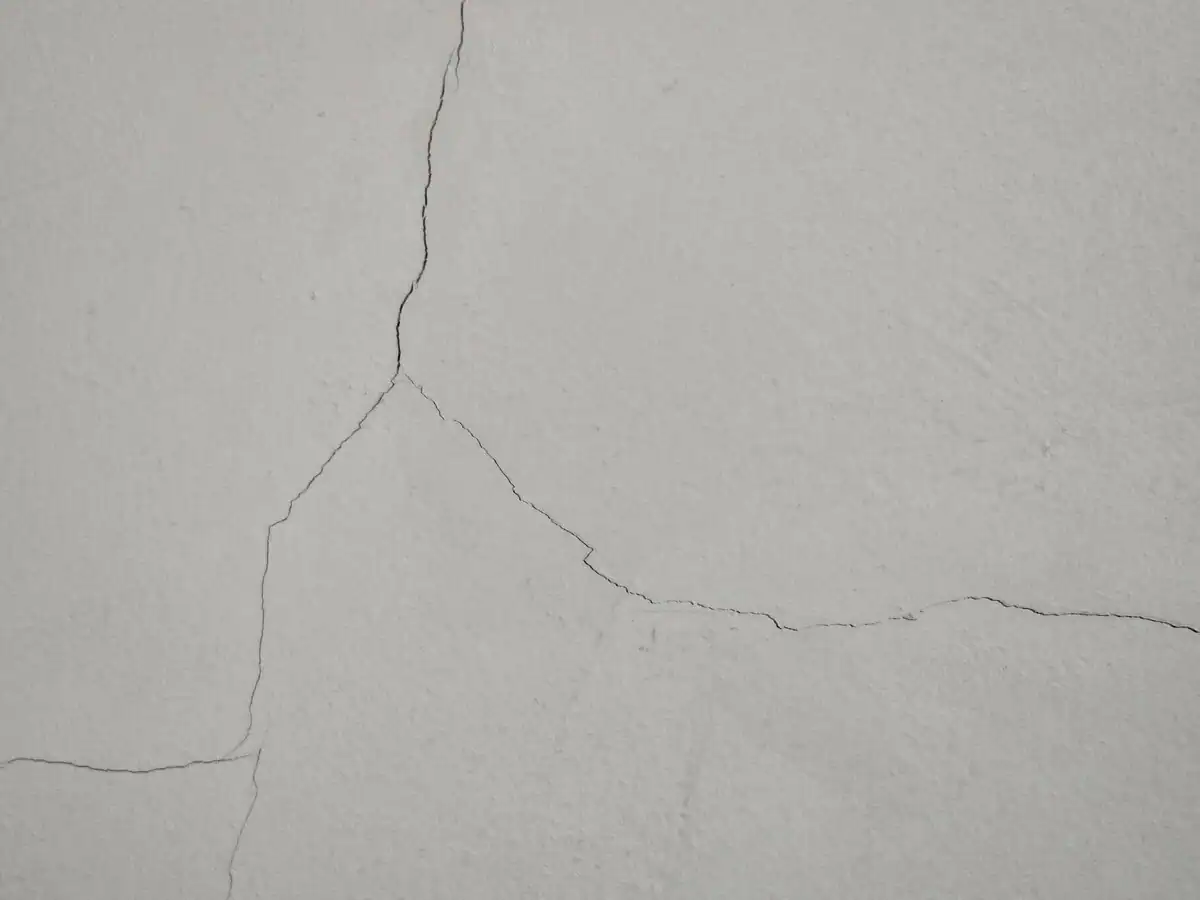
Why a Normal Wash-and-Repaint Quote Was Not Appropriate
The owner initially required an exterior painting quotation, but the inspection showed that the visible coating failure was too widespread to treat responsibly as an ordinary maintenance repaint.
Multiple elevations displayed cracking, moisture-related discolouration and locally failing coatings.
Instead of pricing only surface area and topcoats, the decision was taken to involve Dulux technically.
A Dulux representative inspected the surfaces, measured moisture and prepared a comprehensive specification covering the preparation needed before repainting.
This is an important distinction between painting over a symptom and specifying work around the actual condition of the substrate.
Dulux Protimeter Readings of 15.1%–23.5%
Recorded readings ranged from 15.1% to 23.5%.
The measurements supported the need for moisture-aware preparation, but they were not interpreted in isolation.
The physical inspection also identified cracks, failed frame seals, exposed horizontal masonry, open joints and other possible water-entry details.
This matters because a moisture reading alone cannot identify one universal cause throughout an entire building.
What the Exterior Inspection Found
- Extensive paint discolouration and moisture symptoms.
- Peeling and locally unsound exterior coatings.
- Powdery surfaces.
- Branching plaster cracks.
- Hairline cracks.
- Map or spiderweb cracking.
- Wider plaster cracks.
- Cracks affecting vertical and horizontal surfaces.
- Failed sealant around windows and doors.
- Open or inadequately sealed expansion joints.
- Gaps around exterior fittings.
- Horizontal masonry without adequate waterproofing protection.
- Peeling coating on wooden fascia boards.
- Mould on soffits and selected wall areas.
Moisture-Related Alkali Attack
One of the distinctive symptoms at the property was blotchy colour deterioration associated with moisture movement through cement-based plaster.
When water moves through alkaline cementitious material, calcium hydroxide salts can migrate toward the coating and contribute to loss of colour, powdering, efflorescence, binder degradation and loss of adhesion.
This condition is commonly described as alkali attack or alkali burn.
Simply applying another finish coat over the discolouration would not have corrected the cracks, failed joints and vulnerable horizontal surfaces contributing to the moisture movement.
Cleaning Before Repair and Repainting
Suitable exterior walls were high-pressure cleaned to remove loose coating, grime, chalky deposits and other surface contamination.
Where high-pressure washing was not suitable, the supplier specification allowed cleaning with ProGold GP Cleaner followed by clean-water rinsing.
Mould-affected areas and cracks received the specified ProGold Fungal Wash treatment before subsequent repairs and coatings.
Paint applied over chalk, contamination or fungal growth can remain attached to a weak surface layer rather than to the prepared substrate underneath.
Waterproofing Windowsills and Horizontal Surfaces
Windowsills, parapet areas and other vulnerable horizontal surfaces were an important part of the moisture-control strategy.
These upward-facing surfaces receive rain directly and can admit water through small cracks that might appear insignificant when viewed from below.
Suitable horizontal surfaces received two coats of Dulux Rainshield, with the second coat applied perpendicular to the first.
The waterproofing-related work was completed before the final decorative wall system.
Damp-Related Wall Preparation
The supplier specification included Dulux Pre-Paint Dampshield on prepared affected exterior masonry.
Where moisture readings entered the specified 15%–50% range, additional spot preparation was required.
Bare damp-affected areas were specified for Dulux Dampshield with appropriate curing intervals.
Dampshield formed only one component of the remedial system. It did not replace the separate repair of cracks, failed seals, expansion joints and exposed horizontal surfaces.
Different Cracks Required Different Repairs
Hairline Cracks
Fine cracks up to approximately 1 mm received alkali-resistant sealing before Dulux Rainshield was brushed into the prepared crack.
Spiderweb and Map Cracking
Where multiple fine cracks affected a broader area, the preparation extended across the affected surface rather than treating only one crack line.
The system included alkali-resistant plaster primer followed by flexible Rainshield preparation.
Wider Plaster Cracks
Suitable cracks from approximately 1 mm to 5 mm were opened to a V-joint, brushed clean and repaired using a compatible masonry patching system.
The repairs were sanded to a smooth finish before two Rainshield bands were applied across the repaired area, with the second application perpendicular to the first.
Window and Door Perimeter Seals
The inspection identified deteriorated sealant around windows and doors.
Failed material was removed where required and the joints resealed using flexible single-pack polyurethane.
This is an important moisture-control detail because new exterior paint cannot prevent rainwater from entering through an open frame joint behind it.
Expansion Joints
Expansion joints were treated differently from ordinary plaster cracks.
These joints are intended to accommodate movement and were therefore specified for compatible flexible polyurethane rather than rigid decorative filler.
The same flexible sealing approach was used around exterior fittings where required.
Wooden Fascia Preparation
Painted wooden fascia boards had areas of peeling coating.
Loose material was removed and the timber was sanded to a smooth, uniform finish. Hard old-paint edges were feathered so they would not remain visible through the completed finish.
Bare timber areas were spot-primed and the prepared woodwork received a full compatible undercoat before the final enamel system.
The completed-project record shows the prepared exterior woodwork finished with Dulux Pearlglo Waterbased.
Nutec Soffit Preparation
The Nutec soffits required separate treatment from the plaster walls and painted timber.
Mould staining was treated and affected areas prepared before final coating.
This project is a useful example of why one exterior paint should not simply be used indiscriminately on plaster, fibre cement and timber.
Final Exterior Coating System
After cleaning, damp-related preparation, crack repairs, waterproofing-related work, joint sealing and priming were completed, the main building walls received the documented Dulux exterior finishing system.
The completed project record identifies Dulux WallClad as the final main-wall coating, with Dulux Pearlglo Waterbased on the prepared exterior woodwork.
The final appearance was therefore the visible result of considerably more work beneath the topcoats.
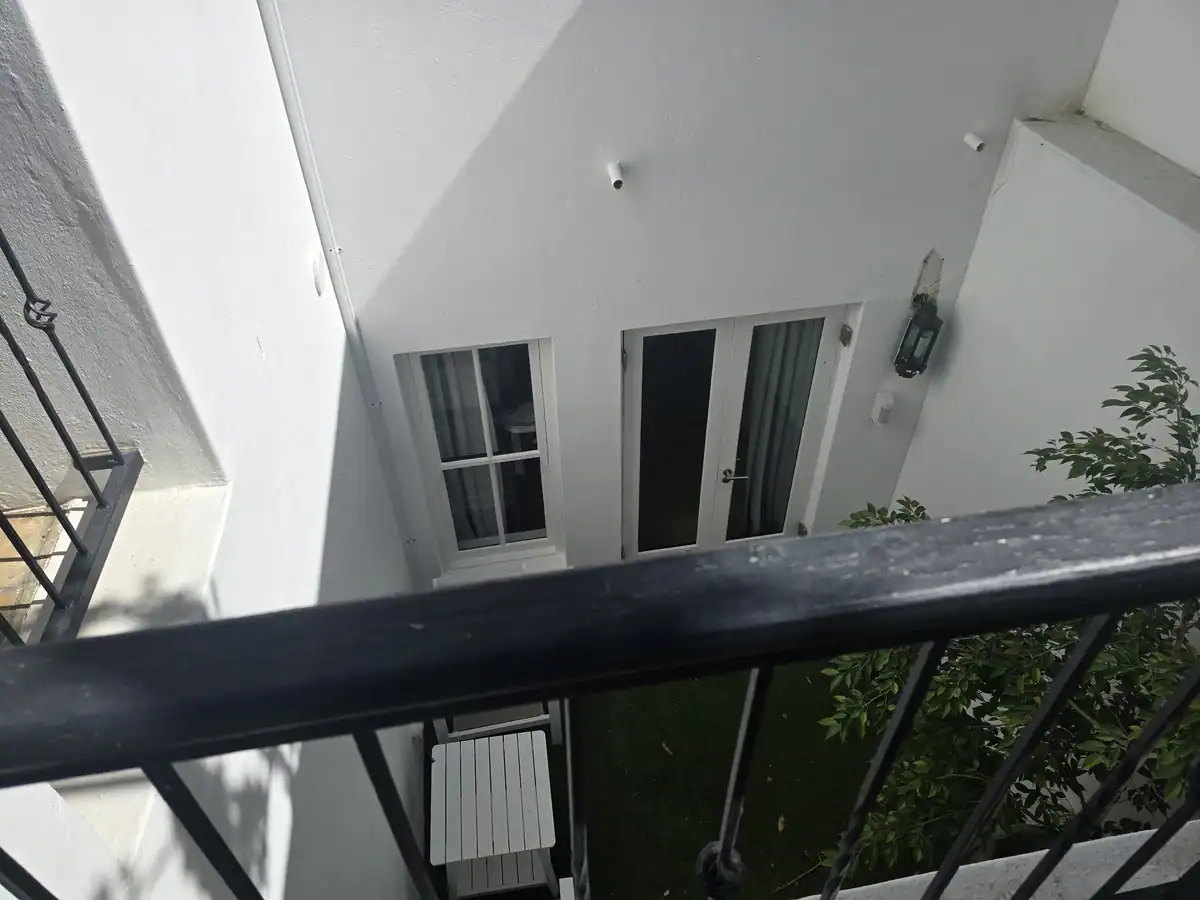
Why the Supplier Specification Matters
Paint suppliers can provide valuable technical support where the substrate condition justifies a formal specification.
Painters Cape Town is approved by major paint suppliers and can facilitate supplier specifications and qualifying supplier-backed warranties where appropriate.
The warranty period depends on the type of project.
New-Build Raw Plaster
On qualifying new-build projects, the supplier can specify the complete system from the raw plaster onwards — including the correct primer, waterproofing preparation, intermediate treatments and topcoats.
Where that entire system is followed, supplier-backed warranties of up to 10 years may be available.
Redecoration and Repainting
Redecoration projects are different because the supplier cannot know with certainty which primers, fillers or coatings were originally used beneath the existing paint.
For that reason, qualifying redecoration specifications are normally covered for approximately 7–8 years, depending on the supplier and written terms.
This Franschhoek Rural job was a redecoration project. No warranty duration should be assumed unless it was formally issued in the project documentation.
Why Exterior Preparation Matters in Franschhoek
Franschhoek’s valley setting places very different stresses on exterior coatings across the year.
Strong summer sun and UV exposure can accelerate fading and chalking on exposed elevations, while winter rain tests windowsills, cracks, seals, roofline details and horizontal surfaces.
Shaded areas and established gardens can remain damp for longer, particularly where irrigation, limited drying or vulnerable construction details contribute to moisture retention.
The combination means a property can display both dry-weather coating deterioration and moisture-related problems at the same time.
What This Franschhoek Rural Project Demonstrates
- A normal repaint quotation is not always technically appropriate.
- Supplier technical involvement can be valuable where coating failure is widespread.
- Moisture readings should be interpreted alongside physical building defects.
- Peeling and discolouration can be symptoms rather than the primary defect.
- Hairline, map and wider plaster cracks require different repair methods.
- Windowsills and parapets require separate waterproofing attention.
- Failed window and door seals can allow water behind exterior coatings.
- Expansion joints require flexible movement-capable materials.
- Timber, plaster and Nutec require different preparation systems.
- Premium paint cannot compensate for unresolved moisture-entry defects beneath it.
Cape Winelands and Wine-Estate Painting Experience
Franschhoek forms part of a much broader Cape Winelands painting history for our company.
Our wine-estate and wine-farm project experience includes:
- Cavalli Estate
- Simonsig Wine Estate
- Roozendal Wine Farm
- Boschkloof Wines
- Guardian Peak Winery & Grill
- Klein Welmoed Wine & Olive Estate
- Vredenheim Wine Estate
Wine-estate projects can involve visitor-facing buildings, restaurants, tasting rooms, accommodation, farmhouses, cellars, outbuildings, roofs, timber and exterior masonry.
The technical coating requirements remain important, but project planning can also have to account for guests, restaurant service, functions, harvest activity, landscaping, parking, staff movement and public access.
Experienced Employed Painters
Painters Cape Town has 27 years of painting-contractor experience.
The Franschhoek Rural quotation records our painters as Paint Academy trained and having at least ten years of experience with the company.
The project was supervised by working foreman Andrew, supported by additional contractor site visits.
Our painters are full-time employees rather than subcontracted crews.
Where high-security estates, wine farms or controlled properties require additional clearance, our employees can undergo the applicable police or security screening procedures.
We are not a lead-generation company. Clients deal directly with the contractor responsible for inspection, quotation, preparation, painters, supervision and handover.
Related Franschhoek and Cape Winelands Pages
- Painters Franschhoek
- Cape Winelands Painters
- Exterior Painters Cape Town
- Damp Proofing and Waterproofing
- Residential Painters Cape Town
Request a Franschhoek Painting Quote
If your Franschhoek property has peeling paint, moisture-related discolouration, cracks, chalking, failed seals, ageing waterproofing or weathered timber, the existing surfaces should first be inspected before the repainting specification is finalised.
Call 082 374 6862 or visit the Painters Cape Town contact page to arrange an inspection and written quotation.
Helpful Franschhoek Painting Guides
Why Paint Peels, Fades and Cracks
Learn how moisture, UV, chalking, cracking, weak previous coatings and poor preparation contribute to exterior coating failure.
Preparing Damp Walls and Timber
See why moisture routes, horizontal waterproofing, old plaster and weathered timber should be assessed before repainting.
Planning a Premium Home Repaint
Learn how gardens, paving, glazing, timber, interiors and other valuable finishes should be protected and sequenced during substantial painting projects.
Franschhoek Rural Exterior Painting FAQs
Where was this project completed?
The documented project was completed at a private double-storey home in Franschhoek Rural.
When was the project completed?
The documented project period was 15–25 June 2026.
Why was Dulux involved?
The amount of cracking, discolouration, peeling and moisture-related coating failure made a normal wash-and-repaint specification inappropriate, so a Dulux technical representative was asked to inspect and prepare a remedial coating specification.
What moisture readings were recorded?
Dulux-recorded Protimeter readings ranged from 15.1% to 23.5%.
What defects were found?
The project recorded moisture-related discolouration, powdering, peeling coatings, map cracking, hairline and wider cracks, failed window and door seals, open expansion joints, vulnerable horizontal surfaces, mould and deteriorated painted timber.
What is alkali attack?
Alkali attack occurs where high alkalinity in cement-based plaster contributes to breakdown and discolouration of the paint film, often in combination with moisture movement.
How were damp-affected areas prepared?
The written specification included Dulux Pre-Paint Dampshield and Dulux Dampshield on suitable prepared areas together with repair of the separate moisture-entry defects.
How were horizontal surfaces waterproofed?
Suitable windowsills, parapet areas and other vulnerable horizontal masonry received two coats of Dulux Rainshield, with the second coat applied perpendicular to the first.
How were hairline cracks treated?
Suitable hairline cracks received alkali-resistant sealer followed by Dulux Rainshield worked into the prepared crack.
How were wider cracks repaired?
Suitable wider cracks were opened to a V-joint, cleaned, repaired with compatible masonry material, sanded and protected with a Rainshield band across the repair.
How was map cracking treated?
Map-cracked areas received broader flexible preparation rather than simply filling one individual crack line.
How were failed window and door seals repaired?
Deteriorated sealant was removed where required and replaced with compatible flexible single-pack polyurethane.
How were expansion joints treated?
Expansion joints were flexibly sealed because they are movement details and should not automatically be repaired with rigid plaster filler.
Was mould treated before repainting?
Yes. Mould-affected areas received the specified fungal treatment before subsequent preparation and coating.
How were the wooden fascia boards prepared?
Loose coating was removed, the timber was sanded and feathered, bare areas were primed and the prepared woodwork received a compatible undercoat and finishing system.
Are you approved by major paint suppliers?
Yes. Painters Cape Town is approved by major paint suppliers and can facilitate written supplier specifications and qualifying supplier-backed warranties.
Can a 10-year supplier warranty apply to a repaint?
Normally not in the same way as a new build. Up to 10-year supplier-backed specifications can apply to qualifying new-build raw-plaster systems where the supplier controls the coating system from the first primer. Redecoration projects are typically 7–8 years where formally warranted because the original preparation beneath the existing coating cannot be fully verified.
Do you have wine-estate painting experience?
Yes. Our wider Cape Winelands experience includes work at Cavalli Estate, Simonsig Wine Estate, Roozendal Wine Farm, Boschkloof Wines, Guardian Peak Winery & Grill, Klein Welmoed Wine & Olive Estate and Vredenheim Wine Estate.
Do your painters undergo security clearance where required?
Yes. Our employed painters can undergo police and security-clearance procedures where controlled estates, farms or other properties require them.
Do you use subcontractors?
No. Painters Cape Town uses full-time employed painters with working-foreman supervision.
How do I request a Franschhoek painting quote?
Call 082 374 6862 or visit the Painters Cape Town contact page to arrange an inspection and written quotation.

Copyright 2026 , all rights reserved.