Amandelrug • Kuils River
Exterior Painting at an Amandelrug Home, Kuils River
A documented May 2026 exterior restoration involving a weathered approximately 13-year-old coating, 15%–21% masonry moisture readings, map cracking, failed seals, unwaterproofed horizontal surfaces, timber fascia deterioration and rusting steelwork.
The Amandelrug homeowner contacted Painters Cape Town after being referred by a Durbanville client whose exterior we had painted approximately three years earlier.
Amandelrug Project Highlights
- Private residential home in Amandelrug, Kuils River.
- Project period: 4–12 May 2026.
- Existing exterior coating approximately 13 years old.
- Homeowner referred by a previous Durbanville client.
- Protimeter readings from 15% to 21%.
- Map and spiderweb cracking on exterior walls.
- Vertical and horizontal cracks contributing to moisture entry.
- Failed sealant around windows and doors.
- Unwaterproofed parapets and windowsills.
- Unsealed expansion joints.
- Peeling paint on timber fascia boards.
- Rusting steel handrail.
- Mould on selected wall areas.
- Working-foreman supervision.
Real Amandelrug Exterior Painting Evidence
This was not a generic repaint. The inspection identified ageing coatings, measurable moisture, cracking, open joints, failed perimeter seals, vulnerable horizontal surfaces, weathered timber and corrosion before the new exterior system was specified.
Referred by a Previous Client
The homeowner approached us after a referral from a Durbanville client whose exterior we had painted approximately three years earlier.
15%–21% Moisture Readings
Protimeter readings across inspected masonry ranged from 15% to 21% and were considered together with cracks, seals, parapets, windowsills and visible coating deterioration.
Approximately 13-Year-Old Coating
The existing exterior coating had been exposed for approximately thirteen years before the maintenance repaint was undertaken.
Cracks and Flexible Joints
Hairline cracks, wider plaster cracks and expansion joints were treated according to their different widths and movement requirements.
Horizontal Waterproofing
Parapet tops and windowsills were treated as vulnerable horizontal surfaces rather than simply painted with the wall topcoat.
Different Substrates, Different Systems
Plastered walls, timber fascia boards and rusting steelwork each received substrate-specific preparation and coating systems.
Full-Time Employed Painters
The work was completed by Painters Cape Town's employed painting team with working-foreman supervision rather than a subcontracted lead-generation team.
Preparation Before Paint
Pressure washing, fungal treatment, crack preparation, damp-related treatment, waterproofing, sealing, timber preparation and rust treatment were addressed before the final finishes.
Amandelrug Exterior Painting Project in Kuils River
This documented Amandelrug exterior painting project was completed at a private residential home in Kuils River from 4 to 12 May 2026.
The project is particularly valuable as local evidence because the homeowner did not find Painters Cape Town through a generic lead-generation website. The enquiry followed a referral from a previous Durbanville painting client whose exterior we had painted approximately three years earlier.
The existing exterior coating at the Amandelrug property was approximately 13 years old and had reached a substantial maintenance stage.
Instead of treating the work as a straightforward colour change, the exterior was inspected for coating adhesion, moisture-related symptoms, cracks, seals, horizontal surfaces, timber and steelwork.
This project now provides direct local evidence supporting our Painters Kuils River, Exterior Painters Cape Town, Damp Proofing Cape Town and Residential Painters Cape Town services.
Amandelrug Project Summary
- Location: Amandelrug, Kuils River, Cape Town.
- Property: Private residential home.
- Project period: 4–12 May 2026.
- Existing coating: Approximately 13 years old.
- Referral: Referred by a previous Durbanville exterior-painting client.
- Protimeter readings: 15% minimum to 21% maximum.
- Scope: Exterior walls, plaster bands, timber fascia boards, steel handrail, pressure washing, horizontal waterproofing, damp-related preparation and perimeter sealing.
- Supervision: Working foreman with additional site visits.
What the Exterior Inspection Found
The deterioration was spread across several different details of the property rather than being limited to one isolated patch.
- Protimeter readings of 15%–21%.
- Map or spiderweb cracking on exterior walls.
- Cracks on vertical and horizontal wall surfaces.
- Cracks on windowsills and parapet areas.
- Failed sealant around windows and doors.
- Discoloured coating associated with moisture and alkali-related deterioration.
- Weathered and powdery exterior paint.
- Horizontal surfaces that had not been waterproofed.
- Expansion joints that were not properly sealed.
- Rusting steel handrail.
- Peeling coating on timber fascia boards.
- Mould on selected exterior wall areas.
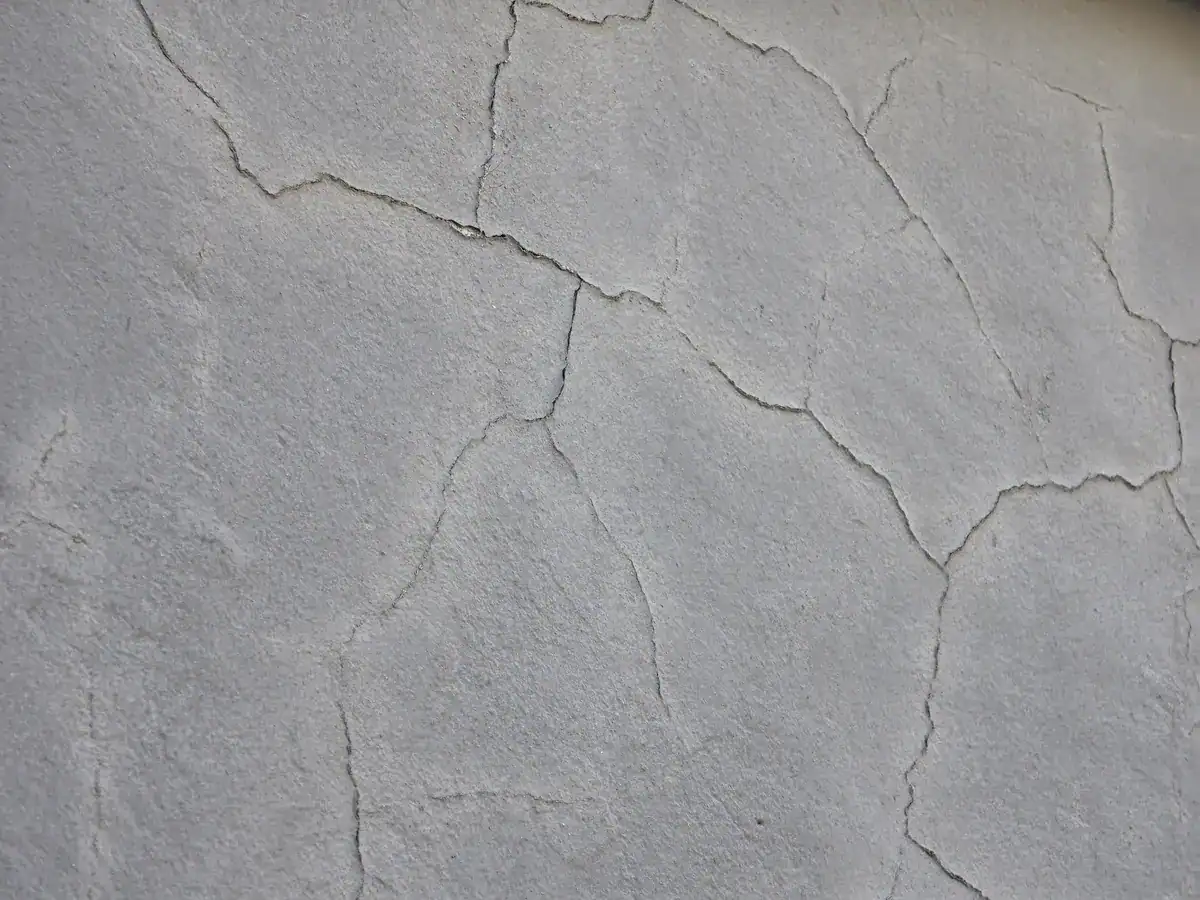
15%–21% Relative Masonry Readings
Protimeter readings across the inspected masonry ranged from 15% to 21%.
These readings were not treated as proof that every wall defect had one identical moisture source.
They were considered together with the location of cracks, failed seals, windowsills, parapets, boundary conditions and visible coating deterioration.
This distinction matters because moisture measurements help inform preparation, but they do not replace investigation of how water may be entering a building component.
Boundary and Foundation Wall Limitations
The written quotation also recorded an important limitation relating to masonry exposed to continuing ground or backfilled moisture.
Where a boundary wall has no effective damp-proof separation from soil moisture, water may continue moving through the masonry from below or behind.
Similarly, lower foundation-wall sections exposed to moisture from the backfilled side can remain vulnerable even after the visible painted face has been correctly prepared.
The specified moisture-resistant coating system can improve the treated surface, but it cannot create a missing structural damp-proof barrier behind the wall.
For that reason, future discolouration, bubbling or peeling caused by continuing moisture migration cannot reasonably be treated in the same way as ordinary coating failure.
Why the Old Exterior Coating Needed More Than New Paint
After approximately thirteen years of exposure, the exterior displayed more than ordinary colour fading.
Weathering, chalking, cracking, weak coating, failing joints, timber deterioration, rust and moisture-related symptoms all influence how a repaint should be prepared.
Simply applying two new finish coats over these defects would attach the new system to unresolved weaknesses underneath.
High-Pressure Cleaning and Fungal Treatment
Suitable exterior wall areas were high-pressure cleaned to remove loose and flaking paint, grime, salts and chalky deposits.
Areas where pressure washing was unsuitable could be cleaned using the specified ProGold GP Cleaner solution before rinsing.
Fungal-affected areas and contaminated cracks were treated with the specified ProGold Fungal Wash before the subsequent preparation proceeded.
This cleaning stage is important because a new coating should bond to a sound substrate rather than dirt, biological contamination or degraded old paint.
Waterproofing Parapets and Windowsills
Horizontal surfaces such as parapet tops and windowsills receive more direct rainfall exposure than ordinary vertical wall faces.
The inspection recorded that these surfaces had not been adequately waterproofed.
The written method therefore specified two coats of Dulux Rainshield, with the second coat applied perpendicular to the first.
Treating these vulnerable horizontal details separately helps reduce future water entry through fine cracks and porous surfaces.
Moisture-Related Exterior Preparation
Prepared moisture-affected masonry areas were specified for Dulux Pre-Paint Dampshield.
Where substrate readings fell within the specified elevated-moisture range, the affected areas required the additional treatment described in the written system.
Bare areas were then prepared with the specified Dulux Dampshield system and required curing periods.
This was a coating-preparation response to the observed condition. It does not imply that paint alone can repair continuing water entry from behind a wall, defective drainage or missing structural damp-proofing.
Hairline Cracks and Map Cracking
The Amandelrug inspection identified both isolated hairline cracks and wider networks of spiderweb or map cracking.
Hairline cracks up to approximately 1 mm were specified for alkali-resistant sealer followed by Dulux Rainshield worked into the defect.
Areas containing multiple map cracks received additional flexible waterproof preparation after suitable priming.
The purpose is not merely to hide visible lines. The repair needs to form part of the coating build over the prepared substrate.
Wider Plaster Cracks
Cracks between approximately 1 mm and 5 mm required a different repair method.
The written specification included opening appropriate cracks into a V-shaped joint, cleaning the defect, filling suitable shallow cracks with masonry patching material, sanding smooth and applying Rainshield across the repaired zone.
Using one filler for every crack regardless of width or movement would not provide the same preparation.
Expansion Joints Required Flexible Sealing
The inspection also found unsealed or deteriorated expansion joints.
Expansion joints are deliberately different from ordinary plaster cracks because they accommodate movement.
The specification therefore required suitable joints to be sealed with approximately 25% flexible single-pack polyurethane sealant.
Rigidly filling a movement joint can simply create another crack when the structure moves again.
Window and Door Perimeter Sealing
Failed sealant around windows and doors was another identified route for possible rainwater entry.
Deteriorated sealant within the project scope was removed and replaced with flexible polyurethane where required.
Wall and light-fitting penetrations were also included in the sealing specification where appropriate.
These relatively small junctions can be important because water entering a frame-to-plaster joint can later appear as deterioration elsewhere in the surrounding coating.
Peeling Timber Fascia Boards
The timber fascia boards required a separate preparation system from the plastered walls.
Loose and flaking coating was removed, hard paint edges were feathered and the timber was sanded to provide a sound surface.
Bare timber areas received compatible wood primer and the fascia boards received a full undercoat before the finishing system.
The documented finish used two coats of Dulux Pearlglo Water Based.
Rusting Steel Handrail
The exterior steel handrail showed coating deterioration and active corrosion.
Loose rust was mechanically prepared before the documented corrosion-treatment and primer system was applied.
The specification included Duram NS1 Rust Buster followed by Dulux Rust Primer before the final water-based enamel-type finish.
Painting directly over active rust would only conceal the corrosion temporarily.
Exterior Wall Finish
After the required cleaning, repairs, sealing, waterproofing, moisture preparation and priming were completed, the main exterior walls were specified for two coats of Dulux Wallguard.
The timber fascia boards and prepared steel handrail received two coats of Dulux Pearlglo Water Based after their respective substrate-specific preparation systems.
The product names are included because they form part of the actual written project specification. Their inclusion does not imply manufacturer endorsement of Painters Cape Town or this webpage.
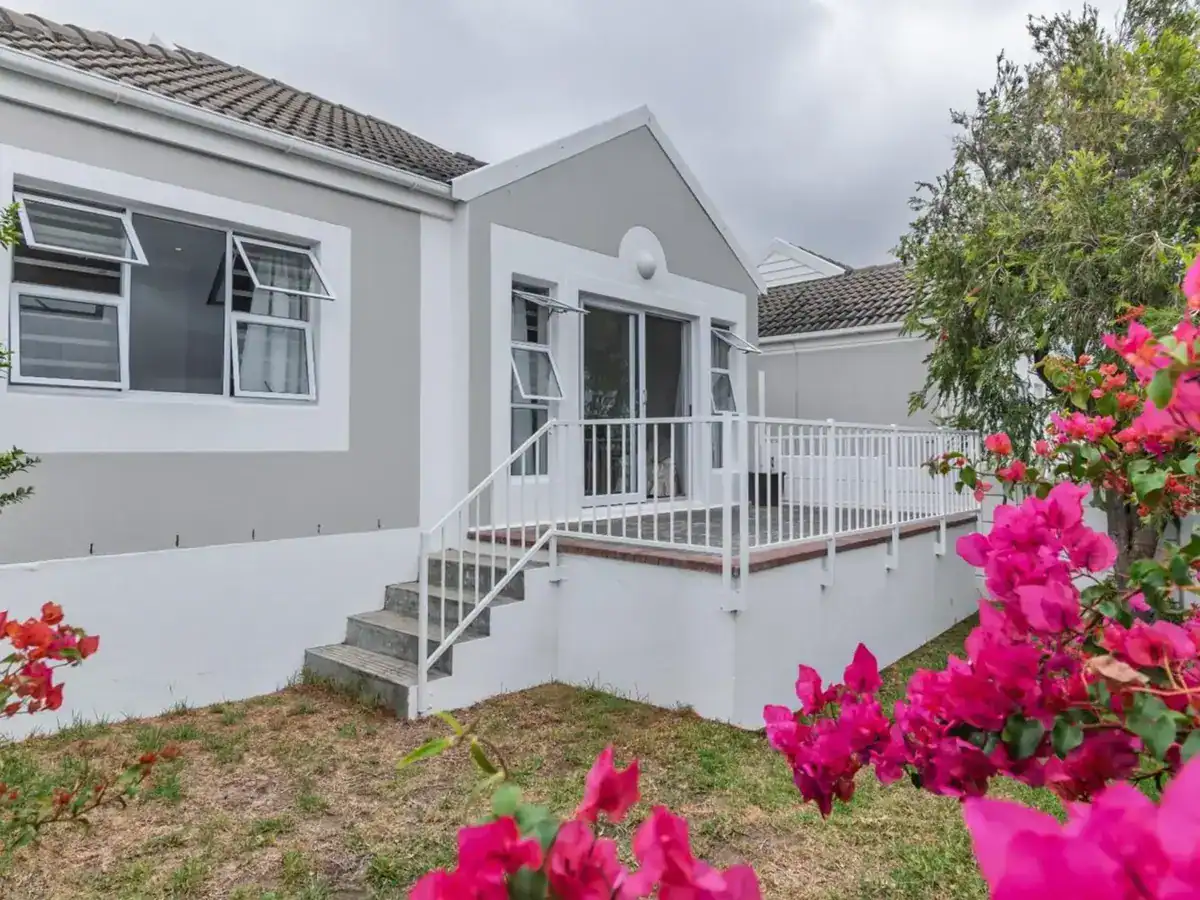
Completed Amandelrug Exterior Restoration
The completed exterior photograph records the property after the agreed wall preparation, crack repairs, joint and perimeter sealing, horizontal-surface waterproofing, fascia restoration, steelwork preparation and repainting.
The visible final colour is only the last stage of the project.
The more important long-term work lies behind that finish: removing unstable coating, addressing defects by substrate type, treating moisture-affected areas realistically and preparing vulnerable joints and horizontal surfaces before topcoating.
What This Amandelrug Project Demonstrates
- A long maintenance interval does not mean the next repaint should be cosmetic only.
- Moisture readings should be interpreted together with visible building details.
- Hairline cracks, wider cracks and expansion joints require different treatment.
- Parapets and windowsills deserve dedicated waterproof preparation.
- Failed window and door seals can contribute to water entry.
- Timber, plaster and steel require different primers and preparation systems.
- Continuing ground or backfilled moisture can limit coating performance.
- Referral work provides genuine evidence of contractor relationships extending across Cape Town’s Northern Suburbs.
Amandelrug and the Kuils River Painting Cluster
Amandelrug forms part of the established residential side of Kuils River, complementing the area’s newer development around Haasendal, Zevenwacht and De Kuile.
Our wider local page is Painters Kuils River, while Kuils River is also connected to our Painters Cape Town Northern Suburbs regional hub.
Related services include:
A Referral from Durbanville to Kuils River
The Amandelrug project also illustrates how much of our work develops through previous client experience rather than anonymous online enquiries.
The homeowner contacted us after being referred by a client in Durbanville whose exterior we had painted approximately three years earlier.
That relationship provides a natural connection between our Painters Durbanville and Kuils River service areas while remaining based on genuine completed work rather than artificial location pages.
Preparation-First Painting by a Direct Contractor
Painters Cape Town has 27 years of painting and surface-preparation experience.
Our projects are completed by full-time employed painters with working-foreman supervision.
We are not a lead-generation company. Clients deal with the contractor responsible for the inspection, written observations, quotation, employed painting team, supervision and completed work.
Correct preparation substantially improves coating performance, but no paint system can permanently overcome continuing structural movement, active leaks, defective drainage, missing damp-proof barriers or future seal failure.
Request an Exterior Painting Assessment in Amandelrug
If your Amandelrug or Kuils River property has chalking paint, cracking, failed seals, weathered fascias, rusting metalwork, discoloured masonry or moisture-related coating deterioration, the surfaces should be assessed before repainting.
Call 082 374 6862 or visit the Painters Cape Town contact page to arrange an inspection and written quotation.
Helpful Kuils River Painting Guides
Why Paint Peels, Fades and Cracks
Learn how moisture, UV, chalking, weak adhesion, cracks and poor preparation can contribute to premature exterior coating failure.
Damp Walls and Repainting
Learn why cracks, horizontal surfaces, irrigation, boundary walls and continuing water entry should be assessed before damaged coatings are repainted.
Planning a Premium Home Repaint
See how preparation, access, protection and different substrates should be considered before a substantial residential repaint.
Amandelrug Exterior Painting FAQs
Where was this Kuils River exterior project completed?
The project was completed at a private residential home in Amandelrug, Kuils River.
When was the Amandelrug project completed?
The documented project period was 4 to 12 May 2026.
How did the Amandelrug homeowner find Painters Cape Town?
The homeowner contacted us after being referred by a Durbanville client whose exterior we had painted approximately three years earlier.
How old was the existing exterior coating?
The existing exterior coating was approximately thirteen years old before the maintenance repaint.
What moisture readings were recorded?
Protimeter readings across inspected masonry ranged from 15% to 21%.
What defects were found before painting?
The inspection identified map cracking, vertical and horizontal cracks, failed window and door seals, discoloured and powdery coatings, unwaterproofed horizontal surfaces, unsealed expansion joints, rusting steelwork, peeling fascia paint and mould on selected areas.
Were all moisture symptoms described as rising damp?
No. The moisture readings were interpreted together with cracks, joints, windowsills, parapets and other possible water-entry details. A meter reading alone does not prove that every affected surface has the same moisture source.
How were parapets and windowsills prepared?
The written specification included two coats of Dulux Rainshield on relevant horizontal surfaces, with the second coat applied perpendicular to the first.
How were damp-affected exterior walls prepared?
Relevant prepared masonry areas received the specified Dulux Pre-Paint Dampshield and Dampshield preparation according to their condition and moisture readings.
How were hairline cracks treated?
The specification included alkali-resistant sealer and Dulux Rainshield worked into hairline cracks, with additional flexible preparation on areas containing multiple map cracks.
How were wider plaster cracks repaired?
Appropriate wider cracks were opened, cleaned and repaired with compatible masonry material before sanding, priming and Rainshield preparation across the repaired area.
Why were expansion joints treated differently?
Expansion joints accommodate movement and therefore require flexible detailing rather than being treated like ordinary rigid plaster cracks.
How were failed window and door seals repaired?
Deteriorated sealant within the project scope was removed and replaced with flexible single-pack polyurethane where required.
How were the wooden fascia boards prepared?
Loose and flaking coating was removed, the timber was sanded and bare areas were primed before undercoating and application of the specified finishing system.
How was the rusting steel handrail treated?
Loose rust was mechanically prepared before the specified rust converter, rust primer and finishing coats were applied.
Can paint permanently solve moisture entering a boundary wall from behind?
No. Where moisture continues entering from soil, backfill or below the wall, coating performance may remain limited until the underlying moisture source or building detail is addressed.
Do you use subcontracted painters?
No. Painters Cape Town uses full-time employed painters with working-foreman supervision.
How do I request an exterior painting quote in Amandelrug?
Call 082 374 6862 or visit the Painters Cape Town contact page to arrange a physical inspection and written quotation.

Copyright 2026 , all rights reserved.